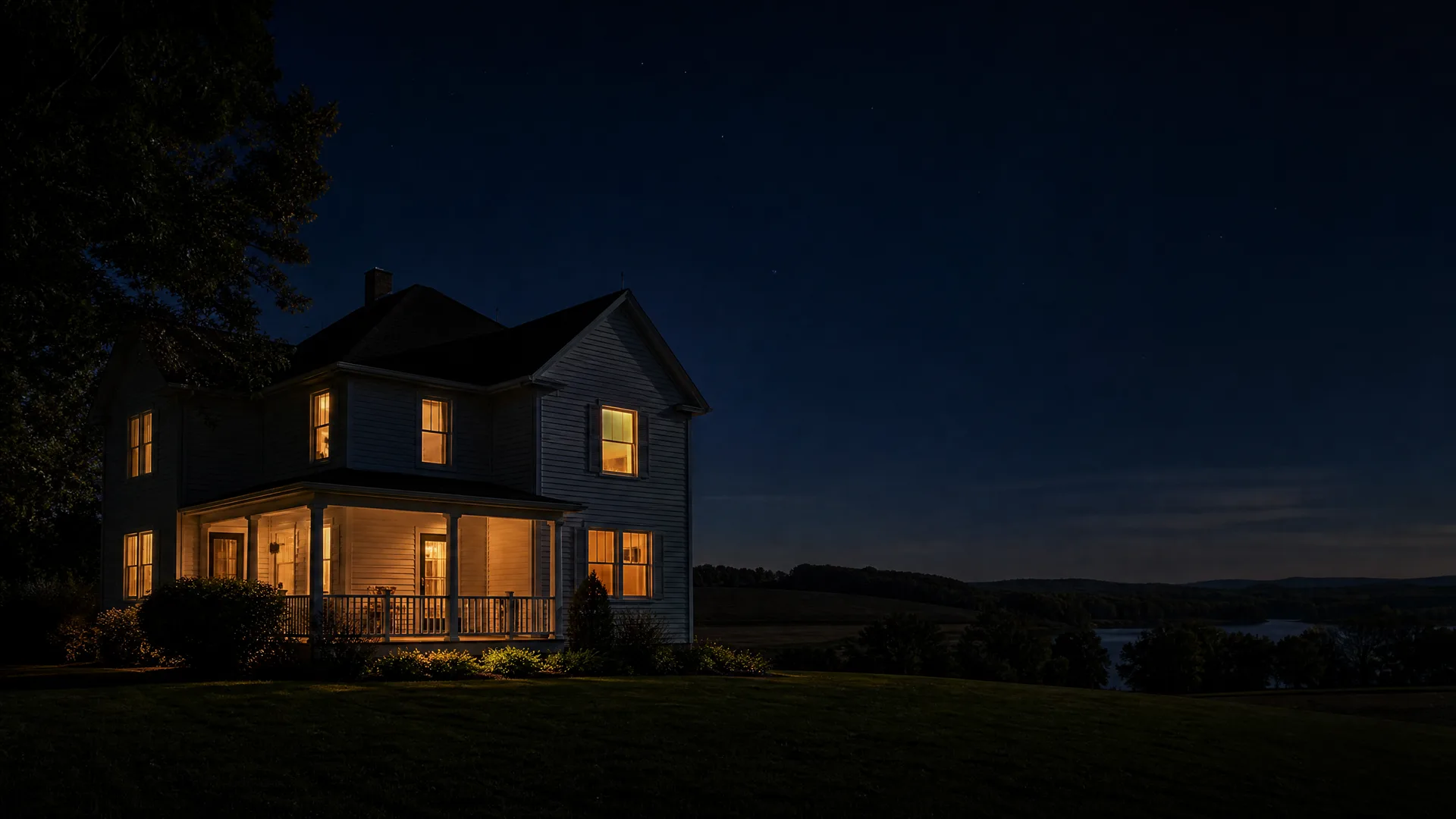

Well-matched system
This unit sits clear of runoff, up off the pad, with the disconnect box dry on the siding. A heat pump kept like this holds its output longer into a cold snap and defrosts without fighting standing water or ice at the base.
A heat pump in Muscatine has to work through some hard winter stretches, and whether it's still enough depends on how it's matched to the house and what's backing it up on the coldest nights. That's not something to guess at. A local contractor who installs these systems in this county every winter knows what sizing and setup actually hold up here, and what doesn't. Send the form and the search for the right person is handled for you. This goes to one licensed local contractor, not a handful of companies competing for your number, so you won't spend the next hour fielding calls. Just someone who already knows Muscatine winters and can tell you plainly whether your setup needs backup heat or a different approach.
Winter in Muscatine gets genuinely cold, and you've heard mixed things about heat pumps losing their punch once the temperature drops. You want a straight answer about whether yours will actually keep your house warm in January, or whether you're going to be cold and wondering what went wrong.
A heat pump moves heat from the outside air into your house, and the colder that air gets, the less heat there is to move. Most units lose real capacity somewhere below freezing, and Muscatine sees plenty of nights well under that. That's why most heat pumps here are paired with a backup source, usually a gas furnace or electric strips, that kicks in when the outdoor unit can't keep up on its own. If your system has that backup and it's sized correctly, you'll stay warm through the worst of winter. If it doesn't, or the pairing was never matched to your house, the coldest stretches are exactly when you'll notice.
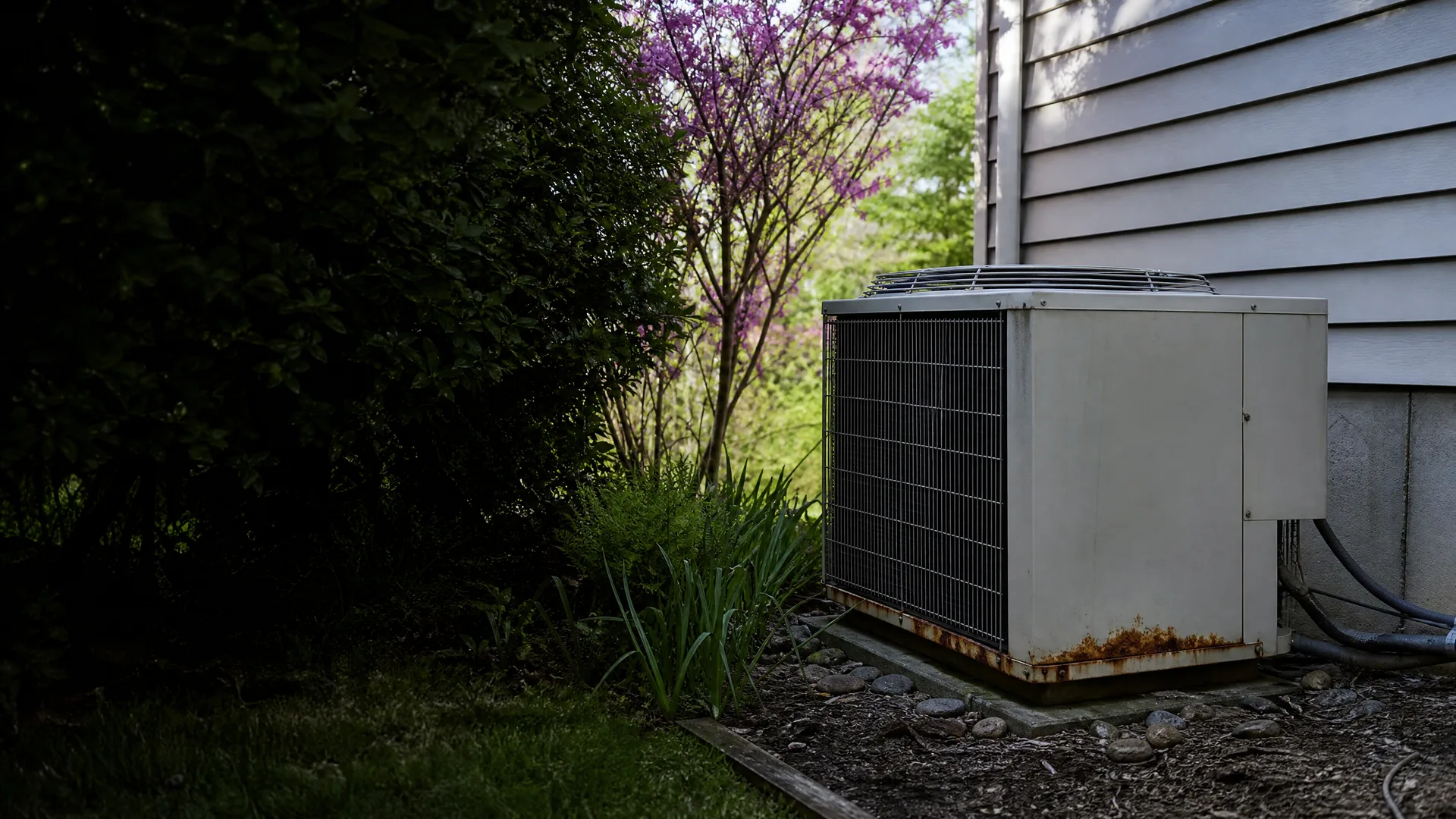
You're out in the side yard in March, coiling up the hose you never put away last fall. The snow's finally gone. That's when you see it, the rust creeping up the base of the outdoor unit, right where it sits in the low spot that stays wet after every melt. You crouch down and run a thumb along the edge of the cabinet. The metal's gone soft in one corner. It got you through another winter, but you stand there doing the math on how many more it has left, and whether you'd rather know now than find out on a night in January.
Winter nights average 17°F
Overnight lows this cold mean your heat pump is pulling heat from air that has little to give, which is when a backup heat source earns its keep.
Heat runs October through May
Eight months of heat a year is a long stretch for any system to carry alone, and most of those months fall on the cold side.
Cooling runs June through August
Three months of cooling is the easy part for a heat pump. Winter is where the real test is, and where the backup matters most.
NOAA nClimDiv 1991-2020
A heat pump doesn't make heat the way a furnace does. It pulls heat out of the outdoor air and moves it inside, using a compressor to push refrigerant through that cycle. That works fine when it's 45 degrees out. It gets harder when it's 15, because cold air just doesn't hold as much heat to grab. The unit runs longer and harder to pull the same warmth out of thinner air. Every heat pump has a balance point, the outdoor temperature where it can no longer keep the house warm on its own. For most systems that's somewhere between 25 and 35 degrees, though the exact number depends on the size and model of your unit. Below that point, something else has to pick up the slack. In most Muscatine homes that's a gas furnace, paired with the heat pump in what's called a dual fuel setup, though some homes use electric resistance coils instead. You'll also notice the outdoor unit occasionally blowing what feels like cold air inside for a few minutes. That's the defrost cycle, clearing ice off the outdoor coil by briefly running in reverse. It's normal and it passes. The thermostat is what ties it together, watching the outdoor temperature and switching between the heat pump and the backup so you're not stuck wondering which one is running.




A heat pump by itself, sized and installed right for your house, can still fall short on the nights Muscatine gets coldest, and that's where a backup furnace or strip heat earns its place in the system. Getting that balance right, the heat pump doing most of the work and the backup only stepping in when it has to, takes someone who installs this equipment in this county and knows where it tends to come up short. That's a different job from someone who mostly works on furnaces and treats a heat pump as an afterthought. One contractor, local to Muscatine, gets your request instead of your name going out to several. That means someone who's already seen how these systems handle a Muscatine winter looks at your house specifically, rather than you sorting through a pile of callbacks trying to figure out who actually knows the equipment. If your heat pump has you wondering whether it'll hold up this winter, that's worth sorting out before the cold settles in for good.
Most homes in Muscatine County already heat with gas, and that changes the math on a heat pump. Pair the heat pump with the existing gas furnace and you get a dual fuel setup: the heat pump handles the milder days, and the furnace takes over once temperatures drop low enough that the heat pump stops being the cheaper way to make heat. The furnace is already there, already sized for the house, and already tied into the ductwork. A contractor adds the controls that decide which one fires at a given outdoor temperature. The gas line and venting don't change. This is the lower-cost path for a house that already has gas heat sitting unused for most of the year.
If there's no gas furnace to fall back on, the backup is electric resistance heat built into the air handler, often called strip heat. It switches on automatically when the heat pump alone can't keep up, and it runs on the same electrical circuit as the rest of the system. There's no second fuel to manage and no gas line to maintain, which simplifies the install for a house that's all-electric already. The tradeoff shows up on the power bill during the coldest stretches, since strip heat draws a lot more electricity than the heat pump does on its own to produce the same warmth. Power here is priced about like it is anywhere else, so that cost is worth asking a contractor to walk through before deciding.


A heat pump spends a good part of a cold Muscatine day doing something most homeowners never see. Frost builds on the outdoor coil whenever it's cold and humid out, and the system clears it by briefly running backward, pulling heat from inside to melt the ice off. That's why the outdoor fan goes quiet and the vents inside blow cool air for a few minutes. It's normal, and it passes. What matters more for how the whole winter goes is what's set up around that cycle. If you've got a dual fuel setup, the thermostat hands off to the gas furnace once it's too cold outside for the heat pump to pull its weight, and that switch point is something a contractor sets, not something that happens on its own. No gas backup means the air handler leans on electric strip heat instead. None of it works right if the outdoor unit is buried in snow or iced in, since that blocks the airflow the coil needs. And a system that's lost some refrigerant will lose ground faster once the temperature drops, which is worth having checked before the hard stretch of winter sets in.


This unit sits clear of runoff, up off the pad, with the disconnect box dry on the siding. A heat pump kept like this holds its output longer into a cold snap and defrosts without fighting standing water or ice at the base.

Years of weather have worn this cabinet down, and its spot against the wall holds moisture against the housing and the conduit. A heat pump in this shape loses capacity before the air even gets cold enough to explain it.
At 13.83 cents per kilowatt-hour, running your heat pump hard on the coldest nights costs about what it would anywhere else in the state. The bigger swing in your bill comes from backup heat kicking in, not from the electric rate itself.
EIA-861 2025

This unit sits clear and level on its own pad, lines running clean to the disconnect on the wall. A heat pump placed like this defrosts the way it's supposed to and keeps its output through a cold snap instead of losing ground to ice at the base.

This one sits low against the foundation, lines running along block that holds damp and cold. A heat pump fighting that position spends more of its cycle on defrost and has less left over to heat the house when it's single digits outside.
A heat pump can carry a Muscatine winter, but only when it's sized right and backed up properly for the nights that drop hardest. Get the setup wrong, from a unit that's too small to backup heat that cuts in too late, and you'll feel it every January. Get it right, with the heat pump doing the everyday work and gas picking up the coldest hours, and the system runs without drama all season. That setup work is specific to your house, your ductwork, and whatever furnace is already sitting next to the air handler, which is why it's worth having someone local look at it rather than guessing from a chart. A contractor who installs and services these systems around Muscatine County sees the same cold snaps you do and knows which setups hold up through them and which ones call for service calls every February. Send one request and you're working with that one contractor, not fielding calls from a handful of companies trying to win the job.

Let someone else find the pro