
Heat Pump Installation in Iowa
Homes in Iowa are older than in 40 of the other 49 states.
Tell us about the job
Takes about a minute. No obligation.
- 15°Fwinter overnight low where people live
- 8 monthsof heat, October through May
- 82°Fsummer afternoon high where people live
- 3 monthsof cooling, June through August
Iowa winters ask a lot of a heat pump. Nights near 15°F, eight months of heating to cover.
- Southern counties need about 25% more cooling than northern ones
- Winter nights average 15°F where people live
- Summer afternoons average 82°F where people live
- Heat runs October through May
- Cooling runs June through August
- 2,365 winter storms from 2015 to 2024

- One unit covers heating and cooling, so there's no separate AC unit sitting outside
- Sized correctly, it holds a steady temperature instead of short cycling on and off
- Correct sizing fits the unit to the house, not just matching what was there before
- Backup heat strips or a paired furnace cover the coldest nights so the compressor isn't straining
- A properly charged line set keeps the compressor from working harder than it needs to
Gas heats 60.2% of homes in Iowa, more than any other fuel. Electricity comes next at 24.4%, then propane at 12.6%. Most of what a heat pump replaces or pairs with here is a gas furnace. That changes the install. A heat pump can carry the heating load down to a point, but the existing furnace often stays in place as backup rather than getting pulled out, since the ductwork and gas line are already there.
A heat pump paired with a gas furnace needs a control board that knows when to switch between the two. Getting that handoff point set correctly is part of what makes the pairing work. In a home that heats with propane instead, the same idea applies, except it's the propane furnace taking over on the coldest nights. Fuel oil barely factors into any of this, since so few homes here use it.
Time it before October, not during it
Eight months of heating against three months of cooling. That split should decide when the install happens. Get a heat pump in before September and it's doing the easy part first, cooling through a mild stretch before the October heating load hits. Wait until the furnace is already struggling on a cold night and the install turns into an emergency, with whatever unit is on the truck instead of the one sized right for the house. Spring and early fall give the contractor time to set the controls between the heat pump and the backup furnace correctly, instead of rushing the handoff point to get heat back on.
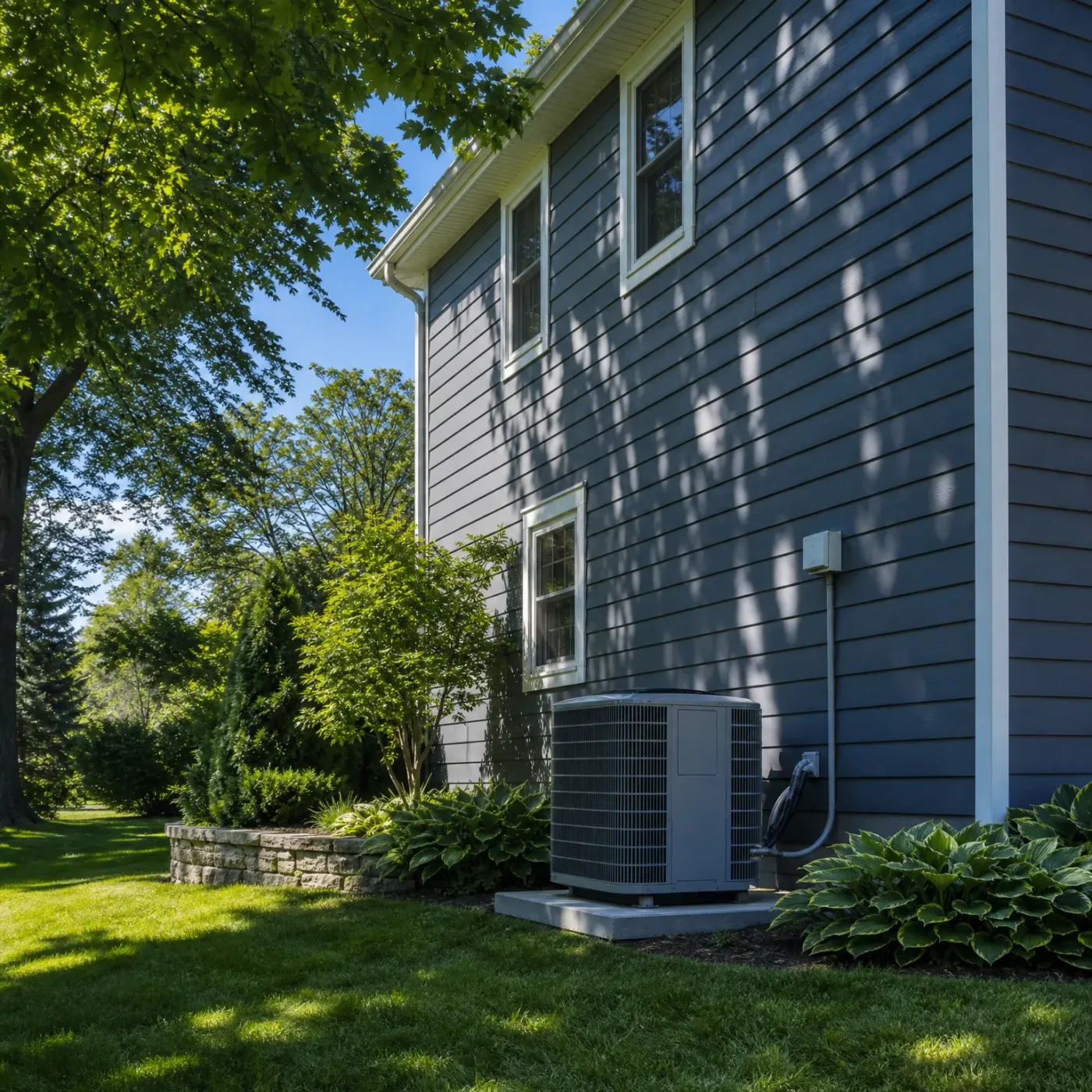
3 months of cooling, June through August
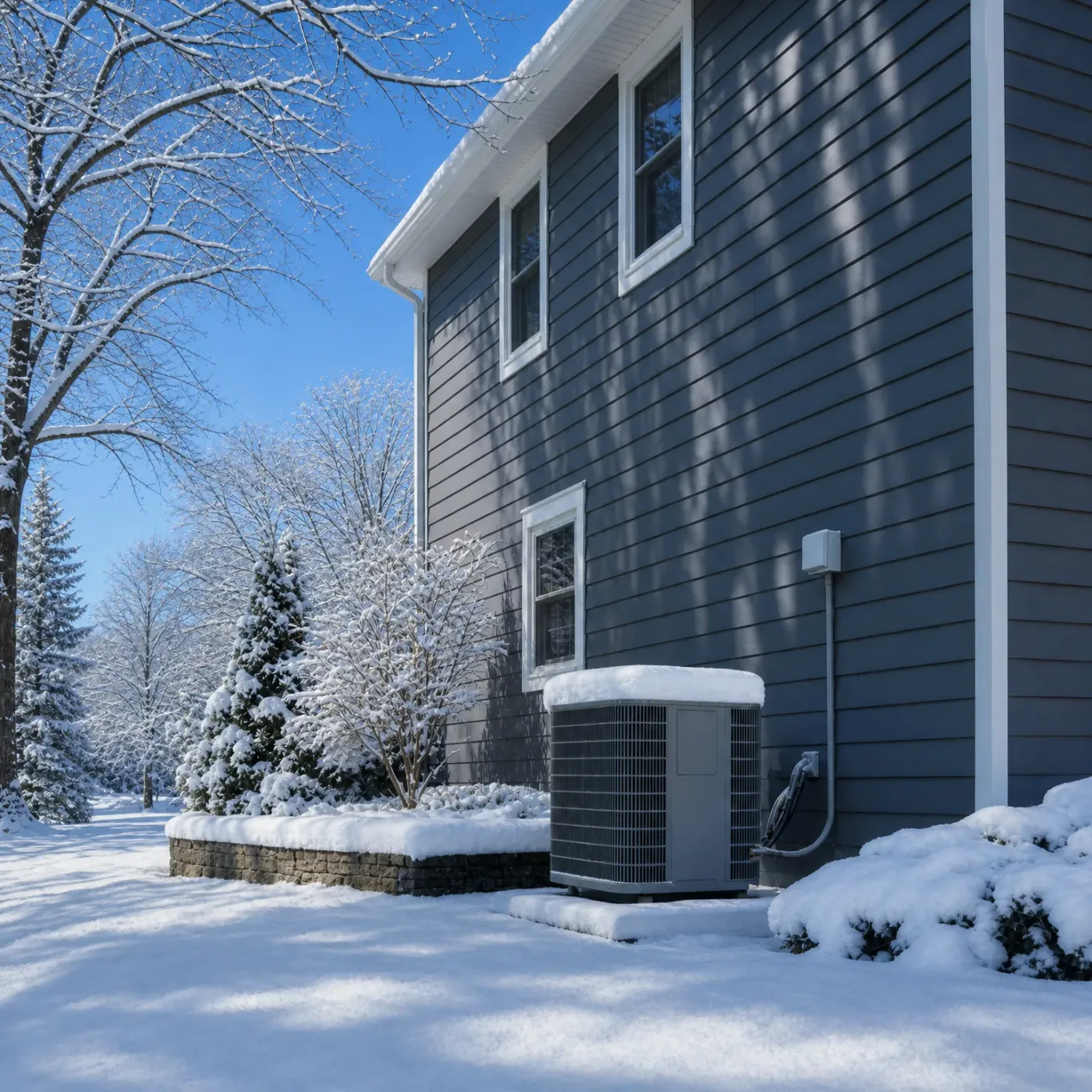
8 months of heat, October through May
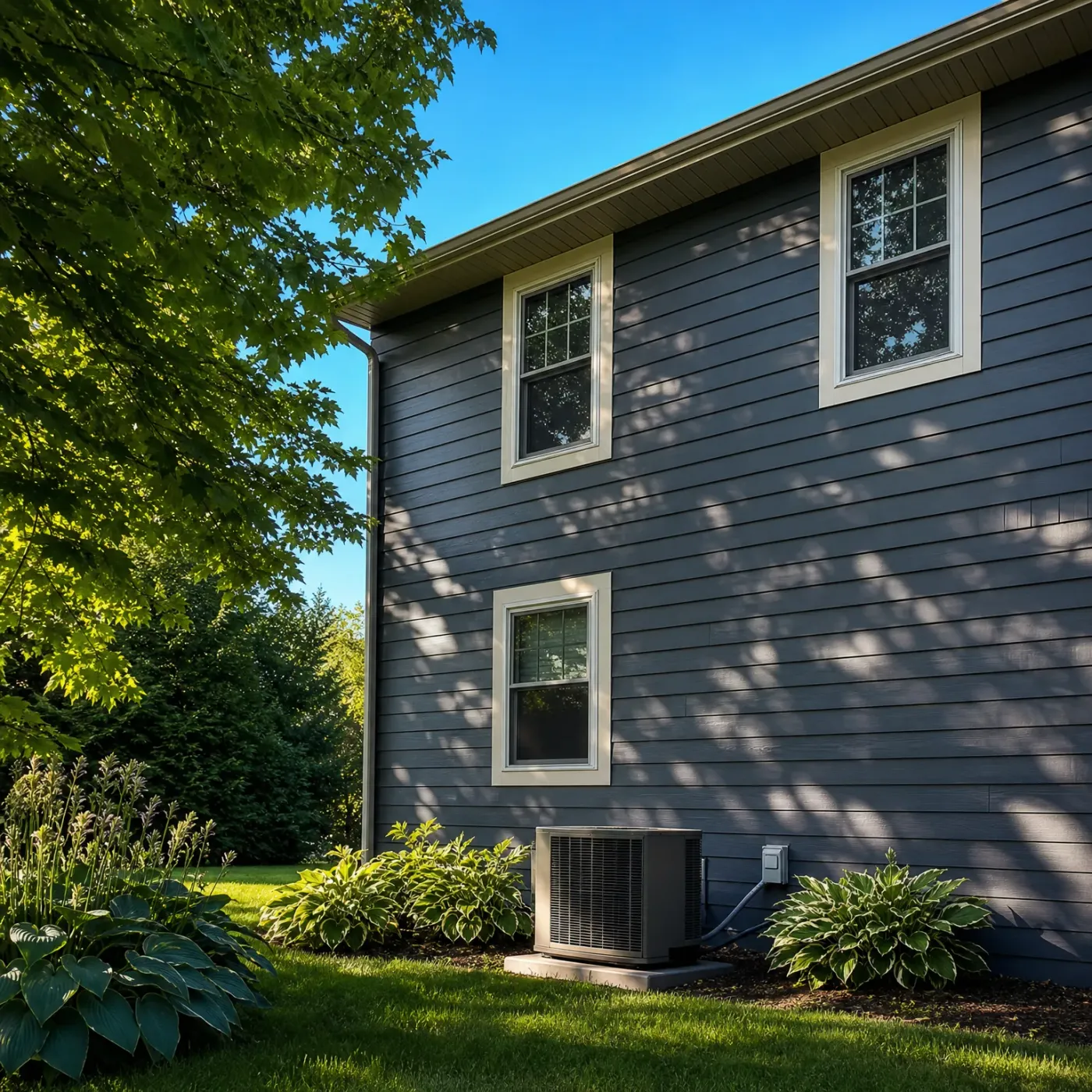
Iowa splits north to south more than anything else. Homes in the northern counties need about 11% more heat over a year than homes in the southern counties, and Howard County needs about 35% more heat than Lee County, where the state's heating load is lowest. A heat pump going into a northern county is covering more heating hours over a year than one going into a southern county.
Cooling runs the opposite direction. Homes in the southern counties need about 25% more cooling over a year than homes in the northern counties, and Fremont County needs about twice the cooling that Howard County does. Howard County sits at both ends of this, lowest cooling load in the state and highest heating load, which says something about how different a heat pump's year looks there compared to Fremont County.
Winter nights follow the same split. Osceola County averages a 10°F low across December, January and February, ten degrees colder than Lee County's 20°F. A heat pump sized for a home in Lee County isn't facing the same coldest-night problem as one in Osceola County, and the backup heat strips or paired furnace need to be ready for whichever end of that range the home sits on.
None of this changes what the state average says about Iowa as a whole, eight months of heating and three of cooling, colder at night than most of the country. It just means the right size for the unit, and how much the backup furnace needs to carry, depends on where in Iowa the home sits, not only on the fact that it's in Iowa.
What does a heat pump in Iowa face?
How hot do summer afternoons get?
82°Faverage afternoon high where people live
Alaska66°F
Arizona101°F
How cold do winter nights get?
15°Faverage overnight low where people live
North Dakota4°F
Hawaii65°F
How many months does the heat run?
8 monthsof heating a year
Hawaii0 months
Alaska12 months
What does electricity cost?
13.40¢per kWh (kilowatt hours, the unit on an electric bill), what homes paid in 2024
North Dakota11.51¢
Hawaii42.86¢
How often do storms hit?
206severe weather events per county from 2015 to 2024
Alaska5
Wyoming1,057
How many homes lost power for a day or more?
15%of homes in 2024
Arizona7%
Maine54%
What to ask when you're comparing systems
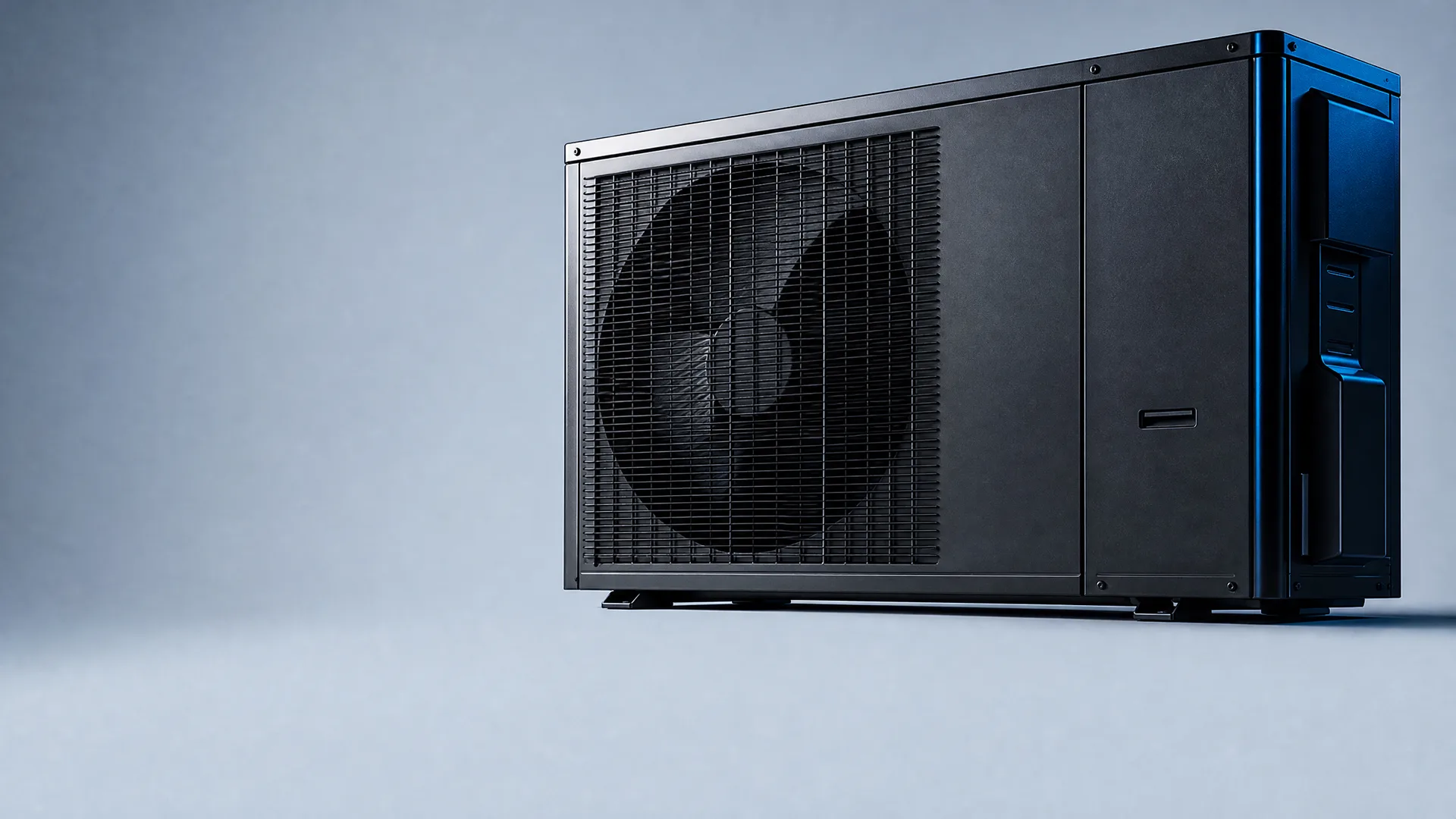
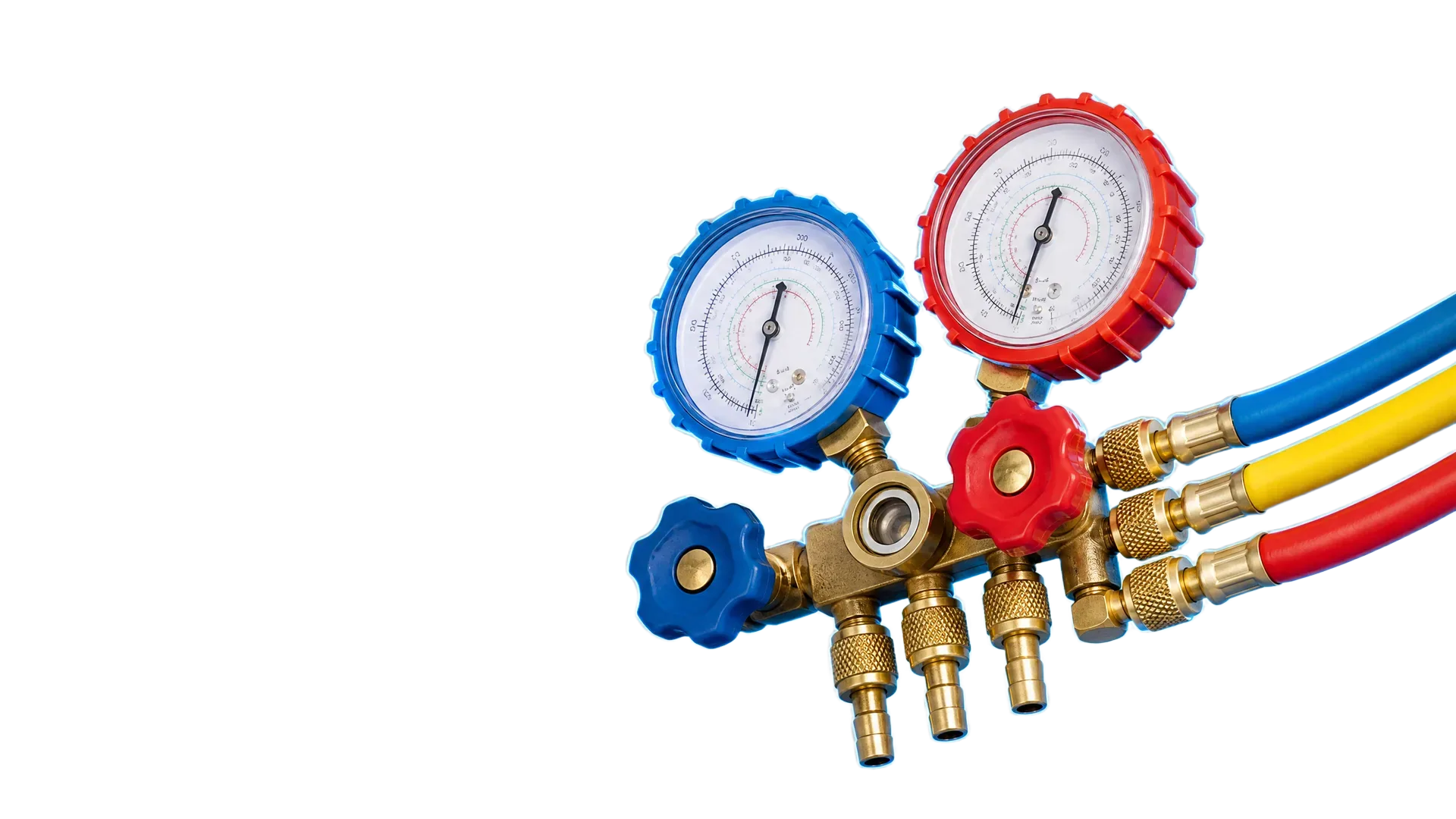
Ask what the unit is rated for at low temperatures, not just what it does for cooling. Every heat pump loses heating output as the air outside gets colder. The rate of that drop varies between models, and that number tells you how much the backup furnace has to carry on the worst nights. Ask how they're sizing it. A heat pump sized off the old furnace's nameplate is usually wrong, since furnaces get oversized often, and a heat pump sized the same way short cycles if it's too big or runs flat out and loses ground if it's too small. Ask about the line set, the copper running between the outdoor unit and the indoor coil. It has to be charged with the right amount of refrigerant for its length, and a line set left unadjusted for its length leaves the compressor working harder than it should for the life of the unit. Ask what sets the switch point between the heat pump and the backup heat, and whether that's something the contractor configures or something left adjustable. That handoff point is where a system either runs efficiently or leans on the furnace more than it needs to.
What happens to the system you're replacing
The old furnace doesn't usually leave. In a system where it's staying on as backup, it sits unplugged from day-to-day duty but still tied into the ductwork and the gas line, ready for the control board to call on it when the heat pump can't keep up. If it's coming out instead, that means the gas line gets capped and the flue or vent pipe that ran from it has to be dealt with too, since it's no longer venting anything. An old central air condenser, if there is one, is a different story. That unit goes, full stop, since the heat pump's outdoor unit takes over both jobs it was doing. Whoever handles the install should be able to say which parts of the old system stay, which get disconnected but left in place, and which actually leave the property.
An older home changes what fits
Half the homes in Iowa were built in 1972 or earlier. An older home usually has its ductwork sized for the furnace that came with it, not for a heat pump, and the electrical panel may not have room for a new outdoor unit without a look at what else is on it. None of that rules out a heat pump. It just means the ducts and the panel are worth checking against the equipment before it goes in, not after.
Most homes here pair a heat pump with the gas furnace already in place.
Tell us about the job
Takes about a minute. No obligation.
Fill out the form and a contractor will look at your setup before quoting anything.