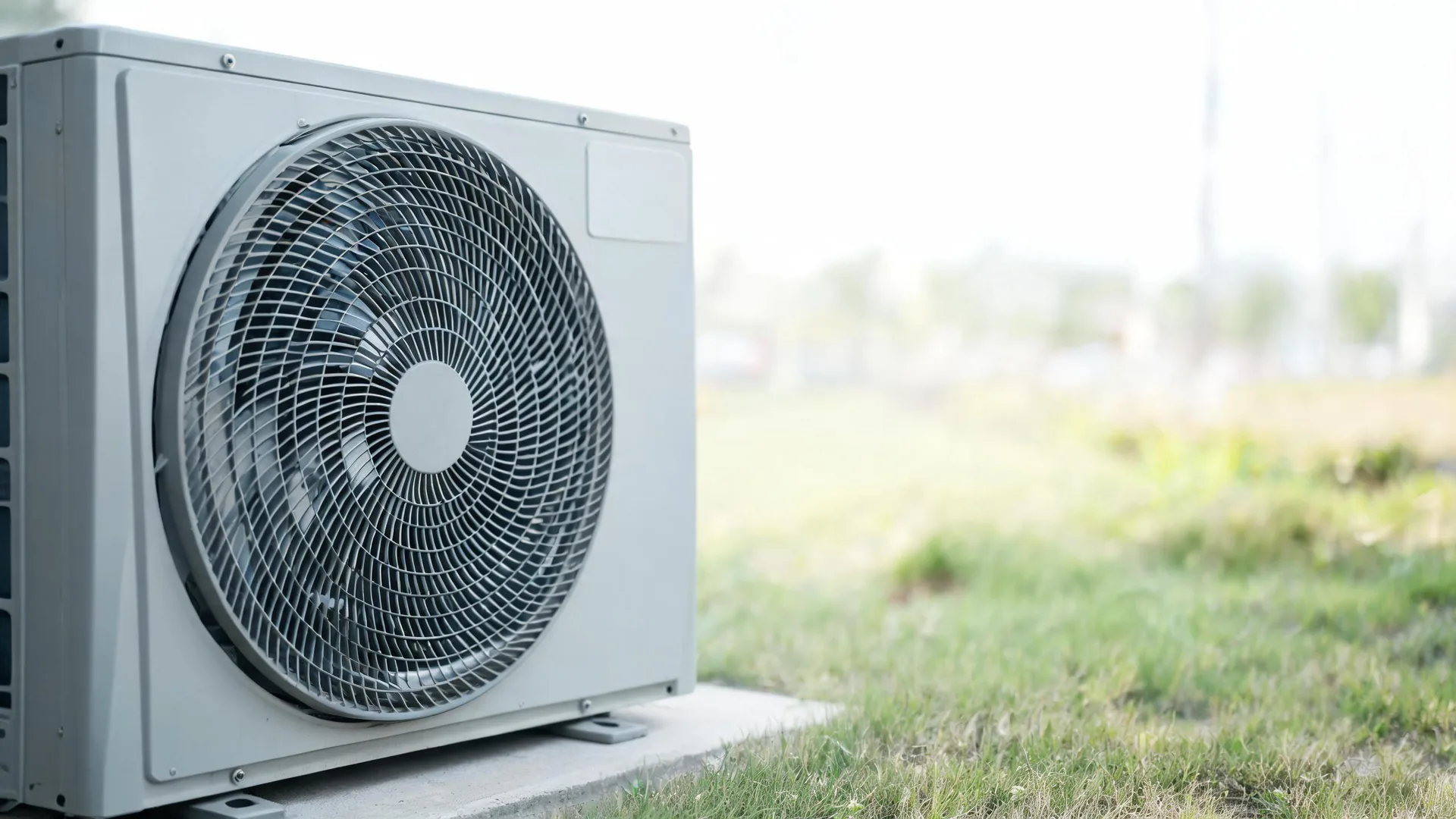
Electricity here runs 17.63 cents a kilowatt-hour
That is higher than what most US counties pay. A heat pump runs on electricity for both heating and cooling, so that rate applies to the system year round, not just in summer.
Takes about a minute. No obligation.
That is higher than what most US counties pay. A heat pump runs on electricity for both heating and cooling, so that rate applies to the system year round, not just in summer.
Two heat pumps can heat and cool the same house and use different amounts of power doing it. At this rate per kilowatt-hour, that difference shows up on your bill every single month the system runs.
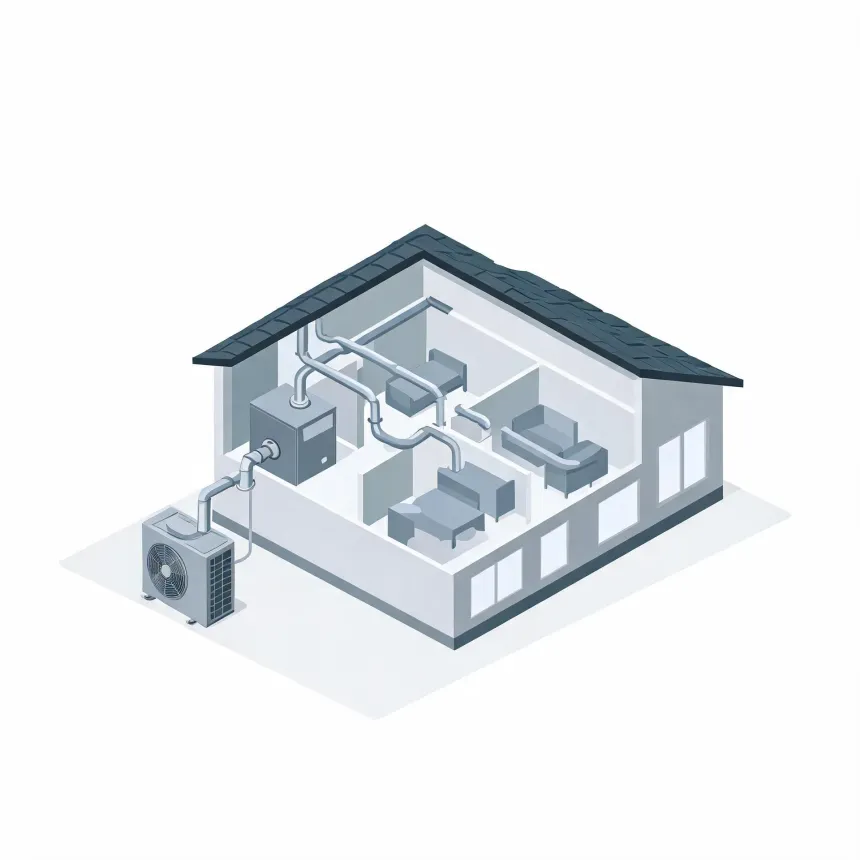
NOAA nClimDiv, 1991–2020 normals
Heat here starts up in September, and that means August is decision month.
A heat pump installed before August gives a contractor time to size it right, instead of rushing a swap once the nights turn cold.




Winneshiek County falls in zone 5A, a cool, humid zone where heating carries more of the load than cooling does. Any split-system heat pump installed here now has to clear a federal floor set for that split: at least 14.3 Btu of heat moved per watt-hour of electricity in summer, and at least 7.5 Btu per watt-hour in winter. That floor applies to every new system sold, regardless of brand or size. It doesn't guarantee a low bill, but it rules out the weakest equipment before a contractor ever gets to your house.
Two systems can heat and cool the same house on different amounts of power, and at what electricity costs here, that difference lands on the bill every month the system runs. Getting the sizing and install right is what puts you on the better side of it.
Find a contractorHalf the homes in this county were built in 1962 or earlier. A house that age can still take a heat pump, but the duct runs, the wall cavities and the way the place holds heat were laid out for a different kind of system. A contractor sizing your install needs to work from what your house actually has, not from a number on the nameplate of the old unit. Get that wrong on a system you'll run through a Decorah winter and it shows up every month on the bill.
Sizing a heat pump means working out how fast a house loses heat in winter and gains it in summer, room by room. That comes from the square footage, but also the windows, the insulation, the ceiling height, and how much sun hits each wall. A contractor measures this directly. Going by the old system's rating just repeats whatever mistake was built into that install.
A heat pump that's too big blasts a room to temperature and shuts off before it finishes pulling moisture out of the air, so the house feels clammy even though the thermostat reads right. One that's too small runs constantly on the coldest and hottest days and still can't keep up, leaning hard on backup heat strips that burn power fast. The right size runs longer, steadier cycles and holds the temperature without either problem.
Removing the old equipment is its own job, not an afterthought tacked onto the new install. If the old system used a refrigerant that's since been phased down, a contractor recovers it rather than venting it, which is standard practice and not something you need to arrange separately. The electrical feeding the old unit gets checked too. A furnace blower and a heat pump's compressor and backup strip heat don't draw the same way, so the circuit and disconnect sized for one may not be right for the other. An old outdoor pad can often stay if it's level and sound, but a heat pump's outdoor unit runs through the winter instead of sitting idle, so a contractor looks at snow load and drainage around it before signing off. None of this is hard, but skipping it is how a new system ends up fighting old wiring or a bad pad from day one.
Install day starts with the load calculation already done, so the crew is there to put in the system, not design it on the fly. The outdoor unit goes on its pad first, then the line set runs between it and the indoor coil. Those refrigerant lines get brazed, not just clamped, since a heat pump holds pressure both directions depending on the season. Once the lines are connected, the system gets pulled down into a vacuum to pull out moisture and air, because either one left in the lines will wreck how the refrigerant cycles. Only after it holds vacuum does the refrigerant go in, charged to the weight the manufacturer specifies for that line length. The last stretch is airflow and controls: setting the blower speed, wiring the thermostat, and running the system through a full heating and cooling cycle to check it switches modes the way it should.