
Heat Pump Repair in Iowa
Homes in Iowa are older than in 40 of the other 49 states.
Tell us about the job
Takes about a minute. No obligation.
- 15°Fwinter overnight low where people live
- 8 monthsof heat, October through May
- 82°Fsummer afternoon high where people live
- 3 monthsof cooling, June through August
Iowa winters are cold, not extreme. Your heat pump likely has a common problem.
- Southern counties need about 25% more cooling than northern ones
- Winter nights average 15°F where people live
- Summer afternoons average 82°F where people live
- Heat runs October through May
- Cooling runs June through August
- 2,365 winter storms from 2015 to 2024

- Heat not coming from the vents gets traced to the reversing valve before anyone blames the compressor
- Short cycling gets fixed at its source, whether that's a dirty filter, a bad sensor, or low refrigerant charge
- A system stuck in defrost gets checked at the control board and sensor wiring
- Grinding or rattling gets traced to the fan motor bearing or a loose blower wheel before parts get swapped
- A unit that won't start gets checked at the thermostat, the control board and the breaker
Electricity in Iowa runs 13.40 cents per kilowatt-hour, and homes here pay less for it than in 34 other states. A heat pump leans on electricity harder than a gas furnace does, so that rate matters more to you than it would to a neighbor heating with gas. It also means a repair that fixes a system running longer than it should pays back through a bill you can actually compare month to month.
Iowa homes that use air conditioning used about 5.0 million Btu (British thermal units, a measure of heat) of electricity for it in a year, which is an ordinary number as these things go. Nothing about the load on your system here points to unusual wear or a strange failure mode. When a heat pump in Iowa stops working right, it's almost always one of the same handful of parts acting up, not something particular to the state.
When your heat pump in Iowa is working hardest
Heat here runs October through May, about eight months of the year. Cooling is June through August, just three months. That split matters for a heat pump, since it's working the heating side most of the year and the cooling side only in summer. The first cold snap in October and the first real heat in June are when a weak part gets found. A capacitor or a sensor that barely got by last season is what gives out when the system suddenly has to run hard. If yours has been acting up, getting it looked at before the next stretch of heavy use is worth more than waiting until it quits outright.
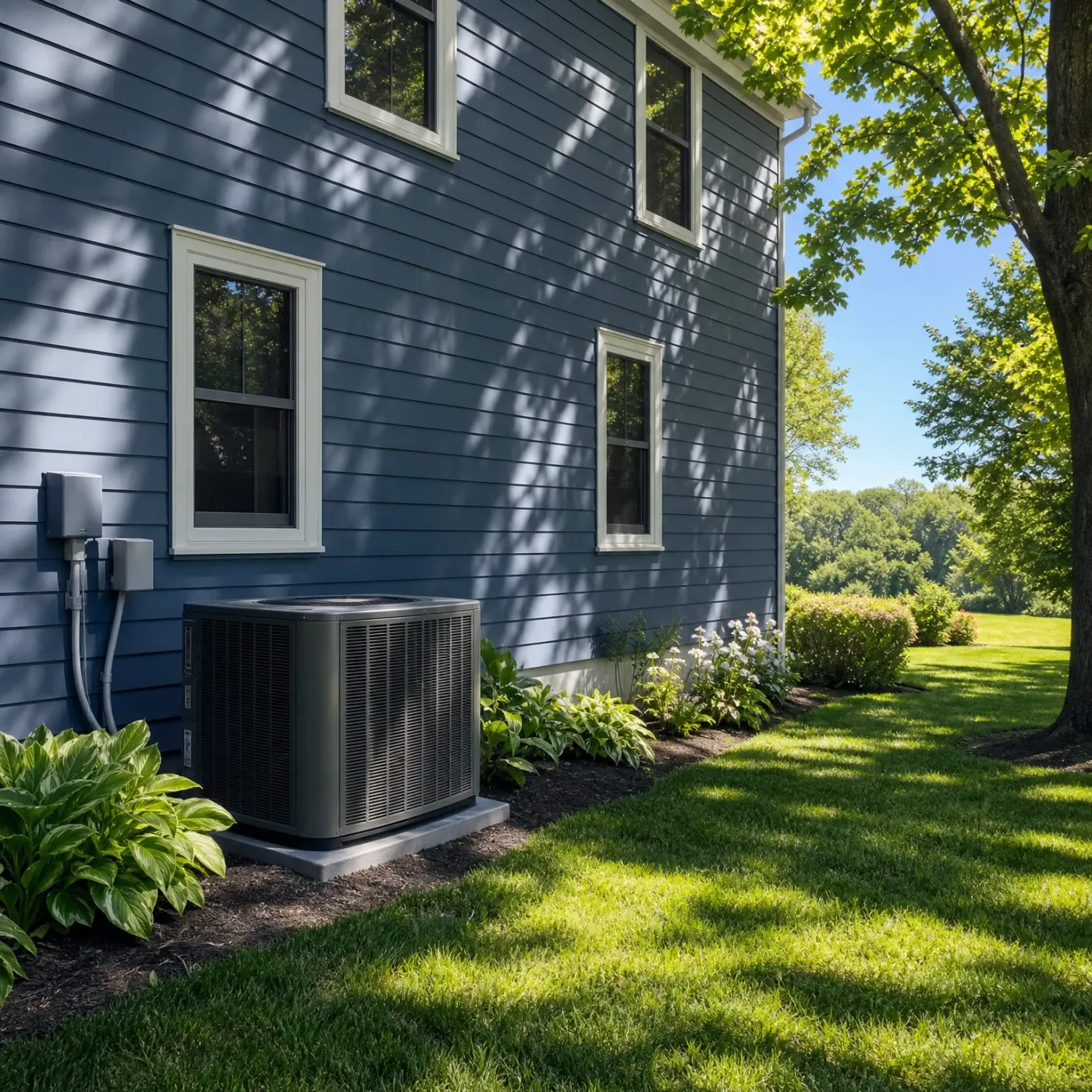
3 months of cooling, June through August
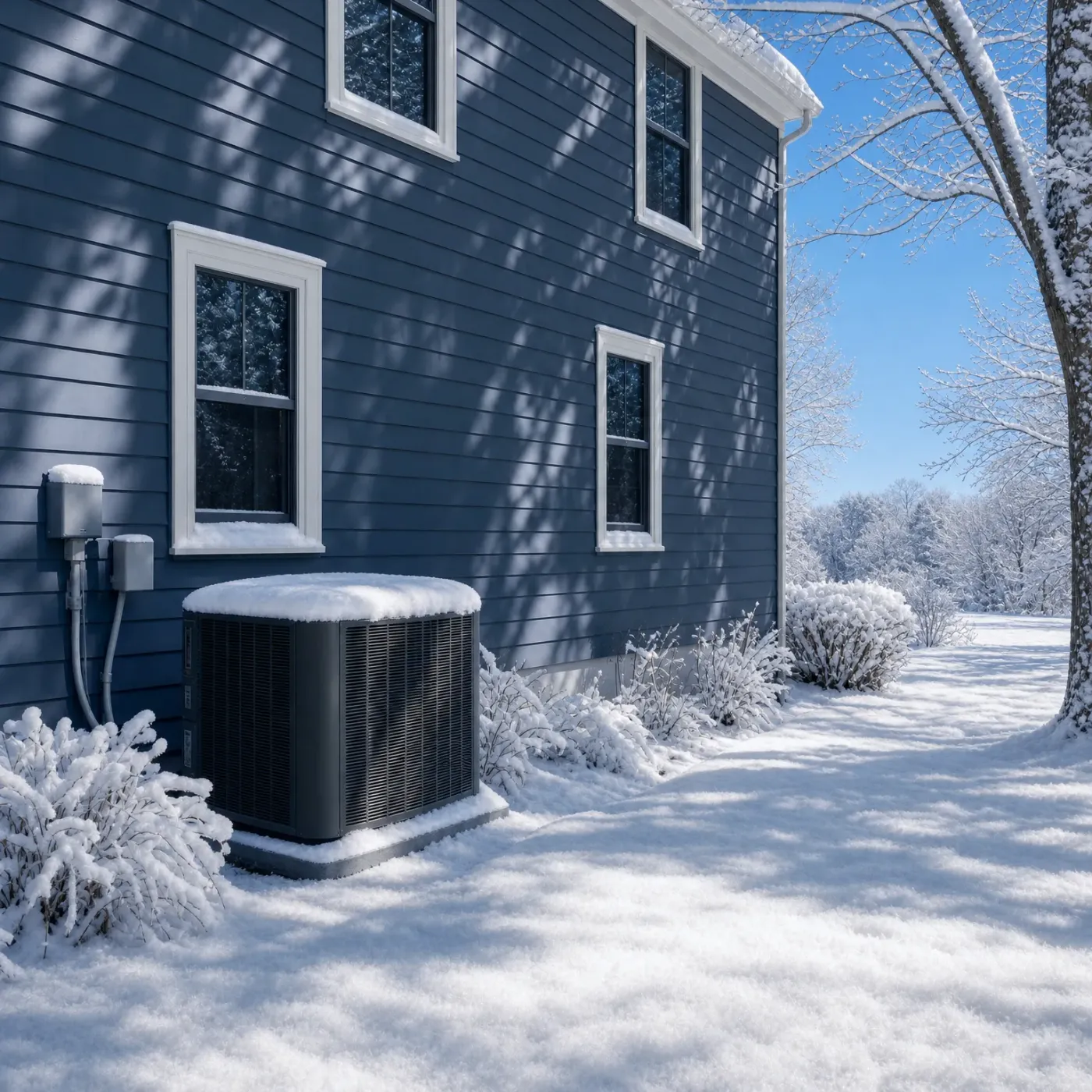
8 months of heat, October through May
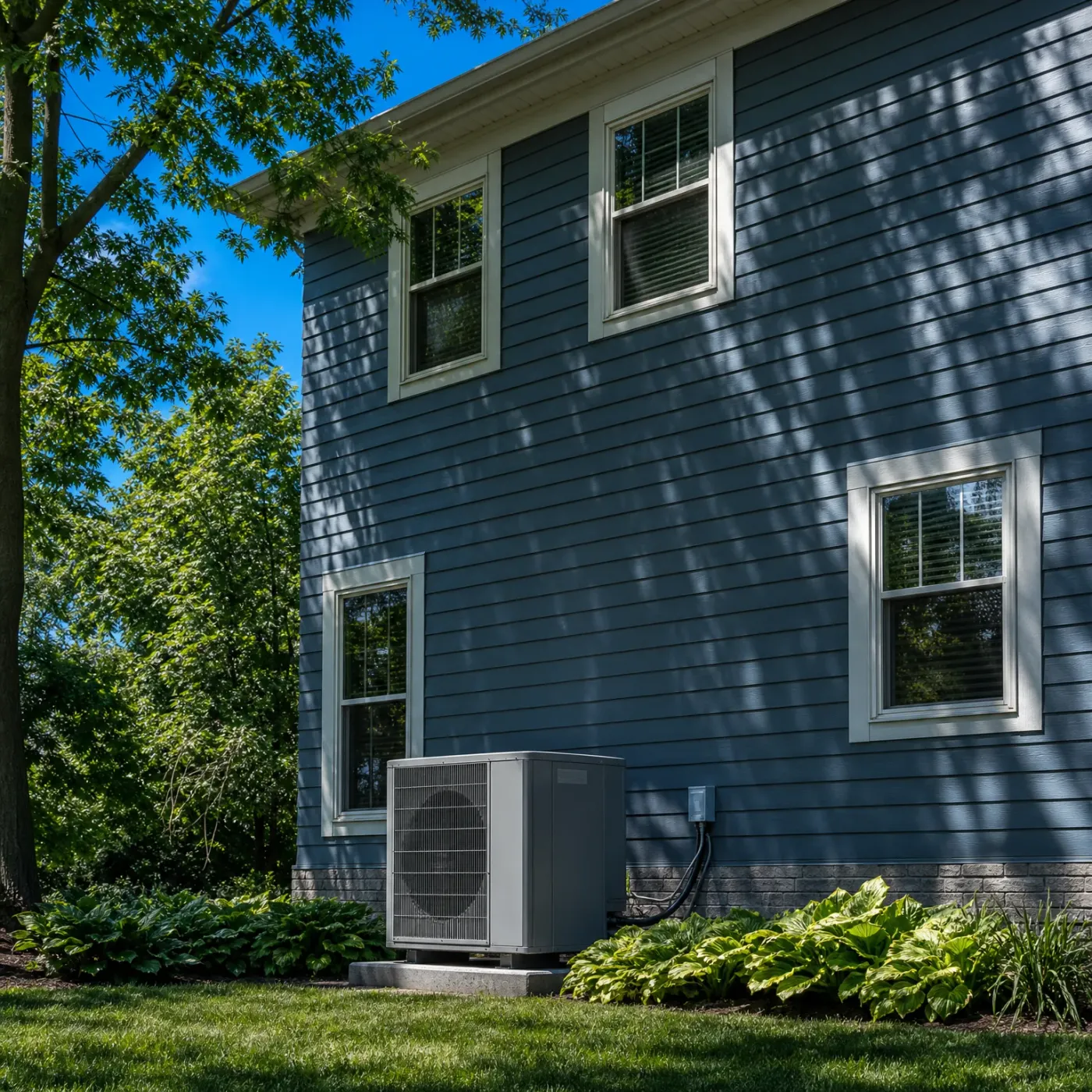
Iowa's heating and cooling needs split along two different lines, and they don't line up with each other. Homes in the north need about 11% more heat over a year than homes in the south. Cooling runs the other way. Homes in the south need about 25% more of it than homes in the north. A heat pump in Howard County and one in Lee County are doing different jobs, even if they're running the same equipment.
Howard County sits at both ends. It needs about 35% more heat over a year than Lee County, where the state's heating need is lowest. Lee County also has the mildest winter nights in the state, averaging 20°F. Osceola County drops to 10°F on a typical winter night. A heat pump there is pulling heat out of much colder air, more often, and that's where a weak defrost cycle or a struggling reversing valve tends to show up first.
On the cooling side, Fremont County needs about twice the cooling that Howard County does, the lowest in the state. More hours spent cooling means more hours the compressor and the fan motor are under load. In a county like Fremont, worn bearings or a failing capacitor are a more likely starting point than in a county that barely runs its cooling side at all.
None of this makes Iowa hard on a heat pump by national standards. Winter nights here are colder than in 40 other states, but that's still a matter of degree, not an extreme. Where you are in the state points to which side of the system has been working harder, and that's usually the fastest way to find what's actually wrong.
What does a heat pump in Iowa face?
How hot do summer afternoons get?
82°Faverage afternoon high where people live
Alaska66°F
Arizona101°F
How cold do winter nights get?
15°Faverage overnight low where people live
North Dakota4°F
Hawaii65°F
How many months does the heat run?
8 monthsof heating a year
Hawaii0 months
Alaska12 months
What does electricity cost?
13.40¢per kWh (kilowatt hours, the unit on an electric bill), what homes paid in 2024
North Dakota11.51¢
Hawaii42.86¢
How often do storms hit?
206severe weather events per county from 2015 to 2024
Alaska5
Wyoming1,057
How many homes lost power for a day or more?
15%of homes in 2024
Arizona7%
Maine54%
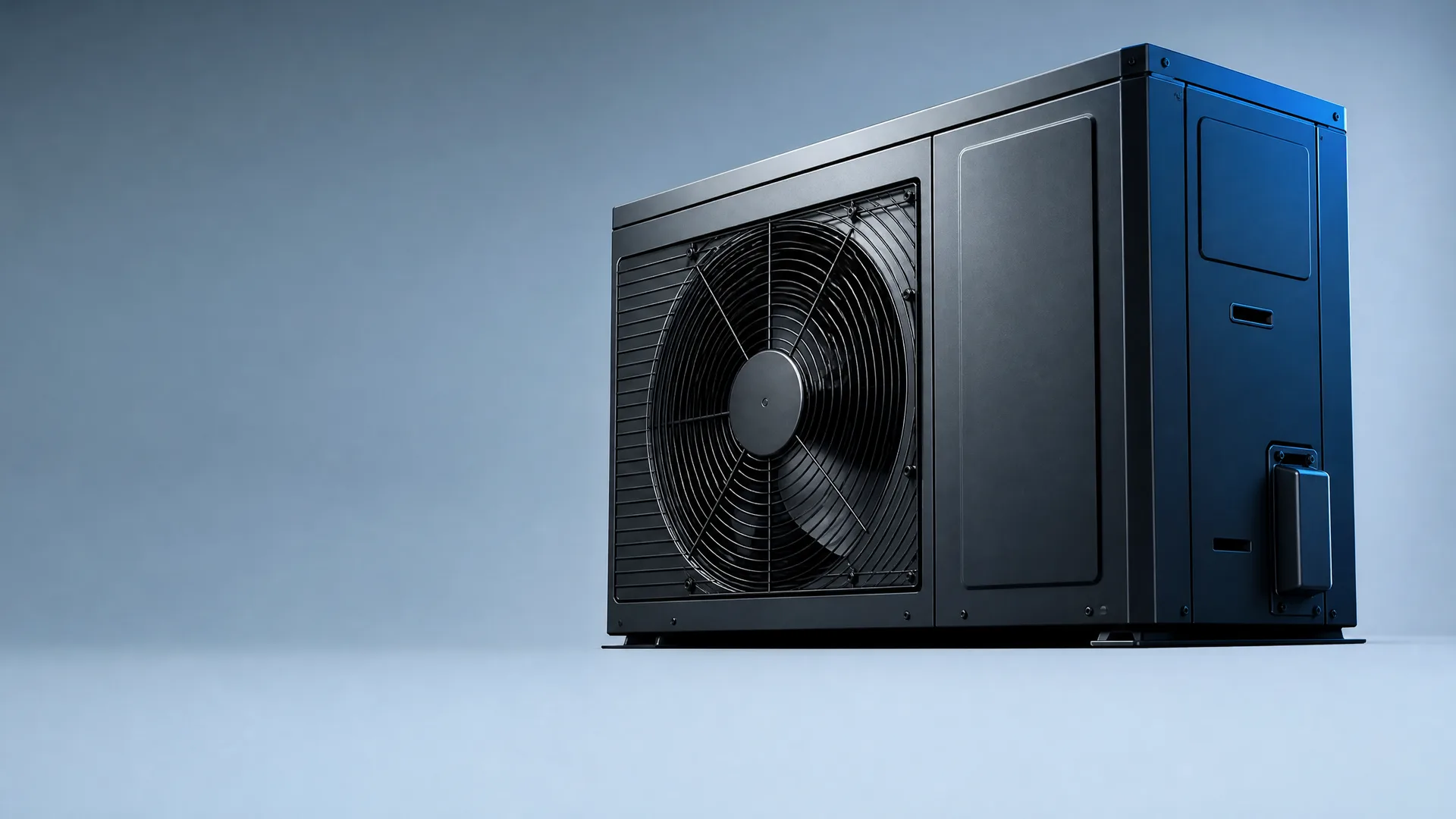
What a heat pump sounds and feels like when something's wrong
Most heat pump calls start with one of a few complaints. Air coming from the vents that doesn't feel warm enough is the most common, and it usually gets blamed on the compressor when the real problem is the reversing valve stuck in the wrong position, or a refrigerant charge that's dropped low. A system that short cycles, turning on and off every few minutes instead of running a full cycle, is often just a dirty filter choking airflow, though it can also be a failing sensor or that same low charge. A unit that sits in defrost mode too long, frosting up the outdoor coil instead of clearing it, points to the defrost control board or a sensor that's lost track of the coil's temperature. Grinding, rattling or squealing almost always traces back to the fan motor bearing or a blower wheel that's come loose on its shaft. And a heat pump that won't start at all is worth checking at the thermostat first, then the control board, then the breaker, before assuming the worst. None of these wait well. A system stuck in defrost or short cycling is working harder than it should every time it runs, and a weak part rarely gets stronger on its own.
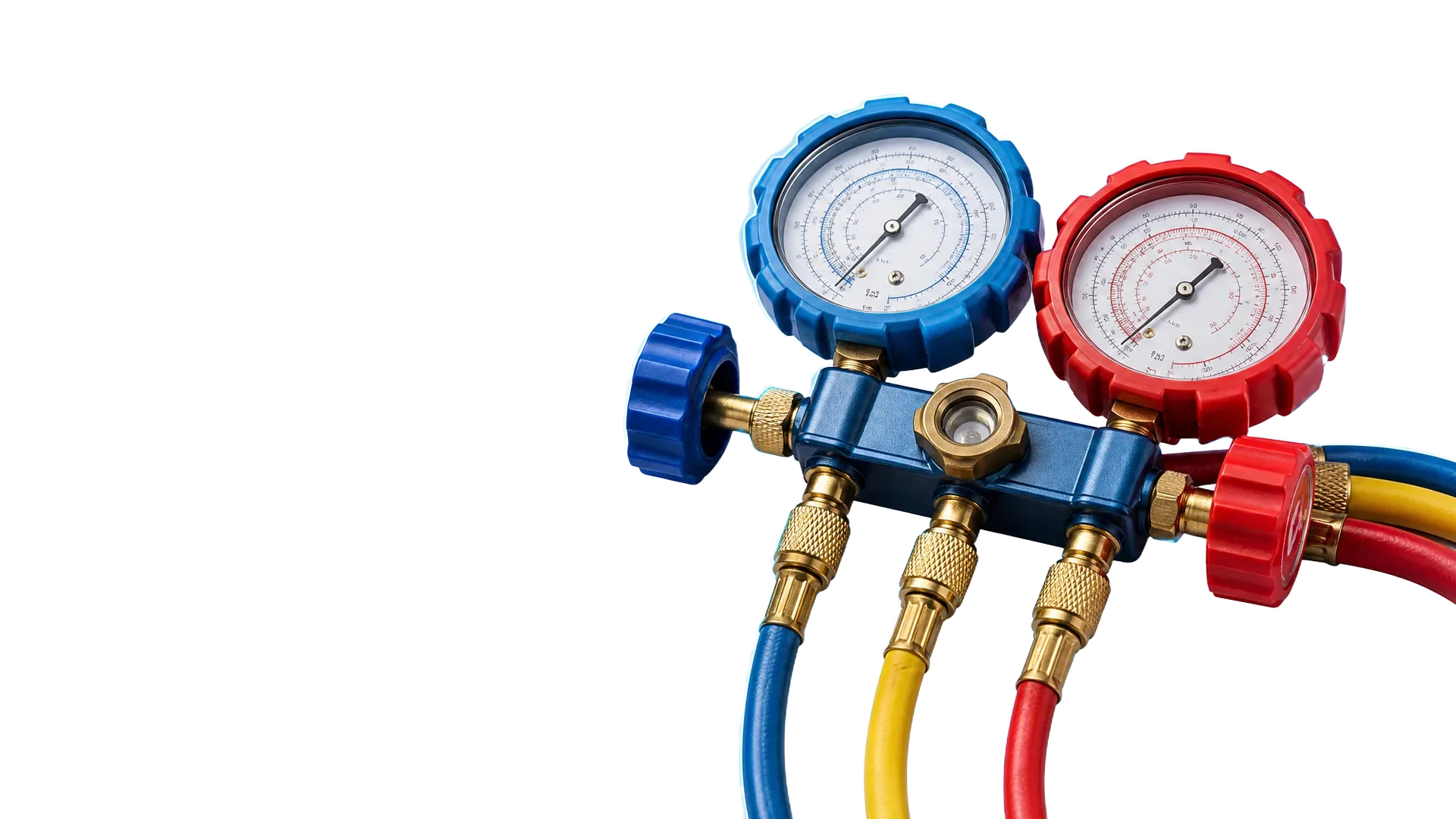
Why these parts fail
Most of what fails in a heat pump comes down to a handful of parts, and most of them fail the same way every time. A reversing valve usually sticks instead of breaking outright, often from a solenoid that's lost power or a valve body that's corroded enough to bind. Refrigerant charge drops because of a leak somewhere in the line set or at a fitting, not because it simply runs low over time. Capacitors wear down slowly, holding less charge each season until the compressor or fan motor can't get the jolt it needs to start. Defrost boards and sensors fail by losing track of what the coil is doing, calling for defrost too often or not often enough, and either one leaves ice where ice shouldn't be. Fan motor bearings wear out from years of spinning, and a blower wheel can work itself loose on its shaft the same slow way a wheel nut backs off a car. None of these parts fail because the system is old in years. They fail from cycling on and off thousands of times, and the wear shows up first in whatever part does the most starting and stopping.
If it came with the house
Half the homes in Iowa were built in 1972 or earlier, and most of the housing stock here is detached, single-family houses, the kind where one system heats and cools the whole place. That doesn't tell you what's behind your own walls or how old your particular unit is. But if the heat pump came with the house, it's worth finding out how old it actually is before paying for a repair. A reversing valve or defrost board fix is worth doing on a unit that has years left in it. It's a harder call on one that's already near the end.
A heat pump acting up here is worth fixing before the next cold stretch asks more of it.
Tell us about the job
Takes about a minute. No obligation.
Fill out the form and a licensed contractor who works on heat pumps in Iowa gets in touch.