
Furnace Installation in Iowa
Homes in Iowa are older than in 40 of the other 49 states.
Tell us about the job
Takes about a minute. No obligation.
- 15°Fwinter overnight low where people live
- 8 monthsof heat, October through May
- $9.69 per million Btuwhat homes paid for natural gas in 2024 (Btu means British thermal units, a measure of heat)
- 2,365winter storms from 2015 to 2024
Iowa furnaces work harder than most. Eight months of heat, 15°F nights.
- Northern counties need about 11% more heat than southern ones
- Winter nights average 15°F where people live
- Heat runs October through May
- 2,365 winter storms from 2015 to 2024
- Climate zones 5A and 6A across the state
- 15% of homes lost power a day or more in 2024

Your house is probably older than your furnace should be
Half the homes in Iowa were built in 1972 or earlier. If your furnace is original to the house or close to it, that's a lot of winters behind it already. An older home can still take a new furnace without trouble, but the old ductwork and venting were sized for the equipment that came with the house, not necessarily for what's on the market now. Worth having a contractor check that the new furnace matches what's actually running through your walls, not just the square footage.
September is the month to get this done. Once October hits and the cold settles in, furnace installers get busy fast, and a system that quits on you means waiting your turn behind everyone else with the same problem. Replacing it before October means you pick the day, not the weather.
Heat runs here from October through May, about eight months of the year. That's more months than 22 other states need it, so a furnace here is working through more of the calendar than most. Replacing it before the cold sets in means it's done on your schedule, not when the old one finally gives out.
Size it for eight months of work
Eight months of heat a year means a new furnace here earns its keep fast, so the size has to be right from the start. A unit too big cycles on and off and never settles into a steady run. A unit too small struggles to hold the house at 15°F overnight and ends up running close to nonstop trying. Either way it wears faster than one sized to the house. That sizing comes from a load calculation, a room by room look at the house, not a guess based on square footage.
3 months of cooling, June through August
8 months of heat, October through May
What does a furnace in Iowa face?
How cold do winter nights get?
15°Faverage overnight low where people live
North Dakota4°F
Hawaii65°F
How many months does the heat run?
8 monthsof heating a year
Hawaii0 months
Alaska12 months
What does natural gas cost?
$9.69per million Btu, what homes paid in 2024
Montana$7.77
Hawaii$53.25
How often do storms hit?
206severe weather events per county from 2015 to 2024
Alaska5
Wyoming1,057
How many homes lost power for a day or more?
15%of homes in 2024
Arizona7%
Maine54%
Cheap gas changes the math
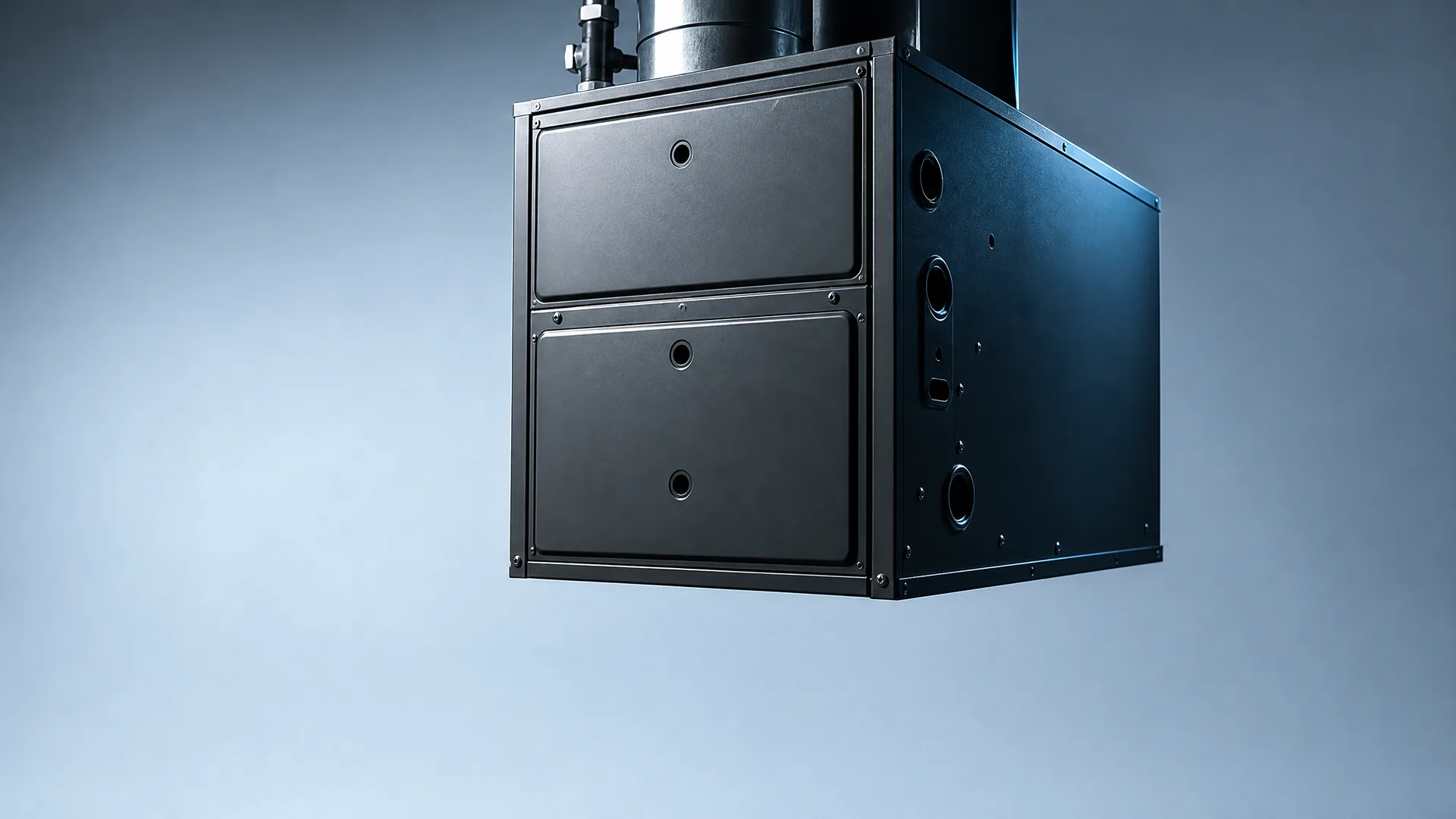
Gas here runs $9.69 per million Btu, cheaper than in most states. That changes the math on which furnace to install. A high-efficiency model still saves something on a gas bill, but it takes longer to earn back the difference, so the case for spending more up front has to rest on something besides the monthly bill. Fit and reliability carry more weight than the efficiency sticker. The furnace that matches your ductwork and runs the winter without trouble is worth more here than a slightly higher AFUE (annual fuel utilization efficiency, the share of the fuel a furnace turns into heat) number.
What the efficiency number actually measures
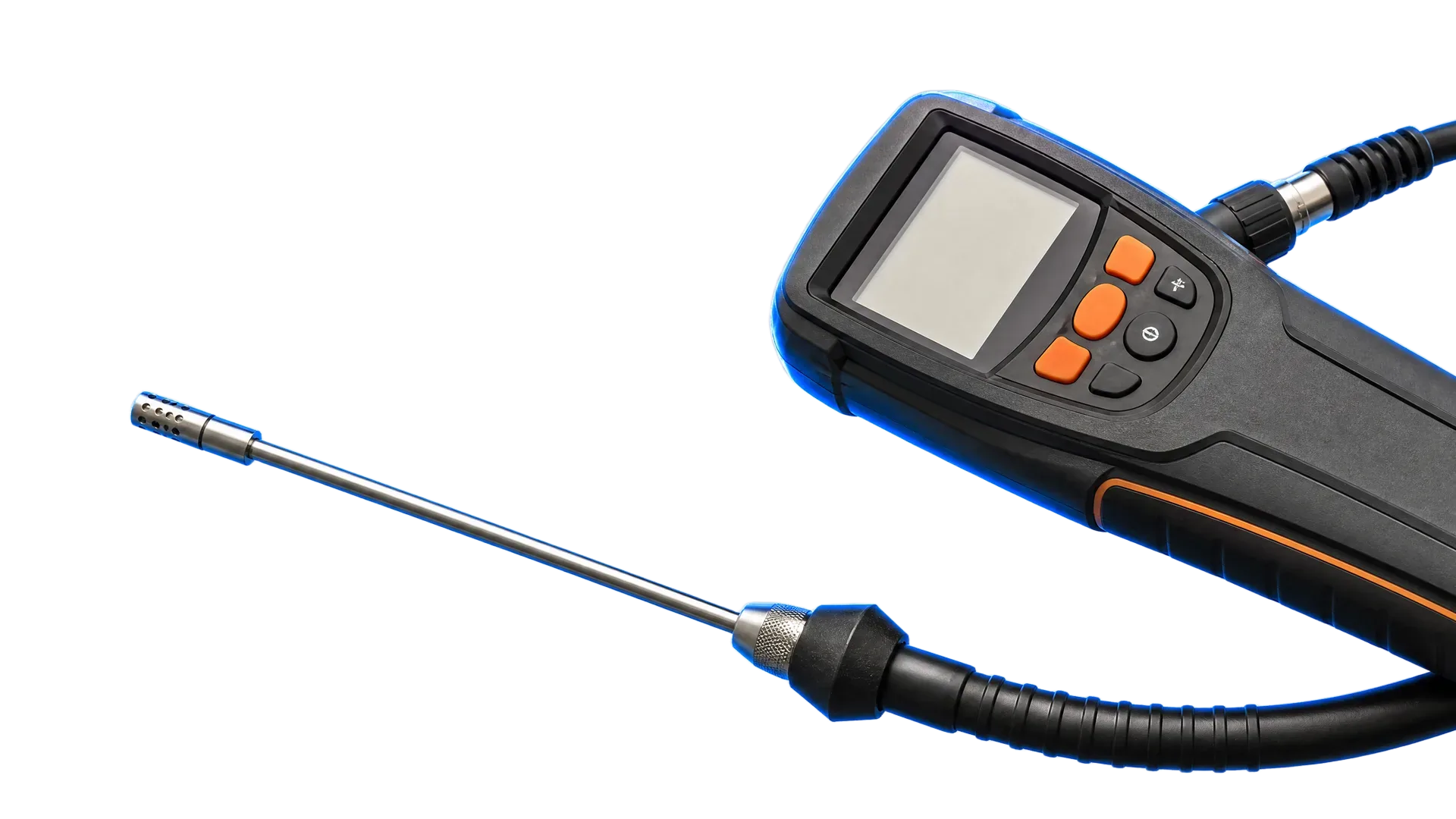
The AFUE number on the label tells you how much of the fuel burned actually turns into heat in your house, and how much goes out the flue. A furnace rated higher wastes less gas doing the same job. That number only describes the furnace itself, not your ductwork, not your vents, not how well your house holds heat once it gets there. Houses with the same furnace can still burn different amounts of gas depending on what happens after the air leaves the unit. A higher AFUE also tends to mean a different kind of venting, since the exhaust runs cooler and often needs PVC (rigid plastic pipe) pipe instead of metal. That's a real difference in installation, not just a number on a sticker. The rating tells you how the furnace performs. It doesn't tell you whether it's the right size or the right fit for what's already running through your walls.
Most homes here already run on gas
Utility gas heats 60.2% of homes in Iowa. If that's what's already running to your house, a gas furnace is the straightforward replacement. The gas line, the venting, the meter sizing, all of it is already set up for that fuel. Switching to something else means adding infrastructure that was never part of the house. Staying with gas means the new furnace slots into what's already there.
Eight months of heat a year means a new furnace here earns its keep fast.
Tell us about the job
Takes about a minute. No obligation.
Fill out the form and hear from contractors who install furnaces in Iowa.