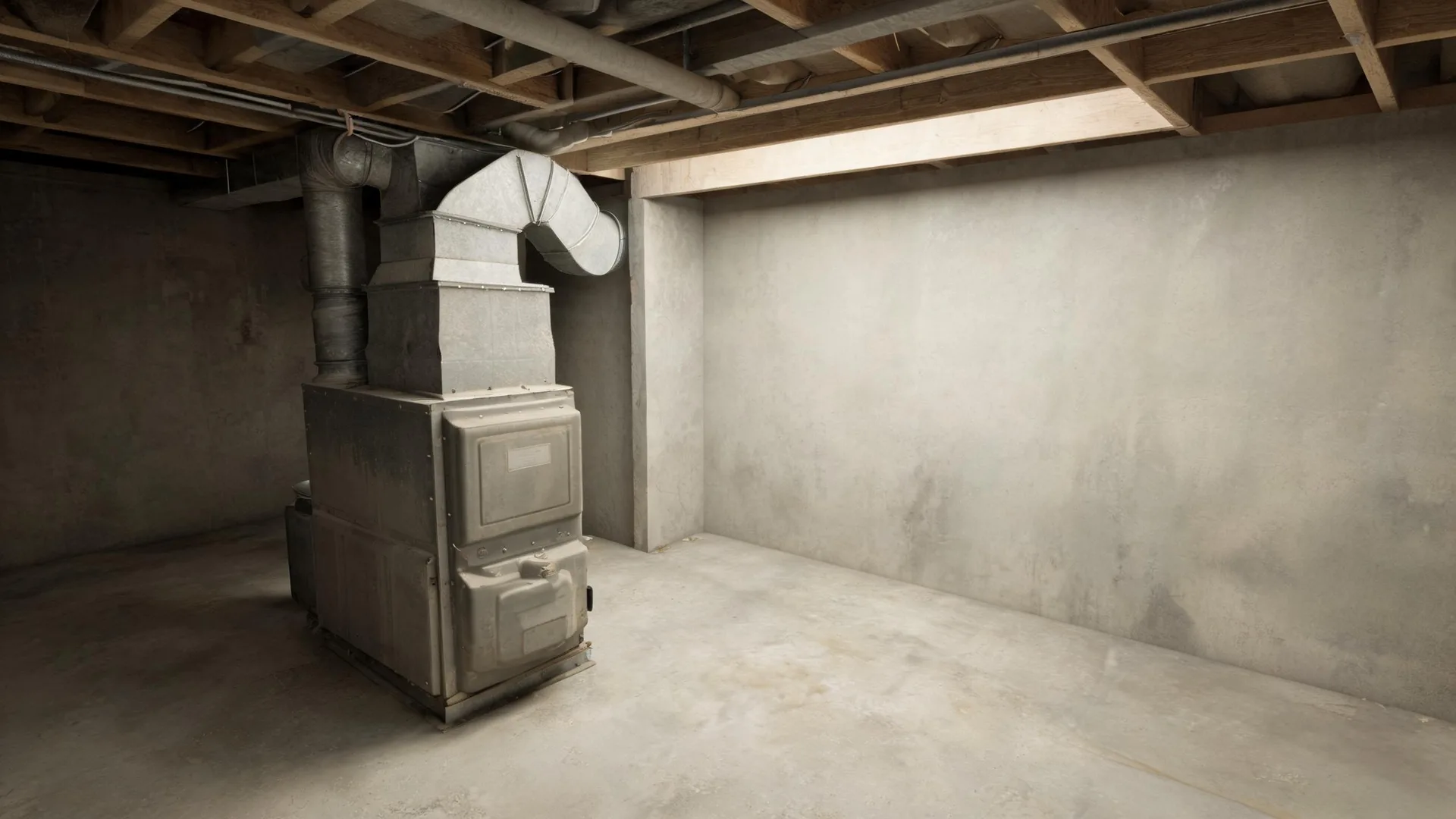
Eight months of heat a year
A furnace in Scott County runs from October through May, and overnight lows average 17°F through December, January and February. That is most of the year spent cycling on, not a few cold weeks in January.
Takes about a minute. No obligation.
A furnace in Scott County runs from October through May, and overnight lows average 17°F through December, January and February. That is most of the year spent cycling on, not a few cold weeks in January.
A furnace sized for a milder climate will come up short here. Get the new one matched to this house, so it keeps up when the temperature drops and stays dropped, and so it can handle the ice and heavy snow this county sees most winters.
NOAA nClimDiv, 1991–2020 normals
Half the homes in Scott County were built in 1972 or earlier.
A furnace going into a house that old has to match the ductwork and layout already there, not a generic install.
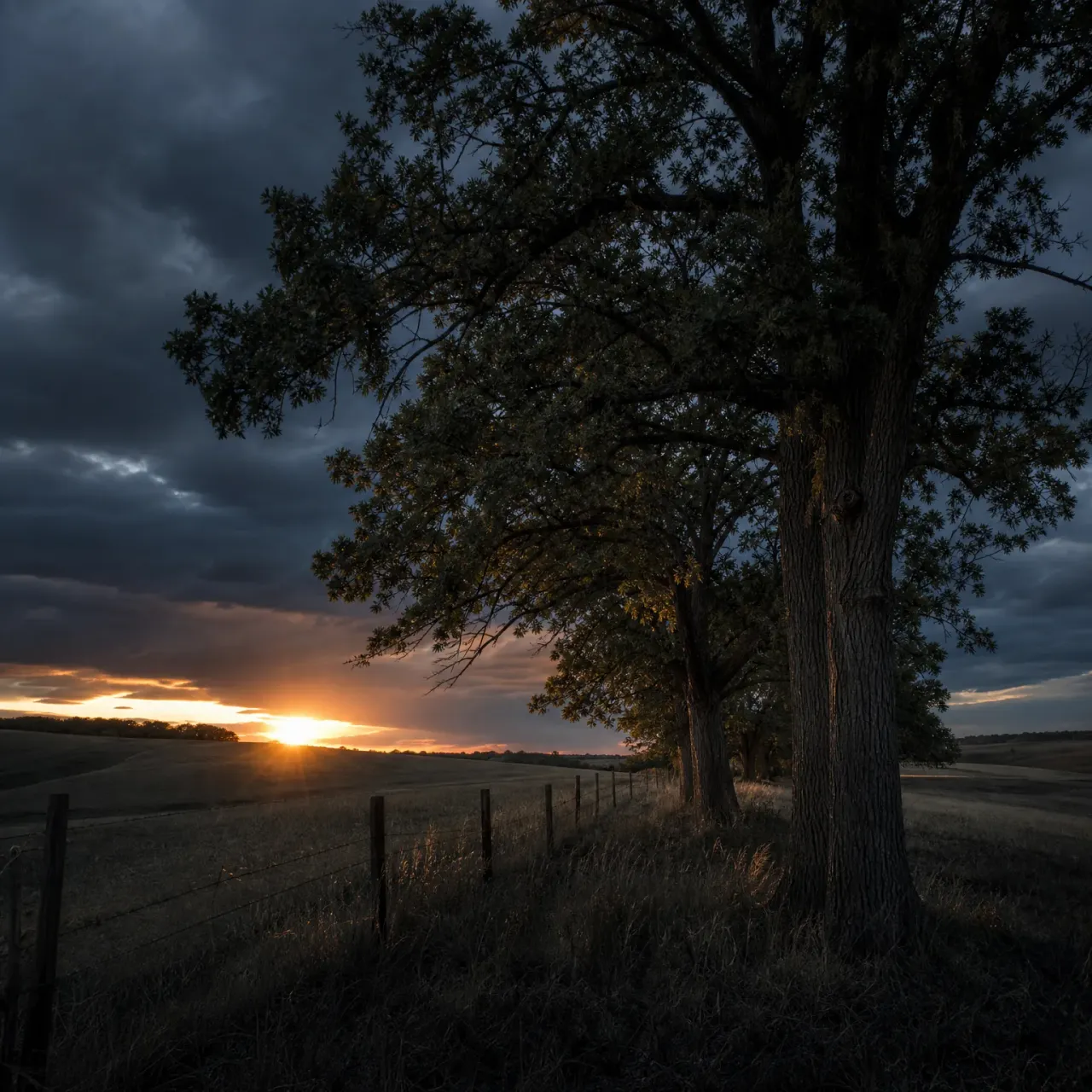



Scott County is in zone 5A, a cool, humid climate where the furnace does more of the year's work than the air conditioner. Any furnace installed here has to clear the federal minimum, which is 80 percent AFUE for a standard gas furnace. That floor moves to 95 percent AFUE in a few years, so furnaces sold today still fall under the current rule. A contractor can show which models clear it and by how much. The federal tax credit for qualifying high-efficiency furnaces is worth checking too, since it can offset part of the cost of going above the minimum.
Gas heats 74 percent of homes in Scott County, more than any other fuel. Furnaces are built to run on it. Replacing the one you have with another gas furnace keeps the gas line, the vent, and the ductwork doing the same job they already do.
Find a contractor
What a furnace costs to put in comes down to how much has to change, not just the unit itself. If the new one is the same size and the same fuel type going into the same spot, a contractor can usually reuse the gas line, the vent and the ductwork already there. That keeps the job simple. Everything changes when the house needs a different size furnace than it had, because a bigger unit can need a bigger gas line or a different vent to move the exhaust safely. Ductwork matters too. If the old system was never balanced right, or a room never got enough air, this is the point where a contractor can fix that, but reworking ducts costs more than reconnecting them as they are. The other piece is efficiency. A furnace with a higher AFUE rating usually means a different venting setup, since those units vent through plastic pipe out the side of the house instead of a metal flue. That is more work than swapping one furnace for another of the same kind, but it is also the kind of work that only has to happen once.
The rating on the label is a percentage, and it tells you how much of the gas burned turns into heat for the house. The rest goes out the flue. A higher rating means less gas wasted per cycle. It says nothing about how big a space the furnace can heat or how fast it does it.
Furnaces with the same AFUE rating can still put out very different amounts of heat. The rating only describes efficiency at that output, not whether the output matches the house. A contractor still has to run a load calculation to size the unit. Buying on the rating alone can leave you with a furnace that's efficient but wrong for the space.
Estimates for a typical Scott County home, from EIA household energy data, Iowa fuel prices and NOAA climate normals. Your home will differ.
Installation day starts with the old furnace coming out, not the new one going in. The gas gets shut off and the line checked before anything is disconnected. Once the old unit is clear, the contractor sets the new one in place and connects the gas line, the vent and the ductwork, then wires it to the thermostat. Startup comes next. The contractor checks gas pressure, checks the flame, and watches that the inducer motor and blower both run the way they should. The last step is a draft check, making sure the exhaust is actually leaving the house instead of backing up. A furnace that passes all of that gets left running so you can feel heat coming through the vents before anyone packs up.