Furnace Maintenance in Iowa
Homes in Iowa are older than in 40 of the other 49 states.
Tell us about the job
Takes about a minute. No obligation.
- 15°Fwinter overnight low where people live
- 8 monthsof heat, October through May
- $9.69 per million Btuwhat homes paid for natural gas in 2024 (Btu means British thermal units, a measure of heat)
- 2,365winter storms from 2015 to 2024
Eight months of heat wears parts fast Worst on the coldest nights here
- Northern counties need about 11% more heat than southern ones
- Winter nights average 15°F where people live
- Heat runs October through May
- 2,365 winter storms from 2015 to 2024
- Climate zones 5A and 6A across the state
- 15% of homes lost power a day or more in 2024
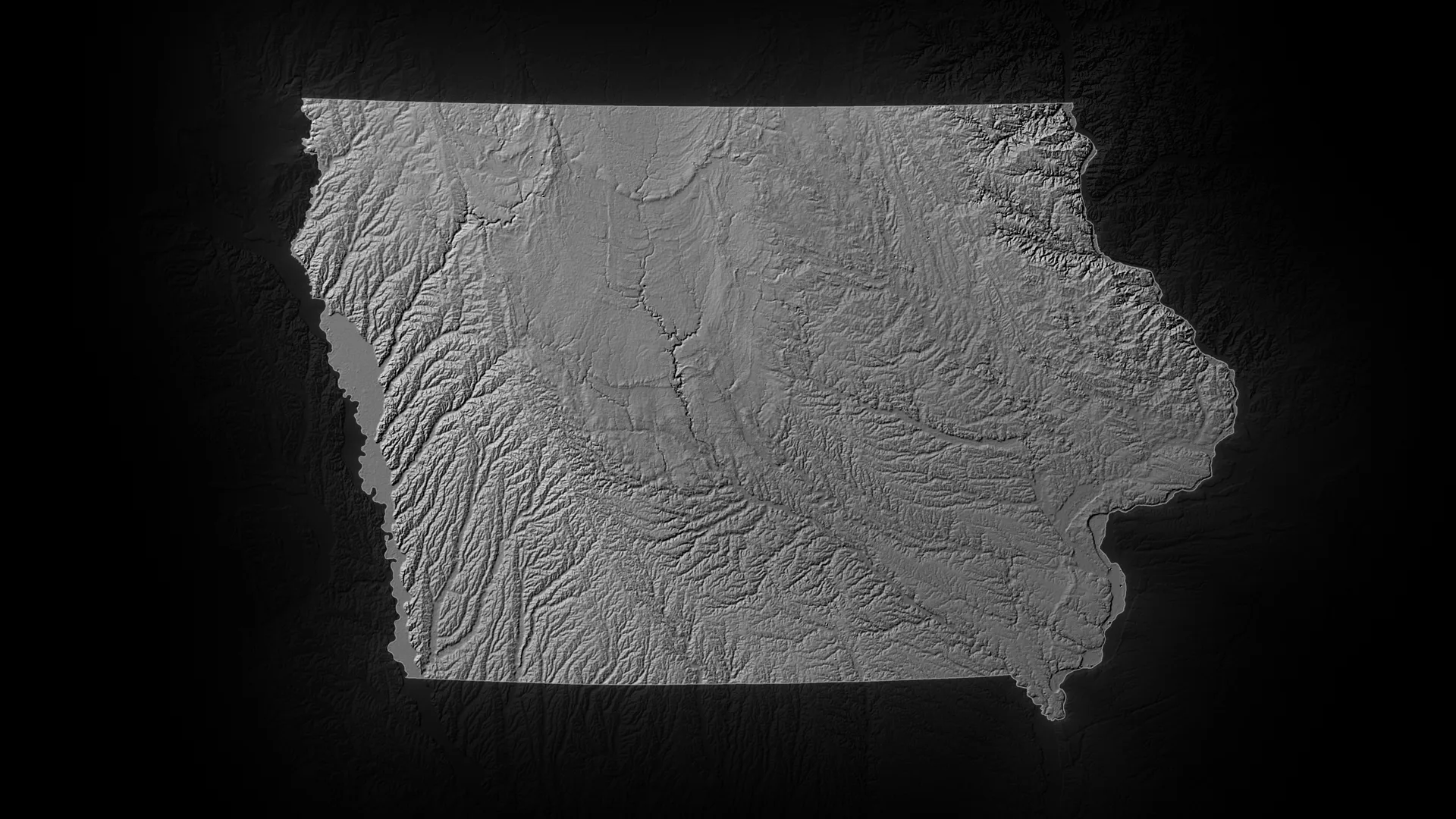
Half of Iowa's homes were built in 1972 or earlier
October through May, that furnace does not get a break. Booking a check in September means a tech can catch a weak igniter or a cracked heat exchanger before the first cold night asks the system to run for hours straight.
Iowa needs heat for more months than 22 other states, and that stretch adds up on a furnace. Parts that might last a few more years somewhere milder are already worn down here, so a look before October tells you what the system can actually handle this winter.
The coldest nights ask the most of it
Overnight lows average 15°F through December, January and February, and those are the nights a furnace runs longest without shutting off. A weak part that gets by on a mild evening won't get by on one of those. That's the stretch to have it checked for ahead of time, not during.
3 months of cooling, June through August
8 months of heat, October through May
North and south don't need the same amount of heat. Homes across Iowa's northern counties need about 11% more heat over a year than homes across its southern counties, and the gap is widest between two specific places. Howard County needs about 35% more heat over a year than Lee County, where the state's heating need is the lowest in Iowa.
Lee County also has the mildest winter nights in the state, averaging 20°F through December, January and February. Osceola County has the coldest, averaging 10°F those same months. A furnace in Osceola is being asked to do more on an average winter night than a furnace in Lee, and that shows up in how soon parts wear.
If you're in Howard, Osceola or another northern county, get the check done before October. The furnace there is working from a harder starting point once the cold sets in.
If you're in Lee or elsewhere in the south, the system still runs eight months a year like the rest of the state, but it isn't working against nights as cold as the north sees. A check before October still matters. It just isn't carrying the same load once it's running.
What does a furnace in Iowa face?
How cold do winter nights get?
15°Faverage overnight low where people live
North Dakota4°F
Hawaii65°F
How many months does the heat run?
8 monthsof heating a year
Hawaii0 months
Alaska12 months
What does natural gas cost?
$9.69per million Btu, what homes paid in 2024
Montana$7.77
Hawaii$53.25
How often do storms hit?
206severe weather events per county from 2015 to 2024
Alaska5
Wyoming1,057
How many homes lost power for a day or more?
15%of homes in 2024
Arizona7%
Maine54%
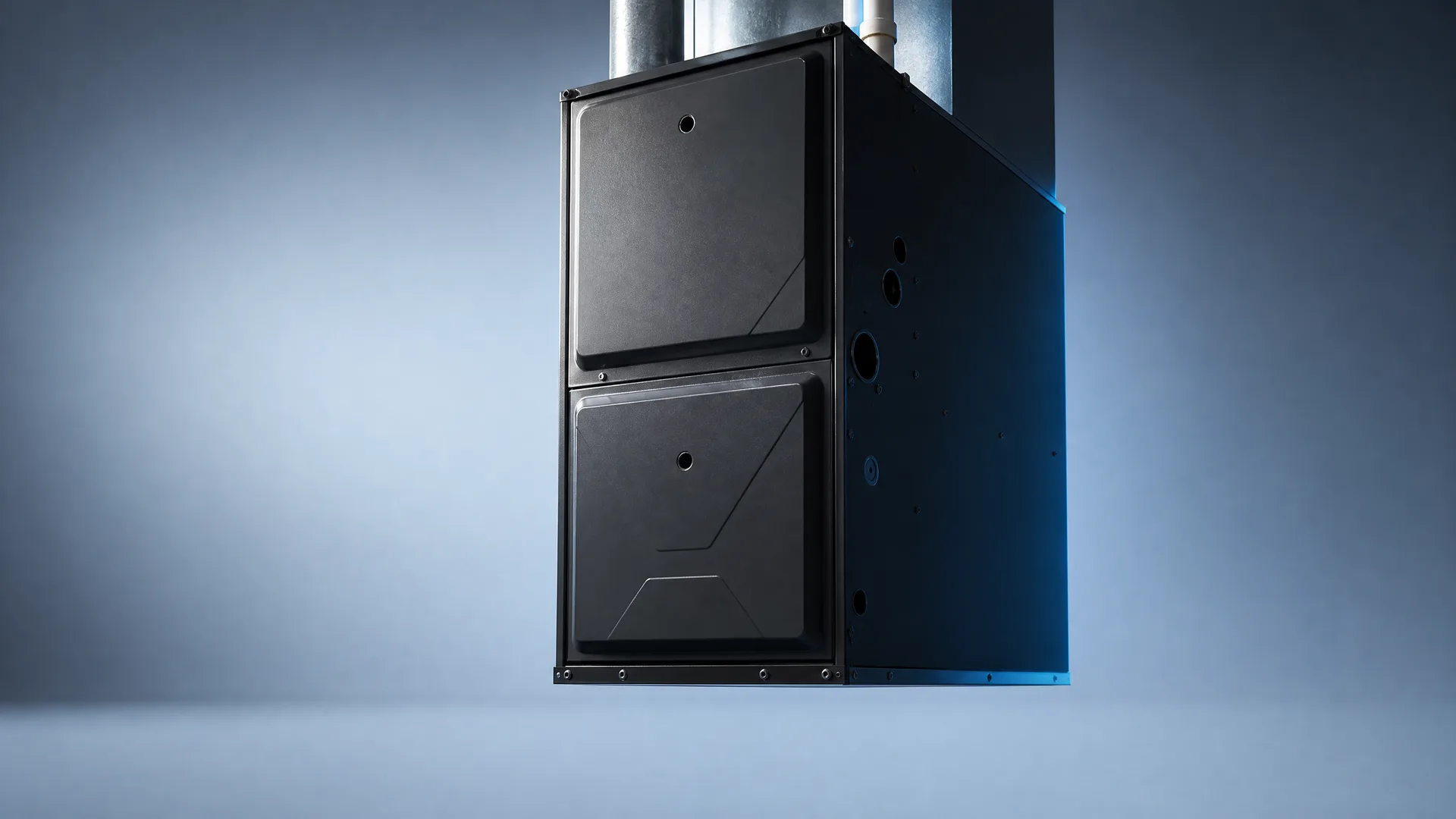
What a working furnace can still be hiding
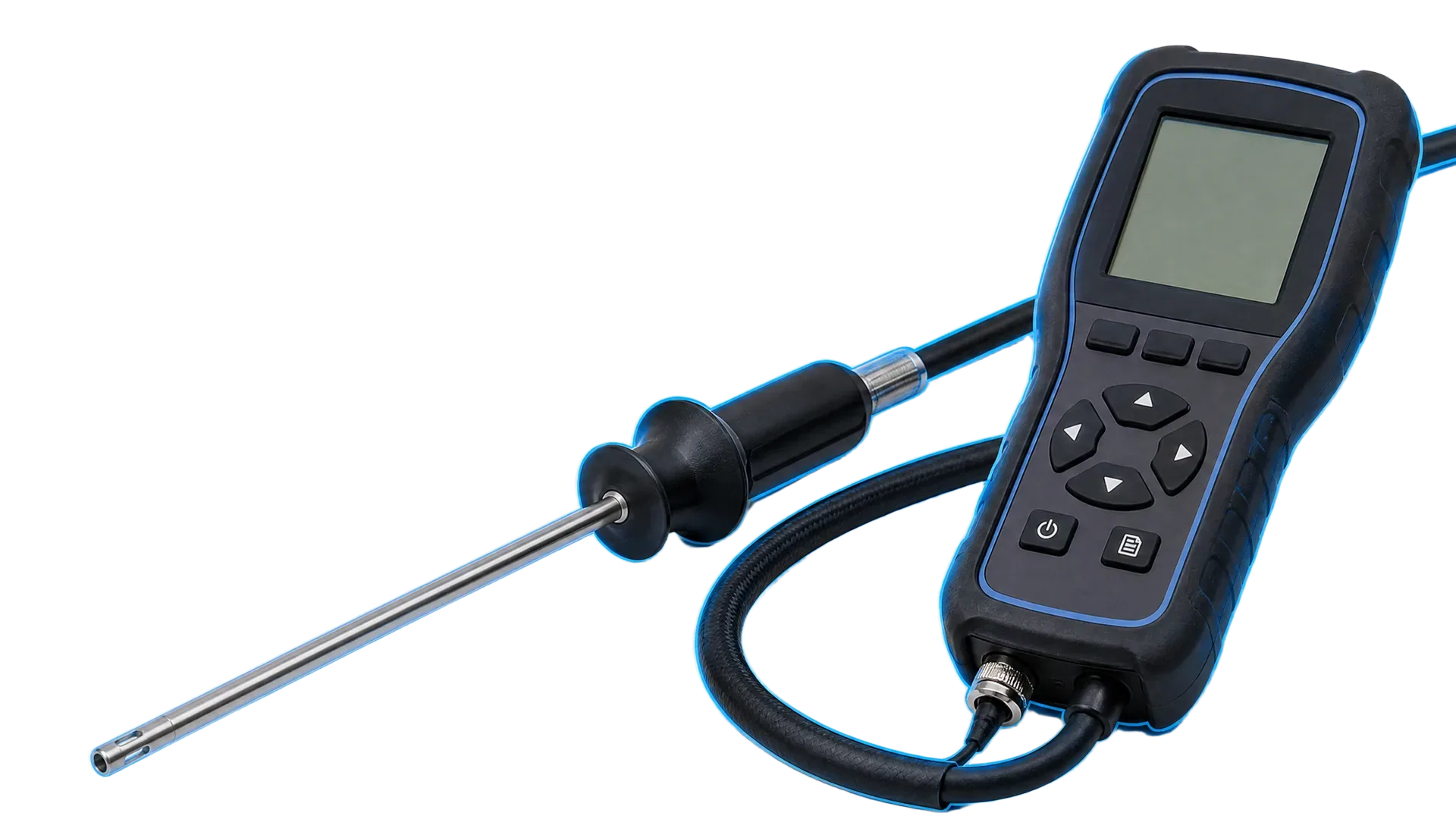
A furnace can run every cycle without complaint and still be worse off than it was last year. The flame sensor builds up a film from normal combustion, and that film can make the burner shut off early or refuse to stay lit at all, but you won't see it unless someone pulls the sensor and looks. A heat exchanger can develop a crack in a spot buried behind the burner assembly, invisible from outside the cabinet, and that crack can let combustion gas mix into the air the blower is pushing through the house. The blower wheel itself collects dust on every blade over time, and a dirty wheel moves less air while the motor works the same as always to push it. Gas pressure at the valve can drift from the range it was set to, which changes how clean the burners fire without making any sound or smell you'd notice. None of this looks like a problem from the thermostat. A tune-up means someone opens the cabinet, pulls the sensor, checks the exchanger with the tools made for that job, and measures what the gas valve is actually doing instead of trusting how the house feels.
What skipping it actually leaves behind
A furnace that never gets opened up doesn't fail all at once. Dust builds on the blower wheel a little more with every cycle, and the motor pushes harder to move the same air, straining a part that was never checked against what it's supposed to draw. A flame sensor left coated with film will eventually stop sensing the flame at all, and the furnace will shut itself off as the only safe response, usually on the night you need it least to quit. A cracked heat exchanger doesn't announce itself either. It gets worse cycle after cycle until the crack is large enough to matter, and by then the fix is a lot more involved than cleaning a sensor would have been. Skipped maintenance doesn't make a furnace break. It just means nobody caught the small failure while it was still small.
Most furnaces here burn gas, not just blow air
Most of Iowa heats with gas. Utility gas is the main fuel in 60.2% of homes here, and another 12.6% run on bottled or LP gas. That means most furnaces in this state are burning something, not just moving air with a heat strip. A gas furnace needs its burner, venting and safety controls checked every year, not just a filter swap. The flame sensor, the heat exchanger and the gas pressure at the valve all sit downstream of combustion, and none of them show a problem until someone opens the cabinet and looks.
Eight months of heat a year wears a furnace down before you notice.
Tell us about the job
Takes about a minute. No obligation.
Fill out the form once, and a licensed Iowa contractor takes it from there.