





An unfinished basement interior featuring a large metal furnace unit, exposed ceiling joists, concrete walls, and scattered boxes and cables on the floor.

Furnace Maintenance in Sioux City, IA

Tell us about the job

Takes about a minute. No obligation.

Tune-up, service, or cleaningFurnace or heatingWoodbury County, IA
Step 1 of 2

What ZIP code is the job in?

Eight months of heat, October through May, is a long stretch to ask of one machine. Most places get a break somewhere in there. Here the furnace barely gets one. That stretch is why parts wear down faster than the specs on the box suggest. An igniter or a blower motor doesn't care what the calendar says, only how many hours it has run. Eight months a year adds up fast.

Half the homes in Woodbury County were built in 1959 or earlier.

A furnace that old has been running on the same ducts and connections for decades, so a yearly check matters more.

Almost six in ten homes here heat with gas, and gas heat means a flame to check

59.8% of homes heat with gas
Heat runs October through May
Winter nights average 14°F
Get It Checked Before OctoberFurnace season here starts in October, so September is the month to get it checked.

If your furnace came with a house built decades back, nobody's replaced the ductwork or the gas connections since. A yearly check is when a contractor gets eyes on those connections before a small leak or a cracked heat exchanger turns into a bigger problem. It's also when worn parts like a weak igniter or a slipping belt get caught while they're still cheap fixes. Skip a few years on an older system and the first sign of trouble might be a furnace that won't start on the coldest night of the year.

Get it checked before the eight months of heat begin

Eight months of running time wears parts down faster. Get the furnace checked before October, while a weak igniter or blower motor can still be caught and fixed before it has to carry the season.

Find a contractor
A man in a cap, dark T-shirt and tan work pants carries a canvas tool bag up wooden porch steps toward a gray front door, with a potted shrub beside the entry.
A gas furnace with attached ductwork, gas piping, and condensate lines installed in a concrete-block basement.

What a Look Inside Finds

A flame that looks fine to you can be burning wrong. Too much air or too little, and the burner runs rich or lean without any sign you'd catch by looking. A technician checks the flame color and shape against what that burner should show. The heat exchanger is the other blind spot. A hairline crack in it won't smoke or smell, not at first, but it lets combustion gas mix into the air moving through your house. That crack doesn't show up by listening to the furnace run. It shows up when someone opens the cabinet and looks, sometimes with a camera, because the crack can sit on a part of the exchanger you'd never see otherwise. Pressure switches and limit switches get tested too, since a switch that's gone bad can still click and hold like it's working right up until the day it doesn't. None of this is guesswork. It's checking the parts that fail quietly against the readings that say whether they're still doing their job.

The Filter Feeds Everything

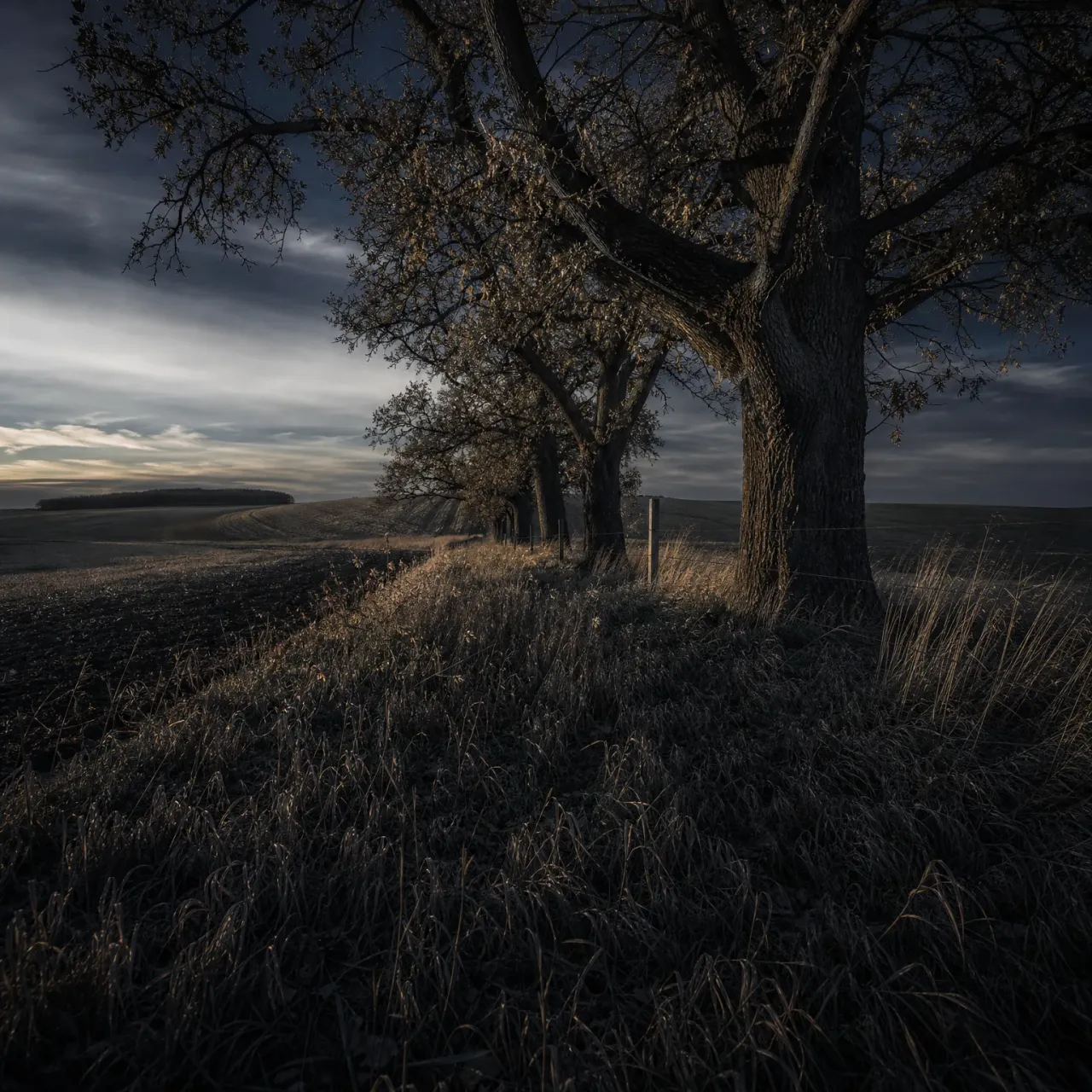
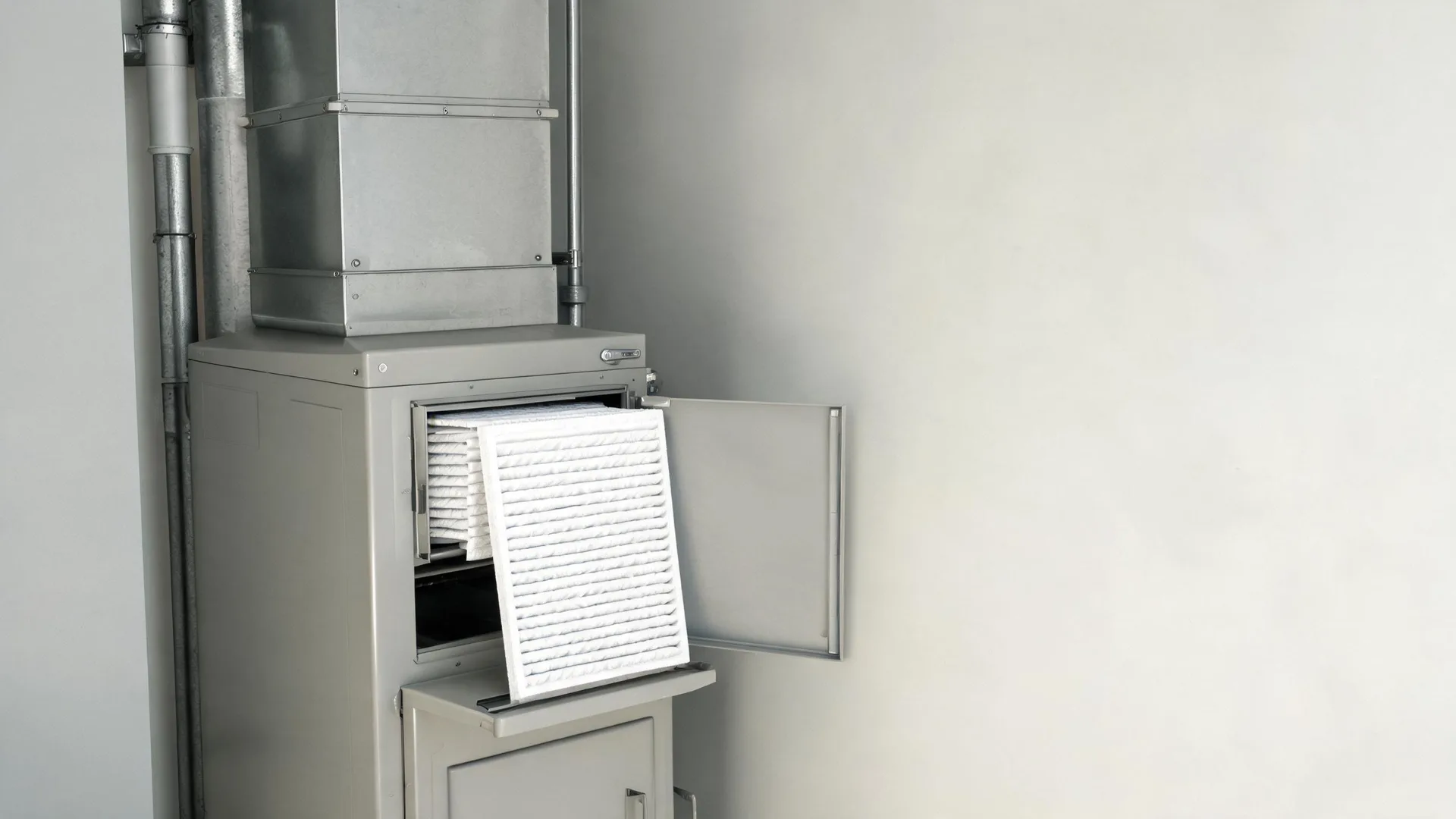
A dirty filter chokes the air moving across the heat exchanger. The blower has to work harder to push the same amount of air through, and the exchanger runs hotter than it should. Over time that heat stress is what opens up a crack in the metal. Most of what drives a furnace to early failure starts with air that isn't moving the way it was designed to.
The Drain Line Isn't Optional

A high-efficiency furnace pulls extra heat out of the exhaust, and that process condenses water that has to go somewhere. The drain line and condensate trap carry it out. If that line clogs or the trap dries out, water backs up into the furnace itself, and the safety switch shuts the whole system down. It's not a dramatic failure, just a furnace that won't run until someone clears the line.

A quick tune-up is a filter swap and a look at the flame. That's it. A thorough one checks the things that actually cause no-heat calls. Amp draw on the blower motor, so a bearing that's starting to fail shows up as a number instead of a guess. Static pressure in the ducts, because that tells a technician whether the furnace is breathing the way it was designed to. Gas pressure at the manifold, checked against the rating plate, not eyeballed. The flame sensor gets cleaned or replaced instead of just glanced at. If the visit ends with a filter change and nobody opened the cabinet to look at the heat exchanger, that's the short version of the job, not the real one.

A tune-up has an order to it, and skipping steps is how problems get missed. It starts with power off and the burners inspected before anything is cleaned or tested. Dust and lint get cleared from the burner assembly, since a dirty burner can't hold the flame pattern it was built for. Electrical connections get checked for anything loose or corroded, because a connection that's heating up on its own is a failure waiting to happen. The blower wheel gets inspected for the dirt and buildup that throw it out of balance over time. Every safety control gets tested on purpose, not assumed to work because the furnace ran fine last winter. The last step is putting it all back together and watching it run through a full cycle, start to shutdown, to see that everything does what it's supposed to do.