

A dark gray furnace with two access panels stands in a basement, connected to galvanized sheet-metal ductwork and PVC pipes, with exposed wood framing and a bare bulb light in the background.

A local pro for your furnace maintenance

When a furnace flame sensor needs cleaning in Iowa

A dirty flame sensor is behind a lot of furnace trouble calls in Iowa, usually the furnace that fires up and quits a few seconds later, or won't light at all. This page gets into how to tell when that's what's going on and how often it needs attention. If you'd rather hand it off, submit your information and a contractor who covers your area will follow up.

Get matched

A flame sensor needs cleaning about once a year, and most furnaces in Iowa are running from October through April, so that long a stretch of use is what coats the sensor with a thin film. That film blocks the signal the sensor sends to confirm a flame is burning, and once it can't send that signal, the control board shuts the gas off as a safety measure. That's the furnace that lights, runs a few seconds, then quits. It will keep doing that each time it tries to restart. Some furnaces make it through a winter without trouble, but if yours starts short-cycling partway through the season, a sensor due for cleaning is the most likely reason, more likely than a bad igniter or a wiring problem. A contractor can clean it in a single visit as part of a furnace tune-up.

A gray high-efficiency furnace stands on a concrete basement floor beside galvanized sheet-metal ductwork, white PVC vent pipes, copper and black piping, and unfinished wood stud framing.

Sensor doing its job

The furnace lights, the burners stay on, and the blower pushes warm air through the ducts without interruption. The flame sensor is reading a steady flame and telling the control board to keep the gas valve open. You don't notice it because there's nothing to notice.

A gray furnace with two access panels stands on a concrete basement floor beside sheet-metal ductwork, with pipes, flexible conduit and an electrical box on the concrete wall to the left.

Sensor coated over

The burners light, then shut off a few seconds later, sometimes over and over before the furnace gives up and locks out. The sensor can't find the flame through the film on it, so the control board cuts the gas rather than risk letting it run unchecked.

How do I know if my flame sensor needs cleaning?

You've noticed your furnace acting up and you're trying to figure out if the flame sensor is the reason before you call anyone. Maybe it fired up fine yesterday and today it won't stay lit, or it shut off after a few seconds the last few times you ran it. You want to know what to actually look for, not just a guess, before you decide this is worth dealing with now.

The furnace shuts off a few seconds after it lights

That's the clearest sign. The burners light, you feel warm air start, and then within seconds the furnace shuts itself off, sometimes trying again two or three times before giving up. That's the control board reading a weak or missing signal from the flame sensor and cutting gas to the burners as a safety measure. It's doing exactly what it's supposed to do. A furnace that won't light at all, or one that runs for a minute before quitting, points the same direction. If your furnace has been running steady since October and this is new, the timing fits. A sensor coated with a year of buildup reads less flame than is actually there, and the board responds the only way it knows how.

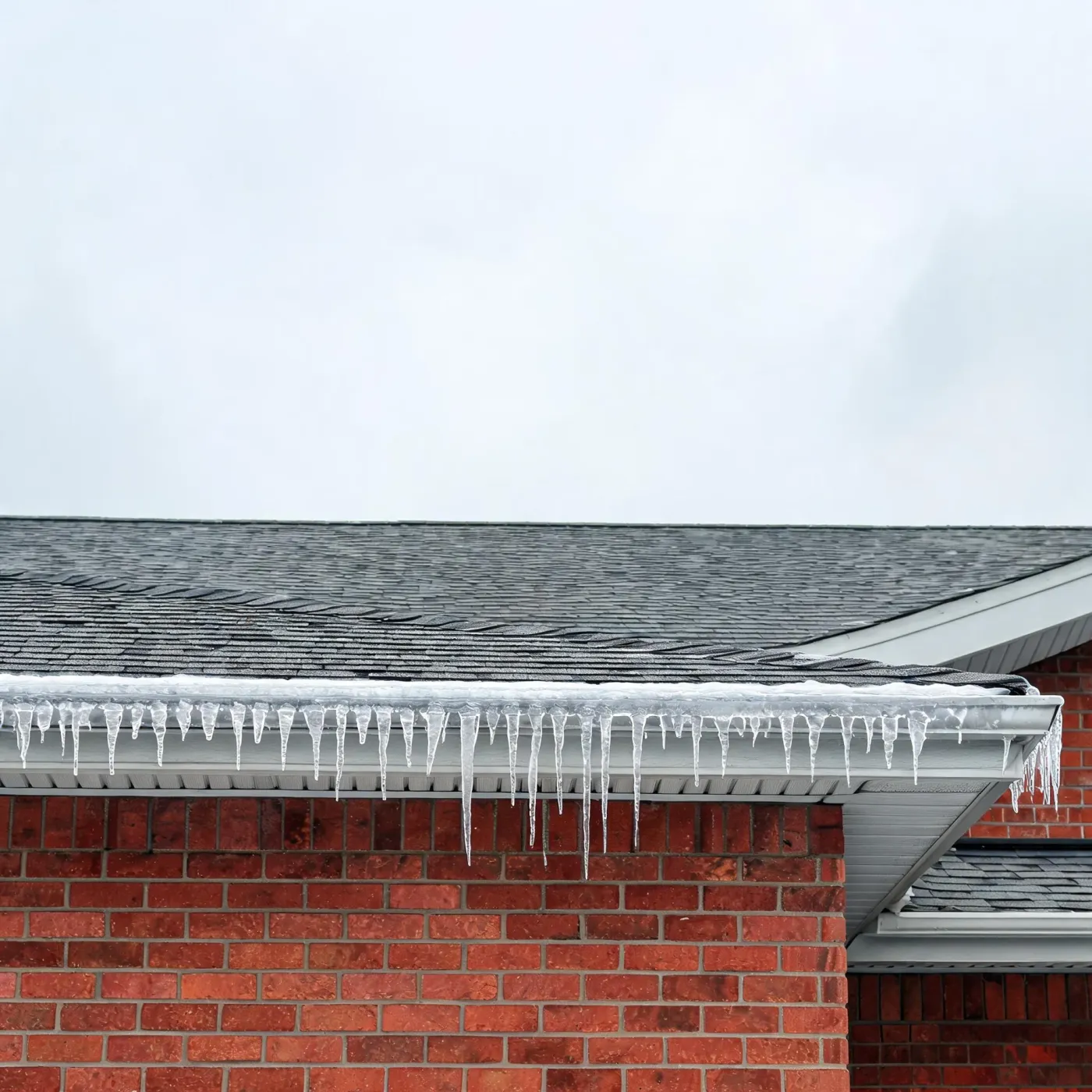
Icicles hanging from a white gutter along the edge of a gray shingled roof on a red brick house, under an overcast sky.

Winter nights average 15°F statewide, and that's the stretch where a dirty flame sensor shows up fastest. A furnace already working harder to keep up with cold like that is cycling more often, and every cycle is another chance for a weak signal to shut the burners down early. You'll notice it as a house that won't quite hold its temperature, or a furnace that clicks on and off more than it used to on the coldest nights. Once you send the form, you're done hunting for someone to look at it. The next step is on a contractor who takes furnace work in your area, and they'll be the one reaching out. Source: NOAA climate normals.

NOAA nClimDiv 1991-2020 county normals weighted by homes

Get the right pro for your furnace

A furnace that short cycles on a January night isn't a small thing in Iowa. At 15°F outside, a furnace that quits every few minutes buys you maybe an hour before the house feels it, and a flame sensor caked with residue doesn't fix itself between cycles. You can clean one yourself if you're willing to shut off the gas, pull the sensor, and go at it with a light grit pad, but plenty of homeowners would rather not be under the furnace with the power off during a cold snap, and a sensor that's cracked or pitted needs replacing, not cleaning. A contractor who works on furnaces in your area can tell you which one you're dealing with in the time it takes to check. Send the request and that part of it is off your plate.

What a Dirty Sensor Costs You

  • A flame sensor coated with a thin film stops sending the signal that keeps the gas valve open.
  • Cleaning it once a year is usually enough to stop the short cycling that shows up by midwinter.
  • A furnace that fires up and quits within seconds is the clearest sign the sensor needs attention now.
  • Iowa winters that sit around 15°F mean more cycles, and more cycles mean the film builds up faster.
  • Once a contractor is matched to your address, getting the sensor cleaned is no longer something you have to chase down.
  • A short, low-cost visit now is what keeps a January night from turning into a furnace that won't stay lit at all.

A flame sensor is a small part with one job, and when it's coated it can't tell the control board that a flame is burning. The board responds the only way it knows how, by shutting the gas valve. That's the furnace firing and quitting seconds later, or not lighting at all. Once a year is the rhythm that keeps this from happening, timed around the October through April stretch when Iowa furnaces are running most. Skip it and the film keeps building, and a winter where nights sit near 15°F statewide gives it more chances to do that. Cold like that means more cycles, and more cycles means the sensor is asked to read a flame more often than it would in a mild stretch. The short cycling is the furnace telling you something before it quits altogether. Catching it early, when it's just the furnace quitting after a few seconds rather than not lighting at all, is what keeps a short visit from turning into a longer one. Once you send the form, a contractor who covers your address gets matched to the job, and from there it's their call to make, not yours to track down. The sensor itself takes little time to clean. What it buys you is a furnace that stays lit through the rest of the season without you thinking about it again.

At dusk, a dark board-and-batten house with a standing-seam metal roof and lit entry walkway of stone pavers, with two large outdoor heat pump units on a stone-walled pad at right and trees and hills in the background.

Furnace Maintenance

A pro who works on furnaces

Tune-up, service, or cleaningFurnace or heatingIowa
Step 1 of 2

What ZIP code is the job in?

  • A corner of a room with an upholstered wood-framed armchair holding a floral pillow, a round side table with a ceramic lamp, books and a vase of greenery, a framed landscape painting on the wall, a patterned rug, and a sunlit multi-pane window.
    • A local pro who knows furnaces gets your details and gets in touch.
    • A local pro who services furnaces gets in touch about the tune-up.
  • Interior corner with a wood-framed window showing green foliage outside, a framed landscape print on a beige wall, and a rounded stone vase of leafy branches on a wooden cabinet.
    • After this form, you can stop searching for a furnace pro.
    • One request and the search for a pro is handled.
  • A pale ceramic vase holding olive branches sits on a dark wooden countertop beside a carved wooden dough bowl, next to a wood-framed window and a light painted plank wall.
    • Explain the job once and skip repeating it on every call.
    • Skip searching for a furnace pro and answer a few questions instead.
  • A dark wood round side table holding a brass lamp with a cream shade, a blue-and-white patterned bowl, and a white textured pot of greenery, beside an upholstered chair with a gray patterned cushion and a white-framed window showing green trees and flowering shrubs.
    • Your request goes to one pro, not a list of companies.
    • The pro who reaches out is licensed in Iowa.




