13°F average low
That's the typical overnight low in Waterloo from December through February. Long, hard-running furnaces put more strain on a dirty flame sensor or a cracked heat exchanger.
Hand off the search today
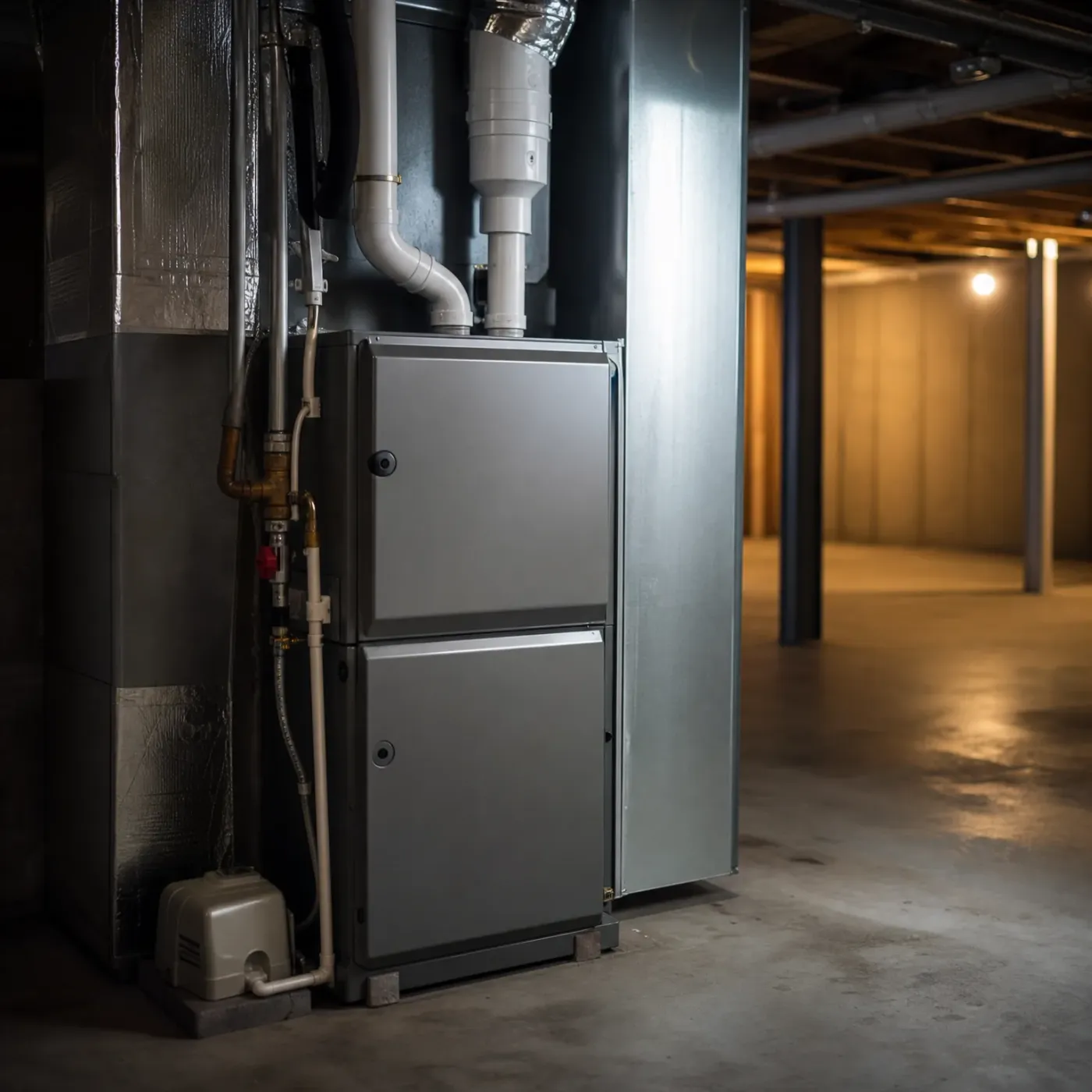
A furnace that keeps shutting off, whether right after it starts or a few minutes in, usually means something is tripping a safety switch on purpose. That's the furnace protecting itself, not failing at random. Below is what tends to cause it and what it means for your house. Once you fill out the form, a licensed furnace contractor near Waterloo takes it from there.
Send it todayA furnace that shuts off and restarts over and over is usually tripping on a dirty flame sensor, a clogged filter, or a blocked vent pipe. The flame sensor is a small rod near the burners that confirms the flame is lit. Once it gets a layer of soot on it, it can't sense the flame anymore, so the control board shuts the gas off a few seconds after ignition, even though the furnace is working fine otherwise. A clogged filter does something different: it chokes airflow, the heat exchanger gets too hot, and a limit switch cuts the burners to keep it from cracking. With Waterloo winters running the furnace hard for months at a time, both of these build up faster than people expect. If yours is shutting off within seconds, the sensor is the likely cause. If it runs a while first and then quits, look at the filter and the vents around the house. Either way, the furnace is doing what it's supposed to do when something isn't right.
Winter nights average 13°F
Overnight lows average 13°F here in December, January and February. That kind of cold keeps a furnace running in long stretches, and long run times put more strain on a dirty flame sensor or a failing limit switch.
Heat runs October through May
Heat runs here from October through May, about eight months of the year. A furnace that short cycles for even part of that stretch adds up to a lot of wear before spring.
63.4% of homes heat with gas
63.4% of homes in Black Hawk County heat with gas. A gas furnace that shuts off repeatedly is almost always tripping a safety switch, and that's worth checking before it strands you on a cold night.
NOAA nClimDiv 1991-2020 · ACS 2020-2024
If the furnace fires, runs for a minute or two, then quits, the flame sensor is the first place a contractor will look. A sensor coated in soot reads the flame weaker than it is, and the control board shuts the gas off rather than let it run without proof of flame. This pattern repeats every cycle because nothing has changed between one startup and the next. It tends to show up gradually. The furnace might run fine for a few days, then cut out sooner each time as the coating builds. Cleaning the sensor is a quick fix when that's the cause, but a sensor that fouls again within weeks can point to a combustion problem feeding it too much soot to begin with.
If the furnace runs for ten or fifteen minutes before it quits, heat is the more likely cause rather than flame proof. A clogged filter or blocked return cuts off airflow, the furnace overheats inside, and a limit switch shuts the burners down to protect the heat exchanger. On the coldest nights here, when the furnace is running long stretches to keep up, this kind of shutoff shows up sooner because the furnace is working harder and generating more heat per cycle. A filter that's visibly gray or a vent pipe outside that's packed with snow are both worth checking before anything else. If airflow looks clear and it still happens, the problem is more likely inside the cabinet than in the ductwork.




That's the typical overnight low in Waterloo from December through February. Long, hard-running furnaces put more strain on a dirty flame sensor or a cracked heat exchanger.
The flame sensor only confirms the burner is lit. When soot coats it, the control board reads no flame and cuts the gas, even though the furnace is working fine otherwise.
You hear the burners light, feel warm air for a minute or two, then the blower runs on by itself after the flame cuts out. A few minutes later it fires again. Some houses pick up a faint hot, dusty smell right when it kicks on, which usually means a dirty filter is choking the airflow. Other times there's no smell at all, just the short cycle repeating every ten or fifteen minutes through the night. Left alone, a furnace that short cycles this much on a 13°F night isn't heating the house evenly, and the parts doing the extra starting and stopping wear faster than they would running a normal stretch.
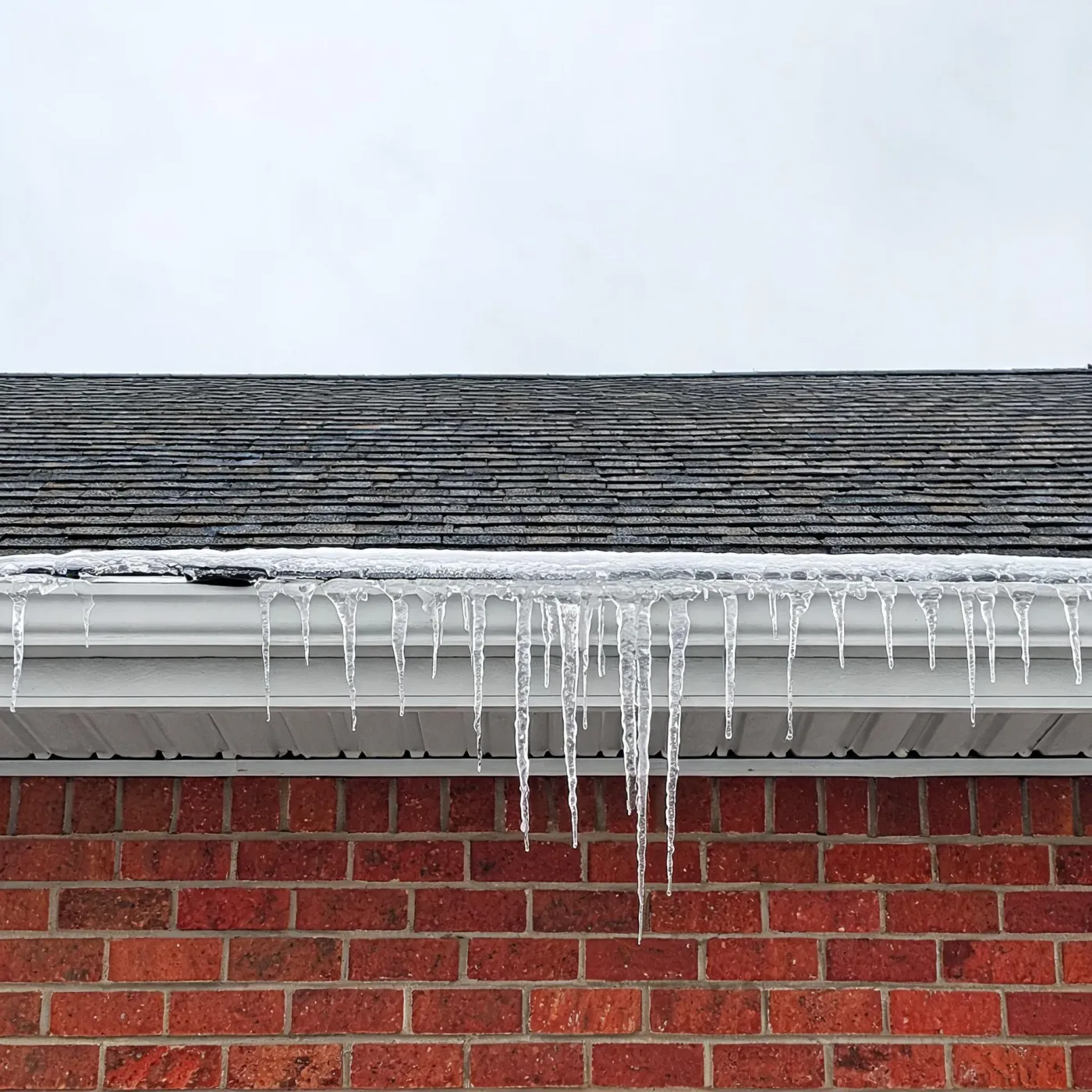
A furnace in Black Hawk County doesn't get much of a break once the cold sets in. With overnight lows averaging 13°F through December, January and February, the burners stay on long after the house feels warm, just holding the temperature steady against that kind of cold. Long stretches like that are hard on a flame sensor that's already coated in soot, and they're hard on a cracked heat exchanger too. If yours is shutting off partway through the night, a contractor who works on furnaces around here all winter has likely seen the same pattern more than once this month. One licensed local contractor takes the call, so you're not fielding a handful of estimates to sort through on a cold night.
NOAA nClimDiv 1991-2020
A furnace that keeps tripping off doesn't fix itself by waiting it out, and in a Waterloo winter that's not a safe bet to make. Every restart cycle is the control board reacting to the same signal, a weak flame reading, a blocked vent, a filter choking the airflow, and short-cycling it through another night only adds wear to whichever part is already failing. Sending the request means one local contractor gets it, someone who works on furnaces through these winters every year and has seen what a sooted sensor or a cracked heat exchanger looks like before it's told what to check. That's different from calling around and hoping whoever answers first knows your system. You don't have to figure out which of these it is before reaching out. You just have to decide you're done resetting the thing at midnight and let someone who does this for a living take the next look at it.
A furnace that fires, runs a short while, then quits is reacting to something specific, not failing at random. Most of the time it traces back to one of three things: a flame sensor coated in soot that can't confirm the burner is lit, a filter so clogged the furnace overheats and trips a limit switch, or a vent pipe blocked enough that exhaust can't clear the way it should. Waiting it out doesn't help. None of those three clears up by itself, and a furnace working through 13°F nights in Black Hawk County doesn't get a break long enough to let a problem like that resolve on its own. Each restart is the same signal tripping the same switch, which means the furnace keeps working harder for the same amount of heat, not less.
The upside is that this is a known pattern. A contractor who services furnaces through a Waterloo winter sees this same complaint repeatedly once the cold sets in, and usually has a good idea which of the three it is before even opening the cabinet. Sending a request through this page puts one licensed local contractor on the job, not a string of companies calling to bid on it. That means the visit starts with a real answer instead of a guessing game, and the furnace gets back to running the way it's supposed to, steady, not tripping every few minutes.

Stop chasing a furnace pro



