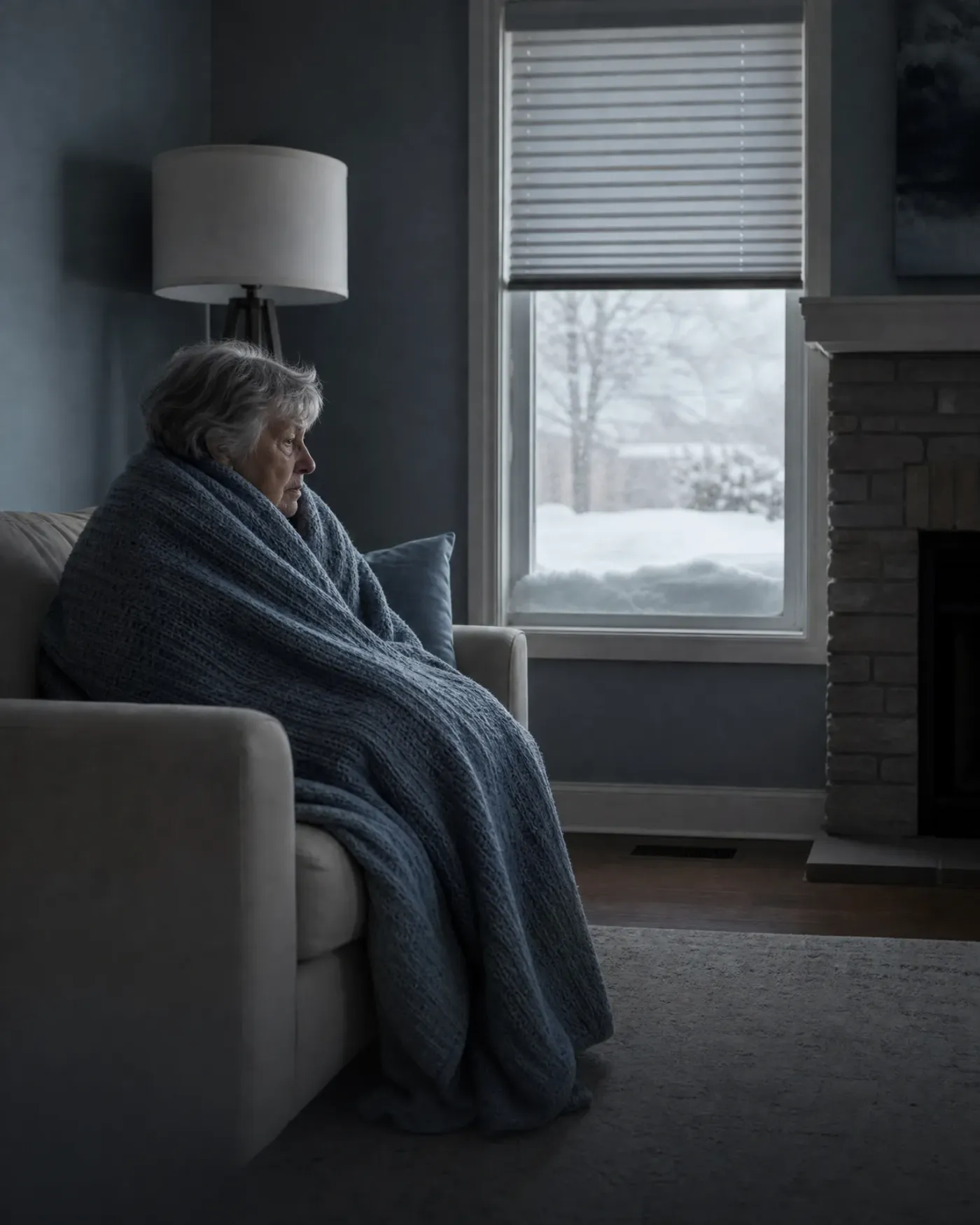
Furnace making a loud noise in Sioux City, IA
A banging sound when your furnace starts usually means the burners are lighting late and igniting a pocket of built-up gas all at once. A screech points to the blower motor or its belt. A rattle is often a loose panel or a screw that worked itself free. A loud boom right at startup deserves attention soon, since it can mean the heat exchanger is under stress from delayed ignition and that part is expensive to replace if it cracks. Through a Woodbury County winter, your furnace is running for hours at a stretch, and a noise that starts small tends to get worse over the season rather than go away on its own. Most of these problems trace back to dirty burners, a worn blower, or loose ductwork, and a furnace technician can tell which one by listening to it run and opening the cabinet. Catching it early is usually simpler and cheaper than waiting for it to fail on the coldest night of the year.
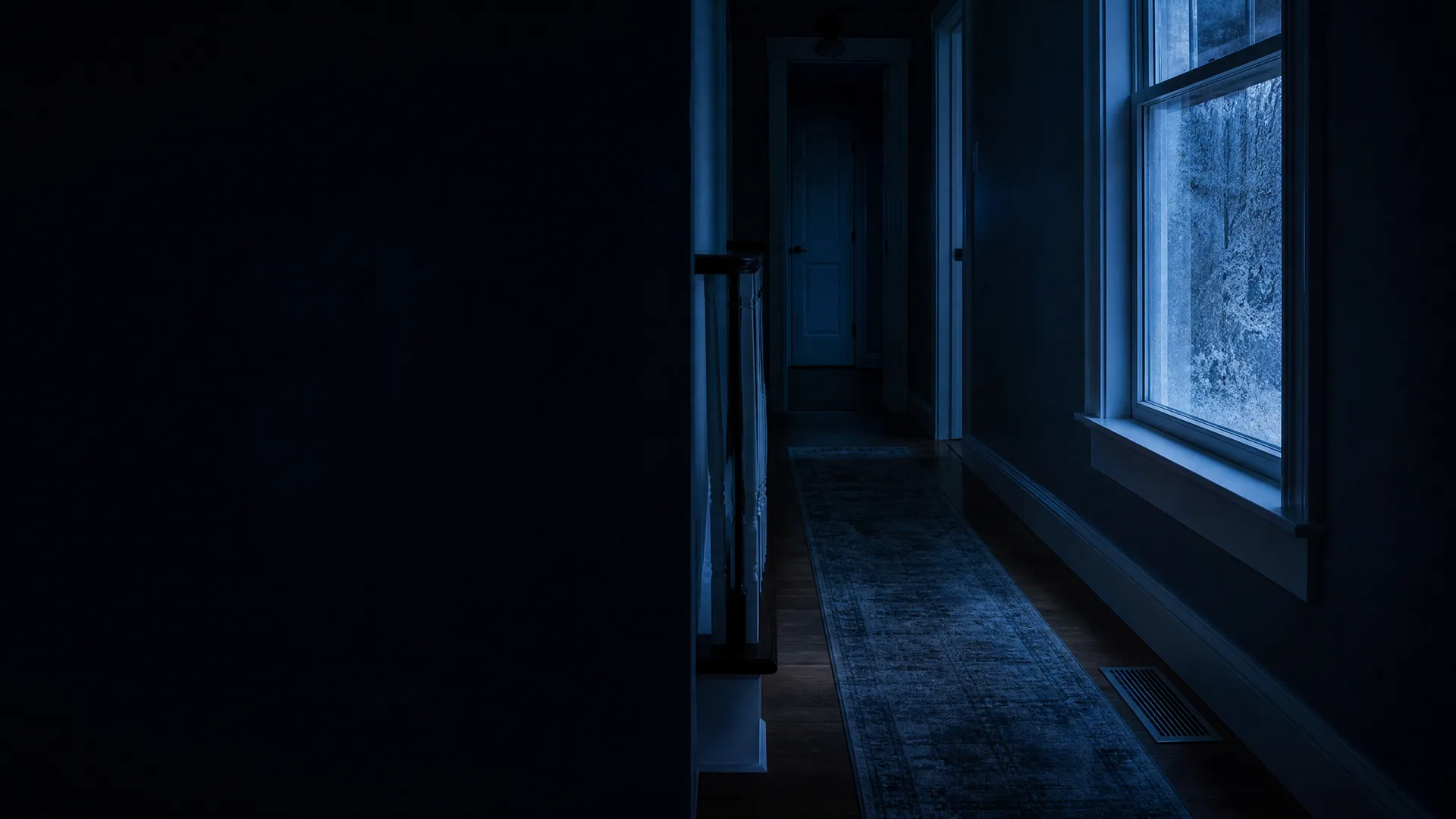
You wake up at two in the morning because the house feels wrong before you even know why. The hallway floor is cold under your feet. No air moving out of the vents, none of the usual low hum from downstairs. Just quiet, and frost creeping across the glass of the hallway window, pale blue in the dark. You stand there a second, listening for the bang or the screech you heard earlier that night when the furnace kicked on. Nothing now. Woodbury County winters don't wait for morning, and neither does a furnace that's decided to quit mid-cycle.
Why does a furnace problem here turn into a cold house so fast?
Winter nights average 14°F
Overnight lows here average 14°F in December, January and February. A furnace that quits making noise and just quits leaves a house cold within hours, not days.
Heat runs October through May
Furnaces in Woodbury County run from October through May, about eight months of the year. A noise that starts now has a long season left to get worse.
59.8% of homes heat with gas
59.8% of homes here heat with gas, more than any other fuel. A new noise from a gas furnace is worth checking before it affects the burners or the igniter.
NOAA nClimDiv 1991-2020 · ACS 2020-2024
Keep running it or shut it off
A furnace that bangs, screeches or rattles is still telling you something useful, which is that it's still running. Shutting it off at the thermostat stops the noise and stops any further strain on the part making it. If the sound showed up with a burning smell, smoke or a clicking you haven't heard before, shut it off and leave it off until someone looks at it. A banging on startup alone doesn't usually mean the furnace will fail outright, so some homeowners choose to keep the heat on through a cold night and get it checked the next day. Either choice is reasonable. What matters is noticing whether the sound changes, gets louder, or starts coming with anything else: a smell, a different vent pattern, warm air that isn't as warm as it was.
Waiting it out versus calling now
Waiting makes sense if the noise is faint, happens only at startup or shutdown, and the furnace is still heating the house the way it should. Woodbury County winters don't give you much room for a furnace to fail outright, with lows in the teens from December through February, so a minor noise that holds steady for a few days is one thing and a noise that's getting worse by the hour is another. Calling now makes sense once the sound is constant, loud enough to hear from another room, or paired with uneven heat. A furnace repair contractor can tell from a description or a quick look whether it's a part wearing down slowly or one close to failing, and once you send a request, finding that contractor stops being something you have to sort out yourself.




The right pro for this job
A furnace that's making noise tonight in Woodbury County is still a furnace you can act on before it quits altogether. That banging or screeching is usually one part wearing out, not the whole system failing, and a contractor who works on furnaces in this area has heard it before and knows what to check first. Waiting on it doesn't make the noise go away. It usually means the part gets worse, or the furnace shuts itself down in the kind of cold where a house drops fast. You don't have to figure out which part it is before you ask for help. Send the request and let someone who does this for a living sort out the burners, the blower or the panel. With lows in the teens this time of year, getting a furnace looked at sooner rather than later is what keeps a bad noise from turning into a cold house.
What Each Noise Is Telling You
- Burners light in sequence off a hot surface igniter, and a delay in that sequence lets gas pool before it catches.
- A squeal usually comes from the blower wheel bearing or the motor bearing drying out, not from a belt, since most furnace blowers today run direct-drive.
- A rattle that starts only when the blower kicks on points to the blower wheel itself, which can crack or come loose from its hub over years of use.
- A boom right at startup is called delayed ignition, and it stresses the heat exchanger a little more every time it happens.
- A metallic ping as the furnace cools after shutoff is usually ductwork flexing, not a sign anything inside the furnace is wrong.
- A high-pitched whine that rises and falls can mean the inducer motor is struggling to pull exhaust through before the burners are allowed to fire.
A furnace fires in steps, and most of the noises you hear happen somewhere in that sequence. The inducer motor starts first, pulling exhaust out before anything lights, so a whine that climbs as the furnace starts is usually that motor working harder than it should to move air through the vent. Once the burners get clearance, a hot surface igniter should light them right away. When that happens a half second late, the gas that built up in the meantime catches all at once, and you hear a boom instead of a soft whoosh. It sounds minor, but that small blast hits the heat exchanger every time it happens, and it happens again each cycle until something is adjusted or replaced. The blower comes on last, and this is where squeals and rattles start. Furnace blowers made in the last couple decades almost all run direct-drive, no belt involved, so a squeal is a bearing drying out, either in the wheel or the motor itself. A rattle that only shows up once the blower kicks on usually means the wheel has cracked or shifted on its hub, which gets louder as the crack spreads. Not every sound means trouble. A ping or tick after the furnace shuts off is often just the ductwork cooling and flexing back into shape, and that one can be left alone.



Thermostat calls for heat and the control board sends power to the igniter.
Igniter glows hot enough to light the gas at the burners.
Burners fire in sequence, and a late one lets gas pool first.
Blower motor spins up to push heated air through the ducts.


A furnace that's banged or screeched through one winter in Woodbury County rarely goes quiet on its own. The part causing it wears a little more each time the burners fire.
Left alone, a late-firing burner or a dry bearing keeps doing the same damage until something cracks or seizes. Catching it while it's just a noise is what keeps it a small repair.
Winter nights average 14°F
At 14°F, a furnace that's banging or screeching can't just be watched for a while. A house here loses heat fast once that part gives out, so a noise tonight is worth having looked at before the cold gets in.
NOAA nClimDiv 1991-2020



A noise like that has an answer
A bang, a screech or a rattle is one part of your furnace telling you what's wrong with it. Late-firing burners, a dry bearing, a loose panel. None of that means the furnace is done. It means something specific is worn or out of place, and that's fixable.
You don't have to figure out which part it is before you do anything. A contractor who works on furnaces in Woodbury County can hear what you're describing and know where to look first. Once you send the request, finding the right person for your furnace stops being something you have to sort out tonight.






Matched to your furnace job
Send the request today and stop worrying about who to call.
No charge to send it. You decide if you hire them.