Running clean
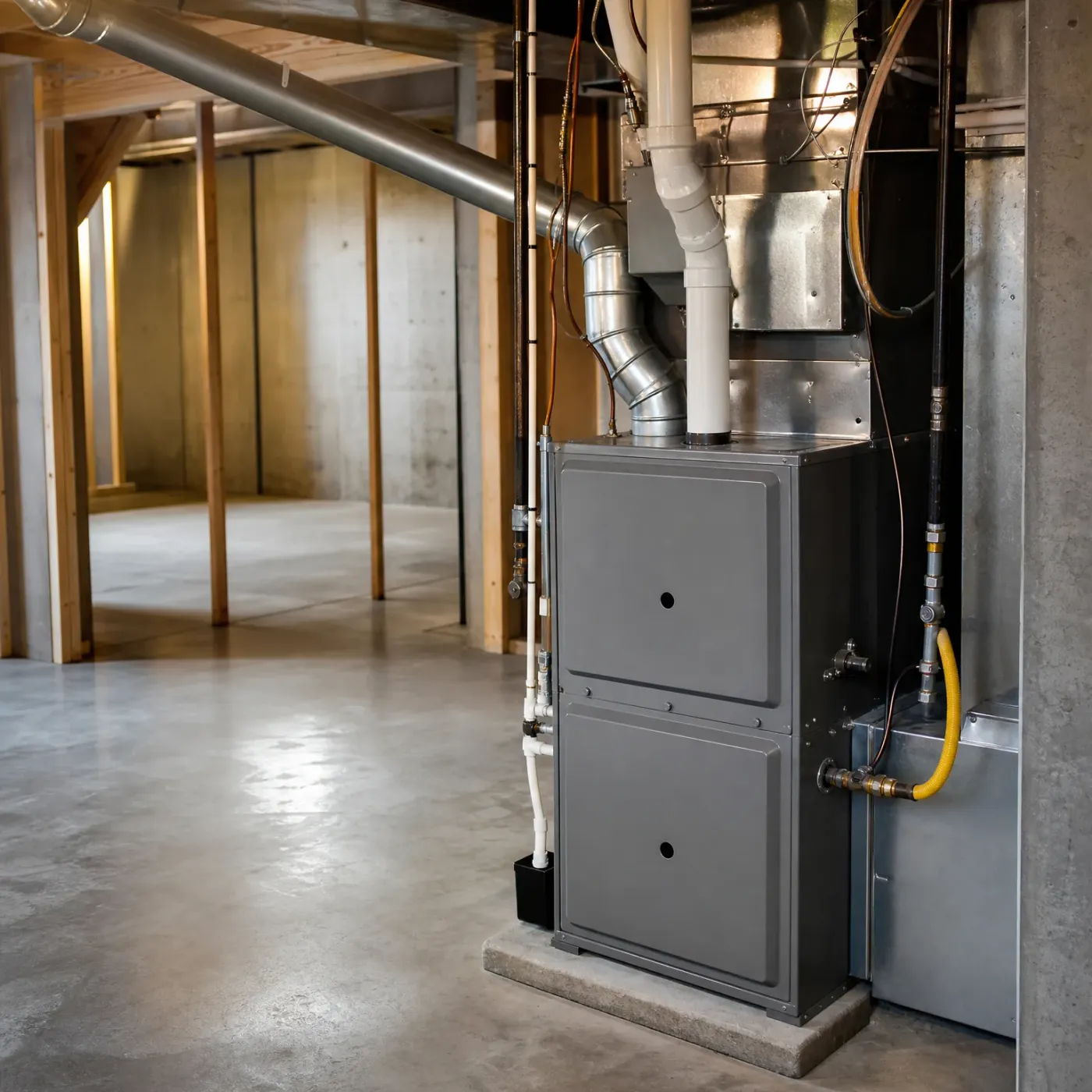
A furnace like this lights on the first try, every time the thermostat calls. No delay, no buildup, no bang. The burner chamber is clear and the flame sensor is reading it right.

A furnace pro near you
A bang when your furnace kicks on usually means delayed ignition, gas building up before it lights. It can also be ductwork popping as it heats up, which is less serious. This page goes through what's behind each one and what tends to follow if it's ignored. Skip the back and forth of calling around Iowa for someone to look at it. Answer a few questions and a contractor who handles this gets in touch.
Get a local proA bang when your furnace starts almost always means gas is pooling in the burner chamber before it catches, instead of lighting right away. When it finally ignites, it ignites all at once, and that small explosion is the bang you hear. A dirty burner or a weak igniter is usually behind the delay. The other common cause is your ductwork expanding as warm air moves through it, which makes a popping or banging sound but isn't dangerous on its own. Delayed ignition is the one to take seriously. Gas burning unevenly like that puts stress on the heat exchanger every time it happens, and a cracked heat exchanger is a safety problem, not just a repair bill. If the bang happens at the start of nearly every heating cycle, that's a pattern worth having looked at before Iowa's cold months put the furnace to work every day.




Start with the furnace itself. Gas furnaces light with an igniter, either a hot surface type that glows before the gas opens, or a spark type that fires repeatedly until it catches. Either way, gas flows into the burner chamber first, then the igniter lights it. If that timing is off, even by a second, gas has a moment to collect before it burns, and it goes up all at once instead of in a steady flame. That's the bang.
A few things push the timing off. A flame sensor coated in a thin layer of film won't tell the control board the flame caught, so the board tries again, cycling gas in and out. A burner with buildup on it changes how the flame spreads across it. Low gas pressure can slow the whole process down. None of these stop the furnace from running, which is part of why the noise gets ignored for a while.
A cracked heat exchanger is a different problem. The metal expands and contracts as it heats and cools, and a crack changes how it moves, so it can pop or bang on its own, separate from ignition. This one isn't a wait and see. A furnace running on a cracked exchanger can push exhaust where it shouldn't go.
Ductwork banging is mechanical, not combustion. Thin metal flexes as it warms, and undersized duct runs flex more because the same volume of air is moving through a tighter space.


Explain the job once and skip repeating it on every call.
Tell a local repair pro what your furnace is doing.
Asking costs nothing, and the choice to hire stays yours.
Furnace calls for heat and the gas valve opens
Gas should ignite within seconds of the valve opening
A dirty sensor or burner delays that spark
Gas pools in the burner chamber while it waits





A furnace like this lights on the first try, every time the thermostat calls. No delay, no buildup, no bang. The burner chamber is clear and the flame sensor is reading it right.

An older unit like this has had more winters to collect dust on the burners and wear on the flame sensor. That's when gas starts pooling for a second before it catches, and you hear it when it finally does.
At 15 below... no, at 15°F on an average winter night, your furnace is firing often, sometimes several times an hour to hold the thermostat setting. Every one of those calls for heat is another chance for a delayed ignition bang if the burner or flame sensor is dirty.
NOAA nClimDiv 1991-2020 county normals weighted by homes
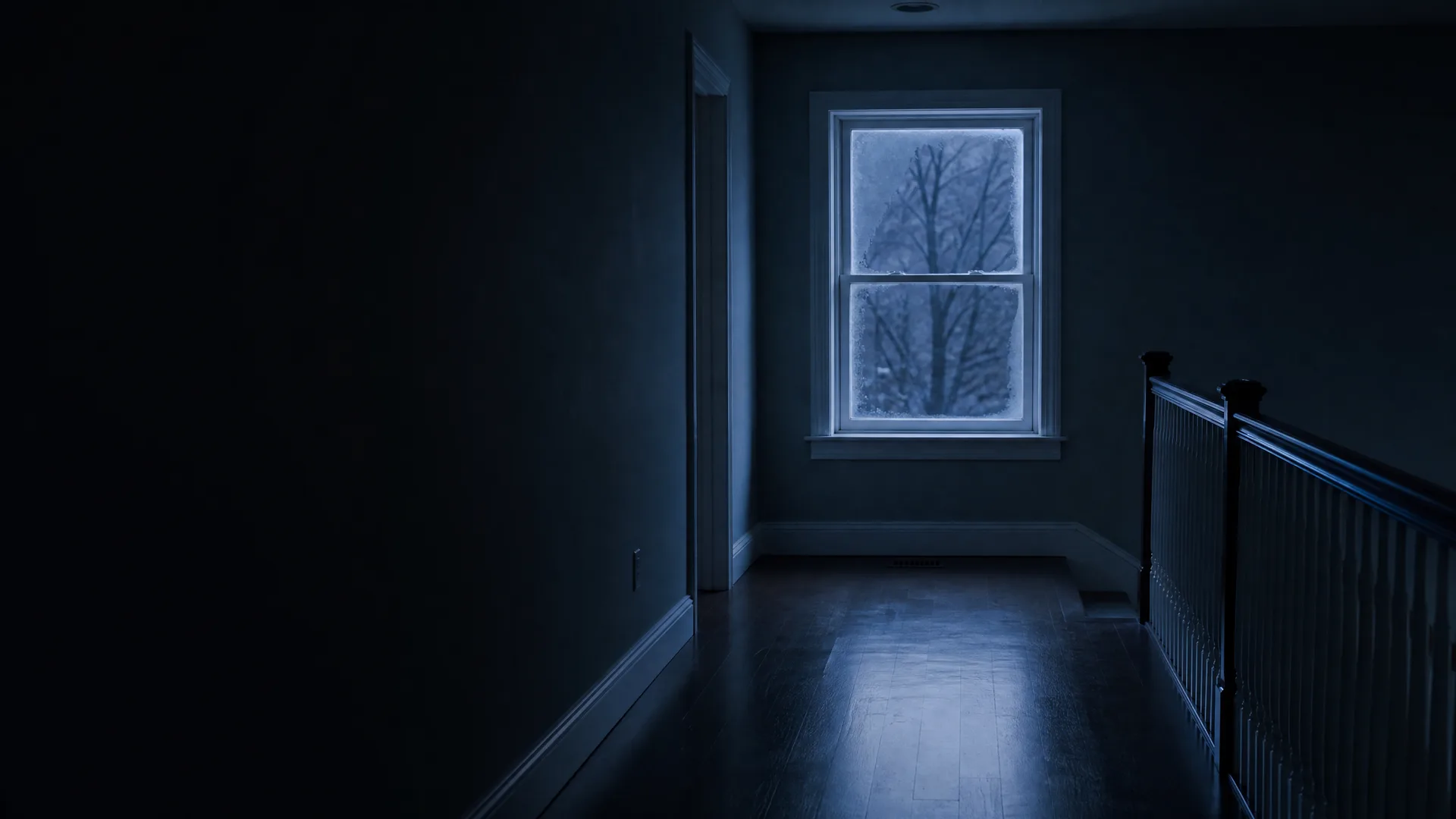
It's 2 a.m. and 15 below outside. You're up for some reason, maybe you just can't sleep, and you notice the hallway is cold enough that you can feel it through the floor. The vents aren't blowing. Frost has crept up the edges of the window at the end of the hall. You wait, listening for the furnace to kick on, and when it finally does, there's a bang downstairs loud enough to carry through the vents. Then it settles into a normal run. You stand there another minute before you go back to bed, telling yourself to check it in the morning.

A bang on startup is the burner lighting late and catching a pool of gas instead of a clean flame. A bang a few minutes into the cycle, after the air's had time to heat up, is usually just the ductwork flexing. One is worth watching. The other is worth having looked at before it happens on every single call for heat this winter.
You don't have to sort out which one you've got, or find someone who works on furnaces in your part of Iowa, or get on the phone and describe the noise three different times to three different companies. Answer a few questions about what you're hearing and a contractor who handles this gets in touch with you directly, already knowing what you're dealing with.


Skip searching for a furnace pro and answer a few questions instead.