Signs of a cracked heat exchanger in Iowa
A cracked heat exchanger shows up as a strange smell when the furnace runs, soot inside the cabinet, a yellow flame instead of a steady blue one, or a headache that only happens when you're home with the heat on. The crack forms over years of the metal heating up and cooling down every time the furnace cycles, and it lets exhaust leak into the air your ducts are supposed to be moving clean. Furnaces run most of the year in Iowa, so that metal goes through a lot of cycles. The real danger is carbon monoxide getting into the house instead of going out the flue, which is why a working CO detector near the furnace matters as much as catching the other signs. If your furnace is making an odd ticking or popping sound as it heats up, or the pilot light or burner flame flickers when the blower kicks on, that is also worth paying attention to. This is not something to wait on.
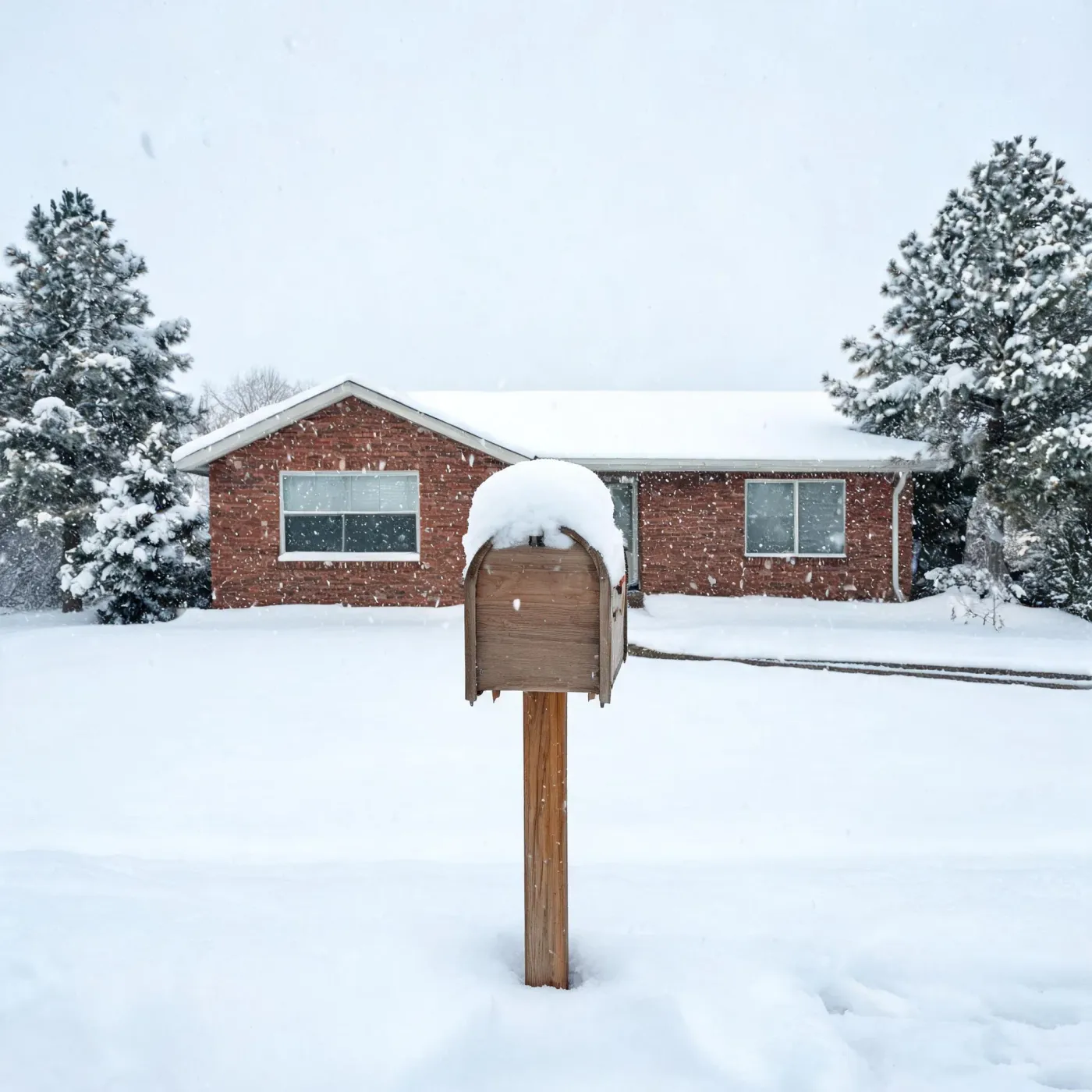
Iowa winter nights average 15°F across the state, according to NOAA climate data. When it's that cold outside, your furnace isn't cycling on and off anymore. It's running long stretches just to hold the house steady, and that means more hours with flame against metal inside the heat exchanger. A crack that might sit quiet on a mild 40° evening gets worked harder on a night like that, flexing with the heat and pushing exhaust where it shouldn't go. If your furnace is already cracked, the coldest nights are when you're most likely to smell something off or notice a flame that looks different than it used to.
NOAA nClimDiv 1991-2020 county normals weighted by homes
Why does your furnace smell off this winter?
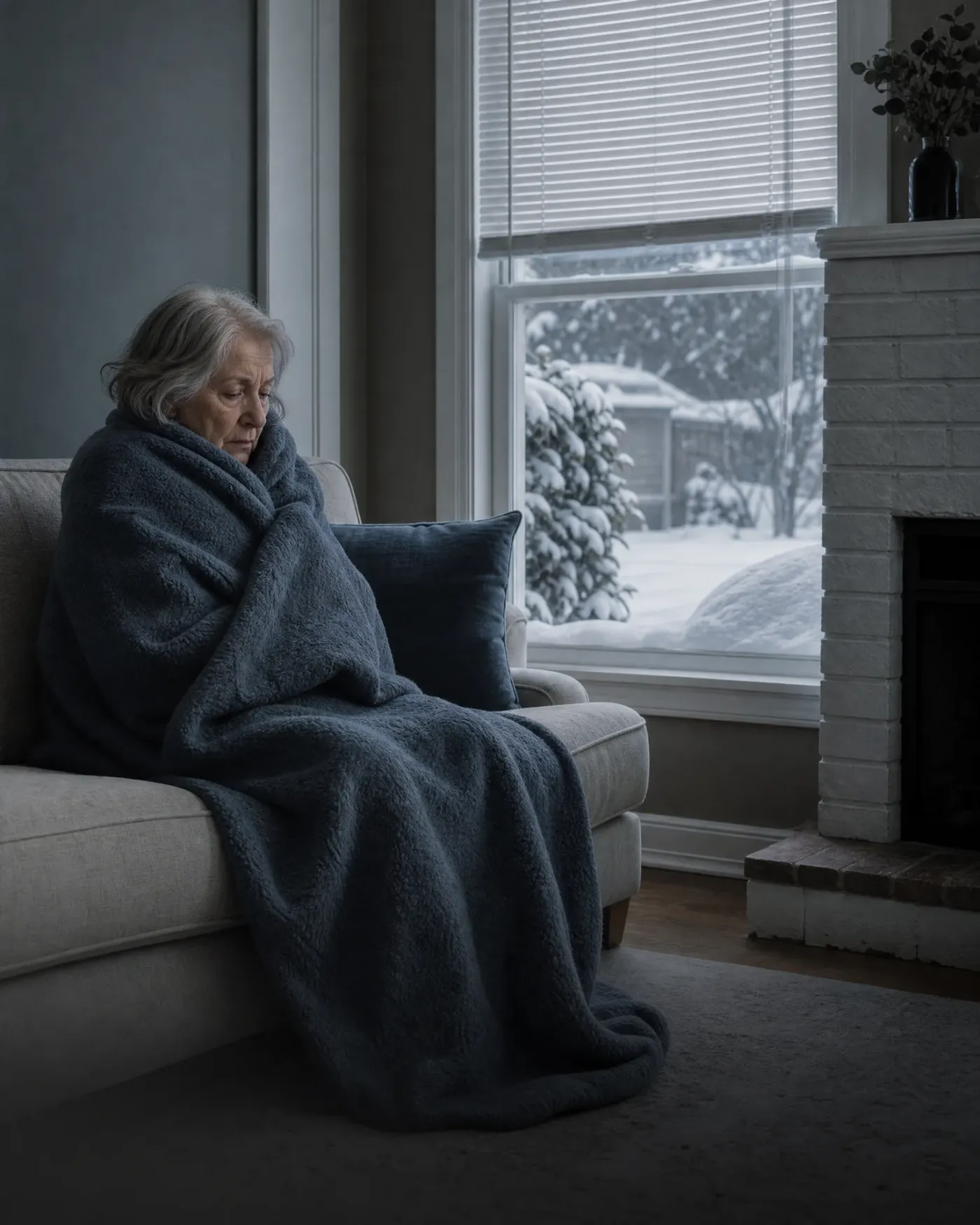
You might notice it when you walk past the furnace closet or when you've been in the room with the vents running for a while. A faint smell like formaldehyde, something sharp that wasn't there before. Maybe your eyes water or you get a headache in the evening that clears up once you step outside or open a window. You might see soot smudges around the cabinet door, or notice the flame through the viewing window has gone yellow and wavering instead of steady blue. Some houses show it as a fine layer of dust that seems to settle faster than it used to. None of these signs are things to live with through the rest of a cold Iowa winter. A cracked exchanger can let combustion gas mix into the air moving through your ducts, and that risk only grows the longer the furnace keeps running.


Winter nights average 15°F statewide
At 15°F, your furnace can run for an hour or more without shutting off. That long a burn puts more heat through the exchanger each cycle, and a crack that only leaked a little on a mild night will leak the whole time it runs.
NOAA nClimDiv 1991-2020 county normals weighted by homes




The metal in a heat exchanger moves every time your furnace fires. It heats up, expands a little, then contracts as it cools back down. Do that thousands of times over enough winters and the metal gets tired, usually at a seam or a bend first, since that's where the flexing is sharpest. Eventually it opens into a crack. On its own that wouldn't matter much, except the blower sits right next to that metal, pulling air across it to send through your ducts. If there's a crack, the blower can pull exhaust gas through it along with the air it's supposed to be moving. That's also why a furnace can seem fine during a quick inspection and still have a problem. Cold, the metal sits close together and a small crack may not show anything. Twenty minutes into a long run, once it's fully expanded, the gap opens wider. A technician checking for this usually runs a small camera into the exchanger itself, because the cracks that matter are on the inside, not somewhere you'd spot from across the room.
How a Crack Actually Forms
- Heat exchangers are made of thin metal that expands every time the burners fire and contracts once they shut off.
- That constant flexing is what eventually opens a crack, usually along a seam or a bend where the metal moves the most.
- Once a crack opens, the blower can pull exhaust gas out through it and push that air into your ductwork instead of outside.
- A cracked exchanger often gets worse only when the furnace has been running a while and the metal has fully expanded.
- That's why a furnace can pass a quick check cold and still leak once it's been running for 20 minutes.
- Technicians check for this with a camera inserted into the exchanger, since the cracks are usually inside where you can't see them.


Get It Checked or Risk It
Have it checked now
- A licensed tech can run a flame test and a carbon monoxide check in under an hour and tell you plainly whether the metal has cracked.
- If the exchanger is sound, you've ruled out the one furnace problem that can actually hurt someone in the house.
- Catching a crack early means you can plan the repair or replacement on your schedule, not in the middle of a January cold snap.
- A tech who works gas furnaces all winter in Iowa knows which models and which ages tend to crack first in this climate.
- If there's no crack, you still get a straight answer about what's really causing the smell or the soot, instead of guessing all season.
Wait and see
- The smell or the headaches may not show up every time the furnace runs, so it's easy to convince yourself it was nothing.
- A crack doesn't heal or stay the same size. It opens further with every heating cycle as the metal keeps flexing.
- The colder it gets, the longer your furnace runs each cycle, and a longer burn pushes more gas through a crack that's already there.
- Waiting means living with carbon monoxide exposure every time the heat kicks on, even if you can't smell it that night.
- By the time the furnace fails outright, you've lost the chance to catch the crack while it was still a straightforward fix.

It's two in the morning and the house is quiet in the way it only gets when it's this cold. You're up for no reason you can name, standing in the upstairs hallway, and the vents aren't pushing any air. Frost has crept up the edges of the hallway window, a thin white lace against the black outside. The light coming off the glass is dim and blue. You stand there a second, waiting to hear the furnace kick on the way it should at 15 below, and you don't. Somewhere under the house, a tech who knows this furnace, or one just like it, would already know where to look first.
Hand off the furnace problem
A cracked heat exchanger isn't something to watch and wait on. It's a furnace problem that can put carbon monoxide into the air you're breathing, and the only way to know for sure is to have someone look at it. You don't need to track down who does this. A licensed furnace tech near you, someone who works on these systems all winter and knows which models and which years tend to crack first, gets your request instead of your phone ringing off the hook with sales calls. That matters more on a night like the ones Iowa gets, when the furnace is running long and hard and a crack that's been small all fall finally starts leaking the whole time the burners are lit. Send the request and the search is off your plate. Someone who knows this equipment takes it from here, and you can stop wondering whether that smell in the hallway is nothing or something.
The burner fires and heats the metal exchanger walls from inside.
The metal expands and flexes along its seams and bends.
Flexing over years opens a crack at the weakest point.
Gas burns and the exchanger heats back up, flexing again each cycle.
Why does a cracked heat exchanger matter more in winter?
Why does a cracked heat exchanger matter more in winter?
Longer burner cycles push more combustion gas through the crack
A crack in the exchanger doesn't leak on its own. It only leaks while the burners are firing and gas is moving past it on the way to the flue. On a 40 degree day the furnace might fire for ten minutes an hour. On a 15 degree night it can run for an hour straight, sometimes longer, which means an hour of gas passing that crack instead of ten minutes. The same damage puts a lot more carbon monoxide into the air you're breathing once the cold sets in and the burners stop cycling off. It's the same crack. Winter just gives it more time to do something with it.


Where this leaves you
- A strange smell, soot, a yellow flame, or headaches tied to the furnace running all point to the same problem.
- A flame test and carbon monoxide check tell you plainly whether the metal has actually cracked.
- A furnace running long stretches on a 15°F night is the exact condition that turns a small crack into a real risk.
- A licensed tech who works on furnaces all winter in Iowa has seen this exact failure before and knows where to look first.
- One contractor takes the call, so you're not fielding a string of quotes while you're trying to get an answer.
- Once the exchanger is checked, you know where you stand, whether that means a repair or peace of mind.
The signs point the same direction whether it's a smell, soot in the cabinet, a flame that's gone yellow, or a headache that shows up only when the heat's running. None of those tell you for certain the exchanger has cracked. Only a flame test and a carbon monoxide check do that, and a licensed tech can run both in under an hour. Iowa nights that sit at 15°F are what turn a small crack into a real problem, because that's when your furnace runs long enough for combustion gas to keep leaking the whole time it's on. That's the condition worth taking seriously, not just the smell on its own.
A tech who works on furnaces through an Iowa winter has run into this exact failure before, more than once, and knows what to check first instead of guessing. You're matched with one licensed contractor local to you, not a handful of companies calling you back at once. You send one request and one person follows up, someone who already knows what a cracked exchanger looks like in a furnace that's been running hard through a cold snap.
Once that check is done, you know where you stand. Either the metal is sound and you've ruled out the one furnace problem that can actually hurt someone in the house, or it isn't, and you know that too, instead of wondering about it every time the furnace kicks on at two in the morning.





Send one request and you're done looking
The pro who reaches out is licensed in Iowa.
You're not committing to anything by asking.