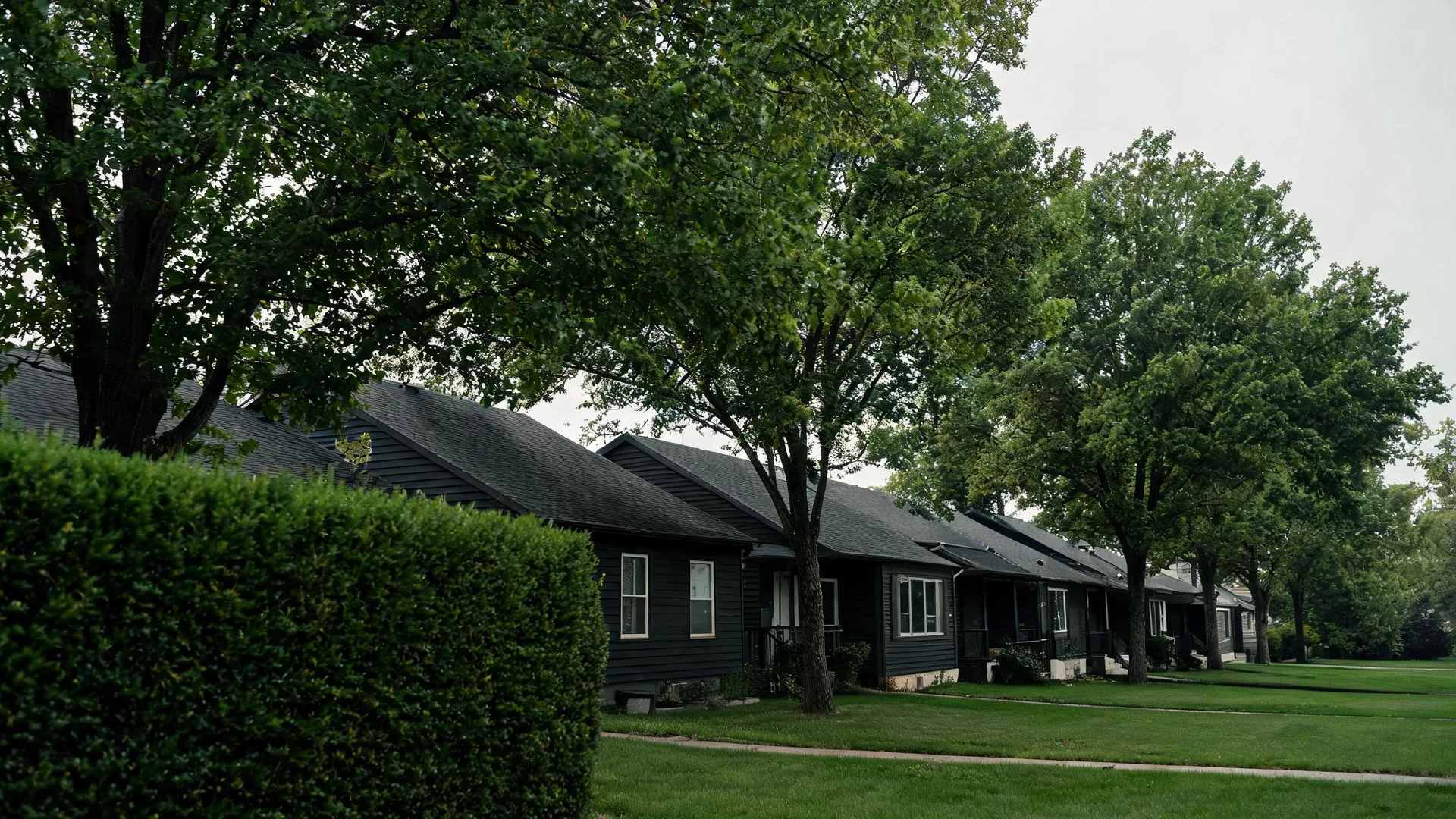


A row of dark-sided single-story houses with gray shingled roofs behind large leafy trees, a trimmed hedge at left and mown lawn with a narrow walkway in front.

Furnace Maintenance in Cedar Rapids, IA

Tell us about the job

Takes about a minute. No obligation.

Tune-up, service, or cleaningFurnace or heatingLinn County, IA
Step 1 of 2

What ZIP code is the job in?

Linn County saw 344 severe weather events between 2015 and 2024. That includes 156 damaging wind events, 139 hail events, and 17 tornadoes. A furnace shares a system with the outdoor unit, and that unit sits outside through all of it, taking wind-blown branches, hail, and whatever else gets thrown around during a storm. Winter storms hit the county 30 times in that same stretch, which matters when you're relying on that system to keep running through an Iowa winter. None of this means your equipment has taken damage. It means a check now can catch it before the cold does.

Furnaces in Linn County start working in October.

Book the tune-up in September, before the first cold snap puts the furnace to the test.

Three out of four furnaces here run on gas, and gas means a burner and venting to check

74% of homes heat with gas
Climate zone 5A
Heat runs October through May

Eight months of heat a year is a long stretch for any furnace to carry. October through May, the burner's firing and the blower's running nearly every day, and that kind of use adds up faster than it would somewhere with a short winter. Thirty winter storms hit this county between 2015 and 2024, and each one means the furnace running longer and harder to keep up with the cold. A worn igniter or a cracked heat exchanger doesn't announce itself on a mild day. It shows up on the coldest night of the year, right when the furnace can least afford to quit.

Have the system checked before winter asks something of it

A furnace tune-up includes a look at the outdoor unit, the one that's been sitting through whatever this county's weather threw at it. Have it checked for hail dents, bent fins, and debris before the furnace has to carry the full load of an Iowa winter.

Find a contractor
A gray high-efficiency gas furnace installed in an unfinished basement, surrounded by gas lines, a condensate drain, and sheet-metal ductwork.

Check it while it's off, not when it's the only thing standing between you and the cold

A tune-up before October catches what eight months of running will only make worse. The technician gets to the igniter, the flame sensor and the heat exchanger while the furnace is sitting idle, not on the night it decides to quit. That's the difference between a planned visit and a cold house during a storm.

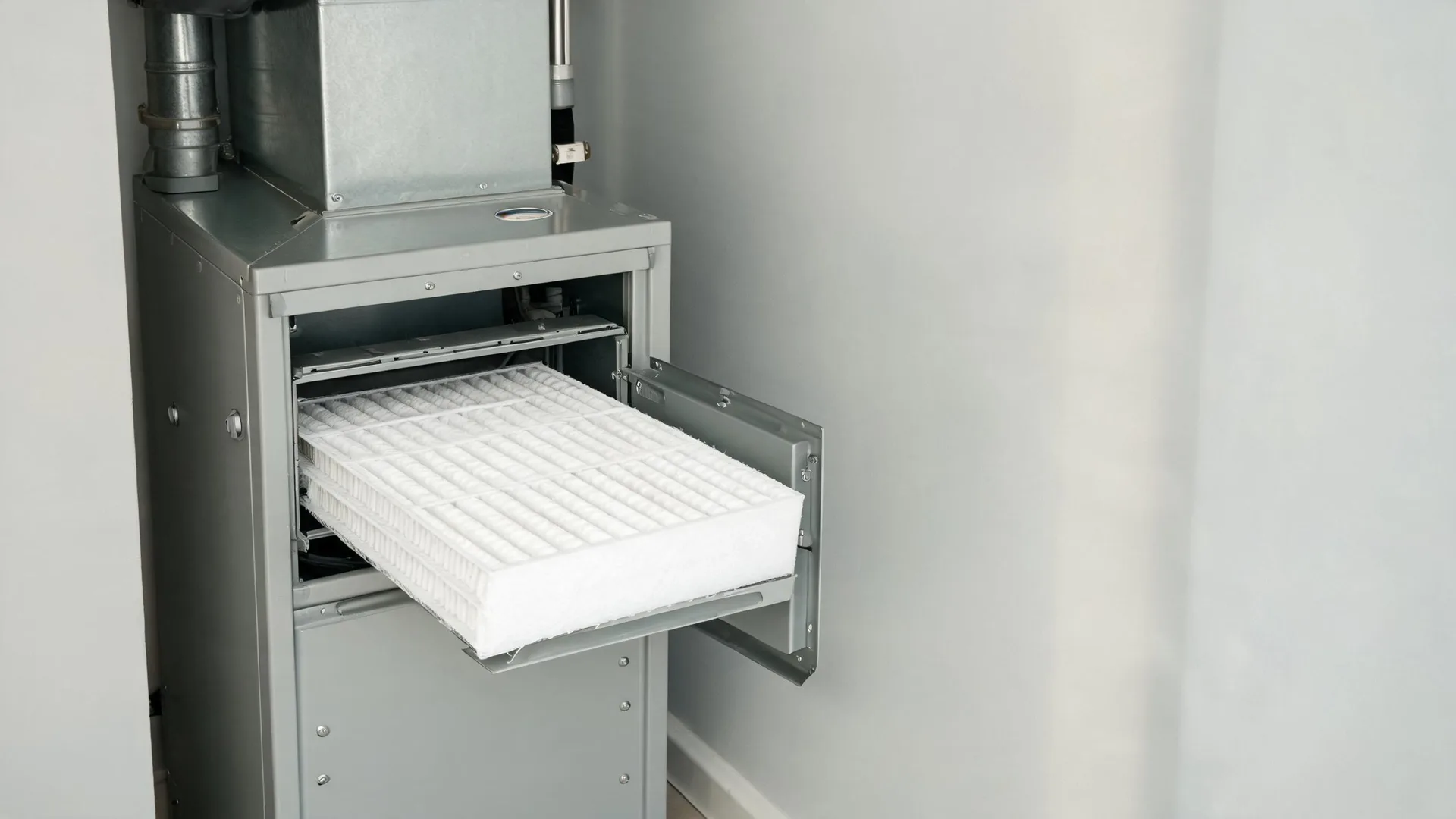
A real tune-up opens the burner compartment

A thorough check means pulling the burners to look at the flame pattern, cleaning the flame sensor with an abrasive pad instead of a wipe, and checking the heat exchanger for cracks with a camera or mirror, not a glance. It means testing the gas pressure at the manifold and checking the draft at the vent. A quick visit skips straight to the filter and calls it done.
Skip the heat exchanger check and you skip the point

A cracked heat exchanger can leak exhaust into the air the blower pushes through the house, and it will not show itself until the crack has widened enough to matter. Catching it early means a technician actually opened the furnace and looked, not that they listened for rattles and moved on. If nobody touched the exchanger, nothing about the furnace's safety was actually confirmed that day.

A furnace that never gets checked doesn't fail all at once. Dust builds on the blower wheel and in the burner compartment, and the motor has to work harder to push the same air through the house. The flame sensor picks up a coating from normal combustion, thin at first, enough after a while that it stops reading the flame and shuts the burner down. A dirty filter chokes airflow across the heat exchanger, and that exchanger runs hotter than it was built to, which shortens its life instead of lengthening it. None of this shows up as a problem right away. It shows up as a shorter cycle, a louder blower, a pilot that won't stay lit, and by the time any of that gets noticed, the part behind it has usually been wearing down for a while.

A tune-up also covers what happens after the burner lights. The technician checks the blower motor and belt or wheel assembly for wear, since a motor straining under dust and dirt pulls more current and runs hotter than it should. They check the capacitor that gets the motor started, because a weak one makes the blower struggle on startup even if it runs fine once going. The igniter gets tested too, not just looked at, since a hot surface igniter can glow and still fail to hold current long enough to light the burners reliably. Thermostat wiring and connections get checked for corrosion or a loose terminal, since a bad connection can cause short cycling that looks like a furnace problem but isn't. Safety switches, like the one that shuts the furnace down if the blower fails, get tested to confirm they actually trip when they're supposed to. None of these parts fail together, so checking only one or two leaves the rest to guesswork.