
Can a heat pump handle winter here
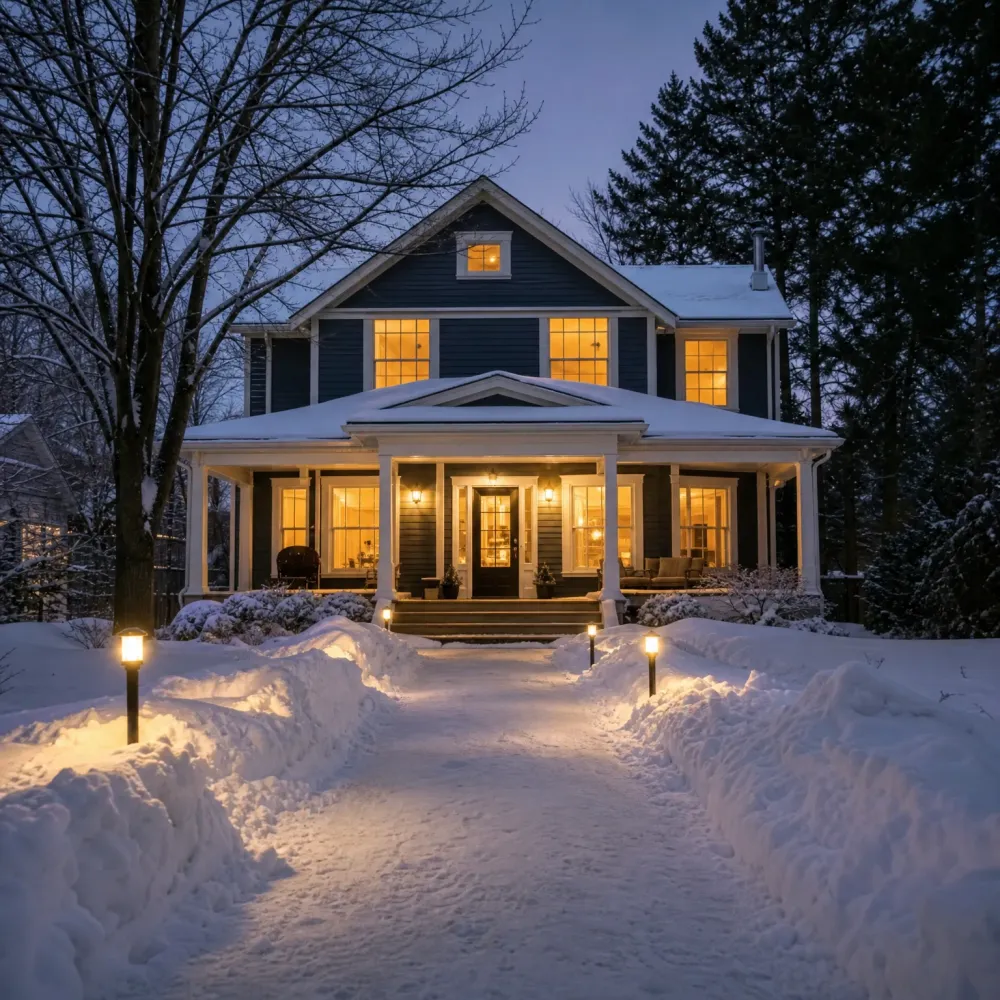
Your furnace question here really comes down to what happens on the cold nights, because Linn County has a lot of them. The overnight low averages 15°F across December, January and February, and it drops to freezing or below on about 140 nights a year. That's over half the nights in the eight months your heating system runs.
A standard heat pump starts losing ground before it even gets that cold. Below 40°F it puts out less heat than its rating says. Below about 35°F it typically needs backup heat to keep up. Fifteen degrees is well past both of those marks, and so is every night that falls to freezing or colder, which is most of your heating season here.
That doesn't rule out a heat pump. It rules out a standard one running alone. A unit with the ENERGY STAR Cold Climate rating is tested to hold at least 70 percent of its rated output at 5°F and still produce 1.75 units of heat per unit of electricity at that temperature. Field tests of cold-climate heat pumps in occupied homes found backup heat carried only a small share of the load between 0°F and 35°F, and the system ran on backup alone only rarely even at 0°F. Your 16 nights a year at 0°F or below are the stretch where that matters. A cold-climate model is built to keep working through them. A standard one leans on backup heat to get through.