Electricity here runs 16.91 cents a kilowatt-hour
That is higher than what most US counties pay. A heat pump runs on electricity for both heating and cooling, so that rate applies to the system every month it runs, not just in summer.
Takes about a minute. No obligation.
That is higher than what most US counties pay. A heat pump runs on electricity for both heating and cooling, so that rate applies to the system every month it runs, not just in summer.
Two heat pumps can heat and cool the same house and land on very different bills, because the rate per kilowatt-hour here doesn't change. What changes the bill is how much the unit has to run to do the job.
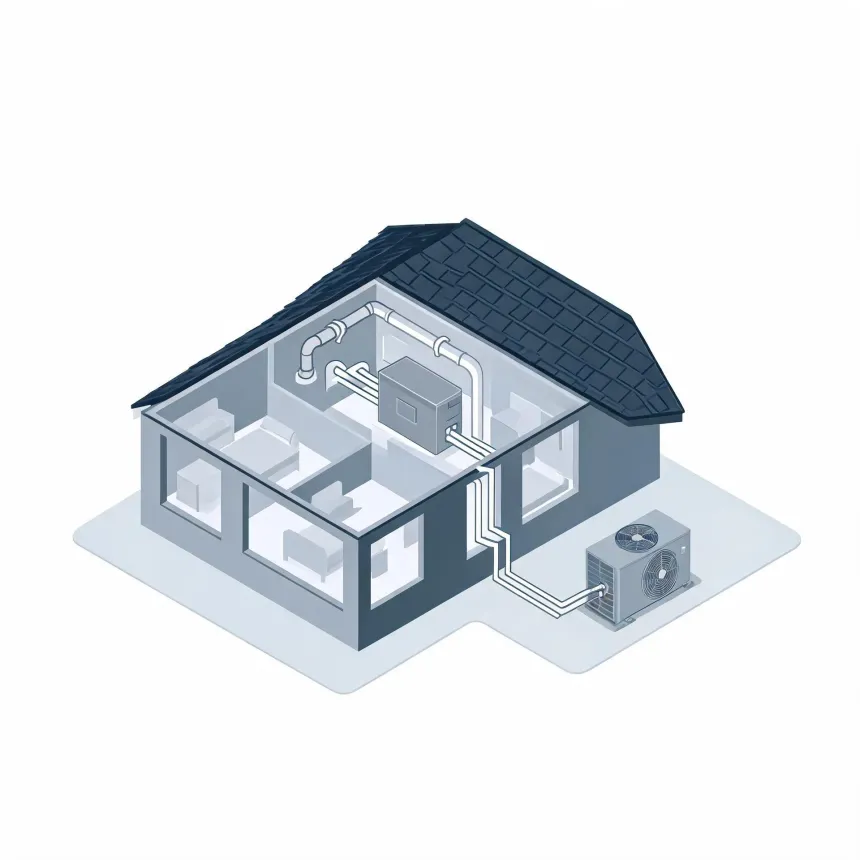
NOAA nClimDiv, 1991–2020 normals
Linn County logged 344 severe weather events between 2015 and 2024, including 139 hail storms and 17 tornadoes.
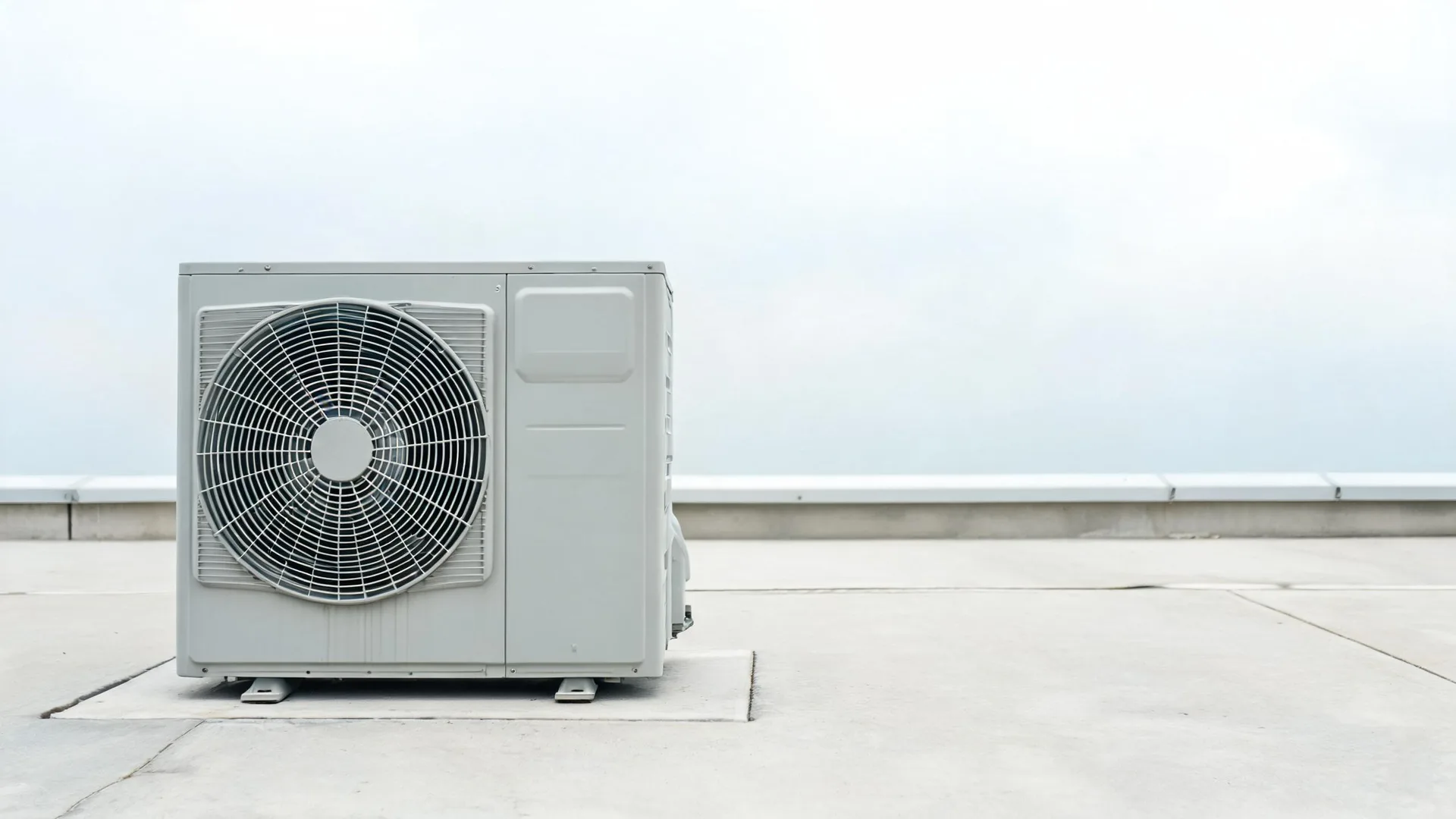
The outdoor unit sits outside through all of it, so where it goes and what shields it matters as much as the model you pick.




Linn County falls in climate zone 5A, a zone the 2021 energy code treats as cool with heating as the bigger job. Any split-system heat pump installed here now has to meet the federal minimum for units built from 2023 onward: at least 14.3 Btu of heat moved per watt-hour over the summer, and at least 7.5 Btu per watt-hour over the winter. That second number carries more weight here, since this is a zone built around heating load. Not every unit on the market clears both bars by the same margin, and the margin is what separates a system that meets the minimum from one that beats it.
At that rate, the difference between a unit that clears the minimum and one that beats it shows up on every bill, not just the first one. Picking the right system now is what decides which one you get.
Find a contractorHeat here does not stop at freezing and start again. Winter storms, heavy snow, ice, blizzards, hit Linn County 30 times between 2015 and 2024. The unit outside has to keep pulling heat from that air for most of the year, then switch over and push back against a dew point that averages 63°F across June, July and August. Two different jobs, both hard, with little break between them. That stretch of running time wears on parts faster than it would somewhere milder, and it is why the unit you pick matters more here than the sticker price suggests.
A heat pump has to be sized to the heat loss and heat gain of the house, not just the square footage. That means a load calculation, checking the windows, the insulation, how much duct run is involved. A unit sized off a rule of thumb can end up oversized or undersized, and either one costs you later even if it costs less to install today.
If the existing ducts are sized for a furnace, they may not move enough air for a heat pump, which often runs longer at a lower output. Modifying or replacing duct runs, adding returns, sealing leaks, all of that is labor before the outdoor unit ever gets set. A straightforward swap onto ductwork that already works right takes a lot less of the install than one that needs the duct system reworked.
The efficiency rating on a heat pump's label is a ratio, not a guarantee. It tells you how much heat the unit moves for the electricity it uses, measured at a set of standard conditions in a lab. Two units with the same rating can still behave differently once installed, because the rating doesn't account for duct leakage, a unit sized wrong for the house, or a refrigerant charge that's off from day one. A higher rating costs more up front and should cost less to run, but only if everything else around the unit lets it work the way it was tested to. A heat pump choked by undersized ductwork or short-cycling because it's oversized will burn more electricity than the label promises, no matter what number is printed on it. The rating is the ceiling. What the installer does determines how close the unit gets to it.
Hail is part of that wear. Linn County had 139 hail events between 2015 and 2024, and the outdoor unit takes that weather sitting in the open, no matter how well the inside of the system is sized or installed. A cabinet and coil built to hold up under that are worth checking before you buy, the same as the efficiency rating. None of that shows up on the sticker price either, only on the unit after a few seasons outside. Ask what the coil and cabinet are rated for, not just what the label says about efficiency.