


Normal drainage
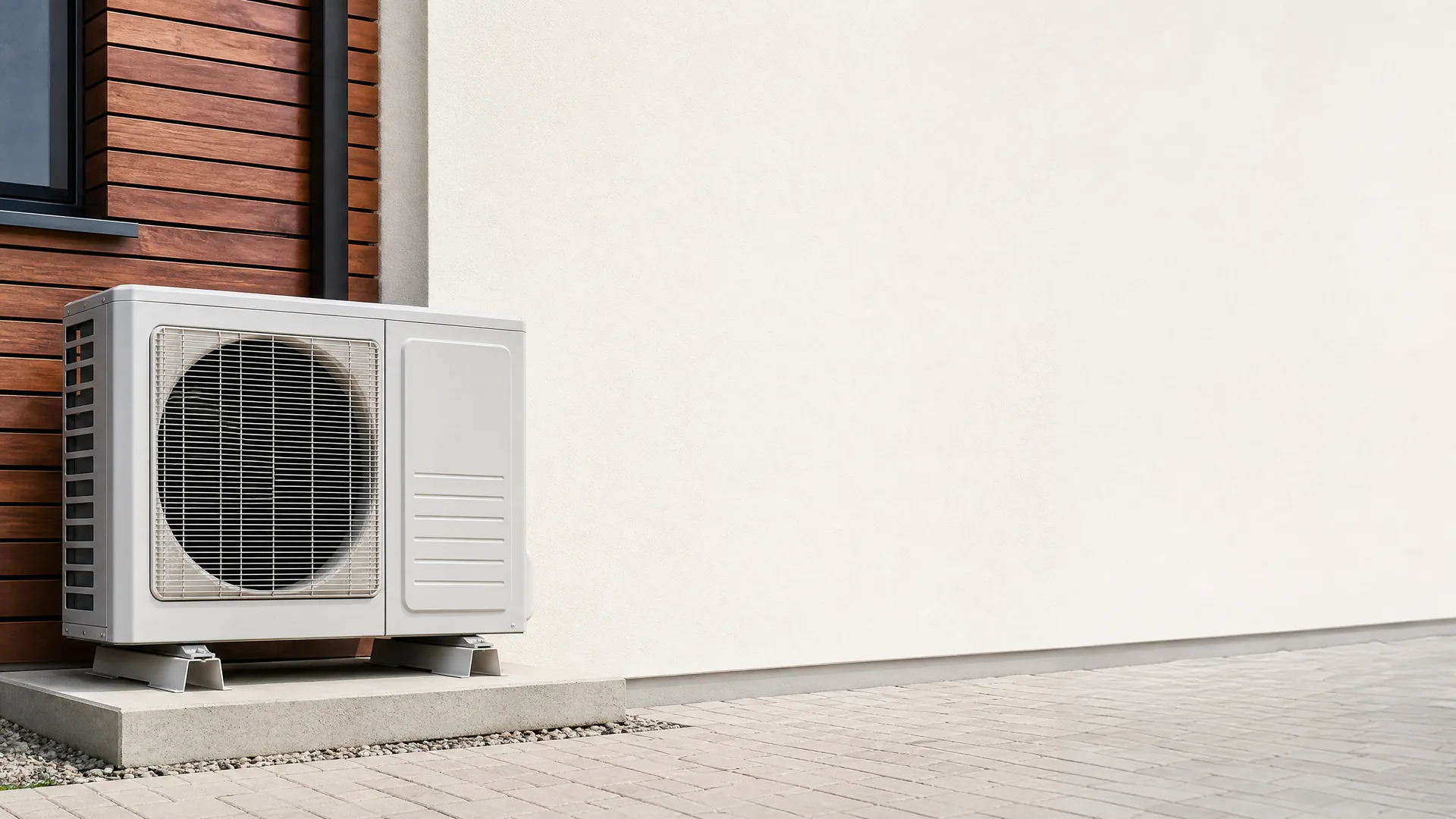
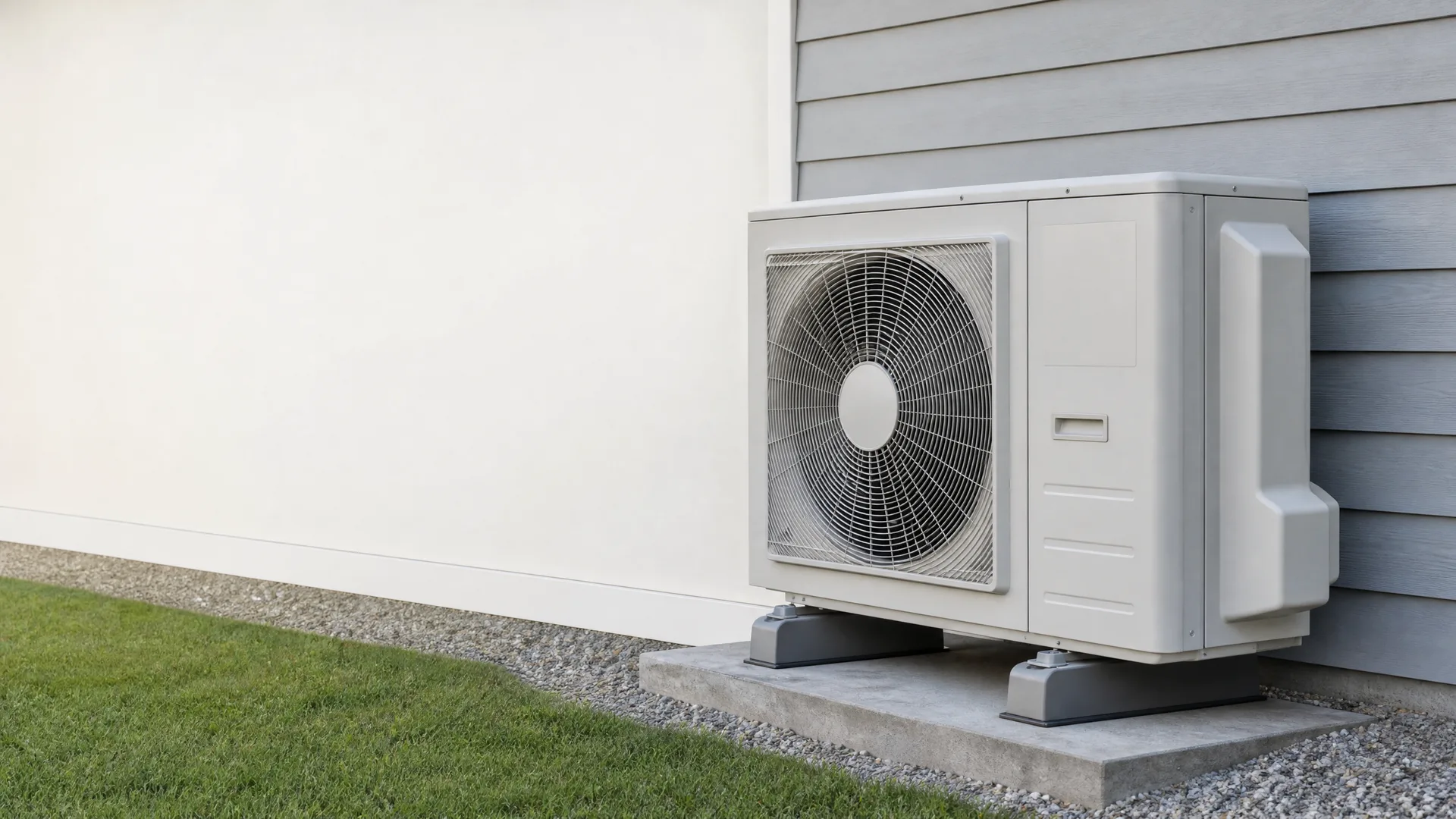
A heat pump that's running right drains condensate away through its line without any mess at the base. The pad stays clear, the coil stays clean, and you'd have to look closely to see any moisture at all around the unit.
A Warren County pro who repairs heat pumps gets your request.
Request a proYou walked by your outdoor unit or your indoor air handler and found water where it shouldn't be. A heat pump that's dripping or pooling water isn't normal, and you want to know if this is something to worry about or just a quick fix before it causes damage to your floor or your closet.
Your heat pump pulls moisture out of the air as it cools, and that water is supposed to run out through a condensate drain line into a drain or outside. Algae and dirt build up inside that line over time and block it, so the water backs up and spills out of the pan instead. It can also mean the drain pan itself has cracked or rusted through, or that the line was never sloped right to drain on its own. In summer here, with the humidity running high for months, your system is pulling more water out of the air than it does the rest of the year, so a partial clog that did nothing in April can overflow by August. A frozen coil thawing out is another common cause, and that usually points to low refrigerant or restricted airflow rather than the drain itself.
A heat pump that's running right drains condensate away through its line without any mess at the base. The pad stays clear, the coil stays clean, and you'd have to look closely to see any moisture at all around the unit.

Dirt, grass clippings, and plant matter packed into the fins block airflow across the coil. That buildup backs up condensate or ices the coil, and water starts showing up on the pad or inside near the air handler, which is a sign the unit needs a look.

This outdoor unit sits clean on its pad, conduit running up to the disconnect box without a mark on the siding. Condensate leaves through the line on its own. Nothing pools at the base, nothing stains the concrete.

This unit has caked dirt across the cabinet and coil. That buildup restricts airflow and can back water up where it's not supposed to collect. Left alone, it stains the siding and softens the pad underneath it.

If that water is coming from the indoor air handler, it's landing somewhere in your house, not out in the yard. A closet floor, a basement slab, the subfloor under a utility room. Drywall wicks it up, wood floors cup and stain, and a cracked drain pan will keep dripping as long as the system runs. Warren County summers get sticky enough that your heat pump runs long hours pulling moisture out of the air, which means more condensate moving through that line and more chances for a clog to back it up and send water somewhere it doesn't belong.
You don't have to figure out whether it's the line, the pan, or the coil before you call someone. That's the part a licensed contractor sorts out once they're looking at your unit. What you can do now is stop guessing which company in the area actually handles heat pumps and start with one that's already matched to your situation, someone who'll reach out to you directly instead of you working down a list of numbers hoping for a callback.

The condensate line carries off the water your heat pump pulls out of the air as it runs. That water picks up dust and the same algae that grows in any damp, dark tube. Over time that buildup narrows the line until it backs up and finds another way out, usually the drain pan or the unit itself. A line that's clear shows no sign it's even there.
Under the indoor coil sits a drain pan meant to catch any overflow and route it to the drain line. Pans are often plastic or thin metal, and years of standing water can crack or rust one through. Once that happens, water drops straight past the pan to whatever is underneath it instead of leaving through the line like it's supposed to, no matter how clear that line stays.
At 12.17 cents a kilowatt-hour, running the blower or an emergency strip heater while you sort out a leak won't hit your bill hard. The bigger cost is what standing water does to your floor or basement slab if the drain stays clogged.
EIA-861 2025




Skip calling shops to ask who repairs heat pumps in Warren County.
Asking costs nothing, and the choice to hire stays yours.
A heat pump does two different jobs depending on the season, and each one makes water in a different place. When it's heating your house, the indoor coil is cold, so it pulls moisture out of the air passing over it, same as the AC coil in a furnace setup. That water drips into a pan, runs through a trap, and leaves through the condensate line. That part works the same whether you're heating or cooling. The second job only happens in winter. When frost builds up on the outdoor coil, the system reverses itself for a few minutes to melt it off, and that meltwater has to find its way off the pad or out of the base pan. If the reversing valve that controls that switch is sticking, the unit can end up defrosting more than it needs to, which means more water at the outdoor unit than you'd normally see. Where the pad sits matters too. If it's settled or tilted the wrong way, that meltwater runs back against the cabinet instead of off the edge. Indoors, most systems have a float switch in the drain pan meant to shut the unit down before a clogged line lets water rise high enough to spill over. If the pan itself is cracked or has come loose from the coil, water never makes it to the line or the switch at all, and no amount of clearing the drain will stop it.
Winter nights average 17°F
Eight months of heat means eight months of defrost cycles, and every one of them sends more water down that outdoor drain.
Heat runs October through May
Nights averaging 17°F push your heat pump into defrost more often, and each cycle melts frost into water the unit has to shed fast.
Cooling runs June through September
Four months of cooling means four months of condensate draining off the indoor coil, right alongside the heating season drainage.
NOAA nClimDiv 1991-2020
A heat pump leaking water almost always comes down to a clogged condensate line, a cracked drain pan, or ice buildup that's melting faster than the line can carry it off. Indoors, that water is getting into your closet floor, your basement slab, or the subfloor under a utility room, and the longer it sits the more it costs you in warped wood or stained drywall. Outdoors, some water at the base during a thaw is normal, but a steady puddle or ice creeping up the cabinet is not. You don't need to guess which one you're looking at, and you don't need to spend your evening calling around Warren County to find out. A licensed contractor who knows how these systems drain in Indianola winters can tell you in minutes whether this is a clogged line or something worse, without you having to describe the problem three times to three different companies before someone gives you a straight answer.

Find a heat pump repair pro in Warren County




