Heat pump not cooling in Sioux City, IA
Why is my heat pump running but not cooling the house?
You walk by the vents and feel air moving, so the system is running, but the house stays warm. On a sticky Sioux City afternoon that's confusing: if it's not shut off and not frozen up, why isn't it working? The fan running is not the same as the system actually cooling, and that gap is usually where the real problem is hiding.
The refrigerant side isn't doing its job, even though the fan is
A heat pump cools by moving heat out of the house through refrigerant, not just by blowing air. If the blower runs but the air isn't cold, the refrigerant side has stopped working even though the fan hasn't. A low charge from a slow leak, a failing compressor, or a dirty outdoor coil that can't release heat are the usual reasons. In Sioux City's humid summers, a coil caked with cottonwood fluff or cut grass loses a lot of its capacity fast, and a unit already low on refrigerant will struggle even harder once temperatures climb into the 80s and 90s. None of these are things to diagnose by ear or guesswork. A licensed technician can check the charge, pressures, and coil condition and tell you which one it is.
Why the outdoor unit matters
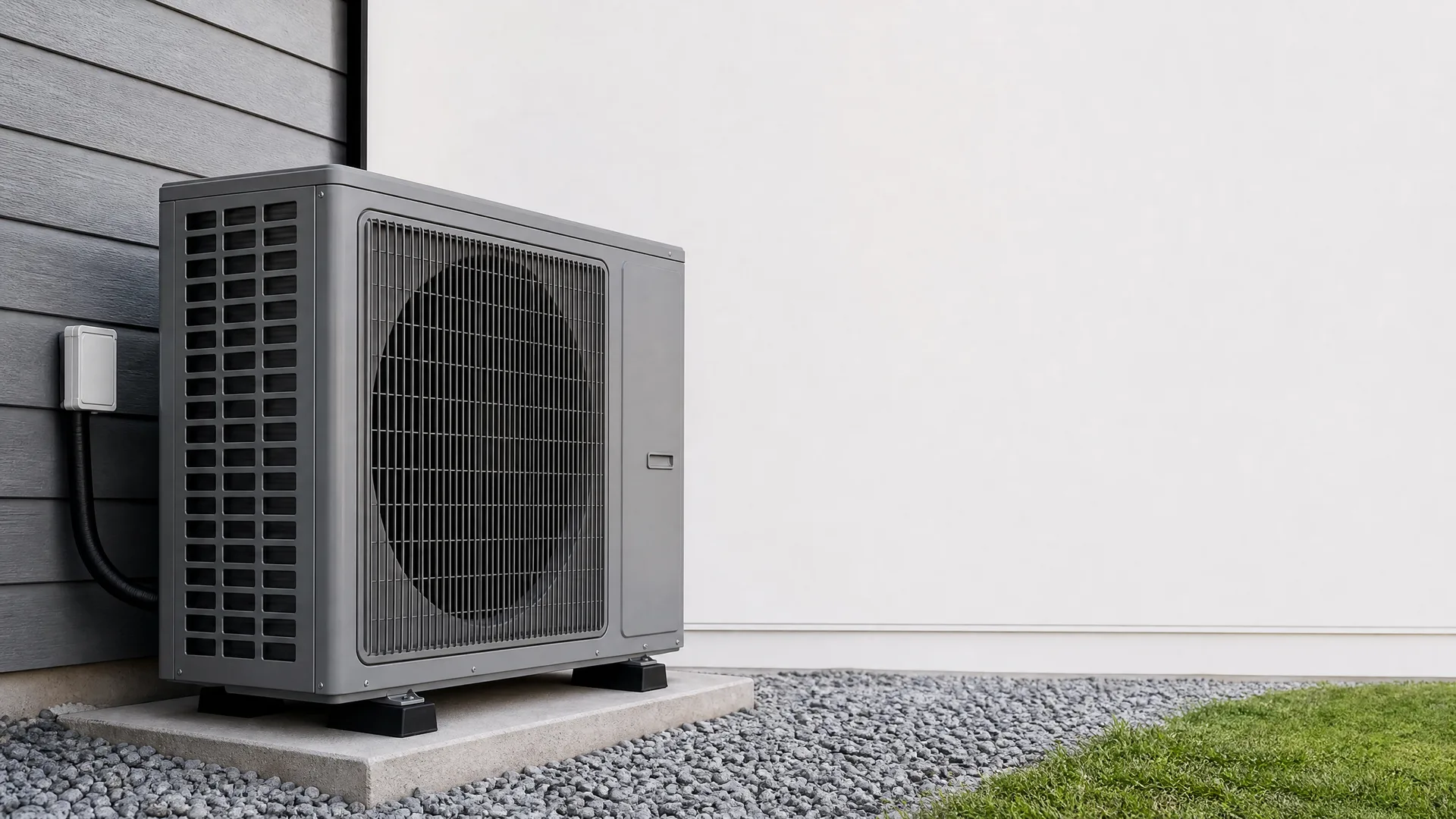
The outdoor unit is doing the actual work of moving heat out of your house. If the coil on that unit is caked with cottonwood seed or mowed grass clippings, the system can't dump heat outside, and the air coming out of your vents stays warm even though the blower runs fine. A heat pump that sits low to the ground near landscaping or a garden bed is more exposed to this in Sioux City than one up on a stand.
The reversing valve can stick
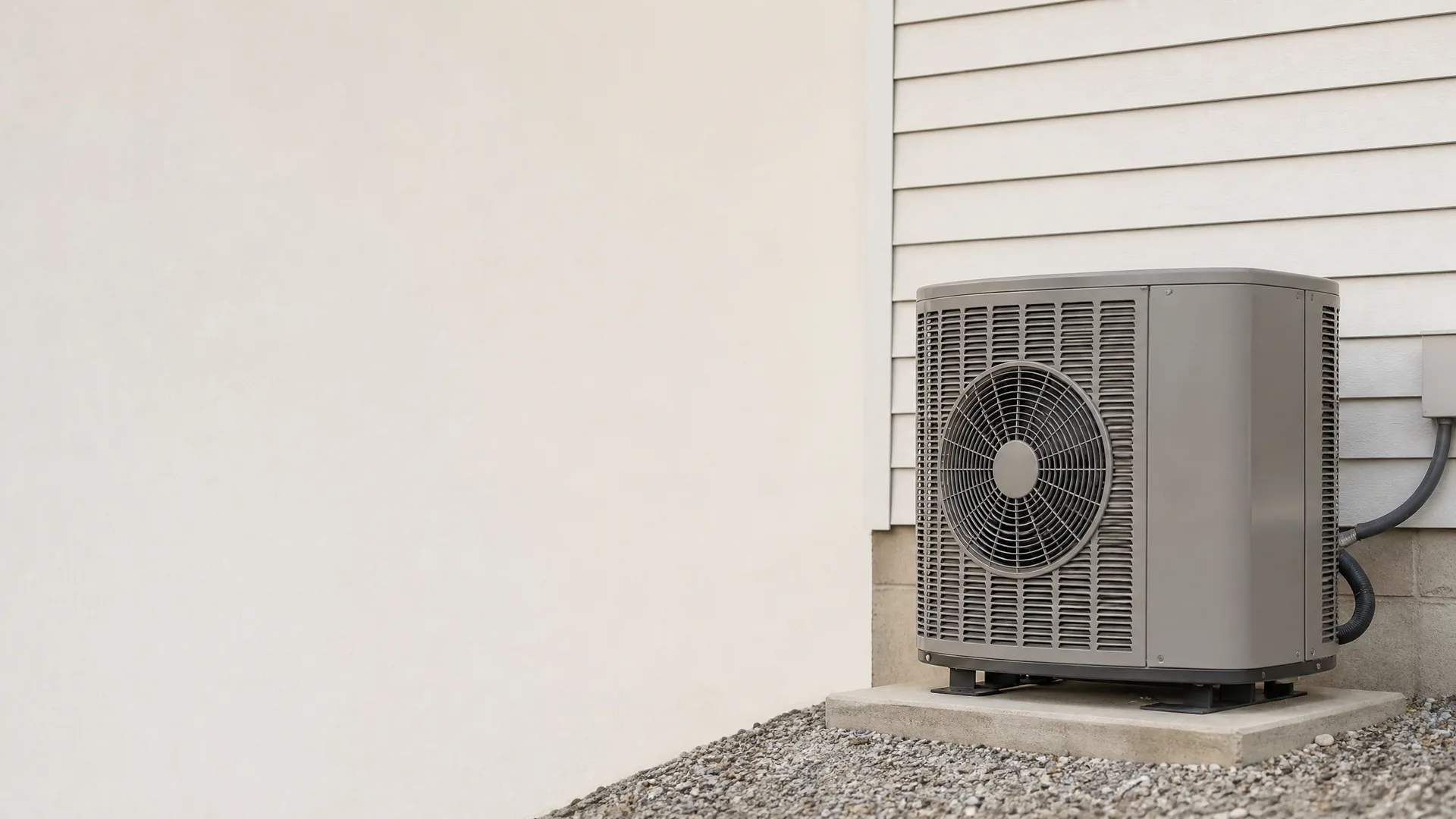
A heat pump switches between heating and cooling with a reversing valve, and that valve can stick in heating position even after you've switched the thermostat over for summer. When that happens, the system runs, the compressor works, and air still moves through the ducts, but it's pulling heat into the house instead of out of it. This is a mechanical failure inside the unit, not a setting, and it takes a contractor to confirm and fix.
Low Charge or Stuck Valve
Low refrigerant charge
- The system has a leak somewhere in the line set or coil, and it's lost enough charge that it can't move heat out of the house.
- Air still comes out of the vents because the blower motor doesn't care how much refrigerant is in the system.
- A gauge set on the outdoor unit will show pressures below what the system needs to run correctly.
- The leak has to be found and sealed before adding refrigerant, or the charge will just leak out again.
- Ice can form on the outdoor coil when the charge runs low, even with the outside temperature well above freezing.
Failed reversing valve
- This valve switches the system between heating and cooling, and if it sticks, the system keeps running in heating mode no matter what the thermostat is set to.
- The outdoor unit and compressor run normally, which is why the system sounds fine while the house gets warmer.
- A stuck valve sometimes can be freed by a contractor, but a valve that won't hold position needs to be replaced.
- This is a part inside the outdoor unit, not something a homeowner can access or test without the right gauges.
- If the lines going into the outdoor unit are reversed from what they should be in cooling mode, this is usually the reason.
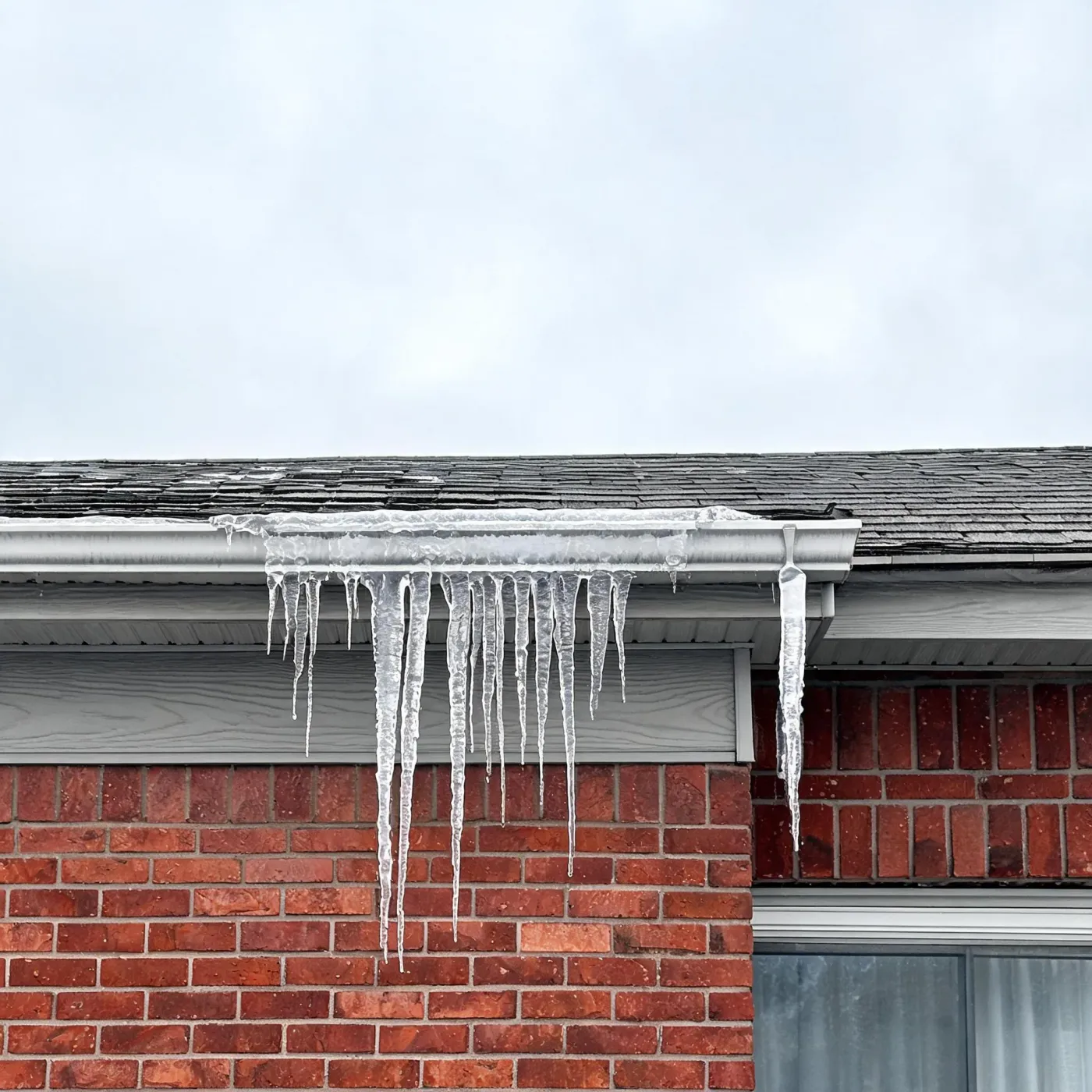
Winter nights average 14°F here, according to NOAA climate data for Woodbury County. That's the other half of what your heat pump has to do. Below freezing, it leans on its defrost cycle to clear ice off that same outdoor coil you'd otherwise worry about clogging with summer debris, and if the reversing valve that switches it between heating and cooling is starting to fail, cold nights are often when it shows up first. A unit that struggled to cool you in July and won't heat right in January usually has one problem, not two. Worth mentioning to whoever looks at it, since it points straight at the valve instead of the coil or the charge.
NOAA nClimDiv 1991-2020
No phone calls to make
A heat pump that runs without cooling usually comes down to a handful of things: a dirty outdoor coil, a refrigerant leak, a failed reversing valve, or a blower that's moving air but not cold air. Sorting out which one you've got means someone opening the cabinet, checking charge with gauges, and testing the reversing valve under load. That's not a homeowner job, and it's not a quick phone diagnosis either. Finding someone to do it usually means searching around Sioux City, calling a few places, explaining the same symptoms three or four times, then waiting on quotes to compare. This page skips that. One request goes to a licensed contractor working in Woodbury County, someone who services this equipment through both the muggy summers and the hard winters here and has seen what tends to fail in each. You're not fielding calls from five different companies trying to win the job. Your house is warm right now and staying that way until the system gets looked at. That's the part worth handing off today.
What a few more days cost you
A heat pump that's running but not cooling doesn't fix itself. Every day it goes on like this, humidity builds up inside the house along with the heat, so rooms feel worse than the thermostat number suggests. If the cause is a refrigerant leak, the system keeps losing charge and the compressor works harder to move what little heat it still can, which is how a cheap repair turns into a compressor replacement. If it's a dirty outdoor coil, nothing gets worse on its own, but you're paying to run a system doing no useful work. Either way, the electric bill reflects a unit that's on but not delivering.
What this means for your house
A house that won't cool down in Sioux City in July isn't just uncomfortable. Upstairs rooms and anywhere with west-facing windows will run hotter than the thermostat reads, because warm air collects where the system can't reach it. If anyone in the house is sensitive to heat, that gap between the thermostat setting and how a room actually feels matters more than the degree. Wood floors and trim can also take on moisture from the humidity a working heat pump would normally pull out of the air. None of this calls for alarm. It calls for someone to find out which of the handful of likely causes you've got.
Winter nights average 14°F
At 14 below freezing most winter nights, that outdoor coil has to shed ice constantly to keep pulling heat into your house. A reversing valve that's stuck or sticking shows up in both directions. It may let cold air through in summer the same way it's letting warm air through now.
NOAA nClimDiv 1991-2020
Where this leaves you
- Air moving from the vents does not mean the heat pump is actually cooling the air passing through it.
- A dirty outdoor coil, low refrigerant, a stuck reversing valve, or a blower problem are the usual causes in Sioux City homes.
- Checking which one you have means a contractor opening the system and measuring charge, not guessing from inside the house.
- The outdoor unit has to work in both summer heat and Woodbury County's 14 degree winter nights, so the same coil issues show up in both seasons.
- Leaving it running without cooling adds humidity and heat to the house and does not resolve on its own.
- A contractor who works on heat pumps in this area through all of it knows which of these failures turns up most.
A heat pump that runs without cooling is telling you something specific, even if it doesn't feel that way standing in a warm room with air hitting your arm. The motion of air is the blower doing its job. Whether that air is actually cold depends on the outdoor coil, the refrigerant charge, and the reversing valve all doing theirs, and in Sioux City any one of those can fail while the rest of the system keeps running like nothing's wrong. That's why you can't sort this out from the thermostat or by standing at a vent. Someone has to get the gauges on it and see where the charge sits, whether the coil outside is blocked, and whether the valve is switching the way it should. The same outdoor unit that struggles with a dirty coil in July is the one clearing ice off itself on a 14 degree January night, so whatever's wearing on it doesn't wait for one season to show up. None of this gets better by running longer. The house holds onto the heat and the humidity both, and the system keeps drawing power without giving you back the cooling you're paying for. A contractor who works on heat pumps around here through the summer heat and the hard winters both has usually already seen whichever one of these is happening in your house, and knows where to look first instead of working through the list from scratch.


One form, no calling around
Sorting out why a heat pump runs without cooling means someone opening the cabinet and checking the coil, the charge, and the reversing valve, not guessing from the thermostat. That's a job for a contractor who works on these systems all summer and knows which of those four usually turns out to be the problem. Submitting this request connects you with a licensed, local contractor, just the one, so you're not fielding calls from several companies or explaining the problem over and over while your house stays warm and muggy.
Your request goes to one pro, not a list of companies.
Sending the form costs nothing.