

A nighttime street view of several illuminated two-story red brick homes with front porches, flanked by a large tree.

Furnace Maintenance in Indianola, IA

Tell us about the job

Takes about a minute. No obligation.

Tune-up, service, or cleaningFurnace or heatingWarren County, IA
Step 1 of 2

What ZIP code is the job in?

Eight months of heat is a long stretch for one machine, October through May most years here. That's most of the calendar spent with the burner firing and the blower running. The igniter, the blower motor, the flame sensor, all of it is working while other parts of the country get a break. Parts that cycle on and off for eight straight months wear at a different rate than parts that rest half the year. A furnace that's never checked during a run that long tends to show its problems once it's already cold out.

Furnace season starts in October here.

September is when to get the tune-up done, before that first cold month puts the furnace to work.

Half these homes are newer, so a lot of furnaces are still worth protecting

Half the homes here were built by 1985
Heat runs October through May
Winter nights average 17°F
Most of Warren County heats with gas54.3% of homes here run on utility gas, more than any other fuel

A furnace usually gives some warning before it quits outright. A burner flame that's yellow instead of blue is burning dirty, and that's worth catching before it trips a safety switch. Short cycling, where the furnace fires up and shuts off again within a few minutes, often means a flame sensor losing its ability to sense the flame or a limit switch tripping early. A blower that runs louder than it used to, or rattles on startup, is usually telling you about a wheel caked with dust or a motor bearing on its way out. Rooms that used to heat evenly and now don't can mean airflow dropping somewhere in the system. A furnace that takes longer to reach the set temperature than it did last winter is already working harder to do the same job. None of these stop the furnace cold the first time they show up, which is exactly why they're worth checking before they do.

Get it checked before it has to work

A furnace that runs eight months straight doesn't get much downtime for wear to announce itself. A tune-up catches a worn part while it's still a small fix, not a cold morning without heat.

Find a contractor
A gray residential gas furnace installed in an unfinished basement, surrounded by ductwork, a metal flue pipe, and a gas supply line.

A real tune-up takes longer than a filter check

A quick visit gets the furnace running and the tech out the door. The filter gets a glance, the thermostat gets a bump, and that's about it. A thorough one takes longer because there's more to actually check. The flame should burn steady and blue, not yellow or flickering, and that takes watching it through a full cycle. The flame sensor gets cleaned, not just looked at, since a film builds up on it that a visual check won't catch. The blower wheel gets inspected for dust buildup that throws off airflow even when the filter looks fine. The heat exchanger gets a real inspection for cracks, because a cracked one can let exhaust mix into the air moving through the house. Gas pressure gets tested and set to spec rather than assumed correct. The igniter gets checked for hairline cracks that won't show until it fails to glow hot enough to light the burner. A tech doing this right pulls the panels, tests the safety switches, and checks the venting for blockage or corrosion. If the whole visit takes less time than it takes to explain all that, something got skipped.

Some wear doesn't show up as a symptom yet

A cracked heat exchanger, a weak inducer motor, a pressure switch that's barely making contact: a furnace can run fine on all of these for a while before it doesn't. The burner still lights, the house still gets warm, and nothing about that tells you what's underneath. A tune-up catches these because the tech is checking the part itself, not waiting for it to announce itself through the vents.
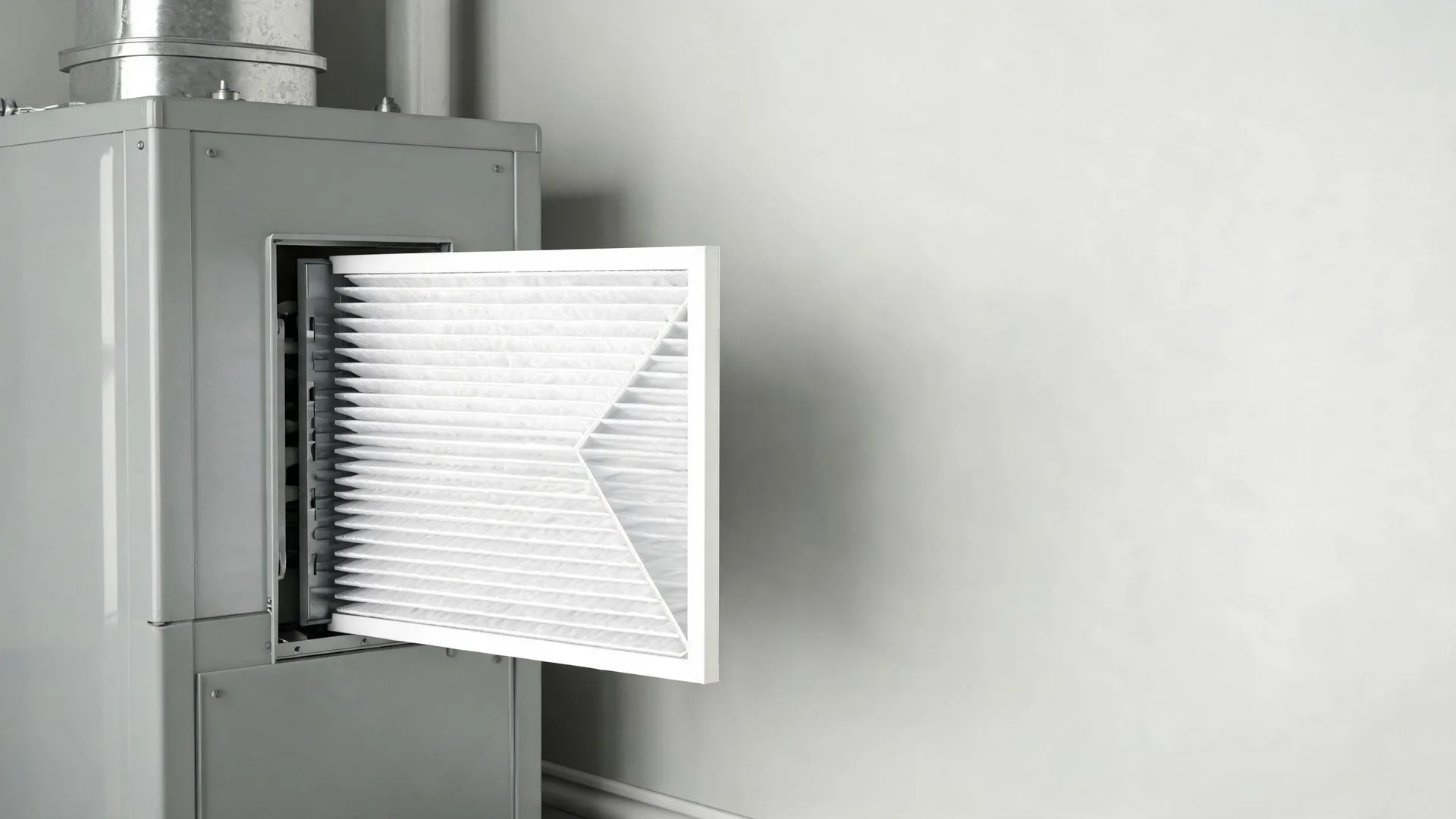
What gets checked is what you can't check yourself

Opening the cabinet and looking at the burner doesn't tell you much. Gas pressure needs a gauge. A cracked igniter can look fine sitting still and still fail under heat. The flame sensor can look clean and still have a film on it thin enough to cause trouble but too thin to see. None of that is a homeowner skipping steps, it's just not visible without pulling panels and testing with the right tools.

Skip a season or two of maintenance and nothing happens right away, which is part of the problem. Dust builds up on the blower wheel a little at a time, and airflow drops before anyone notices the house is taking longer to warm up. A flame sensor collects a film that gets thicker each winter it goes uncleaned, until one morning it can't sense the flame at all and shuts the burner down. Small gas pressure drift goes uncorrected, so the burner runs a little rich or a little lean for years without anyone knowing. None of this breaks the furnace outright. It just means the parts are already worn down by the time something finally fails, instead of being caught while the fix was still simple.

A tune-up isn't one task, it's a sequence, and skipping steps in that sequence is how things get missed. The tech starts by pulling the panels, because nothing underneath is visible from the front of the cabinet. Electrical connections get checked for anything loose or corroded, since a connection that's barely holding can cause trouble long before it fails outright. The condensate line gets checked on a furnace that has one, because a clogged line backs up and shuts the system down on its own. Combustion air intake gets looked at too, since a blocked intake starves the burner of the air it needs to burn clean. Every safety control gets tested on purpose, not assumed to work because the furnace ran fine yesterday. The order matters as much as the checklist. A tech who tests gas pressure before checking for a cracked heat exchanger is checking things in the wrong sequence to catch what actually matters first.