









Furnace pilot light won't stay lit in Indianola, IA

Get matched with a pro who fixes furnaces in Warren County.

Find my pro

A pilot light that won't stay lit almost always comes down to the thermocouple. That's the small metal rod that sits in the pilot flame and tells the gas valve the flame is actually burning. Once it wears out or sits slightly out of position, it stops reading the flame correctly, and the valve shuts off the gas as a safety measure, even though the pilot was lit a minute ago. Dirt or soot on the rod can cause the same problem. Less often, the issue is a draft blowing the flame out, a bad gas valve, or a buildup in the pilot tube itself. With winters as hard as they get around Indianola, a furnace that keeps dropping its pilot is one that will leave you without heat on a night you need it most. Relighting it yourself will work for a while, but if it keeps happening, the part behind it needs to be looked at directly.

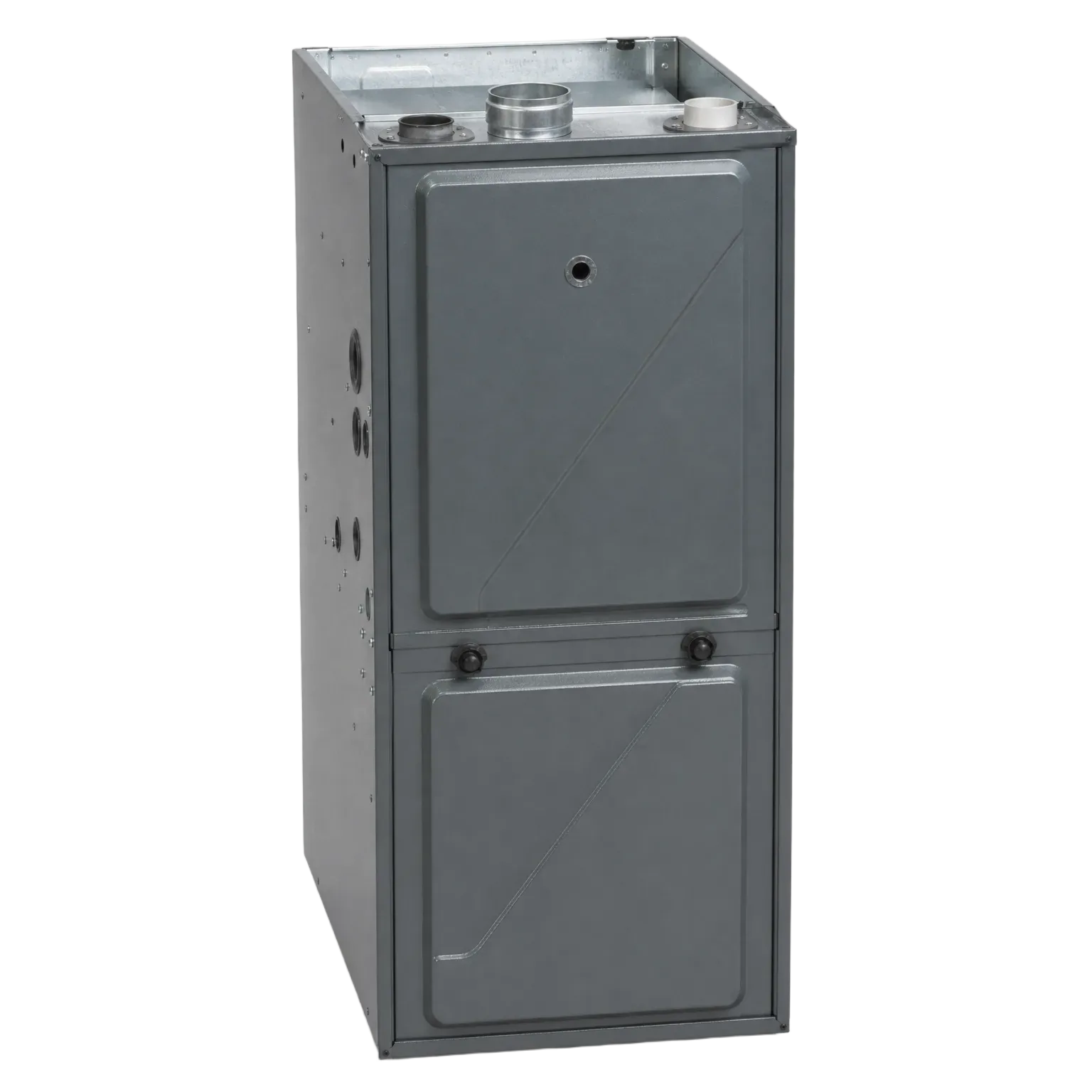
A gray high-efficiency furnace with two access panels stands in a bare basement corner, connected to sheet-metal ductwork, white PVC vent pipes, and flexible gas and electrical lines.

What the thermocouple actually does

The thermocouple works as a safety switch. When the pilot flame heats its tip, it sends a small electric signal telling the gas valve to stay open. No signal, no gas. That's by design, so your furnace can't keep pumping gas into the house if the flame goes out. A thermocouple that's worn, coated in soot, or bent just slightly away from the flame won't heat enough to send that signal, even if the pilot lights fine at first.

A gas furnace with metal ductwork, copper and yellow gas piping stands against a wall in an empty room with a bare concrete floor.

Why it fails more in winter

A thermocouple sees the same flame thousands of times over a winter here, and each cycle wears it down a little more. Warren County furnaces run long and hard from December through February, so a thermocouple that was borderline in November often fails outright by January. Dust and dirt pulled through the burner compartment settle on the tip over time too, which is part of why this shows up more in homes a few years past their last furnace tune-up.

Why does a furnace pilot light matter so much in Indianola?

  • Winter nights average 17°F

    Overnight lows here average 17°F through December, January and February. A pilot that won't hold means no heat on nights when you need it most.

  • Heat runs October through May

    Furnaces in Warren County run from October through May, about eight months. A faulty thermocouple is not a one-time annoyance, it will keep tripping all season.

  • 54.3% of homes heat with gas

    Gas heats 54.3% of homes in Warren County, more than any other fuel. That's why a worn thermocouple or dirty pilot assembly is such a common call here.

NOAA nClimDiv 1991-2020 · ACS 2020-2024

What's really happening at the pilot

  • The thermocouple sits directly in the pilot flame and should glow a steady blue, not yellow or lifting off the tip.
  • A gas valve will shut off in under a minute once the thermocouple stops sending its signal, even if the pilot is still lit when you check.
  • Soot or a greenish film on the thermocouple tip blocks the heat it needs to read the flame correctly.
  • The pilot orifice can clog with dust over a summer of sitting unused, which starves the flame and keeps the thermocouple from heating fully.
  • A thermocouple that's bent even slightly away from the flame will read cold no matter how strong the pilot looks.
  • Tightening the thermocouple connection at the gas valve fixes it as often as replacing the part does.

A furnace pilot assembly is simple, which is why it's easy to diagnose once you know what to look at. The flame itself tells you something. A steady blue flame means good combustion and a clean orifice. A yellow, weak, or lifting flame means the thermocouple isn't getting heated enough to hold the valve open, even for a few minutes. The gas valve isn't being stubborn when it shuts off. It's doing exactly what it's built to do. No signal from the thermocouple means no gas, full stop, because the valve can't tell the difference between a thermocouple that's failed and a pilot that's actually gone out. Either way it treats it as unsafe and closes.

Dust is the usual culprit after a furnace sits idle all summer. It settles in the pilot orifice and in the burner assembly, and it takes surprisingly little to choke the flame down to where it can't heat the thermocouple tip fully. Soot does something similar by coating the thermocouple itself, insulating it from the heat it needs to read. Position matters just as much as cleanliness. A thermocouple that's drifted even a few millimeters out of the flame will read cold no matter how the pilot looks to your eye.

Not every fix means a new part. The thermocouple threads into the gas valve, and that connection can work loose over time from heat cycling. A tech will often check that connection and the pilot assembly's position before concluding the thermocouple itself needs to come out.

A gray-haired man in a dark green knit sweater sits on a beige sofa with a dark cushion, looking to the side, with a potted plant, shelves and sunlit windows behind him.
A gray-haired man in a dark green sweater sits smiling on a sofa in a sunlit living room, with a houseplant, shelving unit, and dining table visible behind him.
A middle-aged man in a dark denim shirt sits on a light beige sofa in a living room with wooden shelving and a potted plant, looking off to the side.
A gray-haired bearded man in a dark green sweater sits on a light sofa indoors, looking to the side, with a houseplant, framed picture, table lamp and sunlit window behind him.

A furnace pro near you

The pro who reaches out is licensed in Iowa.

There's no charge for the request.

Trying a pilot reset yourself

Most furnaces have a reset button near the gas valve, usually marked pilot. Holding it in while you relight the pilot gives the thermocouple time to heat up and send its signal before the valve can close again. This works fine if the thermocouple is just slow to respond, and it costs you nothing but a few minutes. It won't fix a thermocouple that's worn out, cracked, or sitting out of position in the flame. If the pilot lights, holds while you hold the button, then goes out again once you let go, that's your answer. The part needs replacing, not another attempt at relighting.

Calling someone who knows gas valves

A thermocouple looks simple, but it has to sit at the right distance and angle in the flame to read it correctly, and gas valves vary by furnace brand. Get it wrong and the furnace either won't light or shuts off again in minutes. Someone who works on furnaces around Warren County every winter has likely seen your exact valve before and knows what else tends to fail alongside a bad thermocouple, like a dirty pilot orifice or a loose connection at the valve. A local, licensed contractor can check the whole pilot assembly in one visit instead of leaving you to guess which part is actually causing it.

A beige furnace with two access panels stands against a concrete basement wall, with galvanized sheet-metal ductwork, a white PVC pipe, flexible conduit and insulated ducting around it.
Before you get your furnace repair
A gray furnace with white PVC vent pipes stands beside sheet-metal ductwork in a basement with a smooth concrete floor, exposed wood framing, and plastic sheeting on the walls.
After you get your furnace repair

A pilot that won't hold doesn't fail politely. It usually goes out at night, while the house is asleep and the thermostat is doing nothing about it. By morning the inside temperature has dropped, and if it's one of the colder nights, pipes along the outside walls are the ones that feel it first. Relighting the pilot seems like a fix, but it isn't one. Each relight asks more of a thermocouple connection that's already failing, so the next outage tends to come sooner than the last. Once the gas valve locks out, nothing you do at the thermostat matters. You can turn the dial all you want. The furnace won't respond until the pilot problem itself is corrected. And every failed attempt burns a bit of gas for no heat at all, since the flame drops within a minute or two of lighting. For a house with kids, or anyone who can't afford a cold night, a pilot that keeps cutting out isn't something to keep working around through a Warren County winter.

What a failing pilot costs you

  • A furnace that won't hold pilot can sit dark for hours before anyone notices, often overnight when the house is coldest.
  • Pipes along outside walls are the first to suffer once the furnace stops cycling, especially on nights near 17°F.
  • Relighting the pilot over and over wears the thermocouple's connection further and makes the next failure come sooner.
  • A furnace stuck in lockout won't respond to the thermostat at all, so turning up the heat does nothing until the pilot problem is fixed.
  • Every attempt to relight burns a little gas without producing heat, since the flame drops out again within a minute or two.
  • A household with young kids or anyone who needs steady heat can't rely on a pilot that keeps failing through a Warren County winter.
A woman with shoulder-length graying brown hair in a cream knit cardigan sits in a dark armchair indoors, looking off to the side with a slight smile, with a shelf, window and houseplant blurred behind her.
A woman with dark hair in a bun sits on a grey couch holding a sleeping child wrapped in a knit blanket, with a lit lamp and potted plant blurred in the background.
A dark high-efficiency furnace on a concrete pad in a basement, connected to galvanized ductwork, white PVC vent pipes, and copper and black gas piping, with concrete walls and wood framing nearby.

Furnace running right

A steady pilot keeps the burner cycling on demand, pushing warm air through the ductwork without interruption. The thermocouple holds its signal, the gas valve stays open when it should, and the furnace answers the thermostat the same way every time you need it.

A gas furnace with a louvered upper panel stands on a concrete pad in a basement, flanked by sheet-metal ductwork, white PVC and metal pipes, and insulated columns.

Pilot won't hold

The flame catches, then dies within seconds, and the furnace sits cold until someone notices. A worn or misaligned thermocouple is usually behind it, and no amount of relighting fixes a rod that can't send a strong enough signal anymore.

Why does your pilot light keep going out

You relight it, it holds for a minute, maybe an hour, then you walk by later and the flame is gone again. Sometimes you catch it right when the burner should be kicking on and nothing happens. The house feels a little cooler than it should, or the thermostat says 68 but it doesn't feel like it. You might notice the pilot flame itself looks weak or yellow instead of a steady blue before it goes out. If this keeps happening overnight, the furnace sits cold for hours while everyone sleeps, and on a hard Warren County winter night that matters more than it would in October.

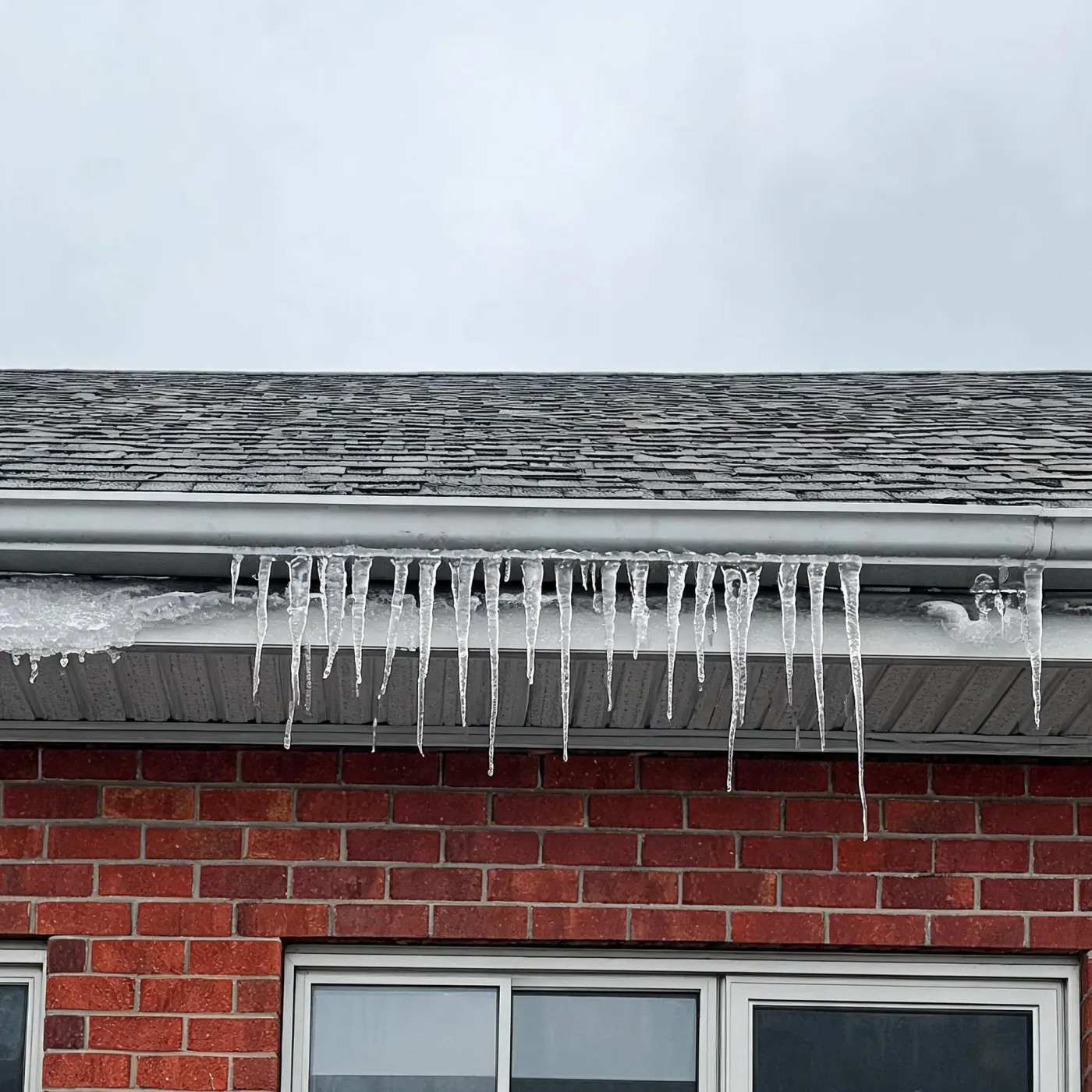
Icicles hanging from a white gutter along the edge of an asphalt-shingle roof on a red brick house, with a window below and overcast sky above.

The 17°F average covers December, January and February, and that's the stretch when a pilot that won't hold matters most. A furnace that drops out at midnight in weather like that doesn't catch back up fast. Bedrooms go cold first, then the rest of the house follows, and by morning you're relighting a pilot in a kitchen that's lost ten degrees overnight. Warren County winters don't give a furnace much margin for a thermocouple that's failing. If yours keeps going dark, this is the stretch of the year it picks the worst nights to do it.

NOAA nClimDiv 1991-2020

A man with a duffel bag walks up a concrete path toward a white board-and-batten house where a woman stands in the open wooden front door, flanked by potted plants and black lanterns.

A pilot that won't hold is a thermocouple problem, not a mystery

A worn or misaligned thermocouple is behind almost every call like this. You can reset the pilot yourself and it may hold for a while, but if the rod itself has gone bad, it will keep happening, usually at the worst time. That's not something to guess at through another cold night in Warren County.

Getting it checked by someone who works on furnaces around Indianola every winter means they've already seen this exact failure plenty of times and know what to look for first. You'd be matched with one contractor, local and licensed, who takes it from there and reaches out to you directly. No guessing which part to replace, no second night spent relighting a pilot that won't stay lit.

A shallow dark wooden bowl and a stack of books rest on a wooden table in front of a beige sofa with linen and green cushions, with a tall ceramic vase of thin branches beside a window in the background.
A dark gray high-efficiency furnace with two white vent pipes and connected sheet-metal ductwork stands in an unfinished basement with concrete walls, a support pole, and a small window.

Get matched with a furnace pro in Warren County

RepairFurnace or heatingWarren County, IA
Step 1 of 2

What ZIP code is the job in?


