What to do when the heat goes out in Muscatine, IA

RepairFurnace or heatingMuscatine County, IA
Step 1 of 2

What ZIP code is the job in?

First, check the simple things. Make sure the thermostat is set to heat and the batteries aren't dead. Check your breaker panel for a tripped breaker, since the furnace blower and ignition both run on electricity even in a gas furnace. If those check out and you still have no heat, the problem is likely with the igniter, the flame sensor, or the pressure switch, parts that commonly fail and need a trained eye to replace. In Muscatine, most homes heat with gas, and winters here get cold enough that a furnace down for even a day or two is a real problem, not just an inconvenience. Don't wait it out hoping it fixes itself. A furnace that won't light or won't stay lit needs a repair tech who can diagnose the exact part at fault, and a local contractor who works on these systems all winter will know what tends to go wrong first in homes like yours.

A gray high-efficiency furnace with white PVC vent pipes stands beside sheet-metal ductwork and a water heater in an unfinished basement with concrete walls and wood framing.

Furnace running right

Warm air moves steady from every vent, and the furnace cycles on and off without you noticing it. No burning smell, no odd noises, no short cycling. The flue pipe stays clear and the blower runs quiet. This is what a healthy furnace looks like all winter.

A beige gas furnace with a metal flue pipe stands in a basement against concrete block walls, beside sheet-metal ductwork, copper and white plastic pipes, and a water heater at right.

Furnace in trouble

The blower runs but the air coming out is cool, or the furnace clicks and won't light. You might hear banging or a screech from the cabinet, or smell something burning near the vents. An older unit working this hard in a Muscatine winter needs a look before it quits for good.

Why does a furnace in Muscatine County have so much riding on it?

  • Winter nights average 17°F

    Overnight lows average 17°F in December, January and February, so a furnace that quits at 2 a.m. is more than an inconvenience.

  • Heat runs October through May

    Heat runs from October through May here, about eight months, which is more time for a worn part to fail than most places see.

  • 70.1% of homes heat with gas

    70.1% of homes in the county heat with gas, so a gas furnace problem is the common call, not a rare one.

NOAA nClimDiv 1991-2020 · ACS 2020-2024

A beige high-efficiency furnace in an unfinished basement, with white PVC vent pipes, a yellow gas line, metal ductwork, and exposed wood framing on a concrete floor.

Furnace installed and venting correctly

This is a newer high-efficiency furnace with PVC pipes carrying exhaust out and drawing combustion air in. The ductwork connects clean to the cabinet, and the gas line and wiring are secured to the wall. Nothing here is working against the furnace.

An older beige furnace with two louvered vent panels stands on a concrete basement floor, connected to galvanized ductwork and a metal flue pipe, with gas piping and flexible conduit on the wall behind.

Furnace showing its age

Black iron gas pipe and a round metal flue tell you this unit vents through a chimney, not PVC. Older furnaces like this one lean on that flue staying clear and that gas line staying sound. When either one fails, the furnace can't heat safely until a contractor sorts it out.

A woman with long light-brown hair in a gray knit sweater sits in a living room looking off to the side, with a sectional sofa, houseplant, lamp, wooden table and large windows behind her.
A woman in a chunky gray turtleneck sweater sits indoors looking off to the side, with a blurred dining table, chairs, pendant lamp and window behind her.
A woman in a cream knit sweater with her hair in a bun stands near a window, looking off to the side, with a gray sofa, houseplant and open kitchen with pendant lights blurred behind her.
A woman with long brown hair in a cream knit sweater stands near a window, looking to the side, with a white sofa, shelving, and a hallway visible behind her.

A furnace does a lot before warm air ever reaches a vent. The thermostat calls for heat, and the inducer motor starts first, pulling air through the heat exchanger to clear the way. A pressure switch has to confirm that draft is moving before anything else happens. Only then does the igniter get power, glowing hot for a short stretch before the gas valve opens and the burners catch. A flame sensor is watching by this point, and if it doesn't see fire quickly, the control board shuts the gas back off and tries the whole sequence again. Miss that a few times in a row and most furnaces stop trying altogether, waiting on you to reset the thermostat or cut power at the breaker. Even once the burners are lit, the blower holds off a minute, because a limit switch wants the heat exchanger warmed up first. That short wait for warm air is the furnace working correctly, not a sign something's wrong.

How a gas furnace lights

  • A gas furnace needs three things to fire: a call for heat from the thermostat, an open gas valve, and a spark or hot surface to light the burners.
  • The inducer motor runs first and pulls air through the heat exchanger, and a pressure switch has to confirm that draft before the igniter even gets power.
  • A hot surface igniter glows for about 15 to 20 seconds, then the gas valve opens and the burners light off that heat.
  • A flame sensor checks that the burners actually caught, and if it doesn't detect flame within a few seconds the control board cuts the gas and tries again.
  • After three or four failed attempts most furnaces lock out and need the thermostat reset or the power cycled at the breaker before they'll try again.
  • The blower doesn't turn on right away because a limit switch waits for the heat exchanger to warm up first, so cold air for the first minute or so is normal.
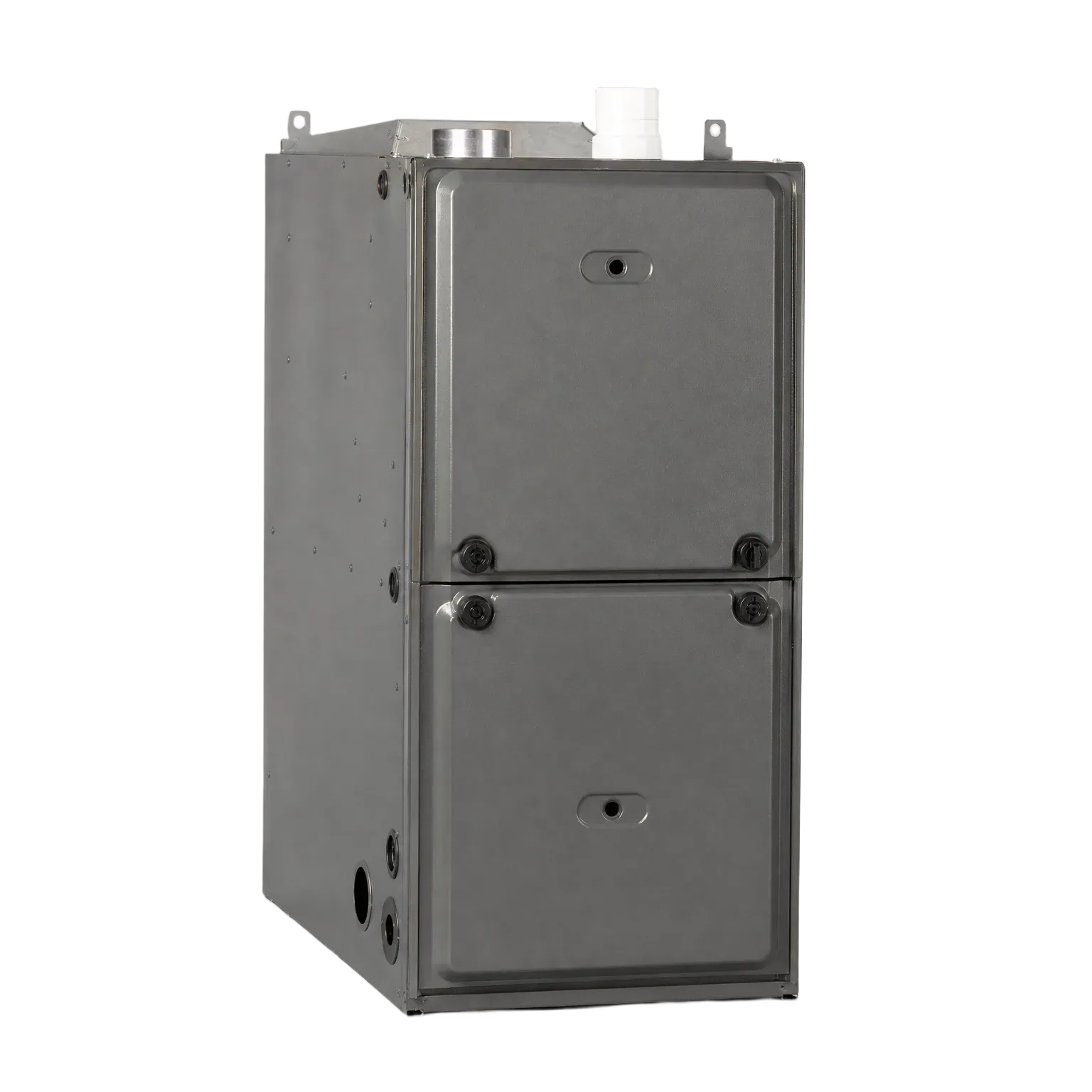
A gray high-efficiency furnace in a basement, connected to sheet-metal ductwork on the left and white PVC vent pipes above, with black gas and drain piping and an exposed wood-stud wall with OSB sheathing on the right.
New furnace, clean installation, PVC intake and exhaust running outside without issue.
An older gas furnace with two louvered front panels stands on a concrete basement floor beside galvanized sheet-metal ductwork, pipes, and a weathered concrete wall.
Louvered panels and rust at the base like this often mean the heat exchanger is near the end of its life.
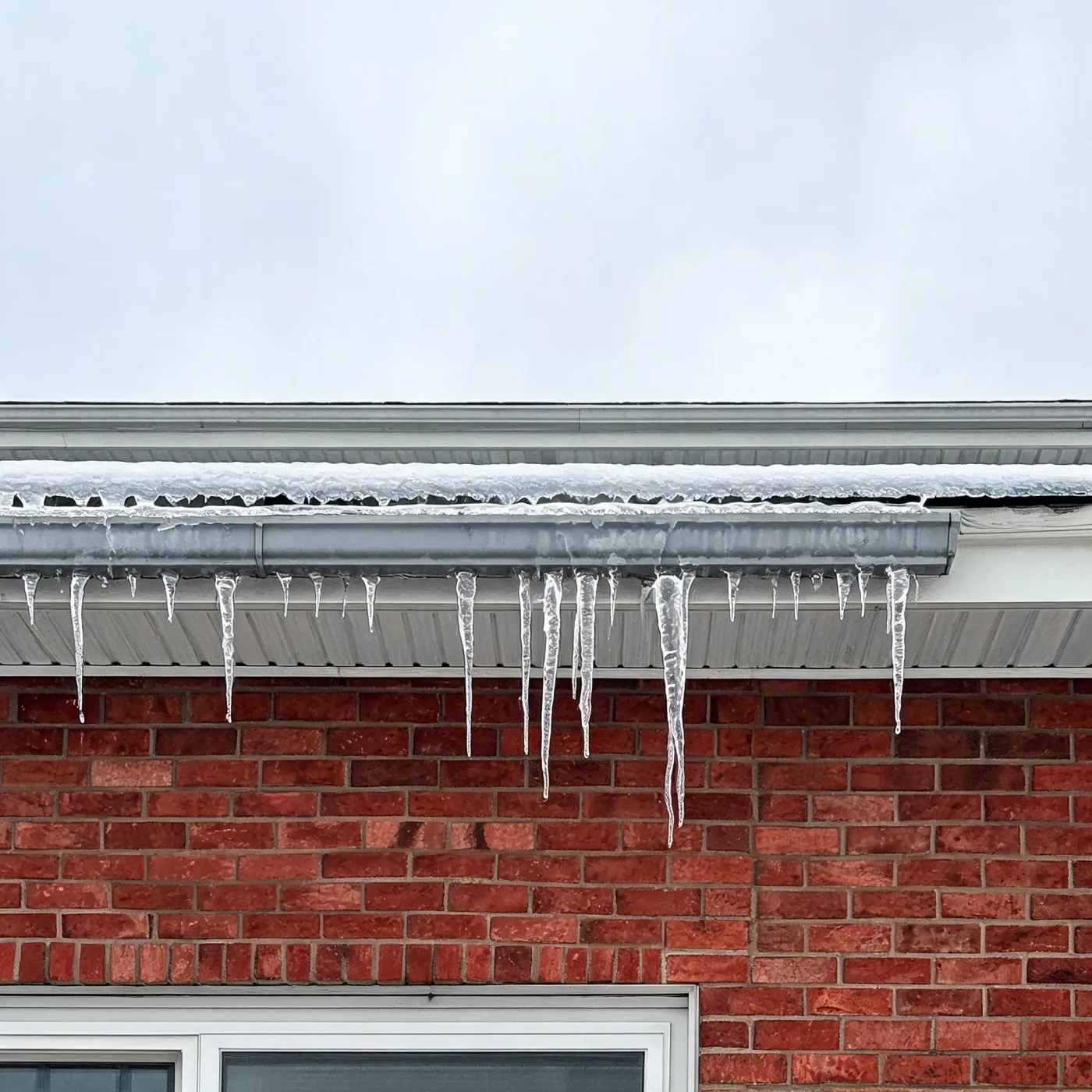
Icicles hang from a snow-covered gutter along the eave of a red brick house, with a white soffit and the top of a window below against an overcast sky.

A furnace that quits in the afternoon gives you time. One that quits overnight does not, and that's when it usually happens, since the burners run longest while you sleep. Winter nights here average 17°F, and a house loses heat fast at that temperature once the blower stops. You'll feel it within the hour, starting in the rooms farthest from the furnace. Send in the request and the search for a contractor is off your plate from that point on. The one who calls knows gas furnaces in this county through every one of these cold months, not just the mild ones.

NOAA nClimDiv 1991-2020

Finding a pro stops being your job

A licensed pro who repairs furnaces in Muscatine County gets your request.

Sending the form costs nothing.

A gas furnace with two gray access panels stands against a plain wall in a basement, connected to sheet-metal ductwork, white PVC vent pipes, and a yellow gas line.

What a cold house does by morning

Pipes along outside walls are the first to feel it. Under 17°F, a few hours without heat is enough to put them at risk, especially any line running through a garage or crawlspace. Kids and older adults in the house feel the drop faster than you do and can't always tell you how cold they've gotten. A space heater in one room helps that room, but it won't keep the rest of the house from losing ground.

A gray high-efficiency furnace in a basement corner with white PVC vent pipes, copper and black gas piping, and sheet-metal ductwork beside a plain white wall and wooden stair framing.

Why this gets expensive fast

A furnace that's struggling but still running is often cheaper to fix than one that's gone quiet. Short cycling, a burner that won't stay lit, or a blower that runs nonstop are signs of a part failing, not a system that's finished. Wait through a few cold nights on a failing part and you risk the heat exchanger cracking, which turns a repair into a replacement. The furnace rarely fails worse by being looked at sooner.

Is this something you can wait out or not

You'll notice it in the vents first. Air that should be warm comes out barely moving, or not at all. The furnace might click and try to start, then shut back down. Some nights it runs nonstop and the house still doesn't warm up. Others it won't fire at all, and you're standing at the thermostat turning it up and down hoping that does something. A burning smell when it kicks on, or a smell that wasn't there before, isn't something to live with. Neither is a furnace that shuts off every few minutes. With lows around 17°F overnight, a house without heat cools fast, and pipes along outside walls are the first thing at risk.

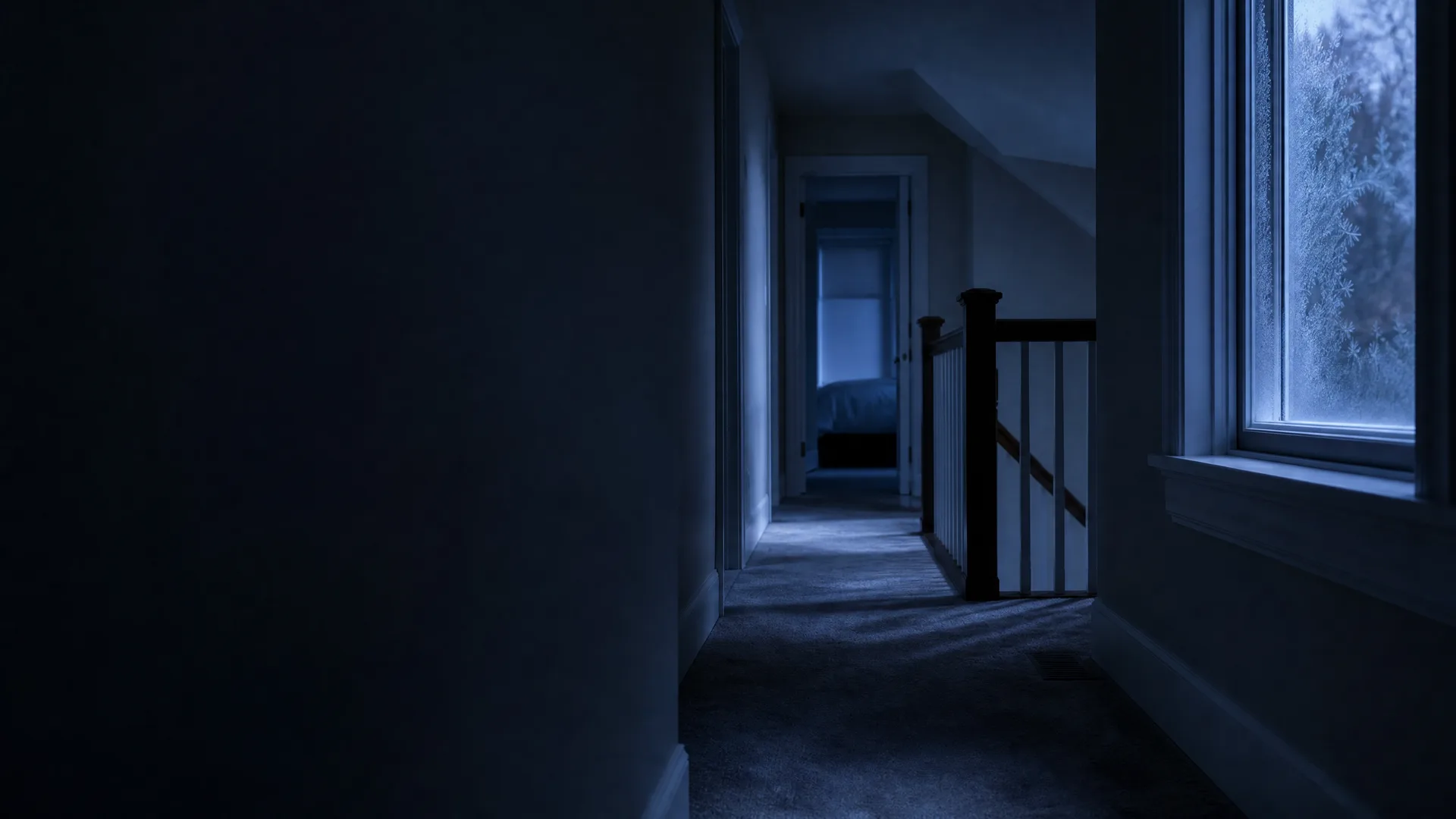
A dim carpeted upstairs hallway at night, with a stair railing on the right, a frosted window letting in blue light, and an open doorway to a bedroom at the end.

The clock on the nightstand reads 2 a.m. You woke up cold, and now you're standing in the hallway in socks, waiting to feel air move from the vent near the stairs. Nothing. You hold your hand over it anyway. Frost has crept up the edges of the window at the end of the hall, and the glass throws back a dim blue light instead of black. The house is quiet in the wrong way, no low hum from downstairs, no tick of the ducts warming up. Outside, Muscatine County is somewhere near 17 degrees. You check the other vents on your way to the thermostat, already knowing what you'll find.
Why does my furnace blow cold air before it shuts off?

It catches people off guard almost every time. The furnace has been running fine, then right before it cycles off, a blast of cold air comes through the vents instead of warm. It feels like something just failed, especially late at night when the house is already cooling down and you're trying to decide if this is the start of a bigger problem.

That cold blast is usually the blower running down, not the furnace failing

When the thermostat stops calling for heat, the burners shut off first, but the blower motor keeps running for a short time afterward. That's normal, it's clearing leftover heat out of the heat exchanger. The cold air you feel is the tail end of that cycle, after the metal has already cooled but before the blower shuts off too. If it happens on every cycle and only lasts a few seconds, the furnace is doing what it's built to do. It's worth paying attention to if the cold air runs longer than usual, comes with a burning smell, or shows up along with the furnace short cycling, since that points to something a contractor should look at.

A woman with dark hair in a bun sits on a sofa with a child resting his head on her shoulder, both wrapped in a cream knit blanket, with a lit lamp and bookshelf in the dim background.
A smiling older woman with gray shoulder-length hair in a cream cable-knit turtleneck sweater stands behind a wooden board holding a round loaf of bread, in a warmly lit kitchen with a dark window and shelves behind her.

Where this leaves you

  • A furnace that won't fire usually comes down to the thermostat, a tripped breaker, the gas valve, or the igniter, in roughly that order of likelihood.
  • A furnace blowing cold air right before shutoff is normal behavior, not a sign the system is failing.
  • Rust and louvered panels on an older unit point to a heat exchanger near the end of its life, while a newer furnace with clean PVC venting rarely has that problem.
  • Overnight failures matter more than daytime ones, since Muscatine County winter lows average 17°F and pipes along outside walls can be at risk within a few hours.
  • A local contractor who works on furnaces all winter here has likely already seen whatever is wrong with yours.
  • Sending one request means one licensed contractor looking at your furnace, not a string of calls from companies competing for the job.

A cold furnace in Muscatine County almost always traces back to one of a few things: the thermostat, a tripped breaker, the gas valve, or the igniter. Cold air for a few seconds before shutoff doesn't belong on that list. That's just the blower clearing the last of the heat from the exchanger, and it happens on a furnace that's working fine. What does belong on the list is what the furnace looks like underneath. Rust along the base and louvered panels usually mean age has caught up with the heat exchanger. Clean PVC venting and a newer cabinet usually mean it hasn't.

None of this changes faster than the hour it happens. A furnace that quits during the day gives you room to think it through. One that quits at 2 a.m., with lows around 17°F, doesn't give you that room, and pipes on outside walls start to feel it within a few hours.

Whatever is wrong with your furnace, it's likely something a contractor who works on these systems all winter in this county has already run into, more than once, in a house not far from yours. Send one request and one licensed local contractor looks at it. Not three companies calling to bid against each other, just the one who's already familiar with what tends to fail out here.

A dark gabled roof with a stone chimney in the foreground, surrounded by deciduous trees, overlooking a wide river and flat green farmland under a hazy sky.

Let someone else find the pro

Hand it over

You're not committing to anything by asking.

A furnace that's quit at 17°F outside doesn't give you much room to wait and see. Sending the request once means one local contractor who works on these furnaces all winter gets to it, instead of you spending the evening on the phone trying to find someone who'll answer.