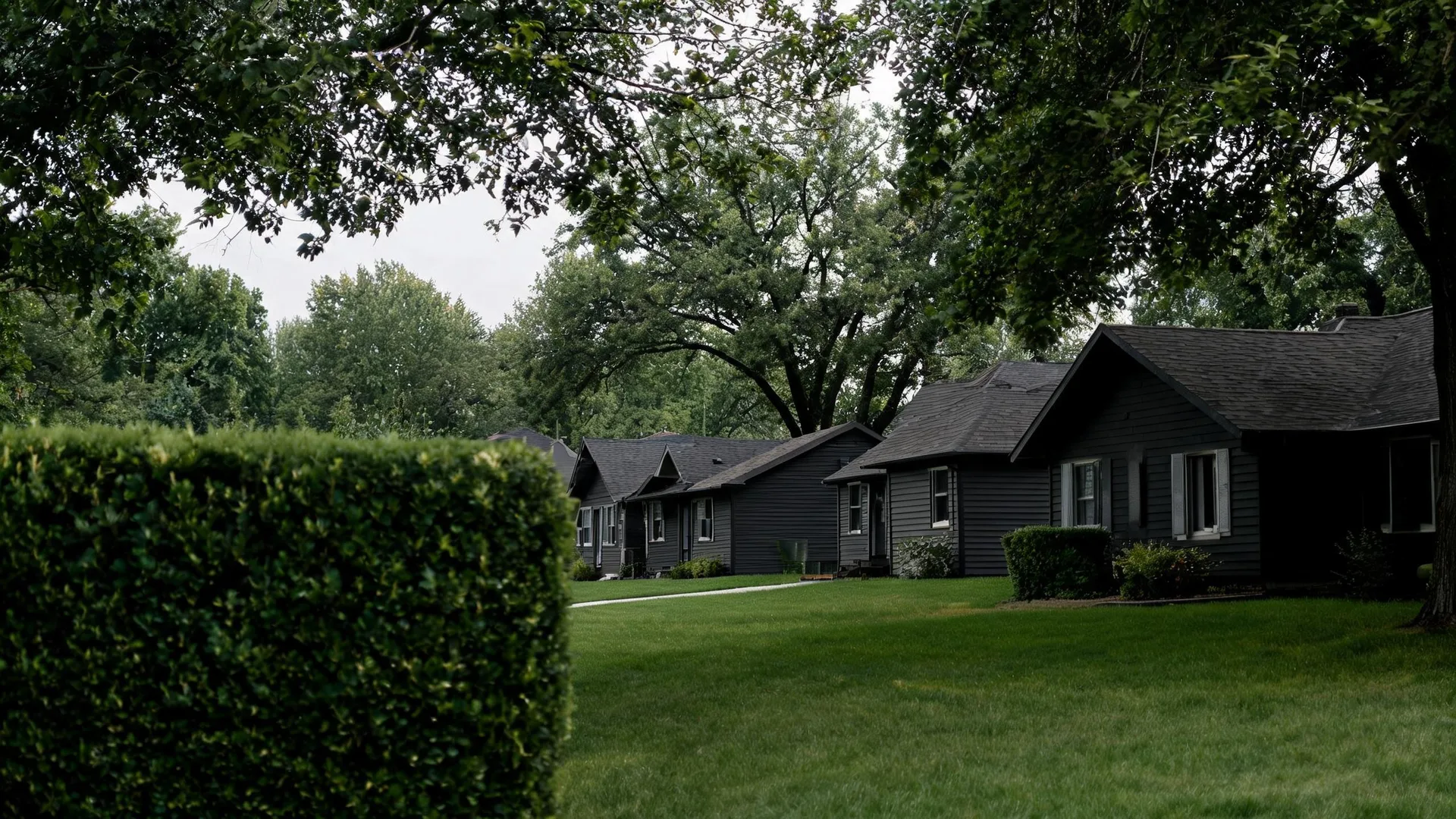



A row of dark-painted single-story cottages with gabled shingle roofs behind a mowed lawn, a trimmed hedge in the left foreground and large leafy trees overhead under an overcast sky.

Furnace Maintenance in Carroll, IA

Tell us about the job

Takes about a minute. No obligation.

Tune-up, service, or cleaningFurnace or heatingCarroll County, IA
Step 1 of 2

What ZIP code is the job in?

Eight months of heat a year is a long stretch on a furnace. October through May, the burner and blower are doing something most homes in this country only ask for half that time. That kind of run time wears on an igniter, a blower motor, a flame sensor, the parts that cycle on and off thousands of times over a winter. A furnace that gets no attention going into October is already behind before the cold really sets in.

Furnace season starts in October here, not a mild stretch into it.

Have the furnace checked in September, before it has to carry the first cold week on its own.

Half the furnaces in this county are at least as old as the house

Half the homes here were built by 1964
Heat runs October through May
Winter nights average 14°F

Gas heats close to six in ten homes in Carroll County, more than any other fuel. That's a burner lighting over and over through a long winter, and a flue carrying exhaust out of the house every time it runs. A tune-up on a gas furnace needs to check more than a filter. The burner has to light clean, the flame sensor has to recognize it did, and the venting has to carry the exhaust out instead of letting it back up into the house. Those are the parts that keep a gas furnace safe, not just warm.

Get the furnace checked before it has to work

A furnace checked before October is carrying less risk into the months it has to run every day. Have it looked at now, while there's still time to get a part ordered if something's worn.

Find a contractor
A gray residential gas furnace installed in an unfinished basement, connected to sheet-metal ductwork and PVC pipes.

Years of winters add up

Half the houses in this county were built in 1964 or earlier. If yours is one of them and the furnace has never been replaced, it's had decades of winters to wear on an igniter, a blower motor, the parts that cycle every time the thermostat calls. A yearly check is what catches a cracked heat exchanger or a worn-out blower motor while it's still a repair and not a replacement.

A cracked heat exchanger doesn't announce itself

A heat exchanger can crack in a spot the burner flame hides from view, and a furnace with a crack like that will keep running and keep heating the house. The only way to find it is to pull the panels and look, sometimes with a mirror or a camera, in the places a homeowner never has reason to check.

A tune-up checks things a filter change skips

Changing a filter doesn't tell you how the flame looks when the burner fires, whether the flame sensor is reading it correctly, or whether the inducer motor is pulling exhaust out the way it should. Those get checked by taking the furnace apart and watching it run, not by looking at it from across the room.

Skip enough tune-ups and a furnace doesn't fail all at once. Dust builds on the blower wheel until it's moving less air than it should, so the furnace runs longer to heat the same rooms. A flame sensor coated in residue starts misreading the flame and shuts the burner down mid-cycle, sometimes a few times a night. An igniter nearing the end of its life draws more current each time it fires until one cold morning it just doesn't glow. None of that shows up as a single clear warning. It shows up as a furnace that runs more, short-cycles, or quits on the coldest night of the year instead of a mild one.

A real tune-up starts with the furnace apart, not just the cabinet open. The burner assembly comes out enough to look at the flame, which should burn steady and blue, not yellow or lifting off the burner. The flame sensor gets cleaned, since a thin film on that rod is enough to make it misread the flame and shut the burner down. The igniter gets checked for cracks and for how it glows when it fires. The blower wheel gets inspected for dust buildup, because a dirty wheel moves less air no matter how strong the motor is. The inducer motor gets watched while it runs, pulling exhaust through the heat exchanger and out the flue the way it's supposed to. Belts aren't part of this on a furnace built in the last few decades, since the blower motor drives the wheel directly, but the bearings and the wiring still get a look. Gas pressure gets checked at the valve, since too much or too little changes how clean the burner fires. None of this is visible with the panels on, which is the whole reason a tune-up means taking it apart and watching it run.