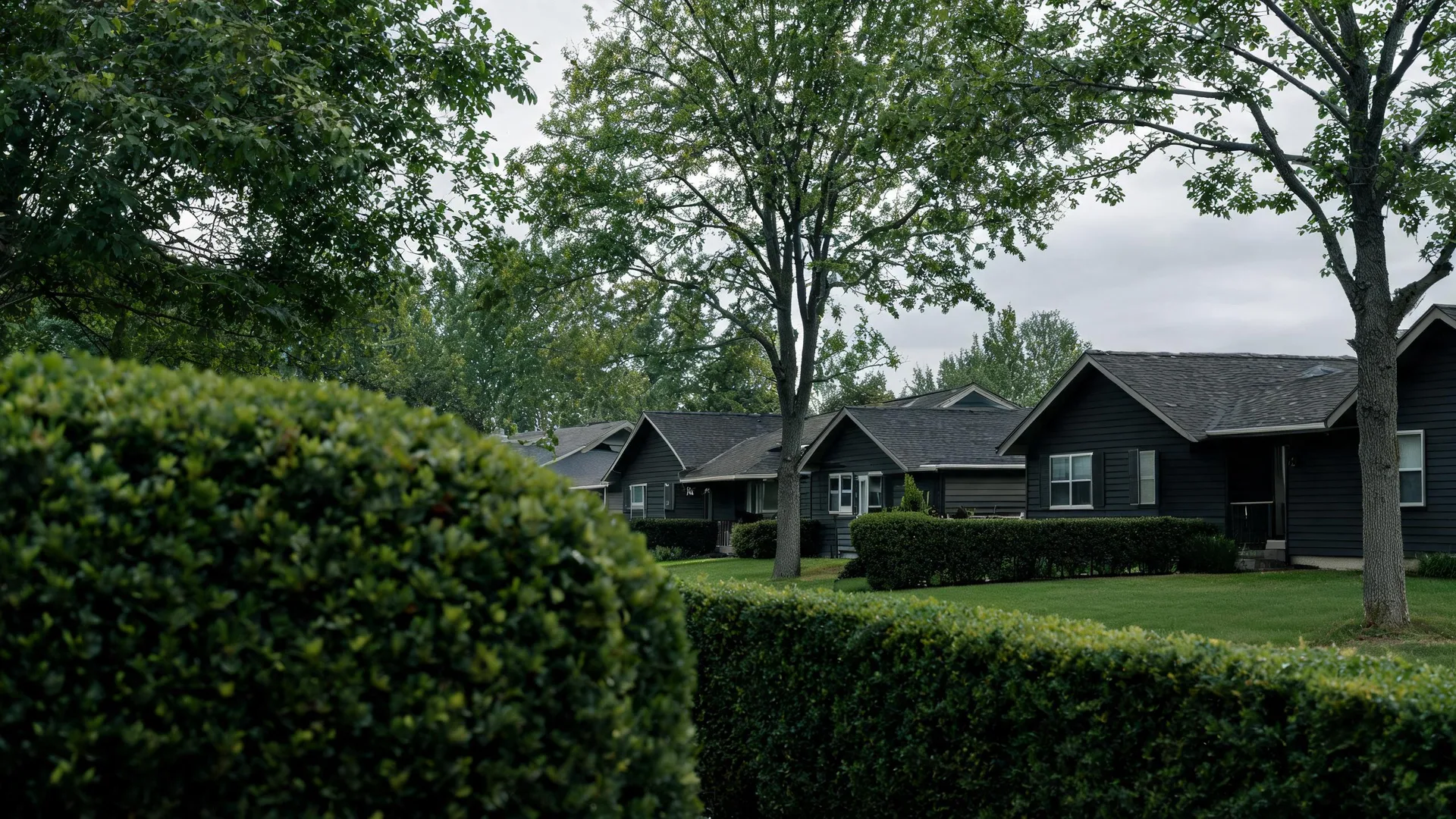
A row of dark-clad single-story houses with gabled roofs behind trimmed hedges, lawn and leafy trees under an overcast sky.

Furnace Installation in Guttenberg, IA

Tell us about the job

Takes about a minute. No obligation.

New system or replacementFurnace or heatingClayton County, IA
Step 1 of 2

What ZIP code is the job in?

Eight months of heat a year

A furnace in Clayton County runs from October through May. That covers most of the calendar, not just the coldest stretch. The burner, the blower and the igniter all see more hours here than they would where heat is a short season.


What that means for installation

A furnace sized for a milder place won't hold up the same way in this county. Get the sizing right for this house, and look past the sticker price to what the unit is built to handle. A cheaper furnace that struggles through eight months of heat is not the better deal.

8 months
October through May, your furnace is on duty
13°F
the average winter night it heats against
80% AFUE
the federal minimum any new unit must meet
Isometric grayscale illustration of a cutaway house showing an interior furnace with a tall flue pipe and ductwork running to rooms under a partially lifted roof.
Your furnace works hardest from November through March.

NOAA nClimDiv, 1991–2020 normals

Half the homes in Clayton County were built in 1960 or earlier.

A furnace going into a house that old has to be sized for that house, not for whatever was in there before.

Most of this county heats with gas, and the next furnace probably should too

44.3% of homes heat with gas
Heat runs October through May
Winter nights average 13°F

Clayton County falls under zone 5A, a cool, humid climate where the heating load drives the standard. Any gas furnace installed here has to turn at least 80 percent of the fuel it burns into heat over the winter, the federal floor set for units built from November 2015 on. That number is changing. Furnaces manufactured from December 2028 onward have to hit 95 percent, a jump that will reshape what's on the market well before most of today's installs wear out. A homeowner replacing a furnace now is choosing equipment that has to serve a house for years under the current rule, not the next one.

Eight months of heat a year, sized for this house

This furnace will run from October through May, year after year. Get the sizing right now and the installation won't be something you're redoing sooner than you planned.

Find a contractor
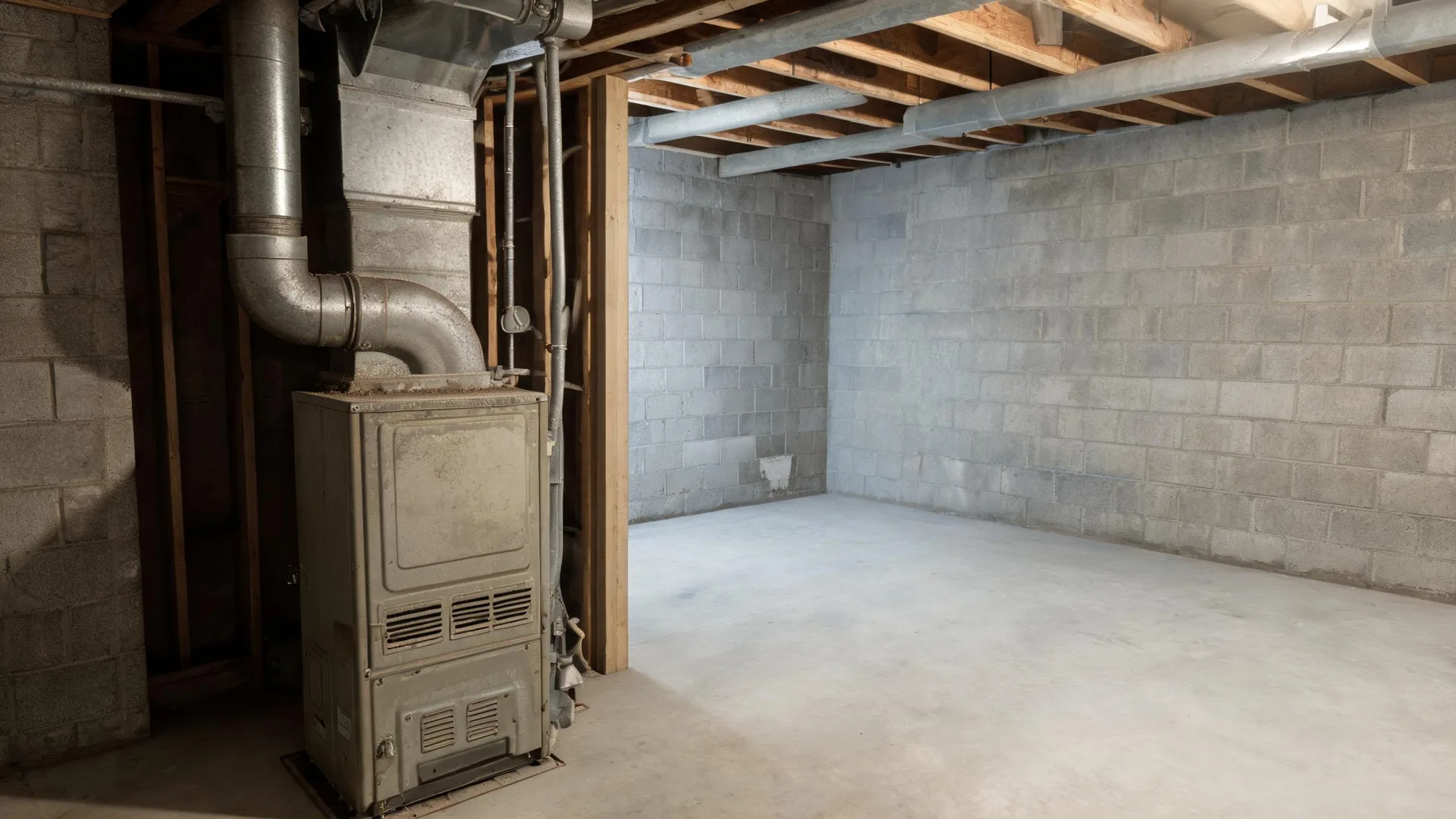
A gray gas furnace with attached ductwork and piping installed in an unfinished concrete basement.

Do it before October, not after

September is the last easy month to get this done. Once October hits, Clayton County homes switch the heat on and it stays on into May. A furnace that's struggling or already out tends to show it on the first cold morning, not before. Doing this in September means picking the unit and the installer on your own timeline, with the old furnace still running as backup while the new one goes in. Wait until the first hard freeze and you're choosing from whoever can get there that week.

Bigger isn't better

A furnace that's too big for the house turns on, blasts heat, and shuts off again before it's done cycling the air through the ductwork. That short cycling wears the igniter and the blower motor faster, and it leaves rooms with uneven heat because the system never runs long enough to even things out. A furnace that's too small just runs constantly and still can't keep up on the coldest days. The right size runs in long, steady stretches and wears the way it's supposed to.

The load calculation

Getting the size right means a contractor works out the heat loss of the actual house, not a guess based on square footage alone. That calculation looks at the walls, the windows, the insulation, the ceiling height, and how the house is laid out room to room. Two houses the same size can need different furnaces if one has more window area or higher ceilings. Skipping this step and matching the new unit to whatever was there before just carries the old mistake forward, if there was one.

An unfinished basement containing a gas furnace with ductwork in the foreground and miscellaneous stored items along the far concrete wall.

A high-efficiency gas furnace would save about $100 a year to run in Clayton County compared with a gas furnace.

  • A high-efficiency gas furnace$480 a year
  • A gas furnace$580 a year

Estimates for a typical Clayton County home, from EIA household energy data, Iowa fuel prices and NOAA climate normals. Your home will differ.

Installation day starts with the old furnace coming out, not the new one going in. The installer disconnects the gas line, the electrical, the venting and the ductwork connections, then removes the unit from the space. Setting the new furnace means getting it level and properly connected to the supply trunk and return, with sealed joints so air isn't leaking out before it reaches the rooms. The gas line gets connected and checked for leaks before anything is fired up. Venting matters as much as the furnace itself, since the exhaust has to clear the house correctly or the unit won't run safely. Once it's hooked up, the installer runs the furnace through a full cycle, checking the temperature rise, the airflow, and the burner flame to make sure everything is working the way it should before calling the job done.