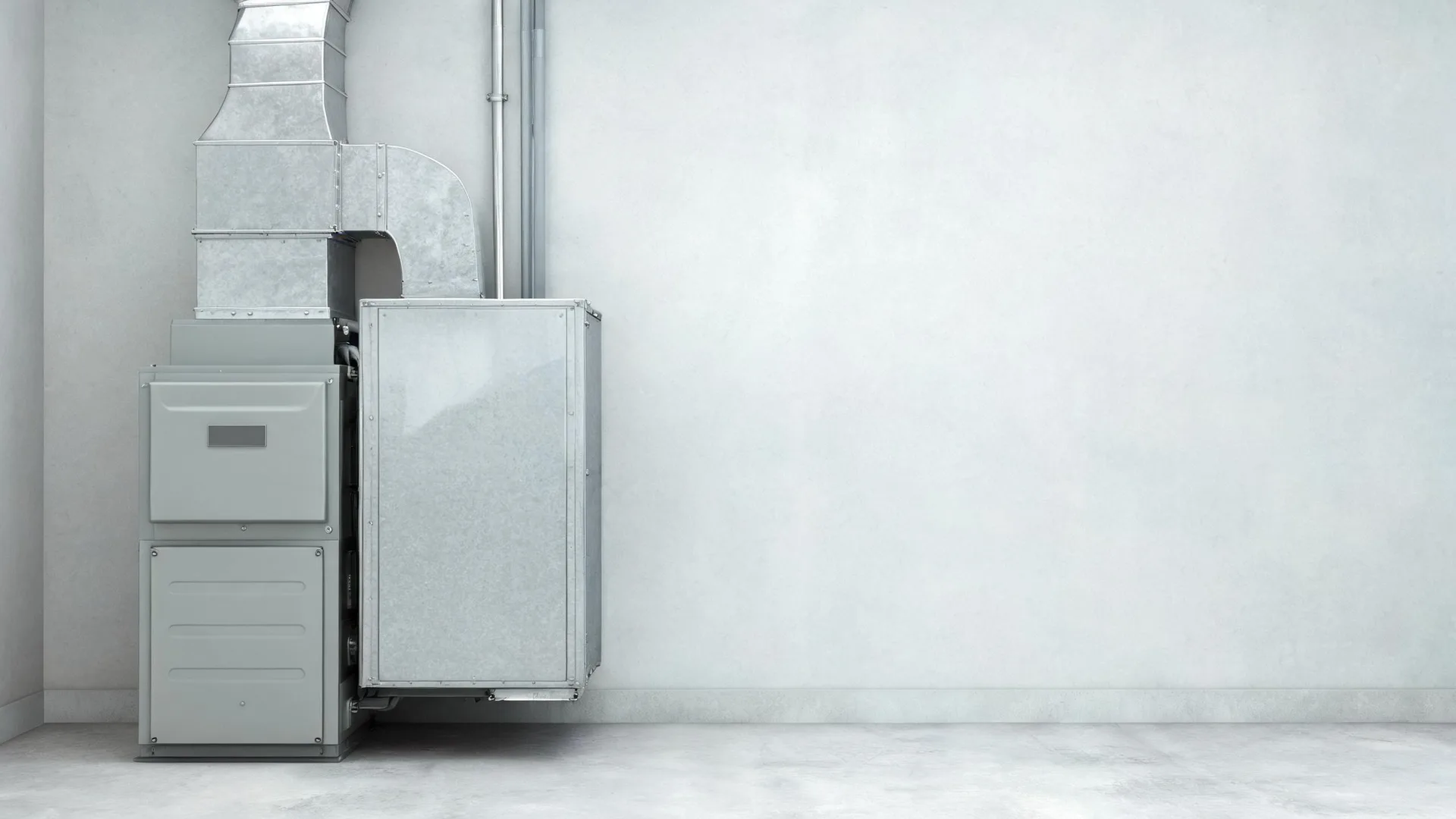
Gas is the common fuel here
Utility gas heats 59.2% of homes in Dallas County, with electricity a distant second at 32.1% and LP gas used in 7.4%. A gas furnace is the system most installers around Waukee work with.
Takes about a minute. No obligation.
Utility gas heats 59.2% of homes in Dallas County, with electricity a distant second at 32.1% and LP gas used in 7.4%. A gas furnace is the system most installers around Waukee work with.
If your home already has a gas line run for a furnace, replacing it with another gas furnace is usually the straightforward option. Switching fuel types means changing more than the furnace itself, so it's worth asking a contractor what that would involve before deciding.
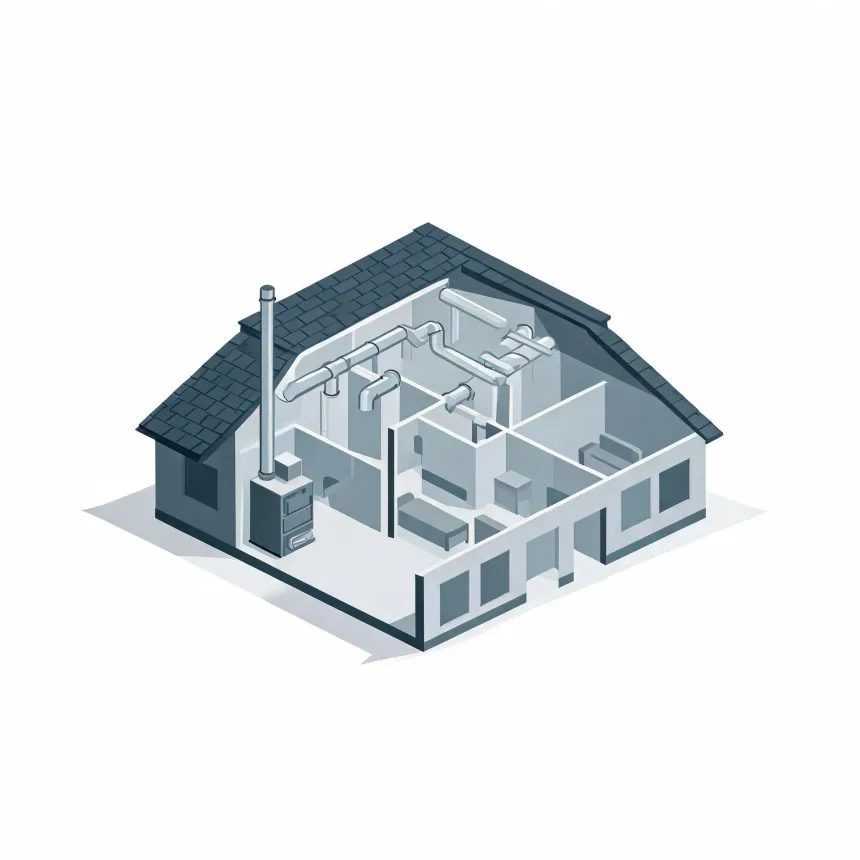
NOAA nClimDiv, 1991–2020 normals
Furnaces in Dallas County start running in October.
Get yours installed before September ends and it's done before you need it.
Natural gas ran $9.69 per million Btu across Iowa in 2024. That keeps a furnace cheap to run here, so chasing the highest efficiency rating isn't where the payoff is. What matters more is a furnace sized and installed right for your home, and one a local contractor can service without trouble down the road.
Find a contractor
What drives the cost of a furnace installation is rarely the furnace itself. Ductwork is often the bigger factor. If the supply and return plenums don't match the new cabinet, the installer has to rebuild that transition, and if the ducts were undersized for the old furnace, they'll choke the new one too. Venting is the other big swing. Running a new plastic vent pipe through a wall or up through the roof takes longer than reconnecting to an existing metal flue, and if the flue is shared with a water heater, that has to be sorted out separately since it can't vent alone once the furnace stops using it. Electrical work adds cost when the new furnace calls for a dedicated circuit the old one didn't need. None of this shows up on the price tag of the unit, but it's where a straightforward swap turns into a longer job.
Once the new furnace is set and running, the installer disconnects the gas line, the vent, and the return and supply ducts from the old one, then carts it away. A furnace isn't worth saving for parts or resale, so it goes to scrap. The job isn't done until the old unit is out and the area around the new one is clear.
An old furnace and a new one often don't vent the same way. Older furnaces vent through a metal flue using the heat of the exhaust to carry it out. Many new furnaces condense and vent through a sealed plastic pipe instead, which means the old flue may no longer be used the way it was. A contractor has to check whether the existing venting works for the new furnace or whether it needs to be changed.
Estimates for a typical Dallas County home, from EIA household energy data, Iowa fuel prices and NOAA climate normals. Your home will differ.
Installation day starts with the house still warm from the old furnace running that morning, if the weather allows it. The installer shuts off the gas and power, then disconnects the ductwork, the flue, and the condensate line if there is one. Setting the new unit means leveling it on its base, connecting the gas line, wiring the control board, and joining the supply and return plenums so the cabinet seals tight against the ducts. Venting gets run or checked next, since that's often where the real work is. Once it's hooked up, the installer fires it, checks the gas pressure, and watches the flame through a full cycle before touching the thermostat settings. The last step is pulling a static pressure reading off the ducts, because a furnace moving air against too much resistance will run hot no matter how well it was installed.