Half these homes were built by 1964
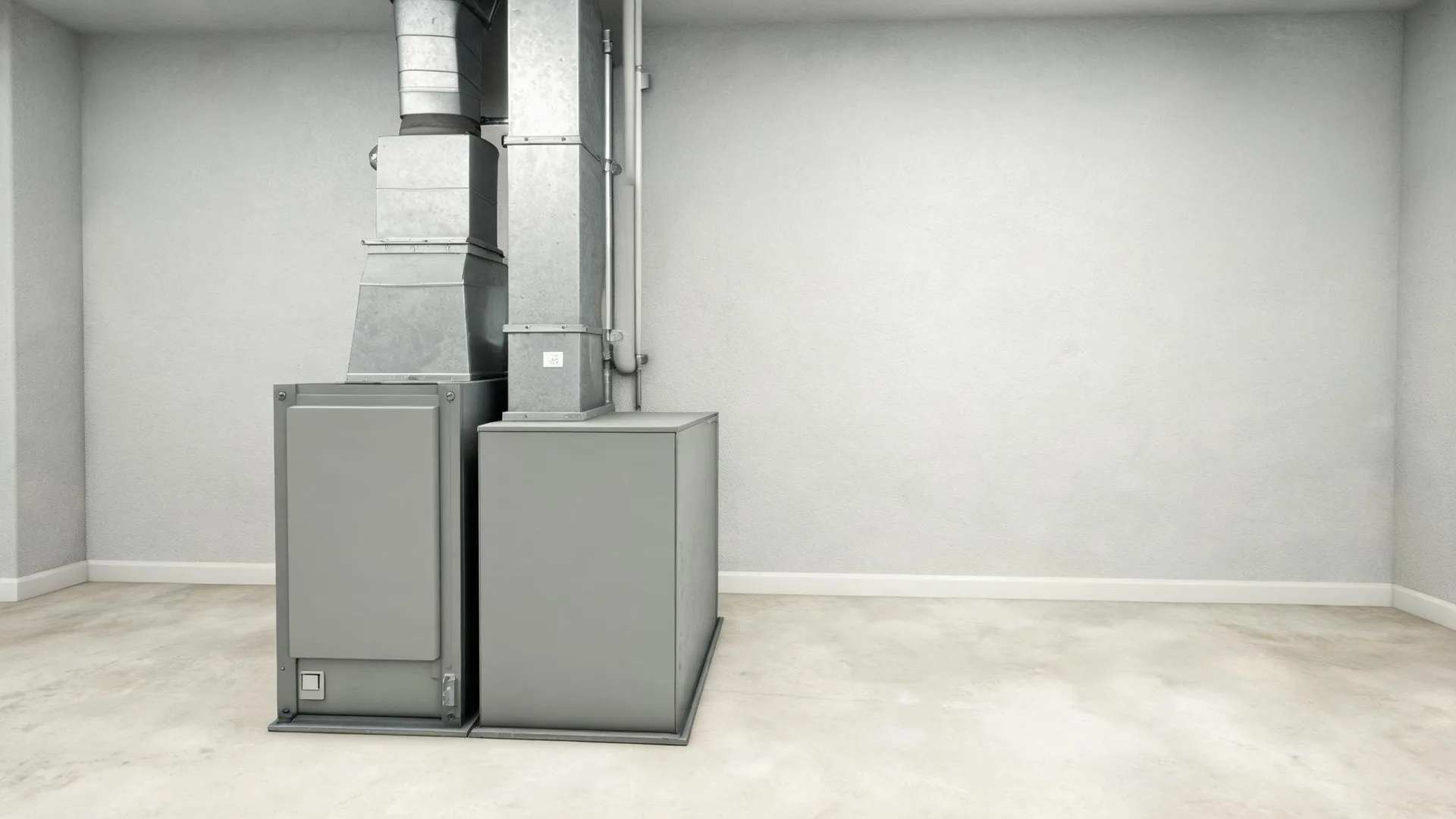
Washington County's housing stock is old. Half the homes here were built in 1964 or earlier. A furnace going into a house that age is working with duct runs and vent paths nobody designed around a modern system.
Takes about a minute. No obligation.
Washington County's housing stock is old. Half the homes here were built in 1964 or earlier. A furnace going into a house that age is working with duct runs and vent paths nobody designed around a modern system.
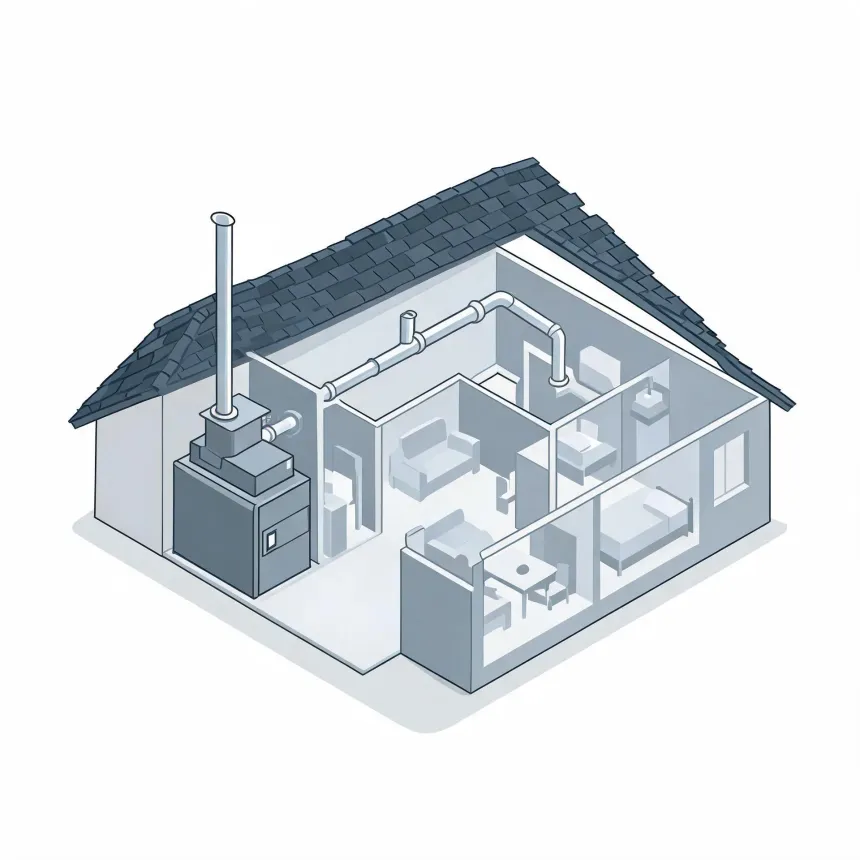
An installer sizing your furnace has to account for the house you actually have, not a generic one. Ductwork and venting already in place shape what unit fits and how it gets connected, especially in a home built before current venting and efficiency standards existed.
NOAA nClimDiv, 1991–2020 normals
Furnaces in Washington County run eight months a year, October through May.
A new system here earns its keep fast, so size it for the job and skip the bargain-bin model.




Utility gas heats 47.8% of homes in Washington County, more than any other fuel. Electricity comes next at 26.8%, with propane heating another 20.3%. If your house already has a gas line run to it, a gas furnace is almost always the straightforward swap, same fuel, same vent path, nothing new to install. Homes on propane face a similar choice, since propane furnaces are built the same way and size the same way as their gas counterparts. Electric furnaces are less common here, worth knowing if you're pricing one against what your neighbors likely have.
If you're replacing a system in an older house, the new one has to fit the house you have.
Find a contractorThat 17°F average overnight low is what a new furnace has to hold against, night after night, from December through February. Ask the contractor for their sizing math before you sign anything. A unit sized off a rule of thumb instead of a load calculation on your actual house will run too long or short-cycle, and either way it's working harder than it should for eight months straight.
The AFUE number on the label tells you how much of the fuel burned turns into heat in the house versus what escapes out the vent. It says nothing about how evenly that heat gets delivered, how quiet the unit runs, or how it handles a stretch of bitter cold. Furnaces with the same rating can still feel different to live with.
A furnace that condenses its exhaust needs a plastic vent pipe running to the outside, with a drain for the condensate. A furnace that does not condense vents through metal pipe or an existing chimney. That difference changes what the installer has to run and where it can go, so the rating decides more than the fuel bill.
Estimates for a typical Washington County home, from EIA household energy data, Iowa fuel prices and NOAA climate normals. Your home will differ.
The old furnace comes out first. The gas line, the ducts, and the vent all get disconnected before the installer sets the new unit in place. Then each connection goes back one at a time. The supply and return ducts tie in, the gas line gets hooked up, the vent pipe runs to wherever it needs to go, and the electrical gets wired in. The installer checks each one on its own before turning anything on. Once it runs, they check the gas pressure, the temperature rise across the heat exchanger, and the airflow at the registers. A furnace running outside those numbers now is one that fails early. Last comes the safety controls, the flame sensor and the limit switch, since those are what shut the unit down if something goes wrong later. A straightforward swap, same fuel and same vent path, moves faster than one where the new furnace needs a different kind of venting than the old one had.