Eight months of heat a year
Furnaces in Buchanan County run from October through May. That is most of the year, not a short cold stretch. A new furnace here goes to work fast and stays on the job most months out of the year.
Takes about a minute. No obligation.
Furnaces in Buchanan County run from October through May. That is most of the year, not a short cold stretch. A new furnace here goes to work fast and stays on the job most months out of the year.
A furnace running that long needs to be sized for this place, not picked off a shelf. The right size for a milder climate can fall short here, or run harder than it should. Get the sizing right at installation and the furnace carries that load without strain.

NOAA nClimDiv, 1991–2020 normals
Half the homes in Buchanan County were built in 1973 or earlier.
A furnace going into a house that old has to match the house, not just the floor plan.

Buchanan County falls in climate zone 5A, a cool zone where heating carries most of the work. Any furnace installed here has to meet the federal minimum for that zone: at least 80 percent of the gas it burns turned into heat over the winter. That floor goes up to 95 percent for furnaces built on or after December 18, 2028, so what counts as code is about to change. A furnace bought today still only has to clear the older mark. One bought after that date has to clear the new one, no matter where it ships.
Half the homes here were built in 1973 or earlier. Installing a new furnace is the point where it gets matched to the house it's actually going into, not just the floor plan.
Find a contractor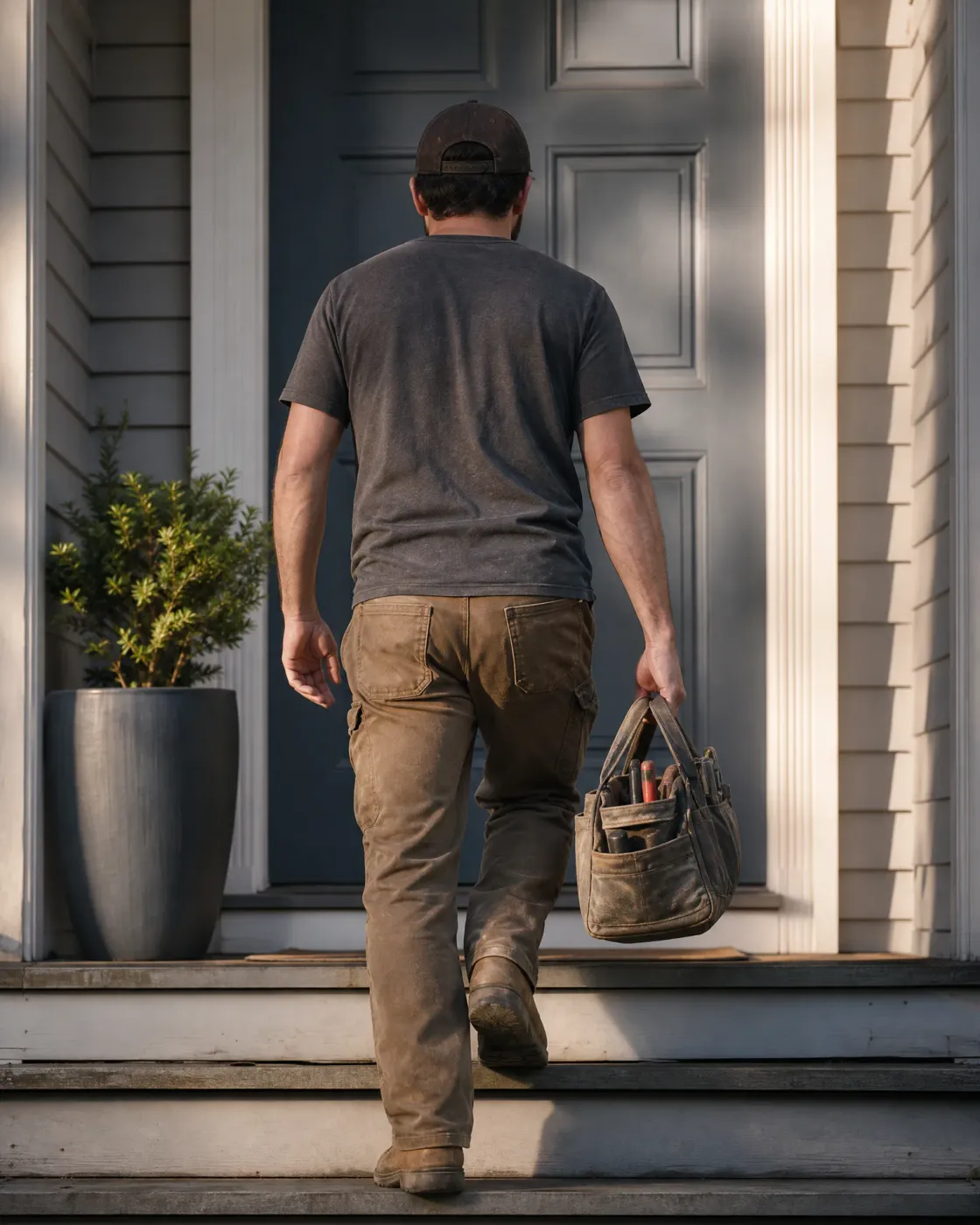
Eight months of heat a year adds up to a lot of hours on the burner and blower. That is what decides how this job gets priced and sized, not the sticker on the box in the showroom. A contractor doing this right will ask about the house before quoting a number, because the furnace that works here is picked for this load, not for the lowest price on the lot.
A furnace is matched to the square footage, the ceiling height, and how the rooms connect, not picked by what the old one was rated for. A contractor measures the house and runs a load calculation before quoting anything. Skip that step and you either pay for capacity the house never uses or install something that runs flat out and still can't keep the far rooms warm.
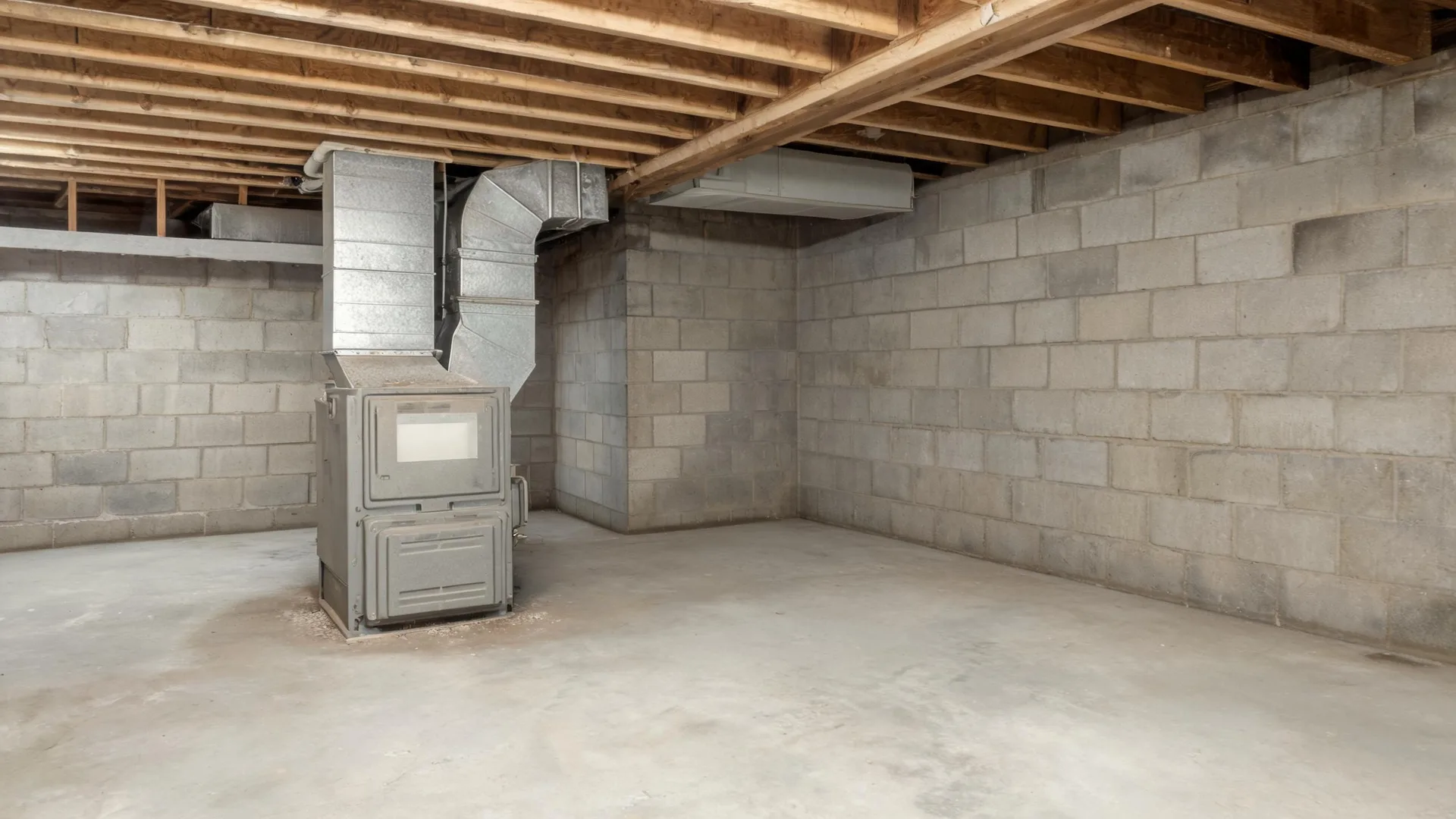
A furnace swap is simple when the existing ducts are sized right and still sealed up well. It gets more involved when the trunk line is too small for the new unit's blower, or a return is missing, or old runs have come loose at the joints. Finding that out is part of the job, and fixing it is what separates a straightforward swap from one that takes real work to get right.
Estimates for a typical Buchanan County home, from EIA household energy data, Iowa fuel prices and NOAA climate normals. Your home will differ.
Installation day starts with the old furnace coming out, not the new one going in. The ducts get cut loose, the gas line gets capped, the flue or intake pipe comes down. Once the space is clear, the new unit gets set and leveled, then the gas line, the vent pipe, and the ductwork connections all get tied back in one at a time. Each one gets tested before the next starts: a pressure check on the gas line, a draft check on the venting, a static pressure reading on the ducts. The electrical hookup and thermostat wiring come next, then the whole system gets fired up and run through its paces, checking the flame, the temperature rise across the heat exchanger, and the airflow at the registers. A straightforward swap can wrap up the same day. Anything found wrong with the venting or ductwork along the way gets fixed before the job is called done, not left for later.