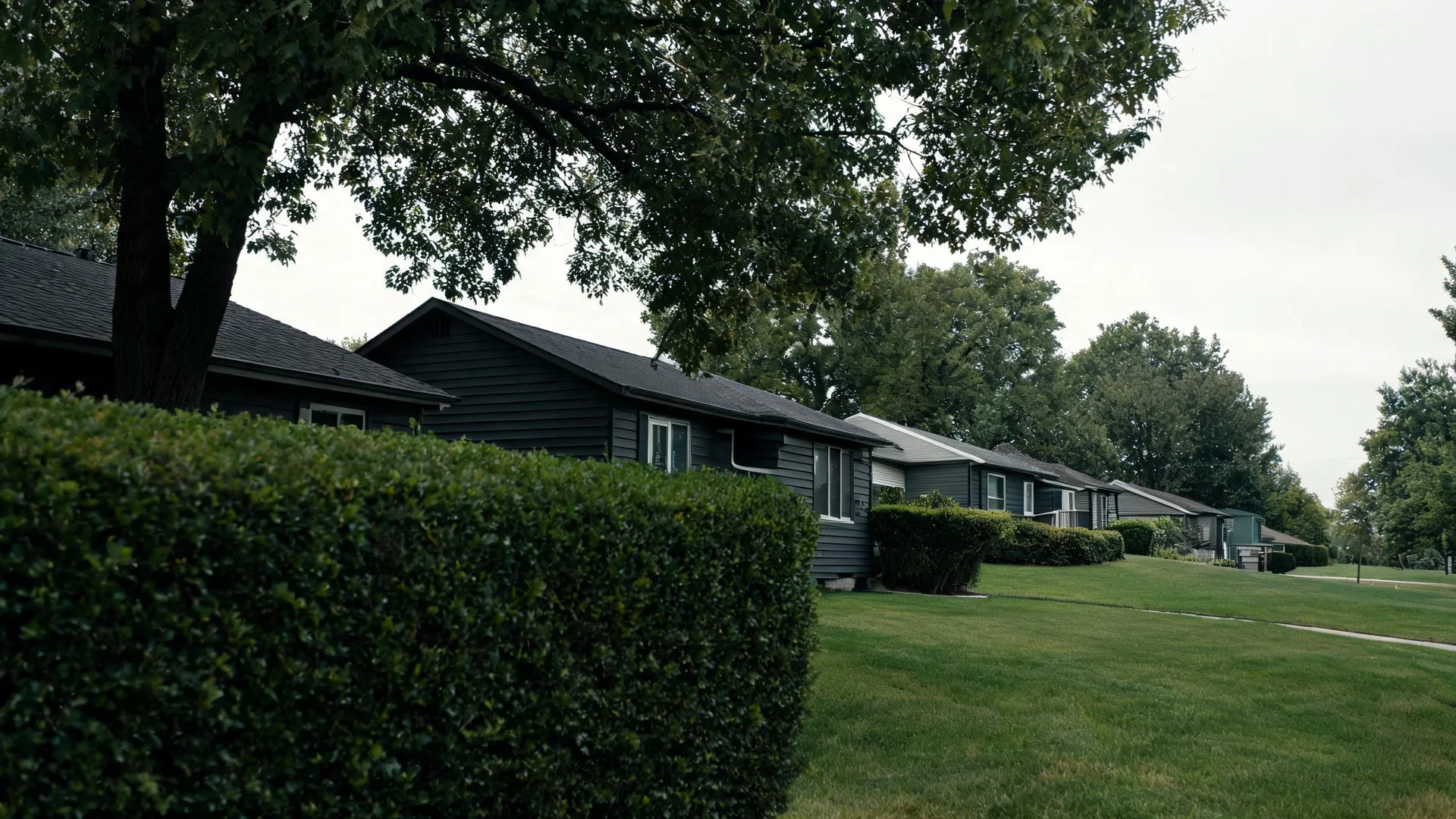
A row of dark-sided single-story houses behind a tall trimmed hedge and a large tree, with a mown lawn and a paved path under an overcast sky.

Furnace Installation in Sioux Center, IA

Tell us about the job

Takes about a minute. No obligation.

New system or replacementFurnace or heatingSioux County, IA
Step 1 of 2

What ZIP code is the job in?

Half these homes were built in 1973 or earlier

Sioux County has a lot of older housing stock. Half the homes here were built in 1973 or earlier, and a furnace going into one of them has to match ductwork and venting that were planned around a different kind of system.

An old furnace in an old house is worth a second look

A furnace installed decades ago was sized for how that house was built and insulated then. If yours came with the house or close to it, a new system is a chance to get one sized for how the house actually runs today.

8 months
October through May, your furnace is on duty
11°F
the average winter night it heats against
80% AFUE
the federal minimum any new unit must meet
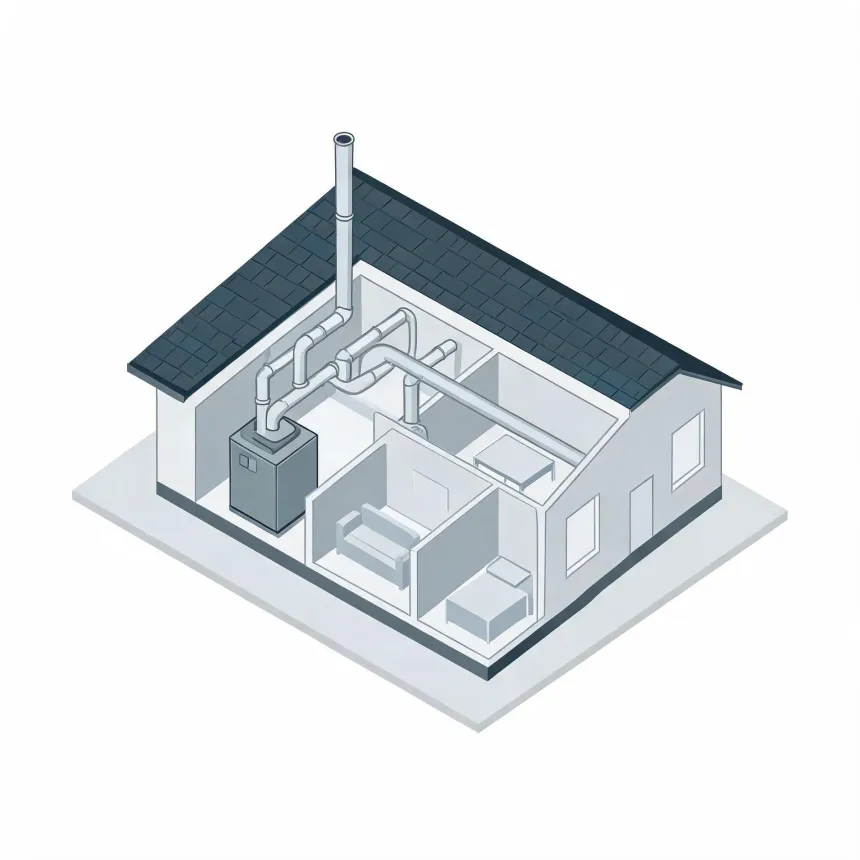
Isometric cutaway illustration of a single-story house showing a gray furnace connected to white ductwork and a flue pipe extending through the shingled roof, with simplified furniture in the interior rooms.
Your furnace works hardest from November through March.

NOAA nClimDiv, 1991–2020 normals

Furnaces in Sioux County run from October through May, about eight months of the year.

A furnace installed here spends most of its life working, so the one you pick needs to hold up to that.

Eight months of work a year, so get the timing right

Heat runs October through May
Climate zone 6A
Winter nights average 11°F

Gas heats 47 percent of homes in Sioux County, more than any other fuel. Electricity comes in second at 39.9 percent, and propane heats another 10.2 percent. If your house is already on gas, staying with a gas furnace is the straightforward path. The gas line, the venting, the layout of the ductwork were all set up around that fuel, and a new gas furnace fits into what is already there. Switching fuels at installation means changing more than the furnace itself, so most homeowners here replace a gas furnace with another one.

Size it for the house you have, not the one it was built for

If your furnace came with the house or close to it, matching the new one to how the house was planned decades ago just repeats the fit you're trying to get away from. Getting the size and venting right for how the house runs now is part of the installation itself, not an extra step.

Find a contractor
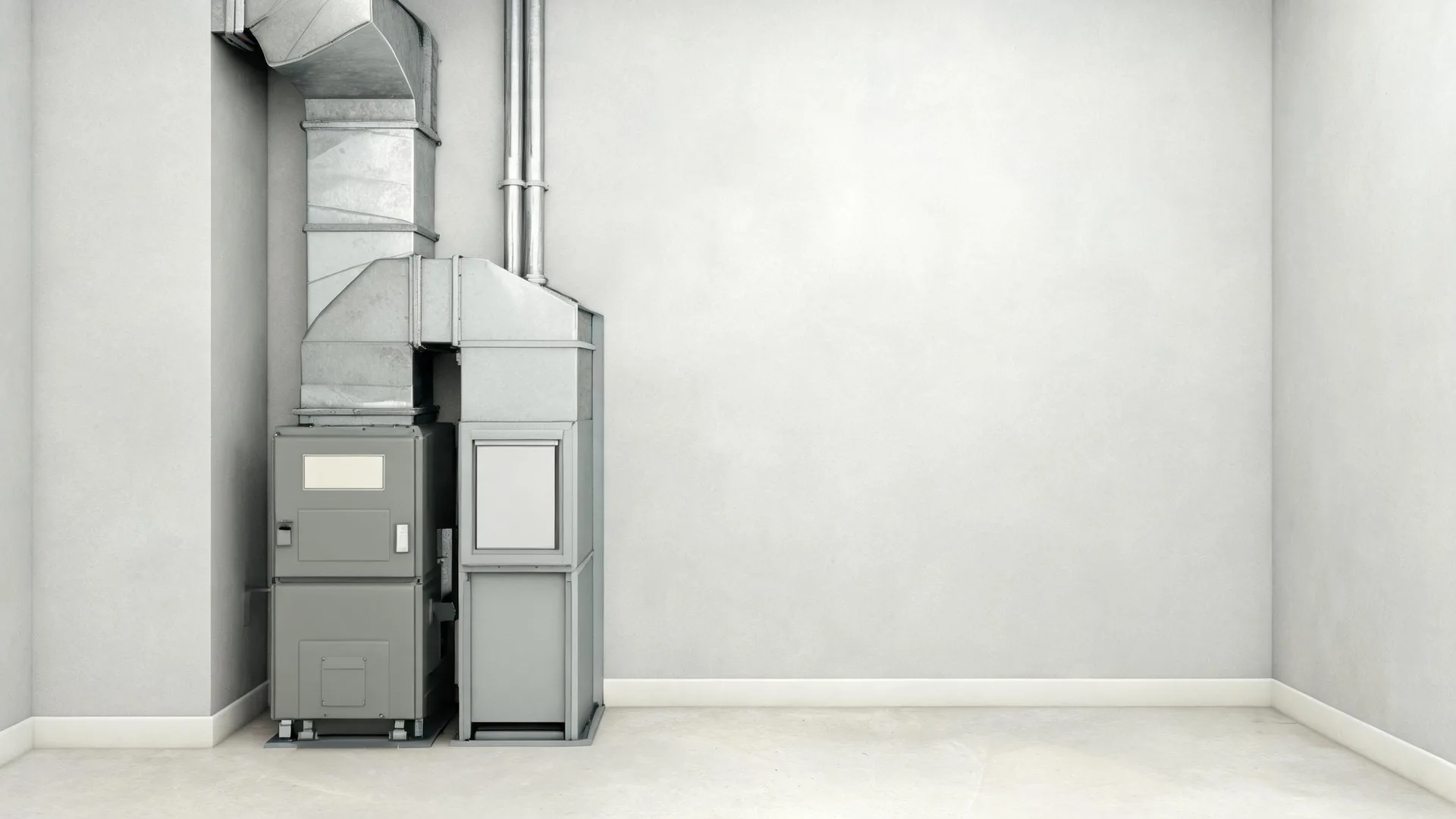
A gray gas furnace with attached ductwork and piping installed in an unfinished concrete basement.

Eight months of work, and storms on top of it

Picking a furnace here isn't just about the unit. Winter storms hit Sioux County 37 times between 2015 and 2024, heavy snow, ice, blizzards. A furnace that runs eight months a year has to keep working through that, and a contractor sizing it right now means less chance of a breakdown in the middle of one. Get the installation done with enough margin before the cold sets in, and get the venting checked against how the house actually holds heat, not just against the old setup.

Ask what size they're putting in, and why

A contractor should size a furnace with a load calculation, room by room, not by matching the old unit or guessing from square footage. If the answer is just the number off the nameplate that's coming out, ask again. Too big and the furnace short cycles, turning on and off before the house evens out. Too small and it runs constantly without catching up. Either way the furnace wears faster than one sized right.

Ask what happens to the venting

A furnace's venting depends on how efficient it is. A higher efficiency furnace pulls more heat out of the exhaust, which means that exhaust is cooler and has to vent differently than an older unit's did. Ask what pipe the new furnace needs and whether the existing vent can be reused or has to be replaced. A contractor who hasn't looked at the vent hasn't finished the job of sizing the system.

An unfinished basement featuring concrete block walls, exposed floor joists, a bare concrete floor, and a forced-air furnace with a large metal exhaust duct in the corner.

A high-efficiency gas furnace would save about $100 a year to run in Sioux County compared with a gas furnace.

  • A high-efficiency gas furnace$490 a year
  • A gas furnace$590 a year

Estimates for a typical Sioux County home, from EIA household energy data, Iowa fuel prices and NOAA climate normals. Your home will differ.

Installation day starts with the old furnace coming out, and that's when a lot of the real work happens. The crew clears the gas line, the duct connections, and the flue, then checks what they're actually working with before the new unit goes in. Setting the new furnace in place and connecting the ducts, the gas line, and the venting usually takes less time than people expect. What takes longer is getting it right: checking static pressure in the ductwork, testing the gas pressure at the manifold, confirming the flue draws properly, and running the system through a full cycle before anyone calls it done. A furnace that's installed but never tested under load can run fine for a week and then show a problem the testing would have caught. Before the crew leaves, ask them to walk through what they checked and what the thermostat is set to do.