


What winter here does to a heat pump
Your heat here runs eight months a year, October through May, and the overnight low in the dead of winter averages 11°F. That matters because a standard heat pump starts losing ground before it even gets that cold. Below 40°F its heat output falls short of what it's rated for. Below about 35°F it usually needs backup heat to keep up. In Sioux County, every single night that drops to freezing or below, about 160 of them a year, is past both of those marks.
So for more than half the nights of the heating season, a standard heat pump is working below the point where it was rated, and leaning on backup heat to make up the difference. About 20 nights a year here hit 0°F or colder, which is deep into the range where a standard heat pump's output drops to a fraction of its rating. That doesn't mean the house goes cold. It means something else is doing real work to keep it warm.
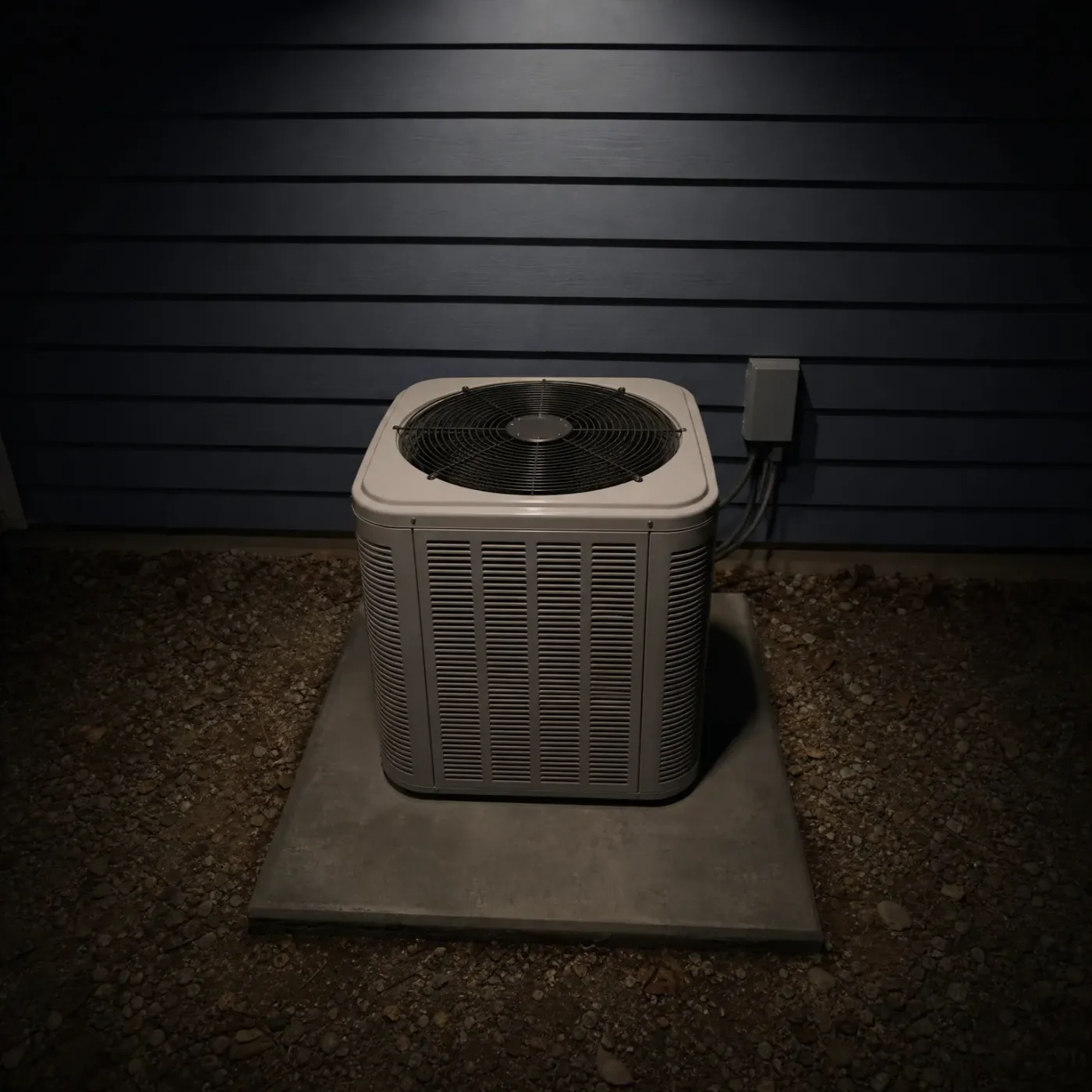
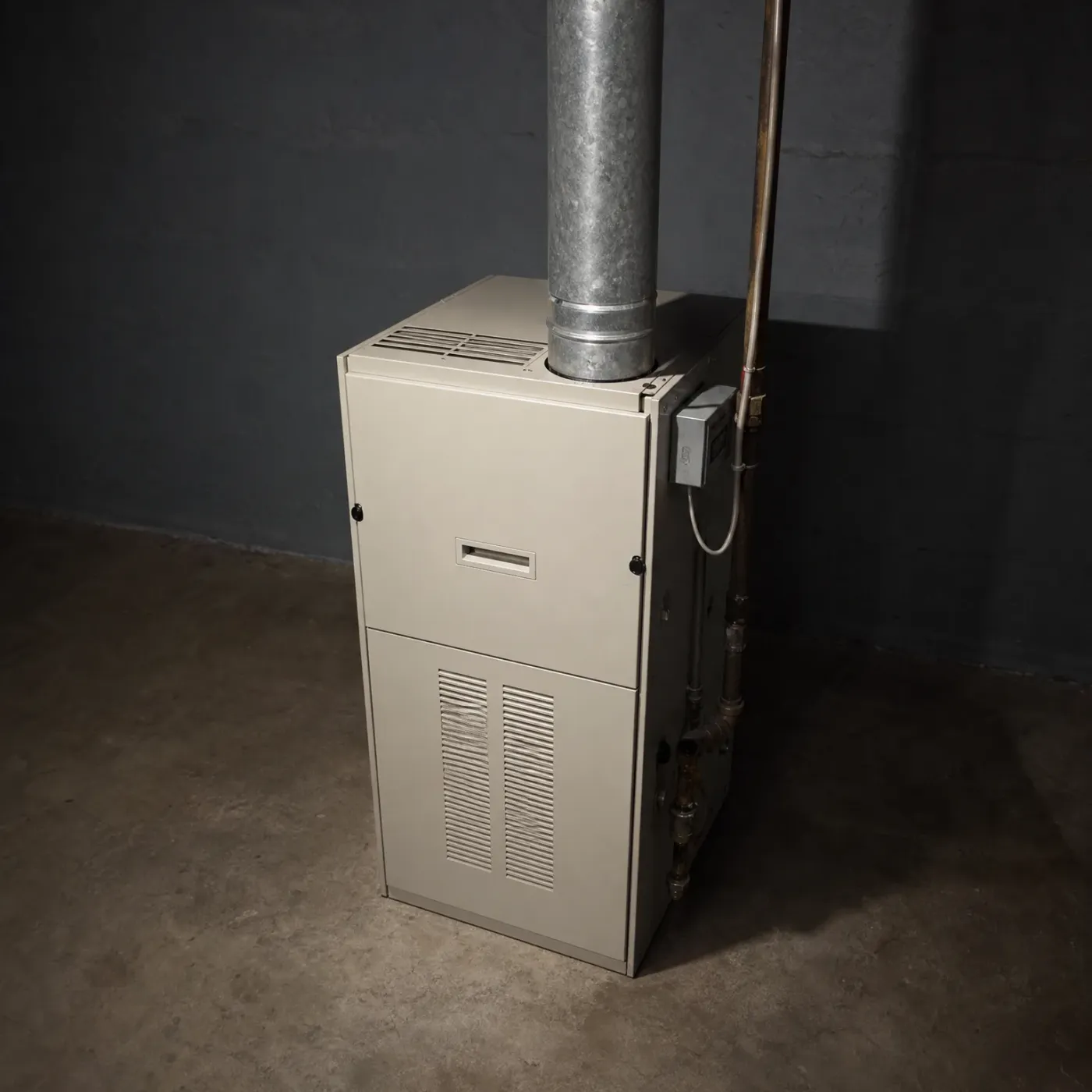
There's a real exception to this. Heat pumps built and tested to the ENERGY STAR Cold Climate standard have to produce at least 1.75 units of heat per unit of electricity at 5°F, and hold onto 70 percent of their 47°F capacity at that same temperature. Field testing of prototype cold-climate heat pumps in occupied homes found backup heat covered only a small share of the load between 0°F and 35°F, and running on backup alone was rare even above 0°F. A furnace does not need any of this. It is built to put out its full rated heat regardless of how cold it gets outside.