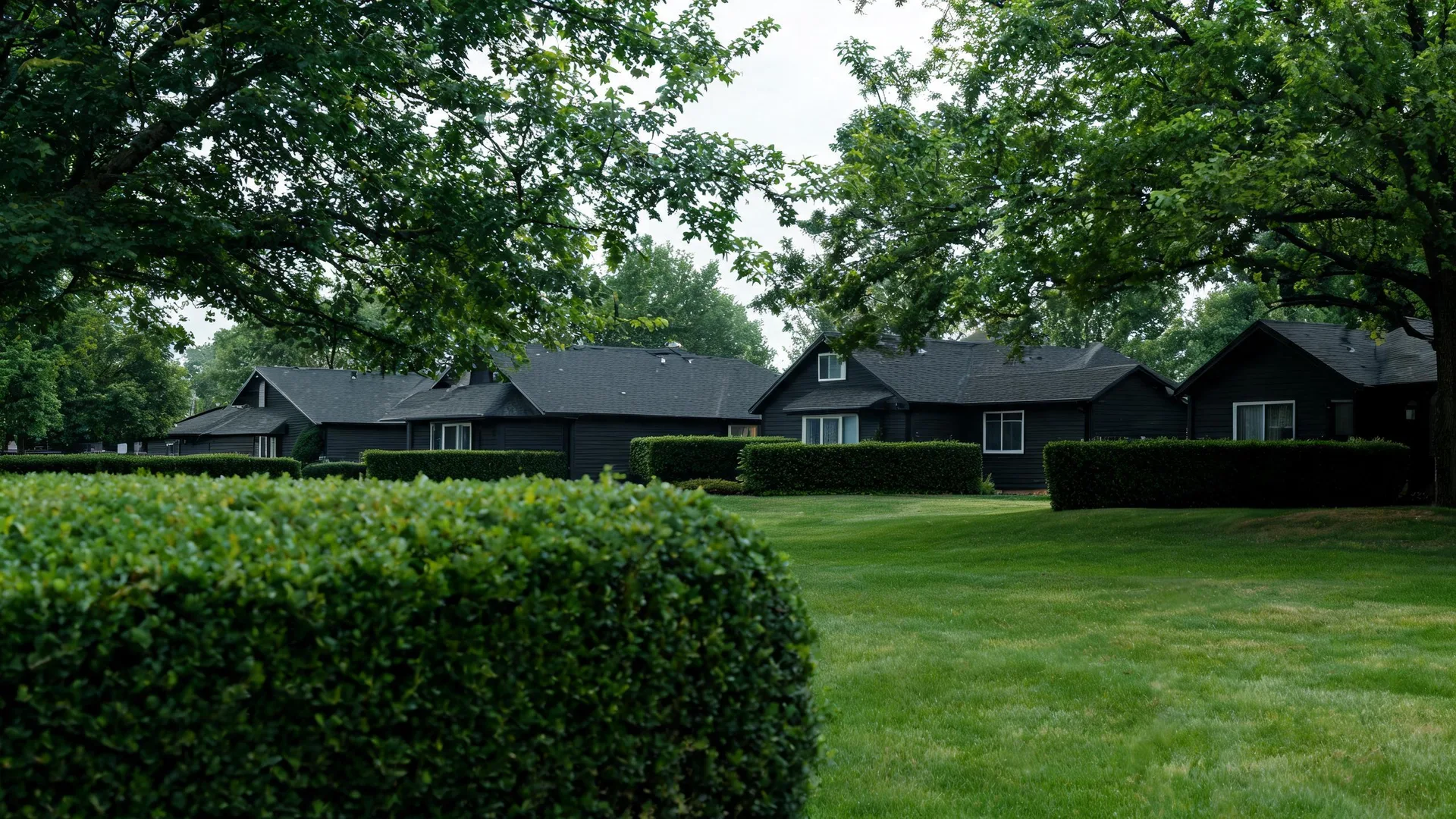
Dark-sided single-story buildings with gray shingled roofs behind trimmed hedges, a mown lawn, and large leafy trees overhead.

Heat Pump Installation in Sioux Center, IA

Tell us about the job

Takes about a minute. No obligation.

New system or replacementHeat PumpSioux County, IA
Step 1 of 2

What ZIP code is the job in?

Zone 6A puts real demand on the equipment

Sioux County sits in climate zone 6A, built for cold and a long heating season. A heat pump here has to pull heat out of outdoor air that spends months sitting near or below freezing, then keep doing it day after day. That's a harder job than the same unit would face in most of the country.


Storms add their own wear

The outdoor unit sits outside through whatever the weather brings. Sioux County saw 67 damaging wind events and 42 hail events between 2015 and 2024, plus 37 winter storms with heavy snow, ice or blizzard conditions. A unit sized and installed right can handle that, but it's worth asking the installer how the system accounts for it rather than assuming any unit will do.

8 months
October through May, your system heats
3 months
June through August, it cools
11°F
the average winter night it heats against
82°F
the average summer afternoon it cools against
Isometric line illustration of a cutaway single-story house showing interior rooms with furniture and attic ductwork connected to an outdoor condenser unit beside the building.
Your system heats October through May and cools June through August.

NOAA nClimDiv, 1991–2020 normals

Half the homes in Sioux County were built in 1973 or earlier.

A heat pump going into a house that old has to match the house, not just the slab it sits on.

Eight months of heat, three of cooling, almost no season off

Cooling runs June through August
Heat runs October through May
Climate zone 6A

Electricity here runs about 9.99 cents a kilowatt-hour, cheaper than most of the country. That changes how to think about this purchase. In places with expensive power, the most efficient heat pump on the shelf pays for itself fast, and that's the one to chase. Here, the payback is slower, so squeezing out another point of efficiency matters less than picking a unit that's sized right and built to last through what this climate asks of it. Reliability and the right fit for your house are worth more than a rating on a sticker.

Zone 6A asks a lot of this equipment. Size it right from the start.

A heat pump installed here runs harder, longer, and through worse weather than the same unit would face almost anywhere else. That is not a reason to rush a decision. It is a reason to get the sizing and the installation right the first time, with a contractor who can explain how the system handles this climate rather than one just quoting a price.

Find a contractor
A man in a dark long-sleeve shirt and worn brown work pants, seen from behind, carries a canvas tool bag up the steps toward a gray front door, with a potted shrub beside the entry.
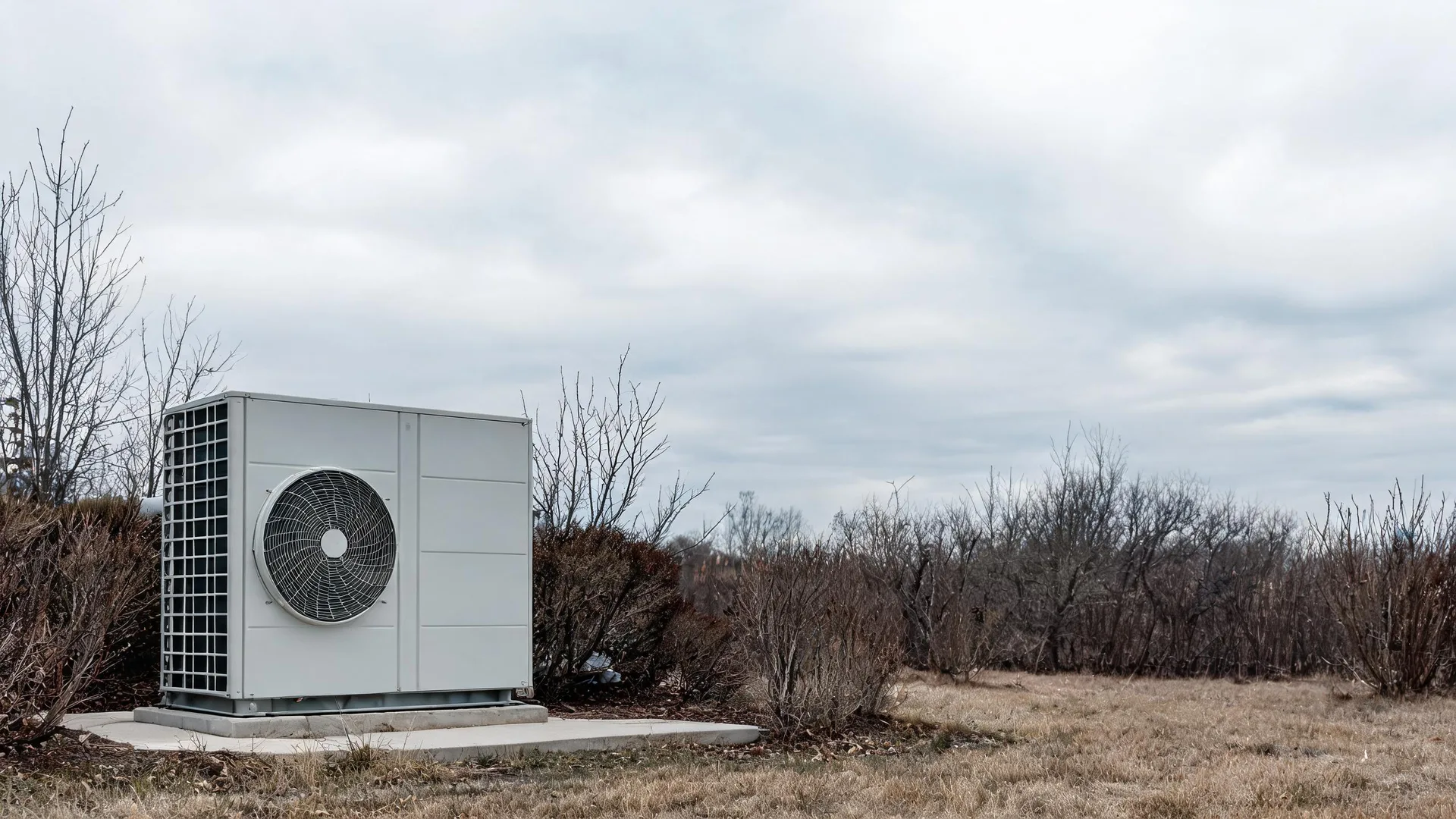
A gray outdoor HVAC unit mounted on a concrete pad beside a house with gray lap siding and a stone foundation.

Match the unit to the house, not the other way around

If your house was built around 1973 or before, ask the installer what the load calculation is based on. An older home can hold heat differently than a new build, and a unit sized off a square footage chart alone can end up wrong in either direction. The contractor should be running those numbers for your house specifically, not pulling a size off the system being replaced. Get that part right and the equipment can run through what this climate asks of it without being pushed past what it's built to do.

The old equipment has to come out first

A heat pump swap means disconnecting refrigerant lines, electrical whips and the condensate drain, then removing both the outdoor unit and the indoor coil or air handler. If the old system used refrigerant that's since been phased out, it has to be recovered properly rather than vented. None of the new equipment goes in until the old lines are cleared and checked, since leftover debris or oil in the lineset can contaminate a new system fast.

The ductwork usually stays, but it gets checked

Most installs reuse the existing supply and return ducts rather than replacing them. A tech should still check duct size and condition against what the new unit needs, since an old system installed for a furnace or a smaller heat pump may have ducts sized for different airflow. Leaky joints or crushed runs found during the swap are worth fixing then, while the equipment is already disconnected and the access panels are open.

Sizing a heat pump is not about matching the number stamped on the old unit. It comes down to a load calculation, a room by room tally of how fast the house loses heat in winter and gains it in summer, based on window area, insulation, ceiling height and how the walls are built. Get it wrong one way and the unit short cycles, turning on and off in quick bursts that wear the compressor and never let the house settle at a steady temperature. Get it wrong the other way and it runs long slow cycles that can't keep up on the coldest or hottest days. Either mistake also hurts how well it pulls moisture out of the air in summer, since a unit that satisfies the thermostat too fast never runs long enough to dehumidify. The only way to get the number right is to calculate it for that specific house, not guess from square footage.

Gas heats 47% of homes in Sioux County, more than any other fuel, with electricity at 39.9% and propane at 10.2%. Most of those gas furnaces have a central air conditioner sitting next to them already, with ductwork built to move air for both. That setup is the easiest one to convert. A heat pump can go in where that AC was, using the same ducts, and the furnace can stay as backup for the coldest nights if you want it there. Swapping like for like this way means fewer surprises during the install, since the duct sizing and the electrical path are already sorted out for a system in that spot.