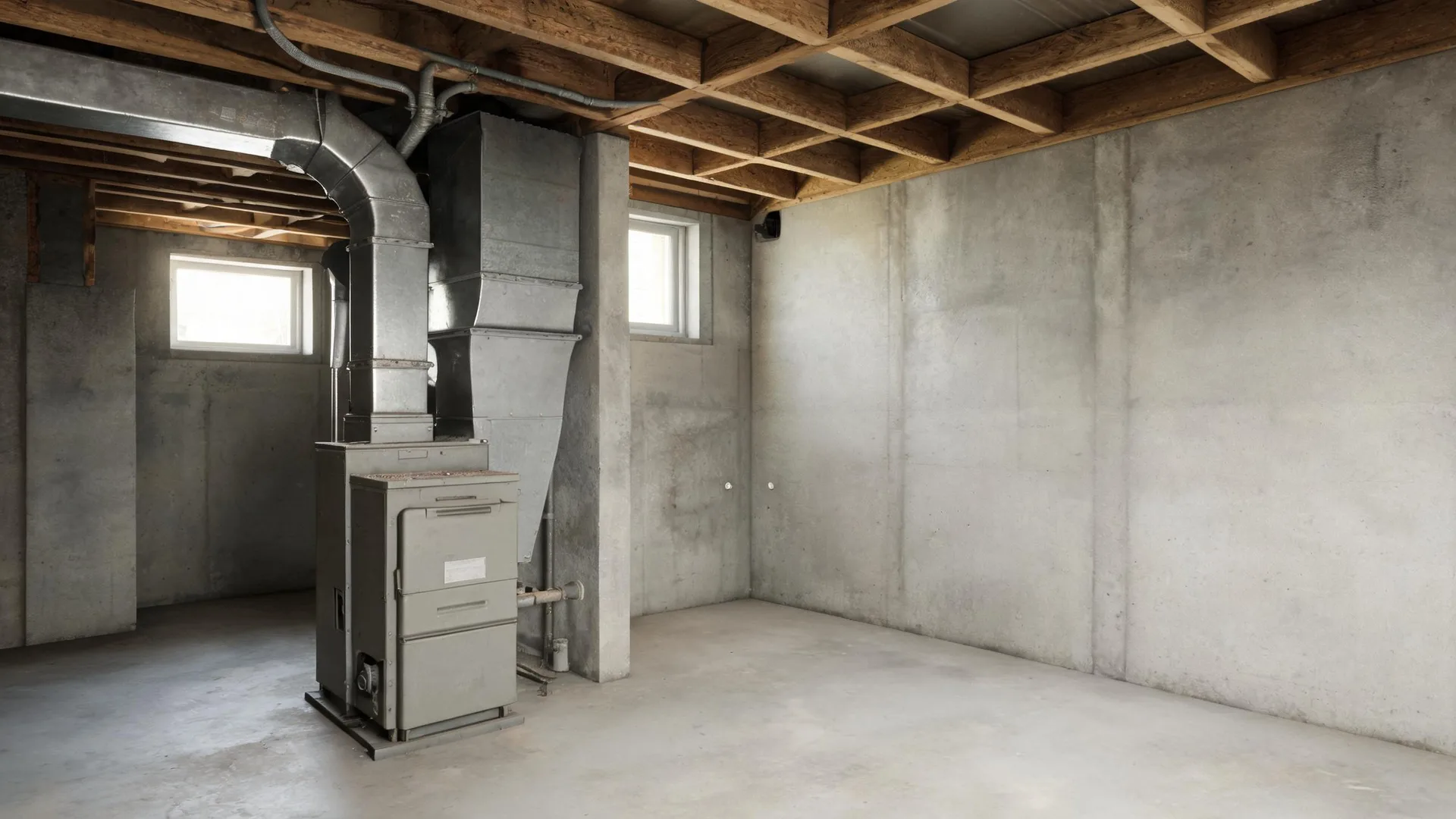
Eight months of work a year
A furnace in Bremer County runs from October through May. That is most of the year asking the same burner and blower to cycle on and off, day after day.
Takes about a minute. No obligation.
A furnace in Bremer County runs from October through May. That is most of the year asking the same burner and blower to cycle on and off, day after day.
A new furnace here needs to match the house, not just the lowest bid. One sized wrong will short cycle or run too long, and either way it wears out faster than it should.
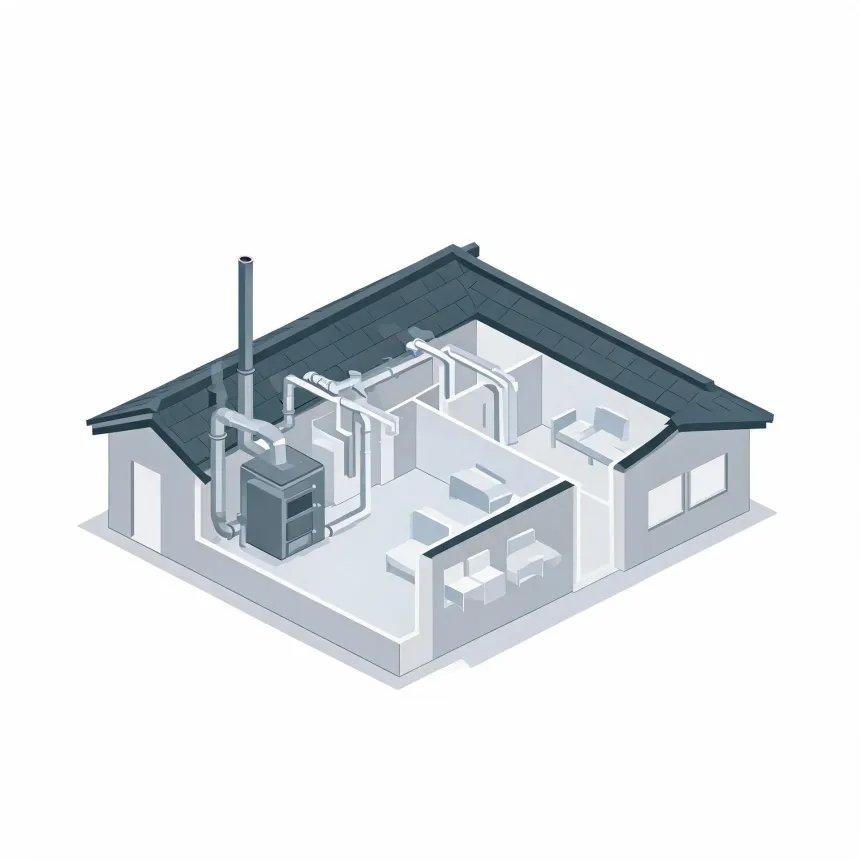
NOAA nClimDiv, 1991–2020 normals
Half the homes in Bremer County were built in 1970 or earlier.
A furnace going into a house that old has to be sized for that house, not swapped in as a like-for-like.

Bremer County falls under zone 5A, a cool and fairly humid climate where the furnace carries most of the work. Any furnace installed here has to meet the federal minimum for that zone: at least 80 percent of the gas it burns has to become heat over the winter. That floor rises to 95 percent for units built on or after December 18, 2028, so the baseline itself is about to move. A furnace bought now still only has to clear 80 percent, but one bought after that date will cost more to make and will have to run more efficiently to be sold at all. A federal tax credit is available for qualifying high-efficiency furnaces, which can offset some of the difference in price between the two.
Eight months of heat a year means a lot of cycles for a burner and blower to get through. Get the sizing right at install, matched to this house instead of the one that used to sit there, and it has a better shot at holding up to the work ahead.
Find a contractor
October is close. Once it turns, this furnace runs for eight straight months, into May, and a breakdown in January means waiting for a crew in the cold instead of picking the day yourself. Doing it in September means the install happens on a mild afternoon, with time to size it right, not as an emergency call when the old one quits.
A furnace gets matched to a house by figuring out how fast that house loses heat, not by matching the old unit or going by square footage alone. The calculation accounts for the walls, the windows, the ceiling height, how the house is laid out. Two houses the same size can need different furnaces because one loses heat faster than the other.
A furnace too big for the house heats it fast, shuts off, then fires up again a few minutes later. That short cycling puts more wear on the igniter and the blower motor than a normal heating cycle does. A furnace too small never gets the chance to cycle off. It runs long and still struggles to keep the house at temperature on the coldest days, and the blower motor pays for it over time.
Estimates for a typical Bremer County home, from EIA household energy data, Iowa fuel prices and NOAA climate normals. Your home will differ.
Installation starts with pulling the old furnace out, and that part goes quick. The work that takes time comes after. The installer runs new venting if the flue size or path changed, connects the gas line and checks it for leaks, and ties into the existing ductwork, adjusting the plenum where it meets the new unit. Electrical gets connected, the condensate line gets run if the furnace is a condensing model, and the thermostat gets wired in and set up. Once it's all connected, the installer fires it up and checks the temperature rise across the heat exchanger, confirms the gas pressure is correct, and watches a full cycle to make sure it fires, runs, and shuts off the way it should. A good install ends with the panels back on and a furnace nobody has to think about until it's time for a filter change.