


A gas furnace with sheet-metal ductwork and PVC pipes installed in an unfinished basement.

Furnace Installation in Mason City, IA

Tell us about the job

Takes about a minute. No obligation.

New system or replacementFurnace or heatingCerro Gordo County, IA
Step 1 of 2

What ZIP code is the job in?

A furnace here runs from October through May, about eight months of the year. That leaves only a few months where it isn't doing any work at all. Between 2015 and 2024, Cerro Gordo County saw 38 winter storms, heavy snow, ice and blizzards among them, and each one puts the furnace to a real test right when it can least afford to struggle. A system sized wrong for that kind of load shows it fast, with higher bills or rooms that never quite get warm. Getting the size and installation right matters more here than it would somewhere that only heats half the year.

8 months
October through May, your furnace is on duty
12°F
the average winter night it heats against
71%
of homes here heat with gas, so most furnaces here burn gas
80% AFUE
the federal minimum any new unit must meet
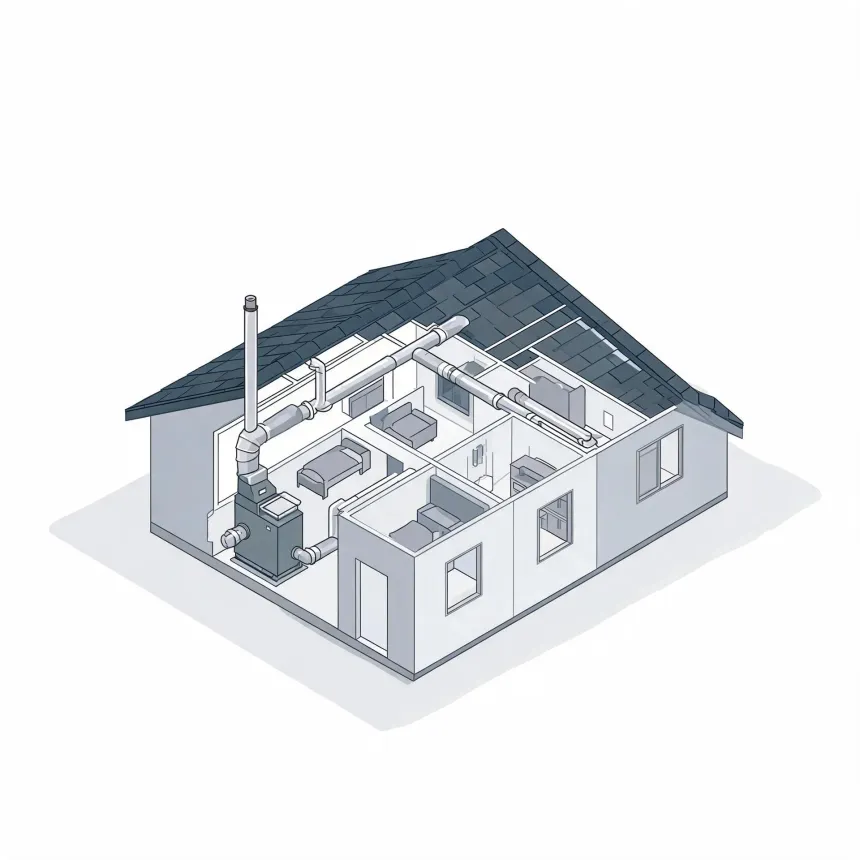
Isometric cutaway illustration of a single-story house showing interior rooms with furniture, ceiling ductwork, a furnace unit with a tall flue pipe, and a dark shingled roof.
Your furnace works hardest from November through March.

NOAA nClimDiv, 1991–2020 normals

Half the homes in Cerro Gordo County were built in 1959 or earlier.

A furnace going into a house that old has to match the ductwork and layout already there, not just the floor space.

Gas heats most of this county, and a new furnace should keep it that way

71.1% of homes heat with gas
Climate zone 6A
Heat runs October through May

September is the month to get this done. Heat starts running in October and doesn't let up until May, so a furnace installed in September has a chance to get checked and adjusted before it has to do anything. Wait until the first cold snap and you're choosing a system under pressure, picking from whatever's in stock instead of what fits your house. A furnace that goes in during mild weather also lets the installer run it, watch for problems, and fix them while there's still time. Once winter sets in here, a breakdown means days without heat, not a quick afternoon fix.

Install it to fit the house you have

A new furnace has to work with the ductwork and layout already in your house, not replace them. That means getting someone in to look at what you have before deciding what to put in. Match the install to the house, and it heats the way it should from the first cold week on.

Find a contractor
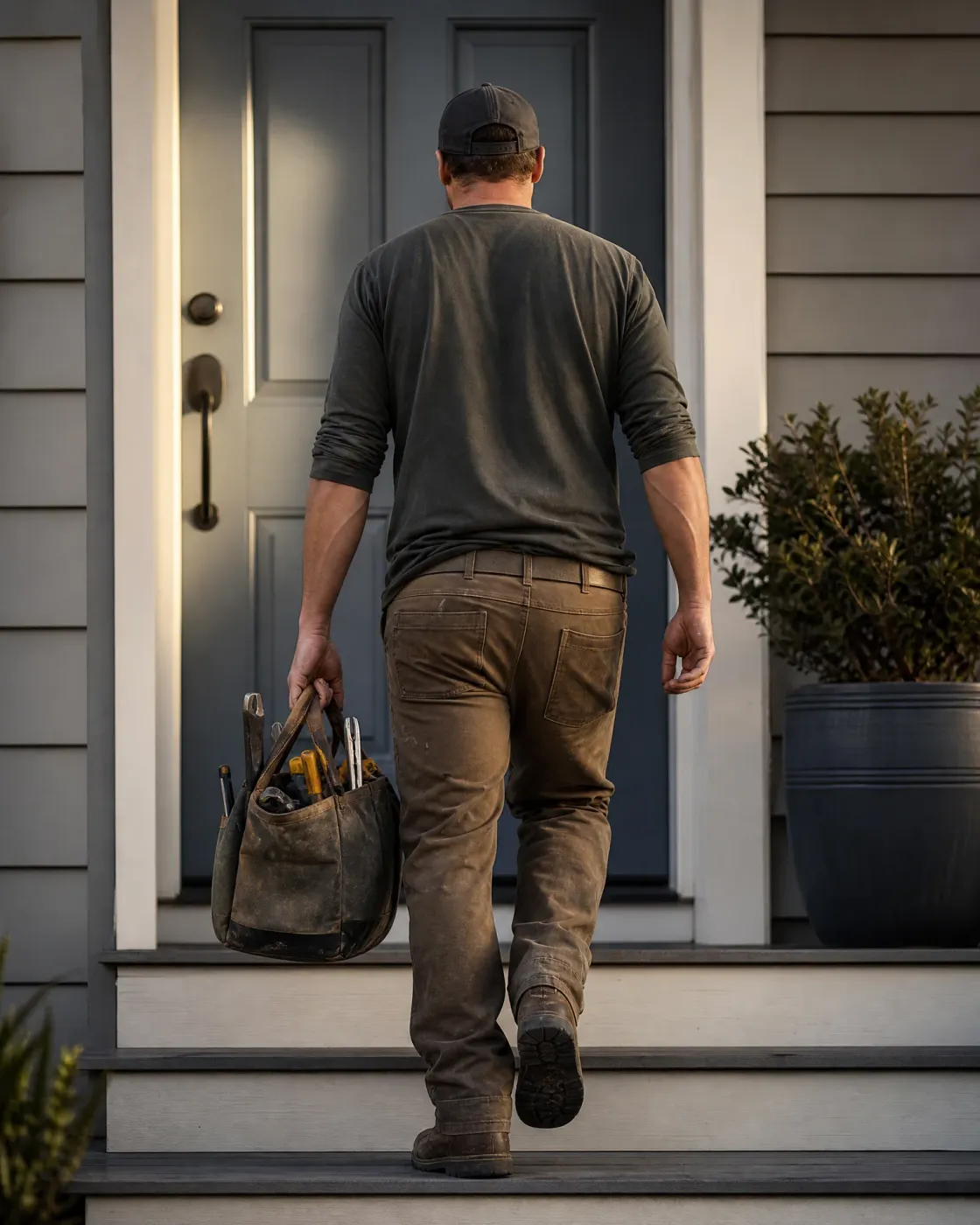
A man in a cap, dark long-sleeved shirt and brown work pants walks up porch steps toward a gray front door, carrying a worn canvas tool bag filled with hand tools.
A gas furnace with attached ductwork, gas piping, and condensate lines installed in a concrete-block basement.

Eight months of work a year, every year

Eight months of heating a year means this furnace earns its keep. Pick one sized for your house and your ducts, not the cheapest box on the lot. A unit that's too small runs flat out from October to May and still leaves rooms cold. One that's too big cycles on and off all day, which wears the parts that start it up. Either way you feel it on the gas bill before you feel it anywhere else.

The furnace sets the price, not the brand

Furnaces are rated by how much heat they can put out and how much of the fuel they burn actually turns into warm air in the house. A higher efficiency unit costs more to buy because of what's inside it: a second heat exchanger to pull more warmth out of the exhaust before it leaves, and a different venting setup to carry that cooler exhaust out of the house. The stage of the burner matters too. A single-stage furnace is either on full or off. A two-stage or variable-speed unit can run at a lower setting most of the time, which costs more up front but asks less of the house on a mild day.

The ductwork decides what the install takes

The furnace is only half the job. Air has to get from it to every room, and that depends on the ducts already in the house. If they're sized for the old furnace and the new one moves more air, some runs may need to be resized or added to reach rooms that were always a little cold. The return side matters as much as the supply. A house without enough return duct starves the furnace of air to heat in the first place, no matter how good the unit is. An installer has to look at both before quoting the job, not just measure the closet where the old one sits.

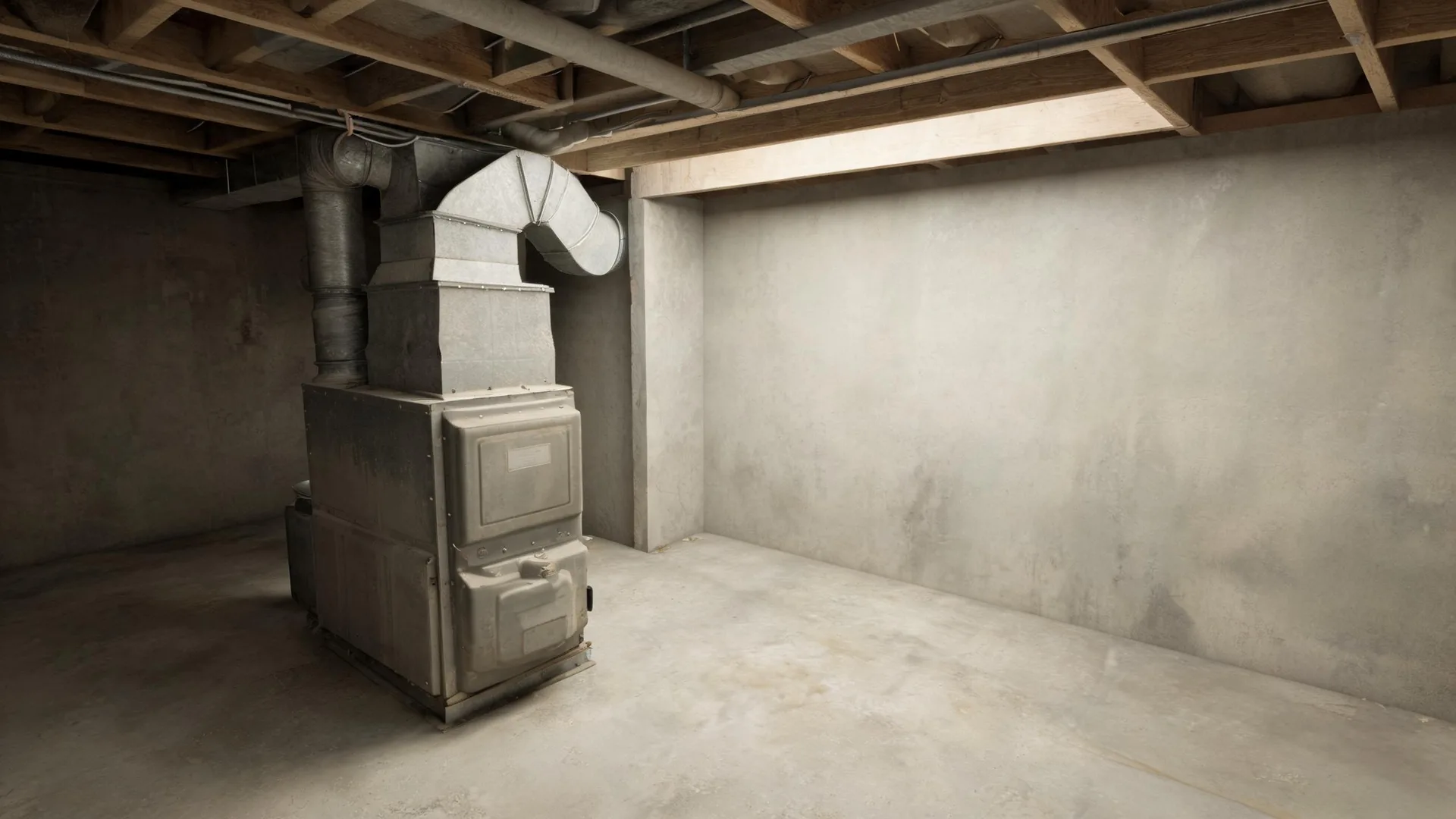
A bare concrete basement containing a gray gas furnace with metal ductwork and a vertical flue pipe, lit by a single hanging bulb.

A high-efficiency gas furnace would save about $100 a year to run in Cerro Gordo County compared with a gas furnace.

  • A high-efficiency gas furnace$500 a year
  • A gas furnace$600 a year

Estimates for a typical Cerro Gordo County home, from EIA household energy data, Iowa fuel prices and NOAA climate normals. Your home will differ.

Installation day starts before the old furnace comes out. The installer should check the gas line, the vent pipe, and the electrical connection to see if they'll work with the new unit or need changes. Once that's settled, the old furnace gets disconnected and removed, and the space gets cleaned up for the new one. Setting the new furnace is only part of the job. It has to be connected to the gas line, the vent, the ductwork, and the thermostat wiring, and each connection gets tested before anything runs. After it's hooked up, the installer fires it on and checks the flame, the airflow coming out of the vents, and the exhaust venting to be sure it's drafting the way it should. A furnace that's installed right gets left running long enough to see it cycle on and shut off clean, not just light once and get buttoned up.