





A row of illuminated two-story brick houses with front porches and mature trees photographed at twilight.

Furnace Installation in Clinton, IA

Tell us about the job

Takes about a minute. No obligation.

New system or replacementFurnace or heatingClinton County, IA
Step 1 of 2

What ZIP code is the job in?

Half the homes in Clinton County were built in 1957 or earlier. A furnace going into a house that old is going in on top of whatever ductwork and venting came before it, not a blank slate. The old furnace was likely sized and vented for the house as it was built, and additions, finished basements, or new windows since then change what the house needs from a furnace now. A contractor sizing your replacement should look at the house you actually have, not just swap in the same tonnage that's coming out. Getting this wrong means a furnace that short cycles, or one that runs long and still leaves rooms cold.

8 months
October through May, your furnace is on duty
16°F
the average winter night it heats against
63%
of homes here heat with gas, so most furnaces here burn gas
80% AFUE
the federal minimum any new unit must meet
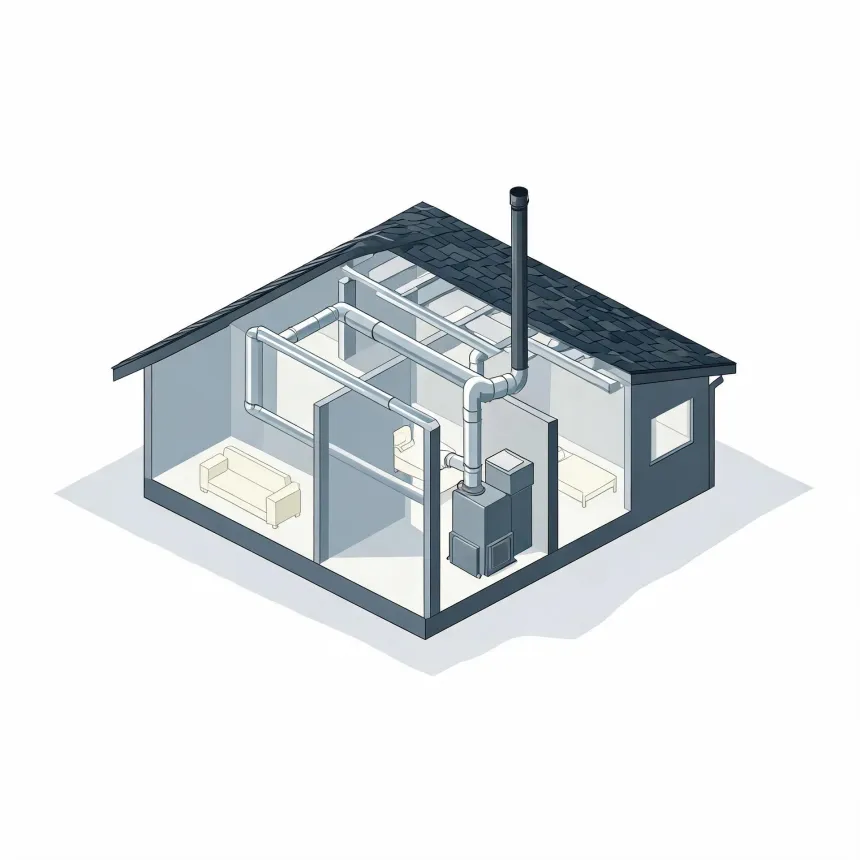
Isometric cutaway illustration of a small single-story house showing a furnace with a flue pipe through the roof and ducting running to rooms containing a sofa, chair and bed.
Your furnace works hardest from November through March.

NOAA nClimDiv, 1991–2020 normals

Furnaces in Clinton County run eight months a year, with overnight lows near 16°F through December, January and February.

A new furnace here has to be sized right the first time, not close enough.

Most homes here heat with gas, and that's usually the right system to install again

62.9% of homes heat with gas
Heat runs October through May
Winter nights average 16°F
Get it in before OctoberHeat runs October through May here. September is the month to replace it.

A load calculation matters more here than in a milder climate. An undersized furnace at 16 degrees doesn't just struggle on the worst nights, it runs flat out for most of the winter and still falls behind. An oversized one short cycles instead, turning on and off more than it should, and that wears the heat exchanger and the igniter sooner. Ask the contractor for the calculation itself, not just a tonnage number. The right size is the one matched to this house, not the closest one on the shelf.

Pick the furnace that fits this house, not the one with the highest rating

Natural gas ran $9.69 per million Btu in Iowa in 2024, cheap enough that a high-efficiency model takes a long time to earn back its higher price here. Getting the size and installation right matters more than chasing the highest efficiency rating.

Find a contractor
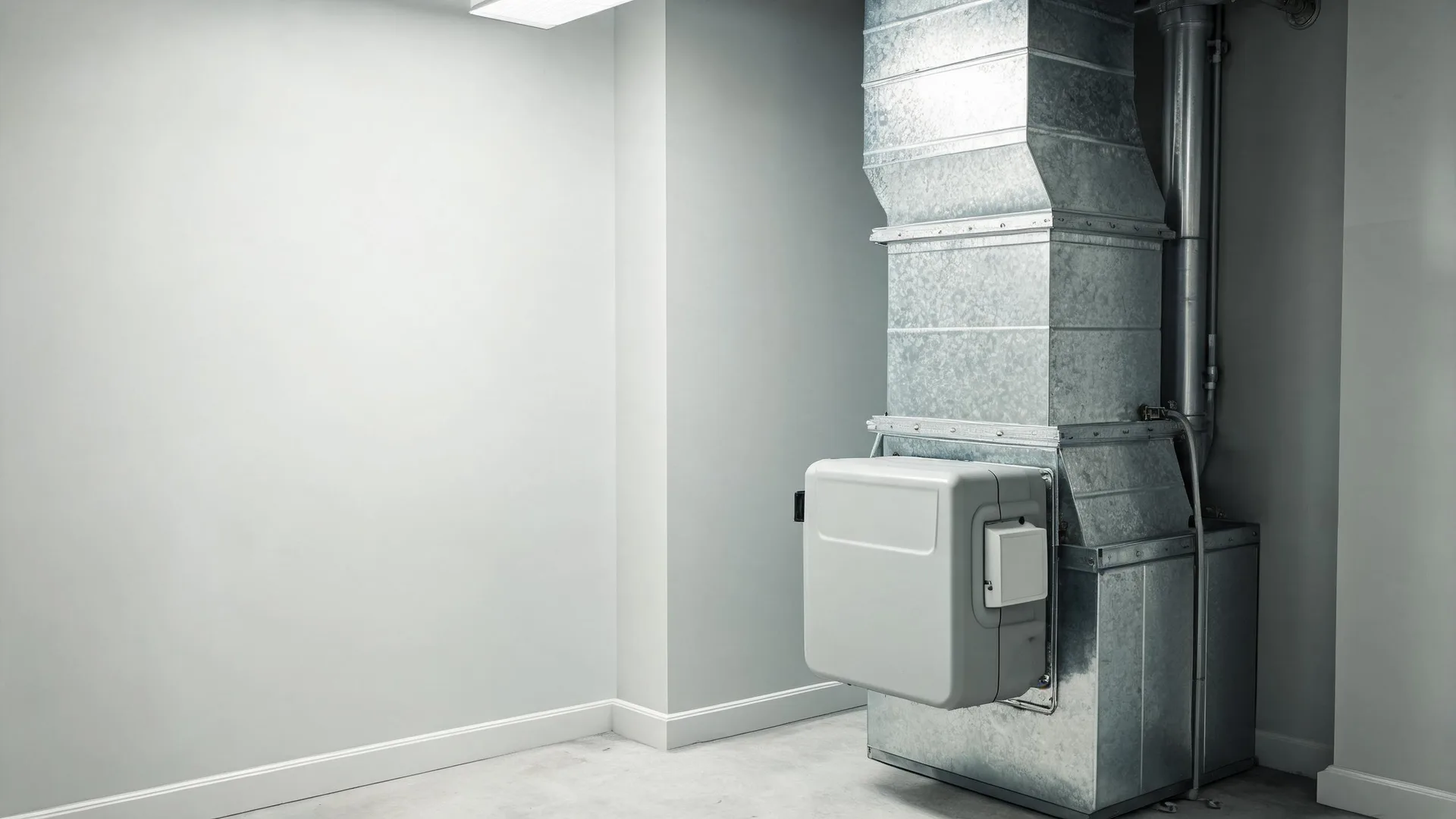
A gas furnace with attached ductwork, gas piping, and condensate lines installed in a concrete-block basement.

The ducts are as old as the house

Ask when the ductwork was last matched to the house instead of just the furnace. A system built by 1957 may have had rooms added or a basement finished since, and the ducts feeding those spaces were sized for whatever was running through them at the time. If a contractor is sizing the new furnace off the old tonnage without looking at what the ducts can actually carry, that's worth a question before the install, not after it's running.

The furnace is the cheap part

A furnace install involves gas line work, venting, the supply plenum, the return, and the electrical hookup for the blower. If any of those need changes to fit the new unit, that labor and material costs more than the furnace sitting in the box.

Venting changes the job

A furnace that vents through a sidewall instead of up through a natural draft flue needs different pipe, different clearances, and a different path out of the house. A contractor who catches this while quoting avoids having to come back and redo it once the unit is already sitting there.

An unfinished basement interior showing a gray furnace unit beneath a bare incandescent bulb, surrounded by exposed joists, concrete walls, cardboard boxes, and utility pipes.

A high-efficiency gas furnace would save about $90 a year to run in Clinton County compared with a gas furnace.

  • A high-efficiency gas furnace$430 a year
  • A gas furnace$520 a year

Estimates for a typical Clinton County home, from EIA household energy data, Iowa fuel prices and NOAA climate normals. Your home will differ.

Install day starts with the old furnace coming out, and that's when a contractor can finally see what they're actually working with. The gas line gets connected to the new unit, the venting gets run or reused depending on what the new furnace needs, and the supply and return plenums get sealed back up to the cabinet. The blower gets wired in, the gas pressure gets set and tested, and the system gets fired up and checked for proper temperature rise before anyone calls it done. A straightforward swap, same venting, same ductwork, same spot, can wrap up in a day. Anything that needs new venting or duct changes takes longer, because that work has to happen before the furnace can be tested, not after.