


What the cold does to a heat pump here
Your winters decide this. The heat runs eight months a year in Clinton County, October through May, and the overnight low averages 16°F in December, January and February. A standard heat pump starts losing capacity below 40°F and often needs backup heat below about 35°F. By that measure, the average winter night here is already past both marks.
About 130 nights a year drop to freezing or below, over half of the nights across the heating season. On those nights a standard heat pump is putting out less heat than its rating, and leaning on backup heat to make up the difference. Twelve nights a year reach 0°F or below. That is a small share of the cold nights here, but it is the kind of cold a standard heat pump is not built to carry alone.
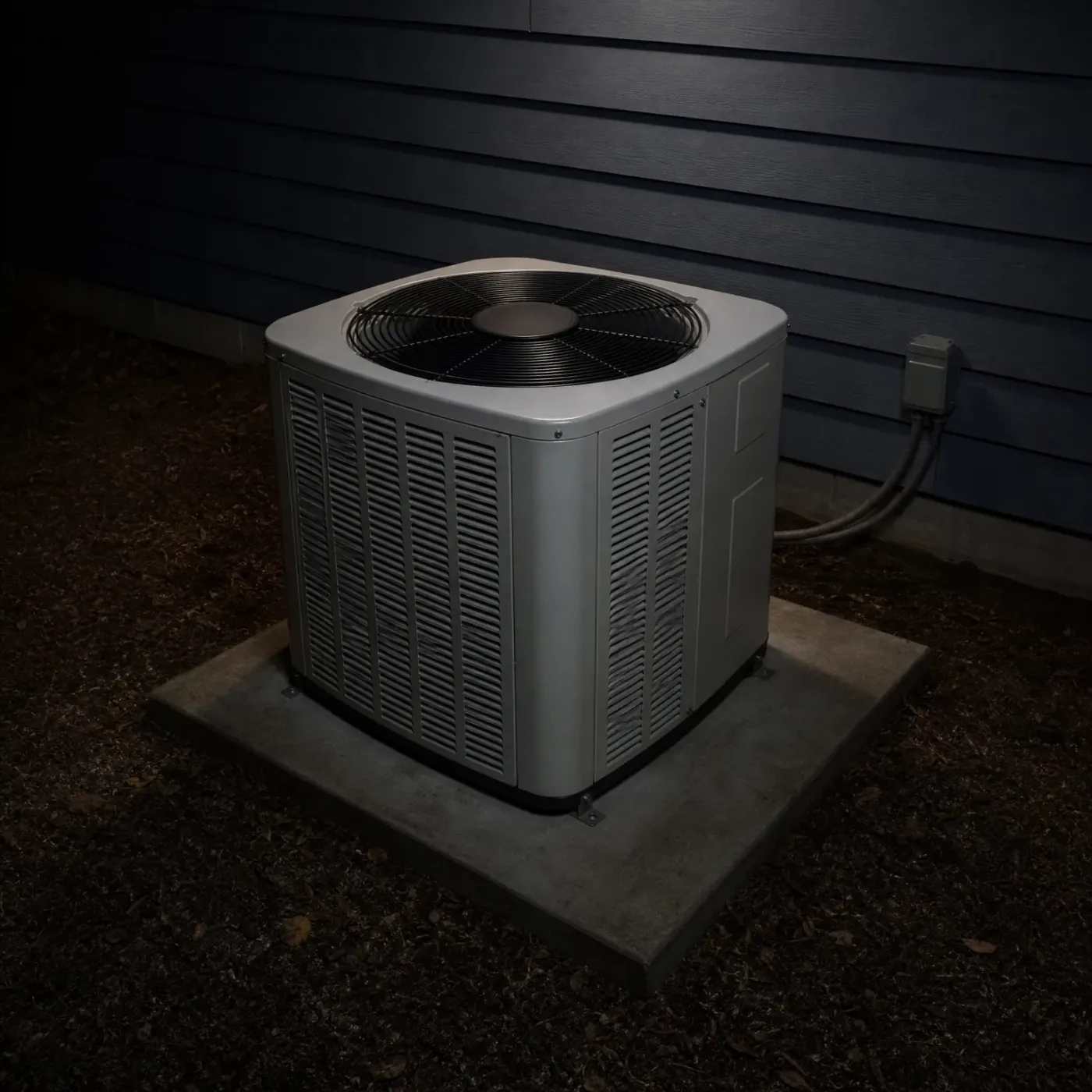
A cold climate heat pump changes that math. To earn the ENERGY STAR Cold Climate label, a heat pump has to deliver real heat at 5°F, not just at the mild temperatures a standard rating is built around, and hold onto most of its capacity as the temperature drops. Field testing on prototype cold-climate models backs this up: backup heat covered only a small share of the heat needed between 0°F and 35°F, and running on backup alone was rare even above 0°F. If a heat pump is going in here, that is the kind to ask for. A furnace built to the federal minimum does not have this problem. It is sized to deliver its full rated heat regardless of how cold it gets outside, which is what most homes in this county are already heating with.