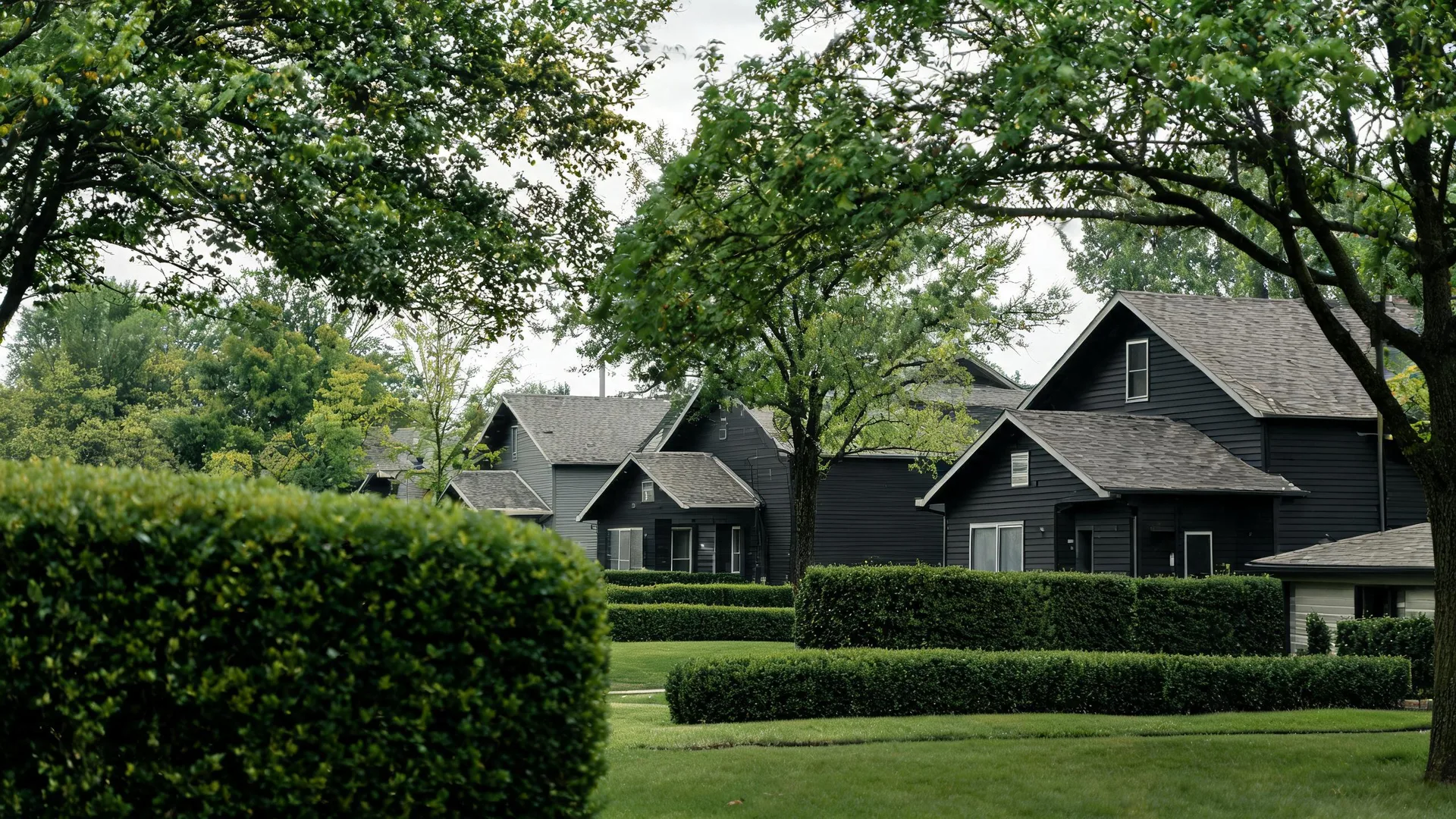
Half the homes here were built in 1970 or earlier
Jones County splits right down the middle that way. A furnace going into a house that age is going into ductwork and a layout nobody designed around today's equipment.
Takes about a minute. No obligation.
Jones County splits right down the middle that way. A furnace going into a house that age is going into ductwork and a layout nobody designed around today's equipment.
An older home can mean duct runs sized for a different furnace, or a layout that's been added onto over the years. A furnace installation here has to account for the house it's going into, not just replace what's already there.
NOAA nClimDiv, 1991–2020 normals
A furnace in Jones County runs eight months of the year, October through May.
A new furnace here earns its keep all winter long, so it has to be sized and installed right from the start.



Jones County falls under zone 5A, a cool, humid climate code where heating carries most of the load. Any furnace installed here now has to turn at least 80 percent of its gas into heat over the winter, the federal minimum since November 2015. That floor goes up to 95 percent for units built on or after December 18, 2028, so the market is already shifting toward higher-efficiency equipment ahead of that date. A furnace bought today should meet the current standard at minimum, and a contractor can walk through whether a higher-efficiency model makes sense for this house before that line arrives.
An older home is worth a load calculation before the new furnace goes in, not a straight swap for what's there now. The ductwork and layout came from a different time, and matching the furnace to the house it's actually heating is what makes the install worth doing.
Find a contractorEight months of run time a year puts real hours on a furnace, more than it would see most places it gets installed. Every one of those hours runs through the igniter and the blower motor, the parts that start and stop the burner each cycle. Size the new furnace wrong and it works harder on top of that. An oversized unit short cycles, switching on and off more than it should over those eight months. The right size runs longer, steadier stretches instead, which is how the equipment is meant to run.
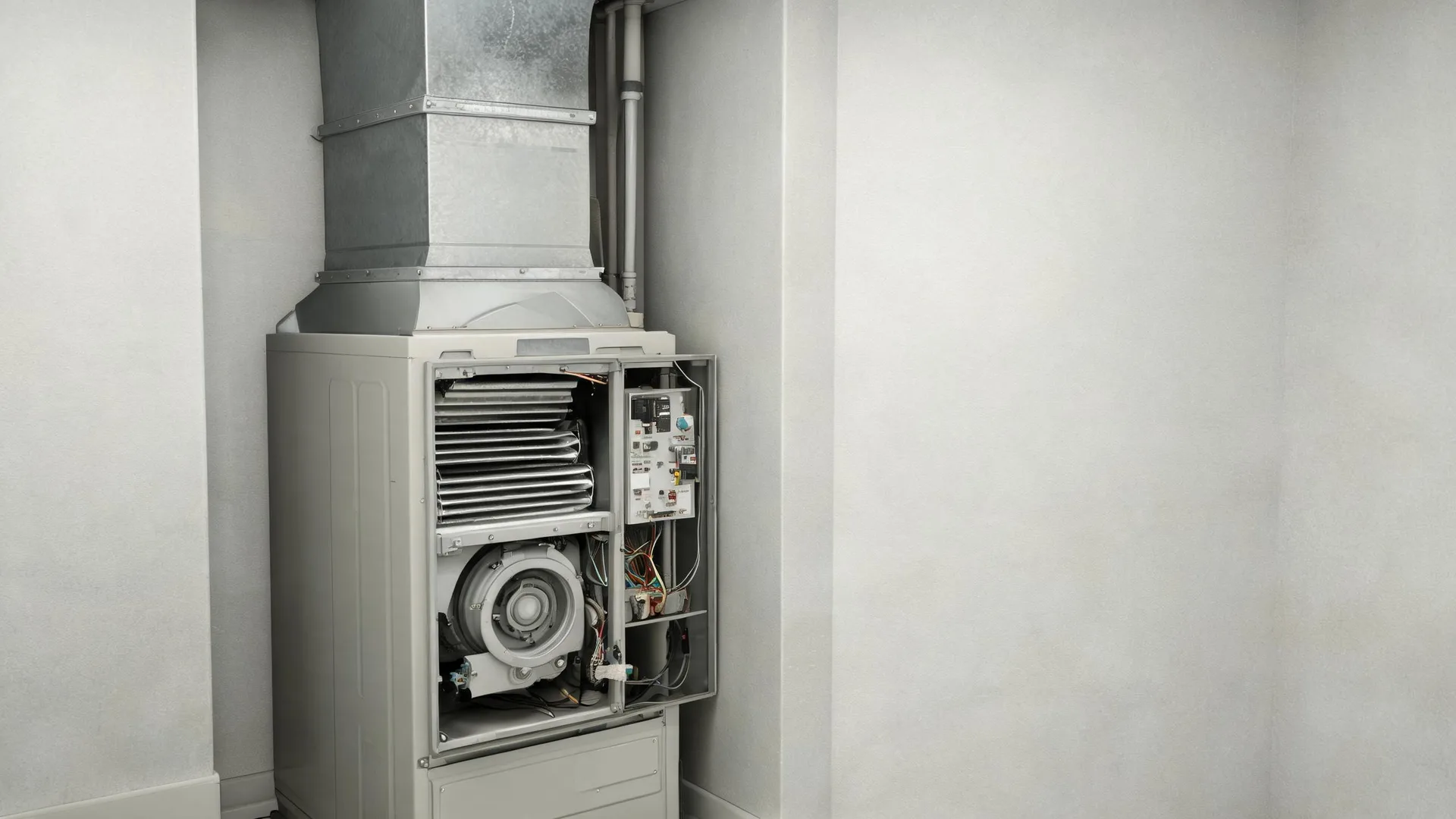
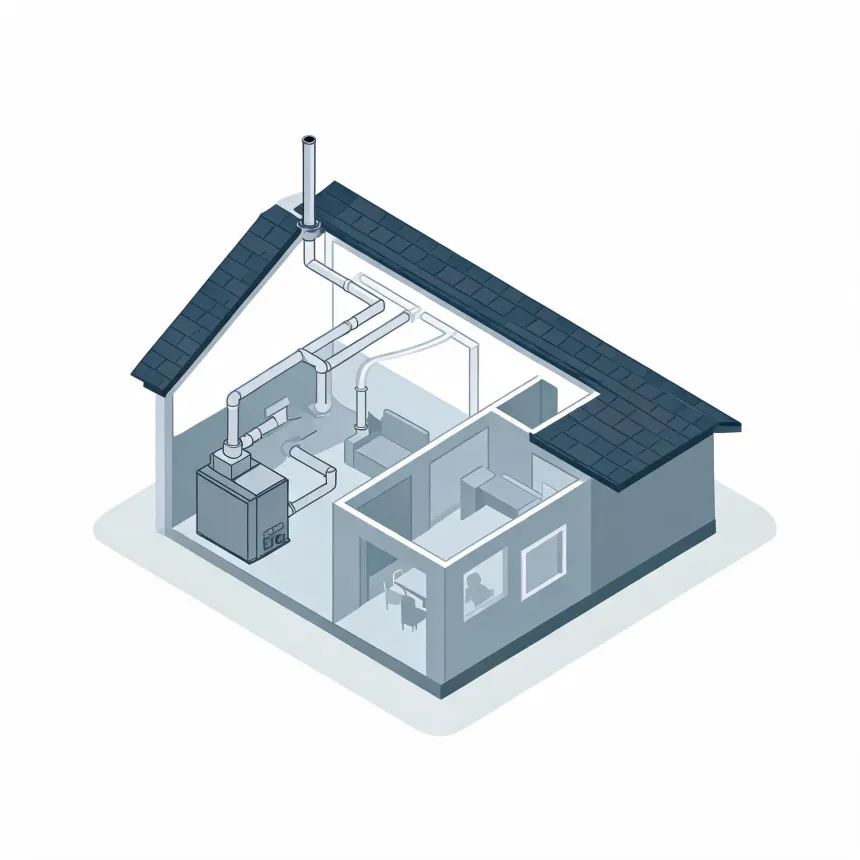
Disconnecting a furnace means more than shutting off the gas valve. The supply line gets capped, the flue or vent pipe comes apart, and the return and supply plenums get disconnected from the cabinet. If the old furnace shares a flue with a water heater, that venting has to be checked, because pulling one appliance off a shared flue can change how the other drafts.
Once the old cabinet is out, the plenum, the gas line, and the electrical whip are sitting there exposed. That's the point to check the condition of the ductwork it connects to and whether the gas line and breaker match what the new furnace calls for, before the new unit gets set and sealed up.
Estimates for a typical Jones County home, from EIA household energy data, Iowa fuel prices and NOAA climate normals. Your home will differ.
The new furnace gets set on the old base or a new pad, then the supply and return plenums get sealed back to the cabinet. The gas line connects and gets pressure tested before anything is fired up, and the vent pipe gets pitched and joined so it drafts the way it's supposed to. Electrical comes next, the whip tied into the control board and the thermostat wire run and checked. Once it's buttoned up, the furnace gets fired and run through a full cycle while the technician checks gas pressure, checks temperature rise across the heat exchanger, and watches how the flame looks at the burners. Static pressure in the ductwork gets checked too, since that number says whether the blower is moving air the way the system needs it to. The furnace shouldn't get called finished until it's been watched through at least one full heating cycle, start to shutoff.