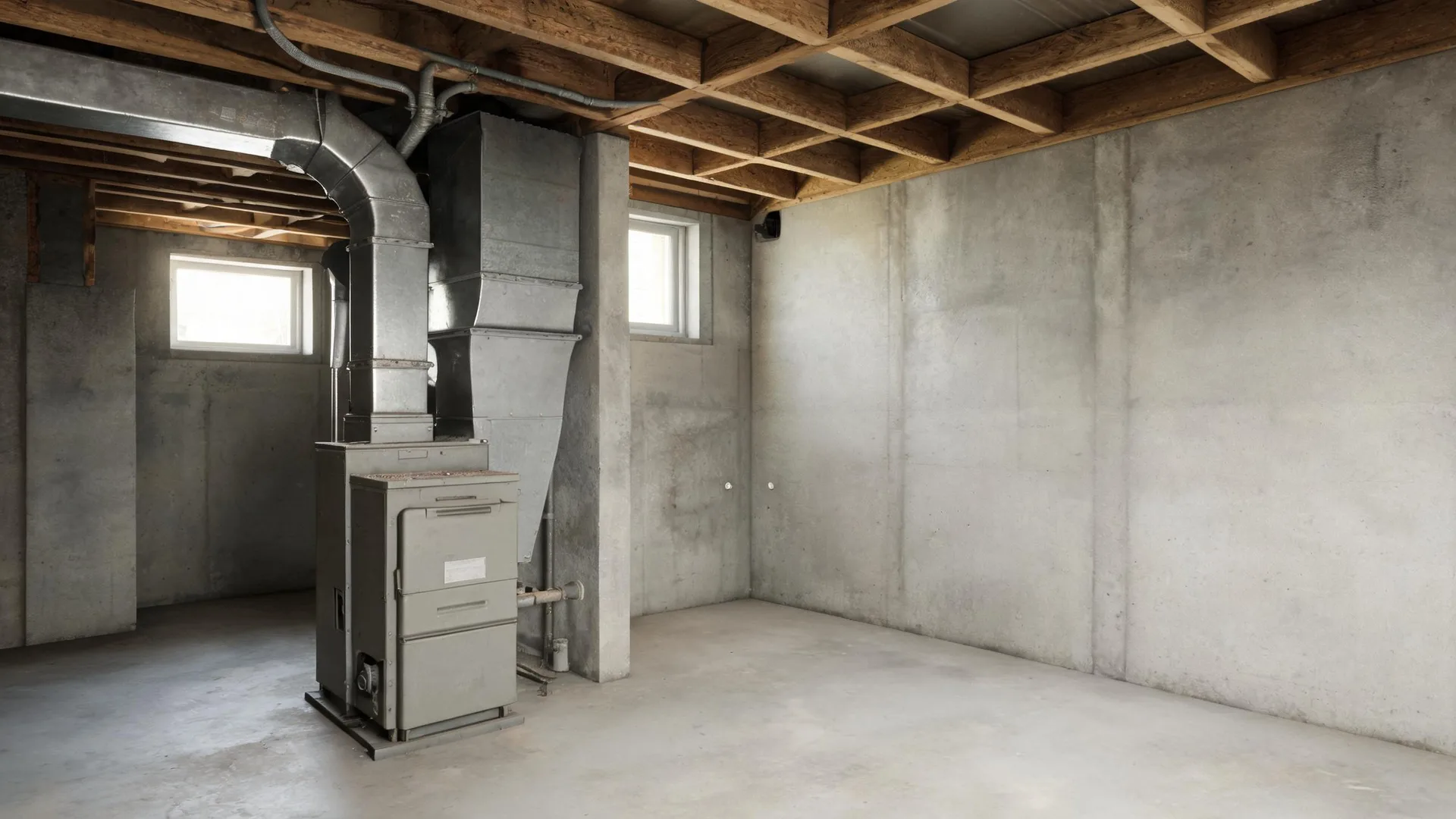
Gas is the normal choice here
Utility gas heats 55.6% of homes in Lee County, more than electric and propane combined. A gas furnace is the system most installers here work with every day.
Takes about a minute. No obligation.
Utility gas heats 55.6% of homes in Lee County, more than electric and propane combined. A gas furnace is the system most installers here work with every day.
If your old furnace ran on gas, keeping the same fuel usually means the gas line and venting are already in place. That keeps the job closer to a straight swap than a system change.
NOAA nClimDiv, 1991–2020 normals
Half the homes in Lee County went up in 1960 or earlier.
A furnace going into a house that old has to match the ductwork and venting already there, not a blank slate.




September is the month to get this done. Once October hits, heat runs straight through to May, eight months without a break. A furnace that fails partway into that stretch gets replaced in a hurry, with whatever unit and whatever schedule a contractor can fit in. One replaced in September gets chosen properly, sized to the house, installed on a day that works for you instead of one picked by an emergency. Same job, better outcome, just because of when it happened.
Lee County sits in climate zone 5A, a cool zone where the furnace carries more of the year than the AC does. Any gas furnace installed here has to hit at least 80 percent AFUE, the federal minimum for this type. That floor rises to 95 percent in a few years, but a unit installed now only has to clear the 80 percent mark. A federal tax credit is available for furnaces that beat the minimum by enough, worth checking against before you settle on a model.
Find a contractor
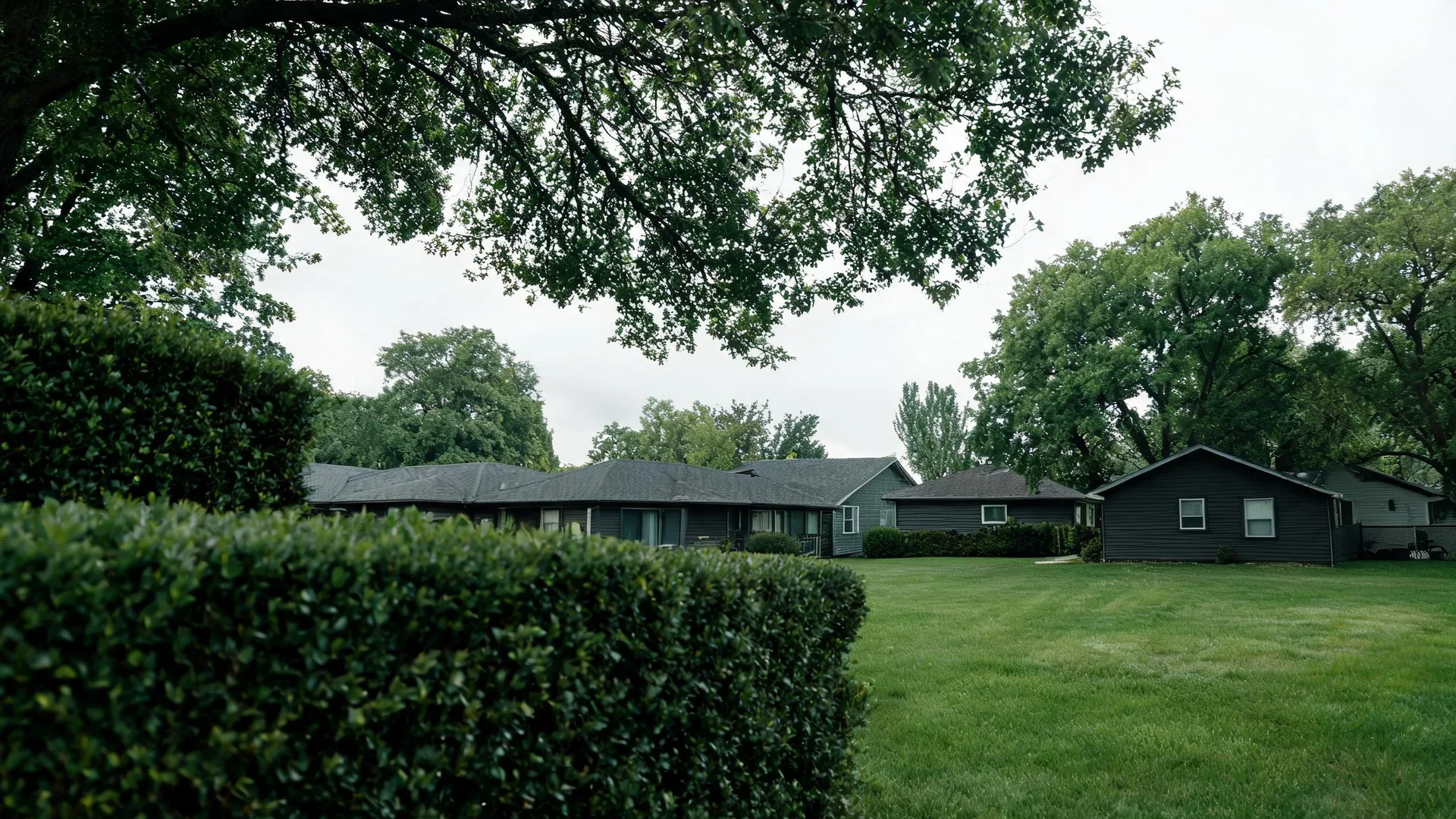
Before the new furnace goes in, have the contractor check the ducts and venting it's inheriting. Half the homes in this county were built in 1960 or earlier, and a furnace going into a house that old is working with ductwork and vents already sized for whatever ran before it. If that layout was built for a smaller or larger system, the new furnace still has to move air through it.
AFUE tells you how much of the fuel burned turns into heat in the house, and how much goes out the flue. It says nothing about how big a furnace is or how fast it heats a room. A furnace with a higher rating isn't stronger, it just wastes less gas doing the same job.
A higher AFUE furnace usually costs more to buy and sometimes needs different venting, since the exhaust runs cooler than it did on an older unit. The rating pays you back through lower gas use over the life of the furnace. Comparing that difference against your gas rate is how you find out which unit actually makes sense for your house.
Estimates for a typical Lee County home, from EIA household energy data, Iowa fuel prices and NOAA climate normals. Your home will differ.
Installation day starts with the old furnace coming out, along with the venting and ductwork connections tied to it. The installer checks the gas line, the electrical connection, and the flue before the new unit goes in. Once the furnace is set in place, they connect the ducts, run new venting if the old one does not match the new unit, and tie in the gas and power. Then comes startup. The installer checks gas pressure, confirms the igniter is firing correctly, and watches the burners through a full cycle. A good installer also checks airflow at the registers once the system is running, since a furnace moving air through undersized or leaky ducts will not heat evenly no matter how well it was installed. The last step is walking through the thermostat and showing where the filter sits, since a homeowner who knows how to maintain the system gets more out of it than one who does not.