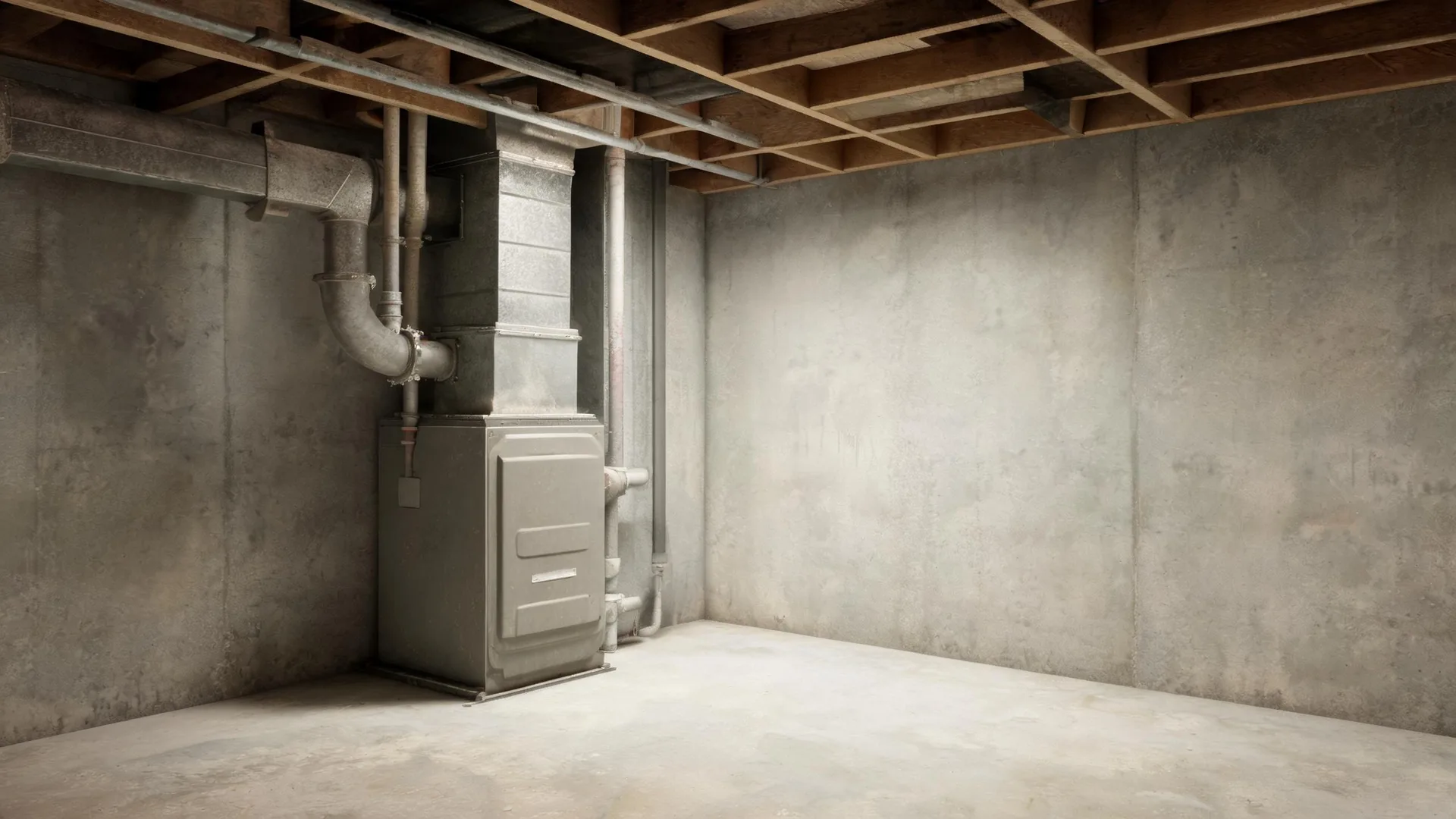
Gas is the default here
Utility gas heats 54.3% of occupied homes in Warren County, more than electricity and propane combined. A gas furnace is what most installers here size, vent and stock parts for.
Takes about a minute. No obligation.
Utility gas heats 54.3% of occupied homes in Warren County, more than electricity and propane combined. A gas furnace is what most installers here size, vent and stock parts for.
If your home already has a gas line and venting for a furnace, replacing it with another gas furnace keeps the job straightforward. Switching fuels means new venting, new gas or electrical work, and a different installation altogether.

NOAA nClimDiv, 1991–2020 normals
Natural gas ran Iowa homes $9.69 per million Btu in 2024.
A high-efficiency furnace costs more upfront and takes longer to earn that back when gas is already this cheap.

Heat starts here in October and runs through May, eight months straight. September is the month to get a new furnace in, while the old one still works and nobody is standing over the installer asking how soon it'll be done. Wait until the house is already cold and you're choosing from whatever unit and whatever crew can get there fastest. A replacement done in September is a planned job. One done in October or later is an emergency with a furnace attached.
Power is cheaper here, so the most efficient model takes longer to pay off. Reliability and fit matter more.
Find a contractor
Eight months of heat a year wears a furnace down faster than a short season would. That's more starts, more hours on the igniter and the blower motor, more chances for a weak part to fail right when you need it most. Get the size right before anything else. A furnace too big for the house short-cycles, turning on and off instead of running steady, and that's its own kind of wear. One sized to the house runs the way it's built to run, for all eight months, every year.
A furnace should be sized from a room-by-room heat loss calculation, not matched to the old unit's output. Houses get insulation and windows replaced over the years, and the old furnace may have been wrong from the start. An installer who quotes a size before looking at the house is guessing.
A new furnace still needs to move exhaust out and draw gas in through whatever is already there. If the venting or gas line needs work to meet code or match the new unit, that changes the job. Find out before the install day, not after the old furnace is already disconnected.
Estimates for a typical Warren County home, from EIA household energy data, Iowa fuel prices and NOAA climate normals. Your home will differ.
Install day starts with the old furnace coming out. The crew disconnects the gas line, the venting and the ductwork connections, then hauls the old unit out before anything new goes in its place. Setting the new furnace means leveling it, connecting the ducts, and running new gas line fittings or venting if the job calls for it. It gets wired into the thermostat. Once it's in place, the gas line gets pressure tested and checked for leaks before anything is lit. Then the burners get fired up, and the tech watches the flame and the ignition cycle a few times to make sure it lights and shuts off the way it should. Last comes airflow, checking that every room is getting warm air through the ducts already in the house.