Eight months of work a year
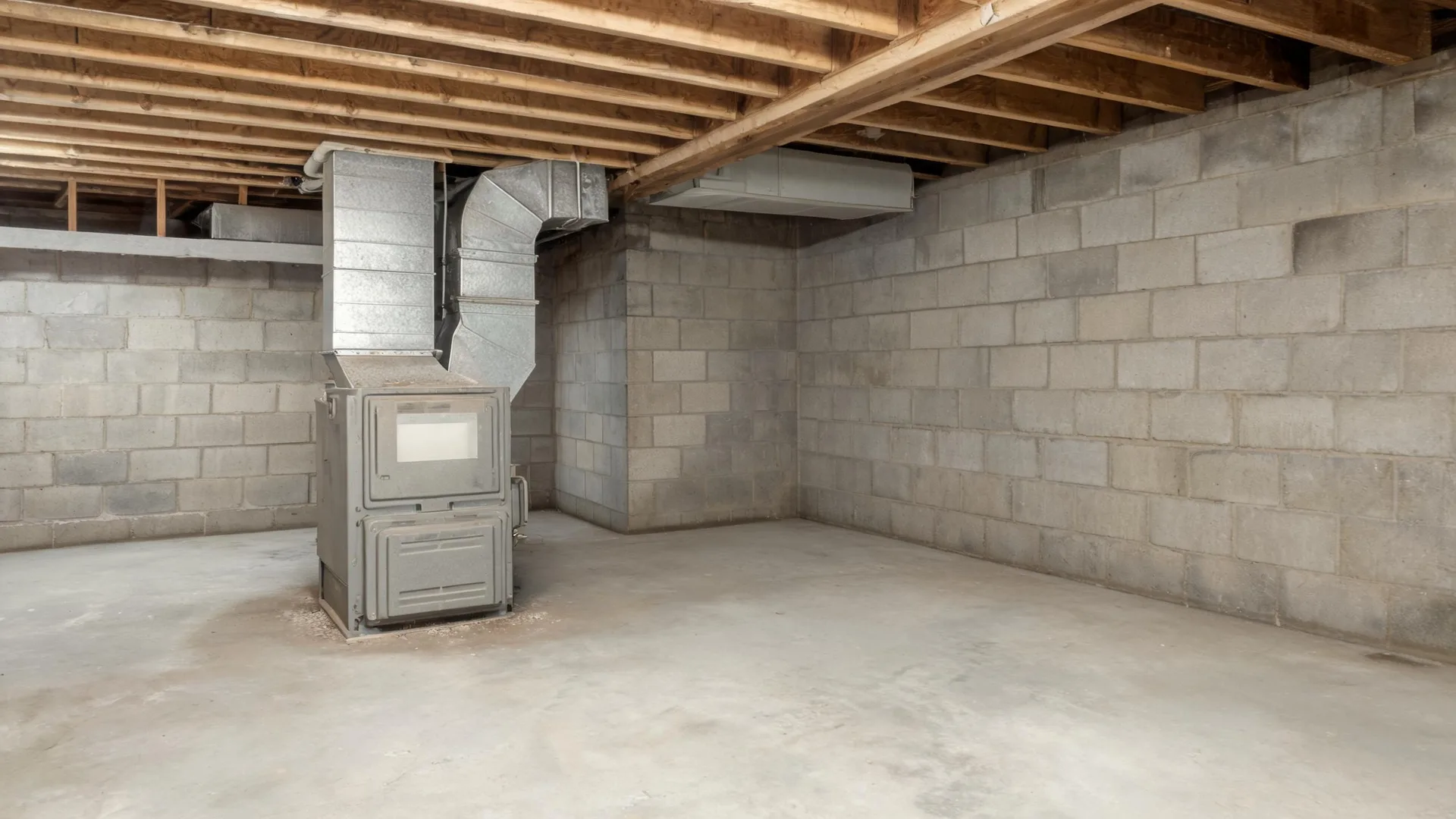
A furnace in Muscatine County runs from October through May. That's most of the year asking the heat exchanger and blower to cycle on and off, day after day.
Takes about a minute. No obligation.
A furnace in Muscatine County runs from October through May. That's most of the year asking the heat exchanger and blower to cycle on and off, day after day.
Winter storms hit this county 25 times between 2015 and 2024. On the coldest, worst nights, a furnace runs longest and hardest, right when a breakdown would hurt the most.

NOAA nClimDiv, 1991–2020 normals
Half the homes in Muscatine County were built in 1970 or earlier.
A furnace going into a house that old has to be sized and fitted for what that house actually needs now, not guessed at.



September is worth marking on the calendar. That's the month before heat season starts in Muscatine County, and the month to get a new furnace in if the old one is on its last legs. Wait until October and you're choosing a system while it's already cold, maybe after a breakdown, taking whatever install date you can get. Go in September and you get to pick the unit, pick the day, and have it running before that first cold morning shows up.
A new furnace needs a load calculation for the house it's going into, not the one it's replacing from decades ago. That means a contractor out to measure the ductwork, the windows, the square footage, before anything gets sized. Skip that step in a house built in 1970 or earlier and you risk a unit too big or too small for what's actually there now.
Find a contractorA furnace running eight months a year earns its keep fast. That's reason enough to get the size right instead of taking whatever a contractor has on the truck. An oversized furnace cycles on and off hard all winter long, short bursts that never let it settle into a steady run. An undersized one can't keep up when a storm comes through and the temperature drops for days. Ask what size the contractor landed on and why. The answer should come from the house, not from what's in stock.
A furnace install isn't just setting the new unit down next to the old one. The old furnace gets disconnected from the gas line, the electrical, and the venting, then physically removed before anything new goes in. If it's a forced air system, the ductwork connections get checked too, since years of use can loosen or crack what's attached to the old cabinet.
Pulling the old furnace means dealing with whatever venting or gas line sizing was built around it, which might not match what the new unit needs. A higher efficiency furnace often vents differently than an older one, sometimes needing new pipe run to the outside instead of using the old flue. That's part of the job, not an extra.
Estimates for a typical Muscatine County home, from EIA household energy data, Iowa fuel prices and NOAA climate normals. Your home will differ.
Most installs run a full day, sometimes two if the venting needs rework. The old unit comes out first, then the contractor sets the new cabinet, runs the gas line and electrical to it, and connects it to the existing ductwork or builds new transitions where the old ones don't fit. Once it's in place, the gas line gets pressure tested and the vent run gets checked for the right pitch and clearance. Then comes startup: checking the flame, the gas pressure, the blower speed, and the temperature rise across the heat exchanger. A contractor should cycle the system a few times before calling it done, not just fire it once and leave. Walk through what was tested before signing off, since that's what tells you the furnace is actually set up right and not just sitting in place.