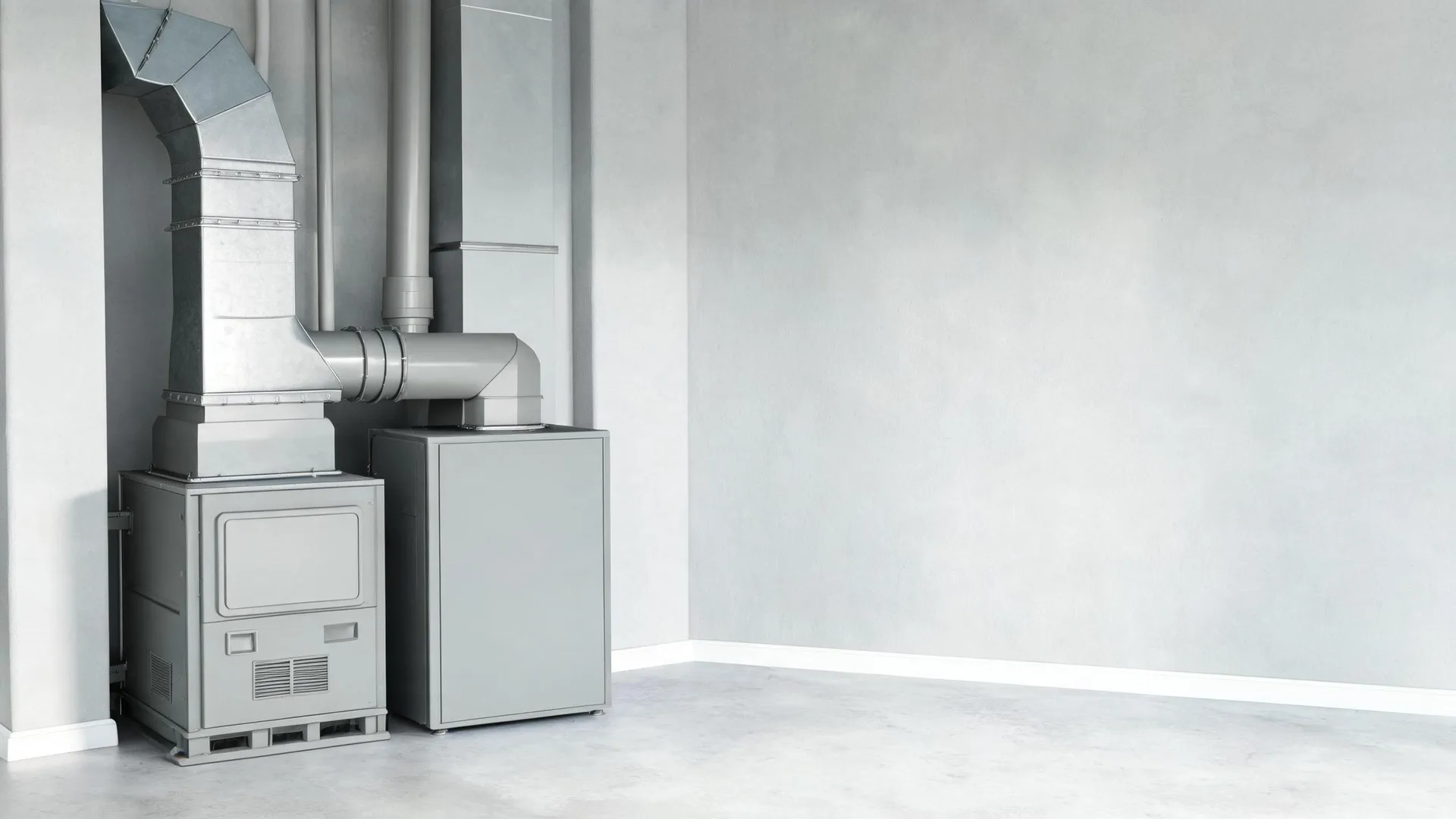
Eight months of heat
Furnaces in Grinnell run from October through May. That's most of the year, with overnight lows averaging 15°F in December, January and February. A furnace here doesn't get much of a break.
Takes about a minute. No obligation.
Furnaces in Grinnell run from October through May. That's most of the year, with overnight lows averaging 15°F in December, January and February. A furnace here doesn't get much of a break.
A furnace sized wrong will struggle when overnight lows sit at 15°F, whether it's too small to keep up or too big and short-cycling. Get the sizing right for this house, and don't pick based on the lowest bid.
NOAA nClimDiv, 1991–2020 normals
Half the homes in Poweshiek County were built in 1971 or earlier.
Install a furnace in a house that old and it has to match the ductwork and layout already there, not some standard box size.
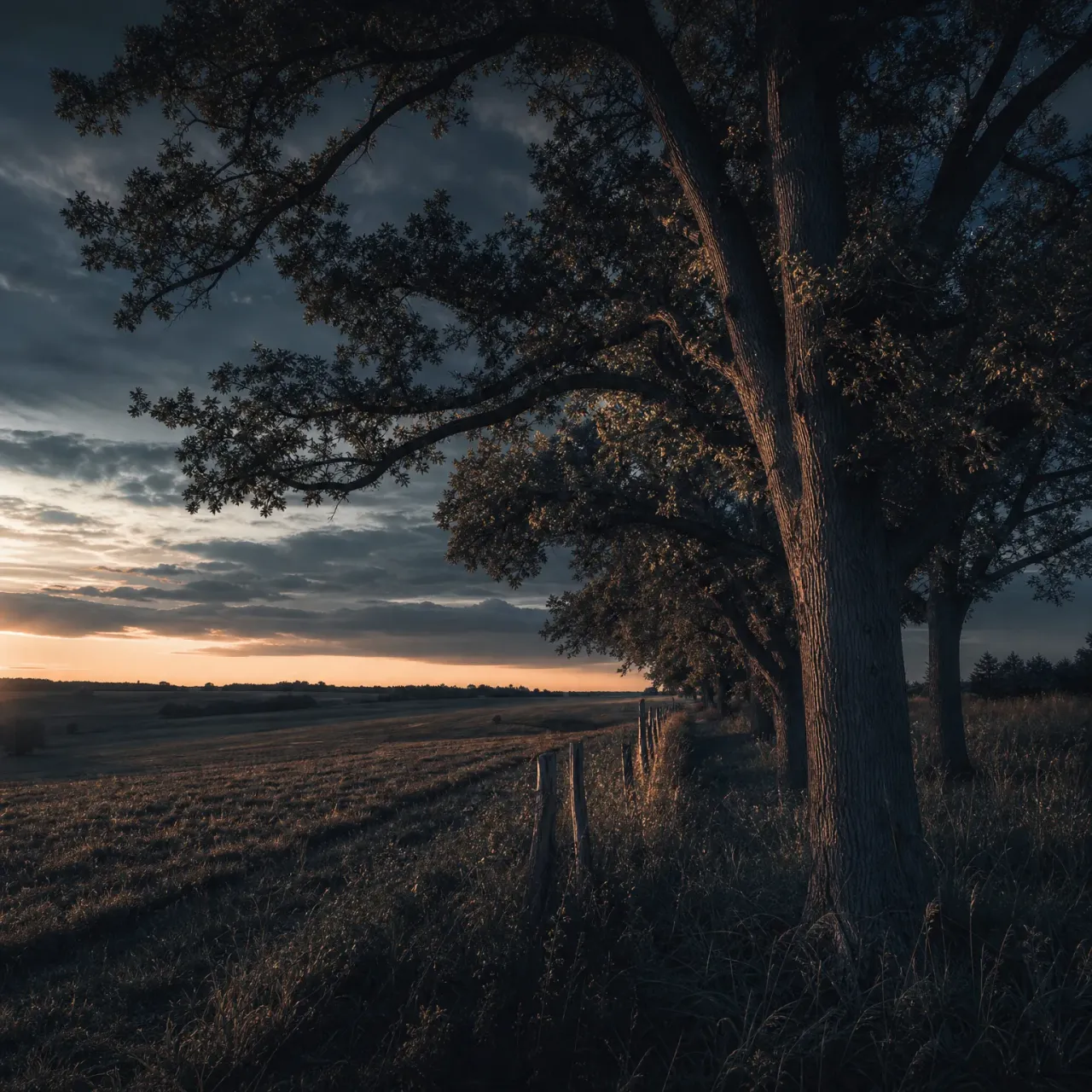
Gas heats 45.3% of homes in Poweshiek County, more than any other fuel. Electricity comes in at 25.6%, and LP gas at 25.0%. If your old furnace ran on gas, the gas line is already there, the vent is already set up for it, and a new gas furnace just goes where the old one sat. That's the simplest install there is. Switching fuels means new venting, maybe a new line, and more decisions about equipment that doesn't need to be part of this job.
Poweshiek County falls under zone 5A, where winter is the long season and heating is the bigger job. Furnaces built today already clear 80 percent AFUE, and that minimum holds until a jump to 95 percent takes effect in December 2028. Whatever goes into your house meets that standard.
Find a contractorA contractor sizing this job needs to see what's already in the house. Where the ducts run, where the old unit sat, what the layout allows. That's a walkthrough, not a phone estimate. If your place dates to 1971 or earlier, don't take a quote that wasn't based on someone standing in your house.
The AFUE number on the label says how much of the gas you burn turns into heat for the house. The rest goes out the flue. A higher number means less wasted gas for the same warmth, nothing else.
Moving from a lower AFUE to a higher one doesn't cut your gas use by that same gap. Ductwork, how well the house holds heat, and the thermostat settings all affect what actually reaches the rooms. The rating is about the furnace, not the whole house.
Estimates for a typical Poweshiek County home, from EIA household energy data, Iowa fuel prices and NOAA climate normals. Your home will differ.
Installation day itself is less about the furnace and more about everything around it. The old unit gets disconnected, the gas line, the vent, the ductwork, the electrical, and hauled out. Whoever's doing the work checks the vent pipe and makes sure it's rated for the new furnace, since venting isn't always a straight swap even when the fuel type matches. The ductwork gets connected to the new unit's plenum, and any gaps or loose seams are a good thing to fix while it's all open. Once it's set, running and vented, it gets fired up and checked for the right gas pressure, correct airflow, and a clean heat rise before anyone calls it done. A furnace that's never tested at this stage can run fine for weeks and still have a problem that only shows up on the coldest night.