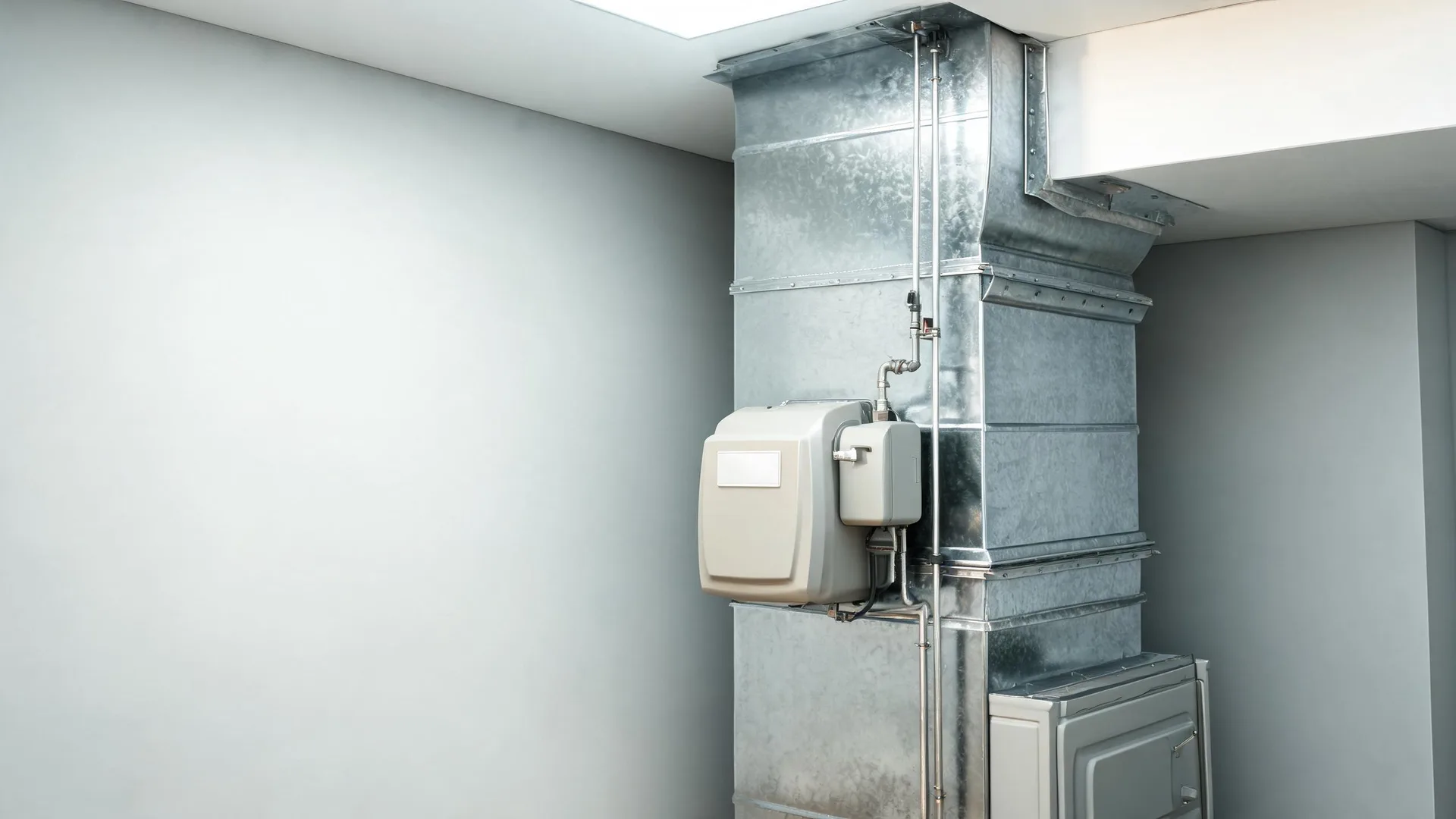
Most furnaces here run on gas
Utility gas heats 57.3% of homes in Dickinson County, more than electricity and propane combined. A gas furnace is the system most installers here work on week in and week out.
Takes about a minute. No obligation.
Utility gas heats 57.3% of homes in Dickinson County, more than electricity and propane combined. A gas furnace is the system most installers here work on week in and week out.
If your home already has a gas line run to the furnace, putting in another gas furnace means no new fuel hookup and no rewiring for electric heat. That keeps the install simpler and the work more predictable.
NOAA nClimDiv, 1991–2020 normals
Gas here runs $9.69 per million Btu.
A standard-efficiency furnace sized right for your house is the straightforward call, nothing bigger or fancier needed to handle Spirit Lake winters.

September is worth marking on the calendar. Heat here starts in October and runs through May, eight months straight once it gets going. A furnace that's struggling or on its last season tends to show it when it first kicks on, and that's a bad time to find out you need a new one. Getting the installation done in September means the work happens on a normal schedule, not as an emergency call on the first cold night. It also means the new furnace gets a dry run before it has eight months of steady work ahead of it.
A new system here will work harder than most, every year. Size it right and don't buy on price alone.
Find a contractorAn oversized furnace short cycles, and a undersized one runs flat out and still can't keep up on the coldest nights. Either way it's the same eight months of work, just done wrong. A load calculation looks at this house specifically, its square footage, windows and layout, not a rule of thumb. That's what tells an installer the right size, not a guess based on the house next door.
A furnace too large for the house heats the air fast, hits the thermostat setting, and shuts off again before it's run long enough to warm the ducts all the way through. That start-stop pattern is called short cycling. It wears on the ignition system and the blower motor, and the house ends up with warm rooms and cold rooms instead of even heat.
Houses the same size can need different furnaces depending on window count, ceiling height, how many exterior walls each room has, and what's above and below it. A load calculation walks through all of that room by room. Going off the nameplate on the old furnace or a rule of thumb based on square footage just carries forward whatever mismatch was already there.
Estimates for a typical Dickinson County home, from EIA household energy data, Iowa fuel prices and NOAA climate normals. Your home will differ.
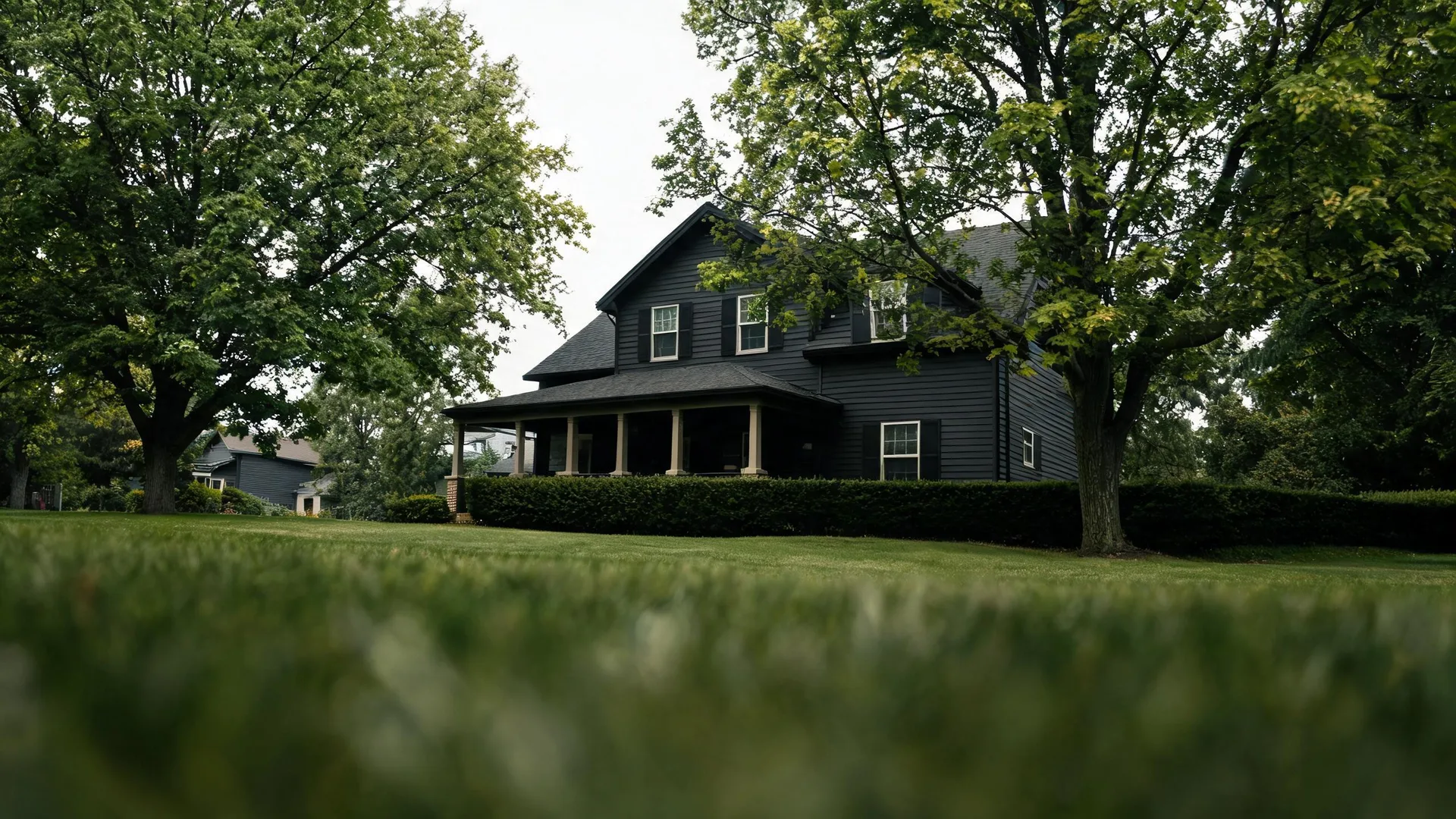
Installation day starts with the old furnace coming out, not the new one going in. The installer disconnects the gas line, the vent pipe, the return and supply ducts, and the electrical, then pulls the unit out whole where the space allows. With the old one gone, they check the ductwork and the vent it ties into before setting the new furnace in place, since a new furnace tied into old mismatched ductwork won't heat the way it's rated to. Setting the unit, connecting the gas line, running the vent, and wiring the thermostat and controls is the bulk of the day. Once it's hooked up, the installer fires it and checks the gas pressure, the temperature rise through the plenum, and the airflow at the registers, because those numbers tell them it's running the way it's supposed to, not just that it turns on. A combustion analyzer check on the flue gas is part of that, confirming it's burning clean before anyone calls the job done.