



A quiet residential street at dusk lined with illuminated two-story brick houses and mature trees.

Furnace Installation in Dubuque, IA

Tell us about the job

Takes about a minute. No obligation.

New system or replacementFurnace or heatingDubuque County, IA
Step 1 of 2

What ZIP code is the job in?

Half the homes in Dubuque County were built in 1970 or earlier. A furnace going into one of these houses isn't going into a blank slate. The ductwork, the venting, the spot where the old unit sits, all of it was built around whatever system came before. A new furnace has to work with what's already there, not the other way around. That matters more here than in a county full of new construction, where the installer is starting fresh.

8 months
October through May, your furnace is on duty
15°F
the average winter night it heats against
71%
of homes here heat with gas, so most furnaces here burn gas
80% AFUE
the federal minimum any new unit must meet
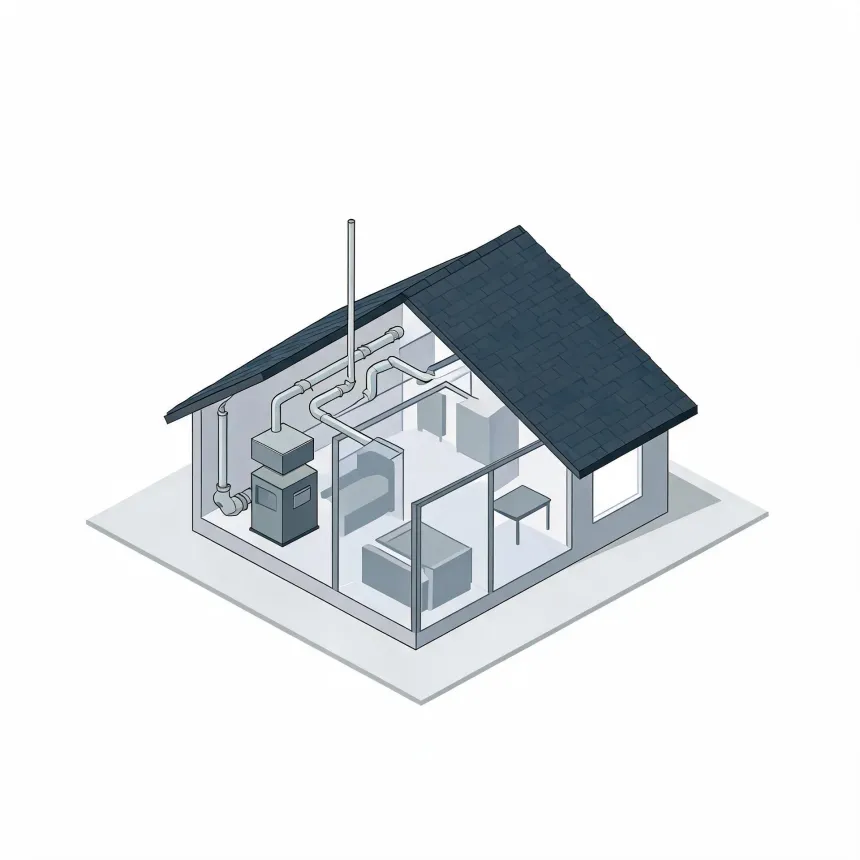
Isometric cutaway illustration of a small house with a dark shingled roof, showing an interior furnace unit, ductwork, and a flue pipe extending through the roof.
Your furnace works hardest from November through March.

NOAA nClimDiv, 1991–2020 normals

Furnaces in Dubuque County run eight months of the year, October through May.

A new furnace here earns its keep fast, so size and quality matter more than the sticker price.

Most of this county heats with gas, and that's what's going back in

71.2% of homes heat with gas
Heat runs October through May
Winter nights average 15°F

Dubuque County falls under zone 5A, a cool, humid climate where the heating load drives the code. Any furnace installed here now has to turn at least 80 percent of the gas it burns into heat over the winter, the federal minimum since late 2015. That number jumps to 95 percent for furnaces built on or after December 18, 2028, so the baseline is about to get a lot stricter. A unit installed today still has to meet the rule in place when it was manufactured, not the one coming later. Given how many months this furnace runs, the efficiency it's rated for isn't a small detail.

Get a furnace that fits the house you have

An older house needs a furnace sized and fitted to what's already there, the existing ductwork and the spot where the last one sat. That's a job for someone who can look at your house and work with it, not around it.

Find a contractor
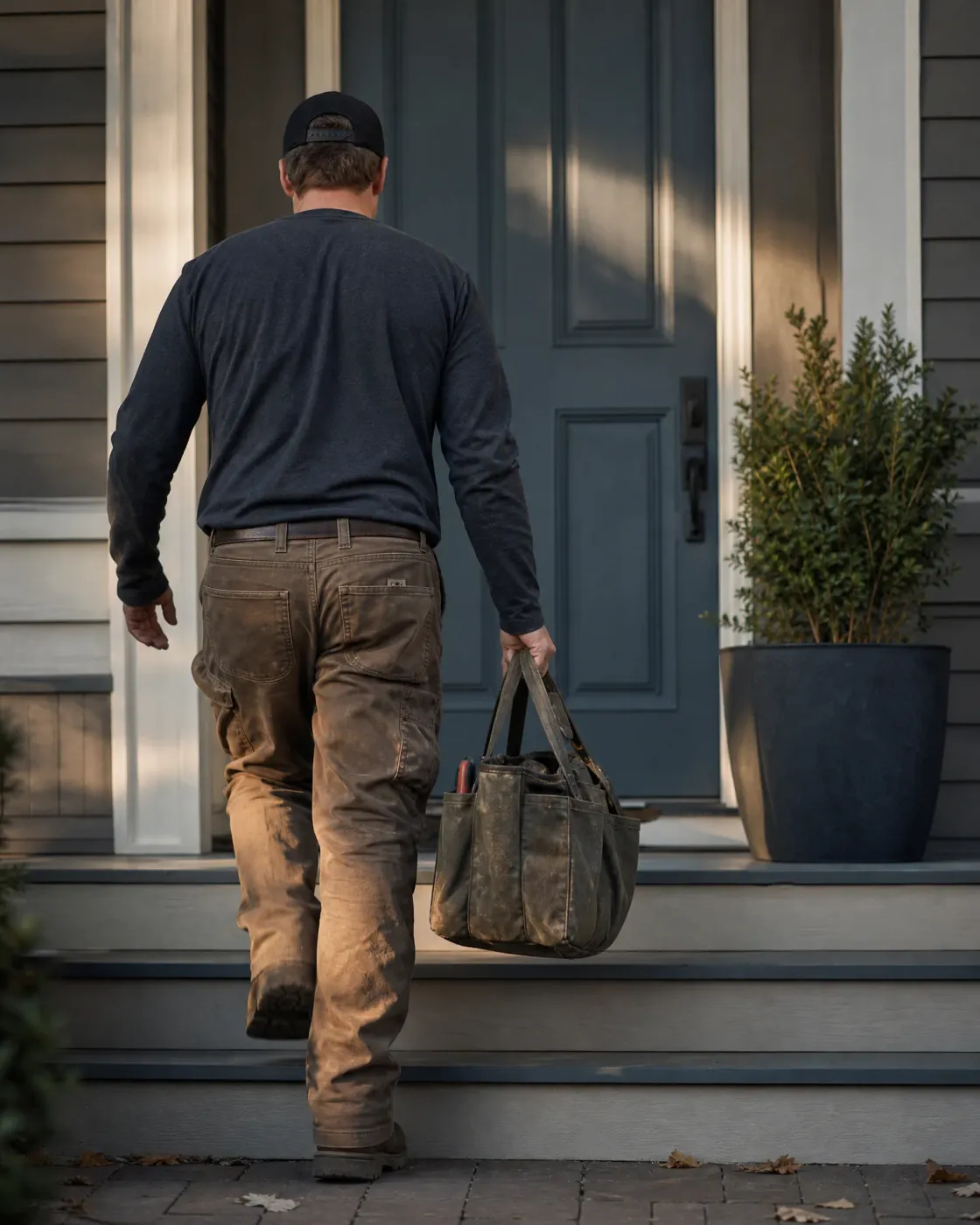
A man in a dark long-sleeved shirt, cap, and worn tan work pants climbs porch steps toward a dark blue front door, carrying a canvas tool bag.
A gray high-efficiency gas furnace installed in an unfinished basement, surrounded by gas lines, a condensate drain, and sheet-metal ductwork.

September is the month to do this, not January

Heat starts going on in October here and keeps running into May. That's eight months out of twelve. September is the slow month before it starts, the one where a new furnace can go in without anyone standing in a cold house waiting on it. Wait until the first cold snap and the choice gets made for you: whatever unit can be installed fastest, on whatever day a crew is free. Get it done in September and the choice is yours, not the weather's.

The furnace itself is one line item

The unit is priced by its heating output and how efficiently it burns gas, and a bigger or higher-efficiency model costs more to buy. But the furnace sitting in the showroom isn't the whole job. What has to happen to get it running in a specific house is its own separate cost, and it can move the total more than the model you pick.

What's already there decides the rest

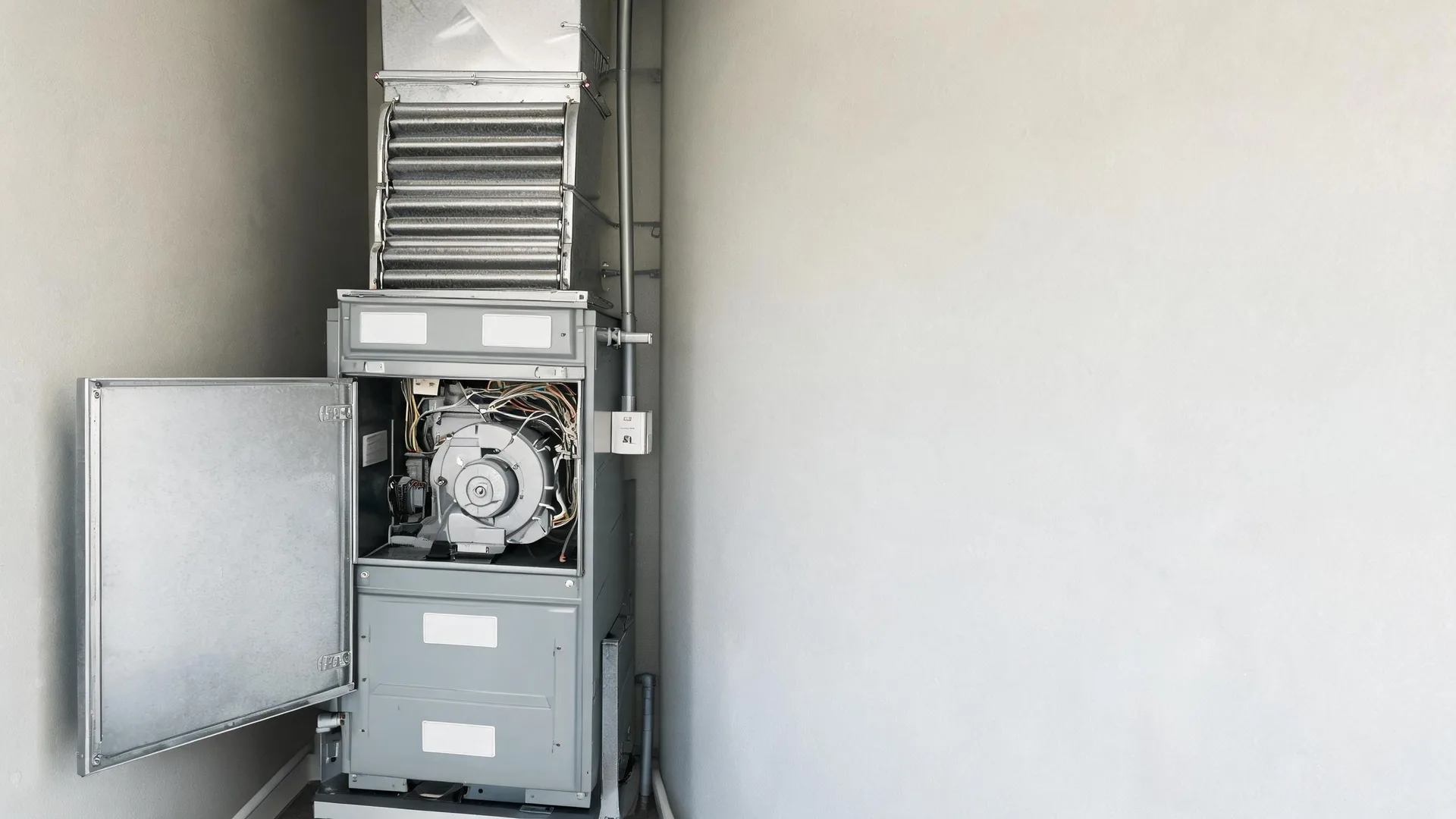
If the vent pipe, gas line, and ductwork already match what the new furnace needs, the crew connects it and moves on. If the old furnace vented a different way, or the new one needs a bigger return line, or the ducts near the unit need reworking, that's additional labor and material before the furnace is even turned on. None of that shows up on a price tag. It shows up when someone who knows the trade looks at the house.

An empty unfinished basement containing a forced-air furnace with overhead ductwork, exposed ceiling joists, and a single hanging light bulb.

A high-efficiency gas furnace would save about $100 a year to run in Dubuque County compared with a gas furnace.

  • A high-efficiency gas furnace$460 a year
  • A gas furnace$560 a year

Estimates for a typical Dubuque County home, from EIA household energy data, Iowa fuel prices and NOAA climate normals. Your home will differ.

Installation day starts with the old furnace coming out, not the new one going in. The crew has to disconnect the gas line, the venting, the ductwork, and the electrical before anything new gets set in place. Once the old unit is clear, they'll check the flue or vent pipe, the gas supply, and the return air opening against what the new furnace actually needs, since those connections don't always match up part for part. The new furnace gets set, leveled, and connected to the ducts, the gas line, the vent, and the power. Then comes the part that matters most and takes the most time: firing it up, checking the gas pressure, checking the temperature rise across the heat exchanger, and watching how it cycles before anyone calls the job done. A furnace that's installed but never tested properly is the one that causes a service call three weeks later.