Gas is the common fuel here
Utility gas heats 60.1% of homes in Marion County. Electric heat and LP gas split most of the rest, at 18.8% and 18.2%. If gas already runs to your furnace, a new gas furnace is the straightforward swap.
Takes about a minute. No obligation.
Utility gas heats 60.1% of homes in Marion County. Electric heat and LP gas split most of the rest, at 18.8% and 18.2%. If gas already runs to your furnace, a new gas furnace is the straightforward swap.
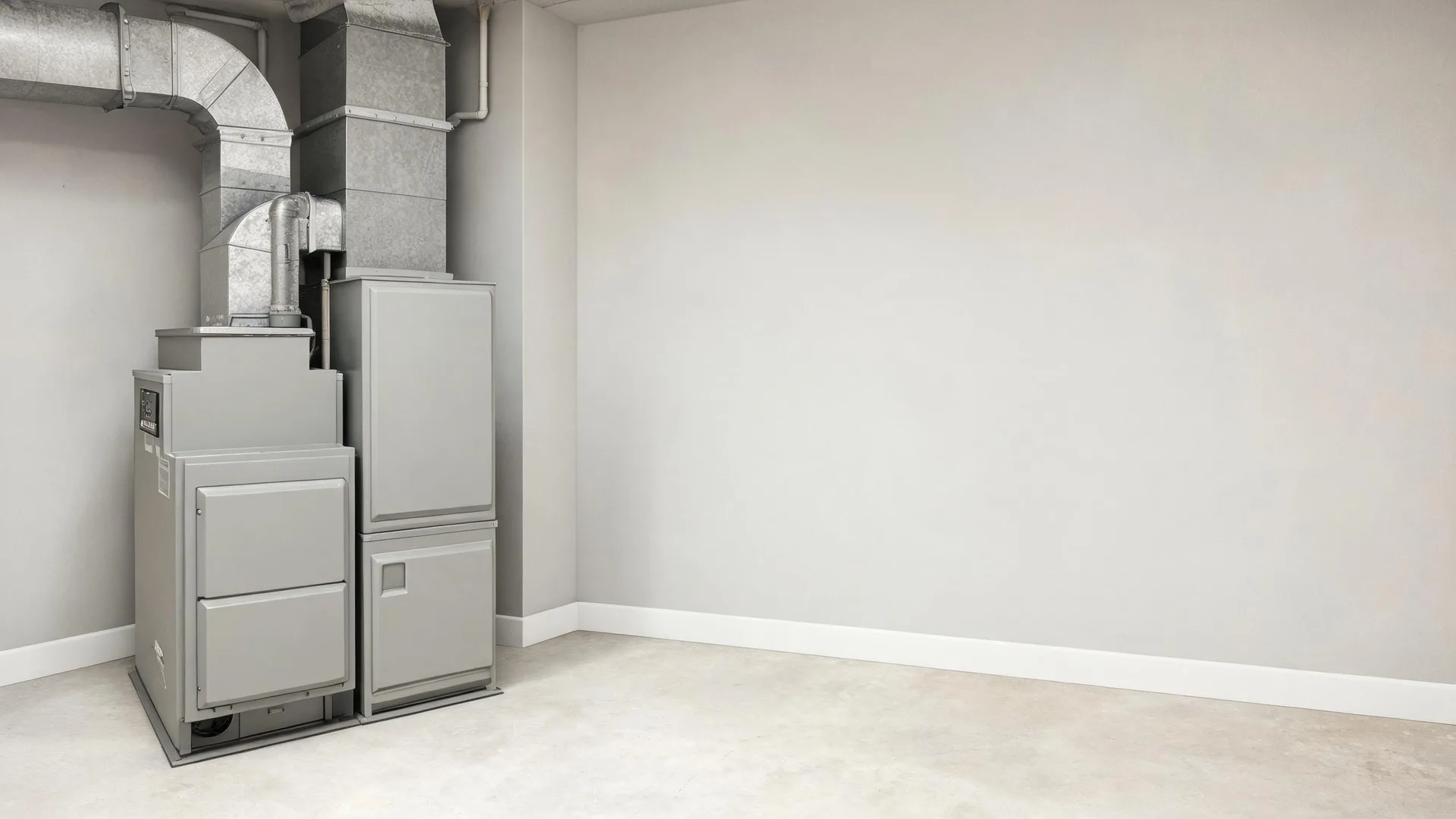
A gas furnace needs a flue and a gas line sized for it. If your old furnace ran on gas, both are likely already in place, which keeps the job closer to a straight swap than a new setup.
NOAA nClimDiv, 1991–2020 normals
Natural gas in Iowa ran $9.69 per million Btu in 2024, cheap compared to most of the country.
At that price a high-efficiency furnace takes longer to earn back its extra cost, so pick yours on reliability and fit first.



A standard furnace costs less to install and less to replace later, and at Iowa gas prices the running cost gap to a high-efficiency model is smaller than it would be elsewhere. The high-efficiency option needs a condensate drain and different venting, and that extra work adds to the install cost before it ever starts saving on gas. Ask the contractor for the installed price on each option, not just the price of the unit, since the venting changes the job. If your old furnace vented through a metal flue, matching that tier again usually means less rework there. What matters most is a furnace sized right for your house and installed well, not the efficiency number on the sticker.
Eight months of heat a year, with overnight lows averaging 17°F in December, January and February, asks a lot of a furnace. The one you install now needs to be sized for this house and put in right.
Find a contractor
Heat here starts in October and runs through May. A furnace put in during September goes in on a quiet schedule, with time to size the job right and no rush to get heat back on. Wait until the first cold snap and the choice gets made for you, on whatever timeline a breakdown allows.
A contractor has to work out how much heat the house needs before pricing anything, using room sizes, window area and how the house is laid out. A furnace too big for the house cycles on and off and wears out faster. One too small runs constantly and never quite keeps up. Getting this right takes a load calculation, not a guess based on the old unit's size, and that work is part of what you're paying for.
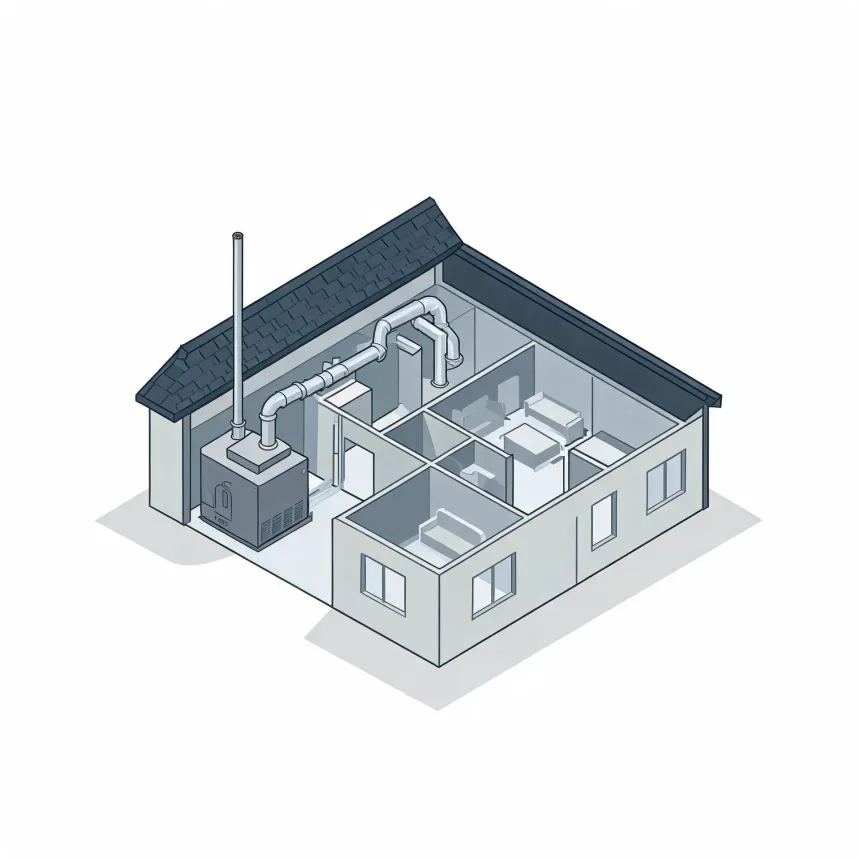
Swapping a furnace for the same type in the same spot is the simplest job there is. Moving the unit, changing the vent material, or switching fuel types means new ductwork, new gas line runs or new venting, and each of those adds labor before the furnace itself ever gets installed. Ask what's being changed, not just what's being replaced.
Estimates for a typical Marion County home, from EIA household energy data, Iowa fuel prices and NOAA climate normals. Your home will differ.
Install day starts with the old furnace coming out, not the new one going in. The contractor shuts off gas and power, disconnects the flue and ductwork, and pulls the unit out of the closet or basement spot it's lived in for years. Only then does the new furnace go in, get leveled, and get connected to the gas line, the vent, and the supply and return ducts. Once it's hooked up, the contractor fires it and checks the flame, the gas pressure, and the temperature rise across the heat exchanger. A combustion analyzer reading tells them the furnace is burning gas cleanly, not just that it turns on. The last step is walking the ductwork for airflow and leaks, since a furnace running right still heats unevenly if the ducts feeding it aren't sealed.