

A row of dark-sided single-story buildings with gabled shingle roofs behind a tall trimmed hedge, with lawn, leafy trees and an overcast sky.

Furnace Installation in Waterloo, IA

Tell us about the job

Takes about a minute. No obligation.

New system or replacementFurnace or heatingBlack Hawk County, IA
Step 1 of 2

What ZIP code is the job in?

Eight months of heat a year is a long season for any furnace. Most of the country gets by on less. From October through May, this one here is running close to every day, through the worst of a Black Hawk County winter and the shoulder months on either side. That kind of run time adds up on the burner, the igniter, the blower motor, all the parts that cycle on and off thousands of times a season. A furnace sized wrong for the house pays for that mistake every one of those eight months, not just on the coldest days.

8 months
October through May, your furnace is on duty
13°F
the average winter night it heats against
63%
of homes here heat with gas, so most furnaces here burn gas
80% AFUE
the federal minimum any new unit must meet
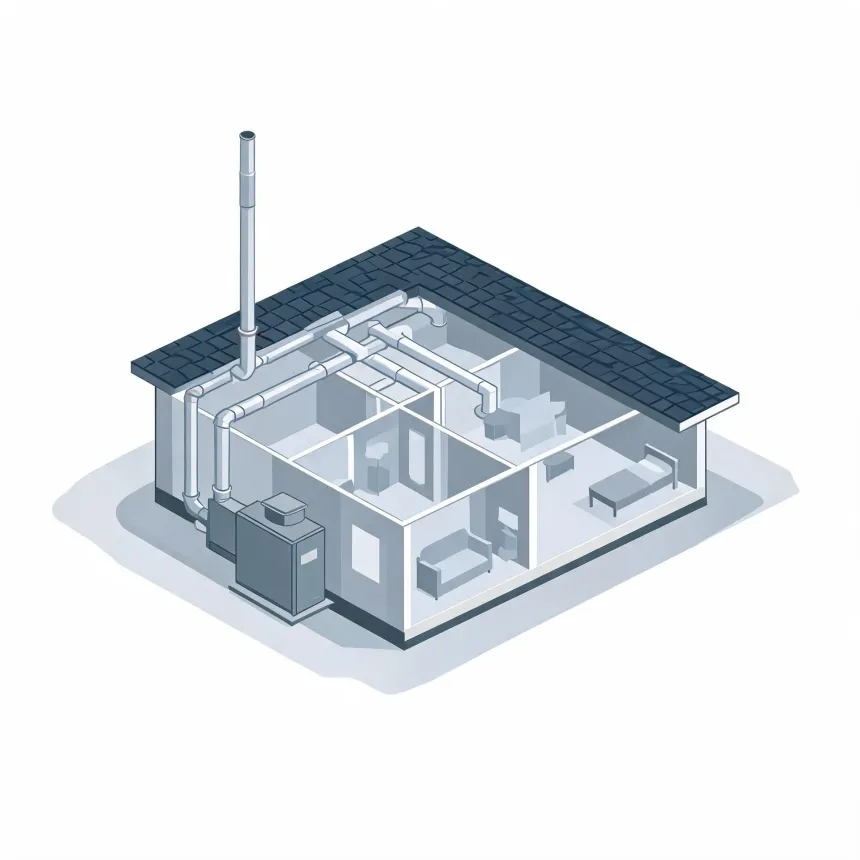
Isometric cutaway illustration of a single-story house with a dark shingled roof, showing interior rooms with furniture, a ducted air distribution system, a tall vertical flue pipe, and a gray furnace unit outside the wall.
Your furnace works hardest from November through March.

NOAA nClimDiv, 1991–2020 normals

Half the homes in Black Hawk County were built in 1966 or earlier.

A furnace going into a house that old has to match the house, not just the slot the old one left behind.

Eight months of heat a year means September is when to plan, not when it breaks

Heat runs October through May
Winter nights average 13°F
Climate zone 6A

Gas heats 63.4 percent of homes in Black Hawk County, more than any other fuel. If that's how this house already heats, a new furnace replacing an old one is working with a gas line and venting that are already there. That keeps the installation straightforward. It's still worth asking the contractor to check that the existing line and vent match what the new furnace calls for, since sizing and venting requirements do change between models. Going with gas again also means the furnace runs on cheap power instead of expensive power, and that matters across a long heating season.

Size it for eight months of heat, not for the old slot

Get the sizing right and this furnace can handle eight months of work a year. Get it wrong and the house pays for it every one of those months. Have the contractor size it to the house, not to the unit coming out.

Find a contractor
A gray residential gas furnace installed in an unfinished basement, connected to sheet-metal ductwork and PVC pipes.

Match the furnace to the house, not the hole it came out of

A house built in 1966 or earlier wasn't built for the furnace going into it now. Duct runs, return size, where the thermostat sits, all of that got worked out for whatever unit was standard at the time. The old furnace may have been oversized or undersized for years and nobody noticed. Before the new one goes in, have the contractor run a load calculation on the house itself, room by room, not just measure the old unit and match it. That's how the new furnace ends up sized to the house instead of just fitted to the hole the old one left.

The house itself sets the price

Square footage is the start of it, but not the whole story. Ceiling height, how many stories, how much of the wall is window, all of that goes into the load calculation that decides what size furnace the house actually needs. Ductwork matters too. If the existing ducts are the right size and in decent shape, the installer works with what's there. If they're undersized, leaky, or routed badly, bringing them up to par is part of the job, and that's real work beyond setting the furnace in place.

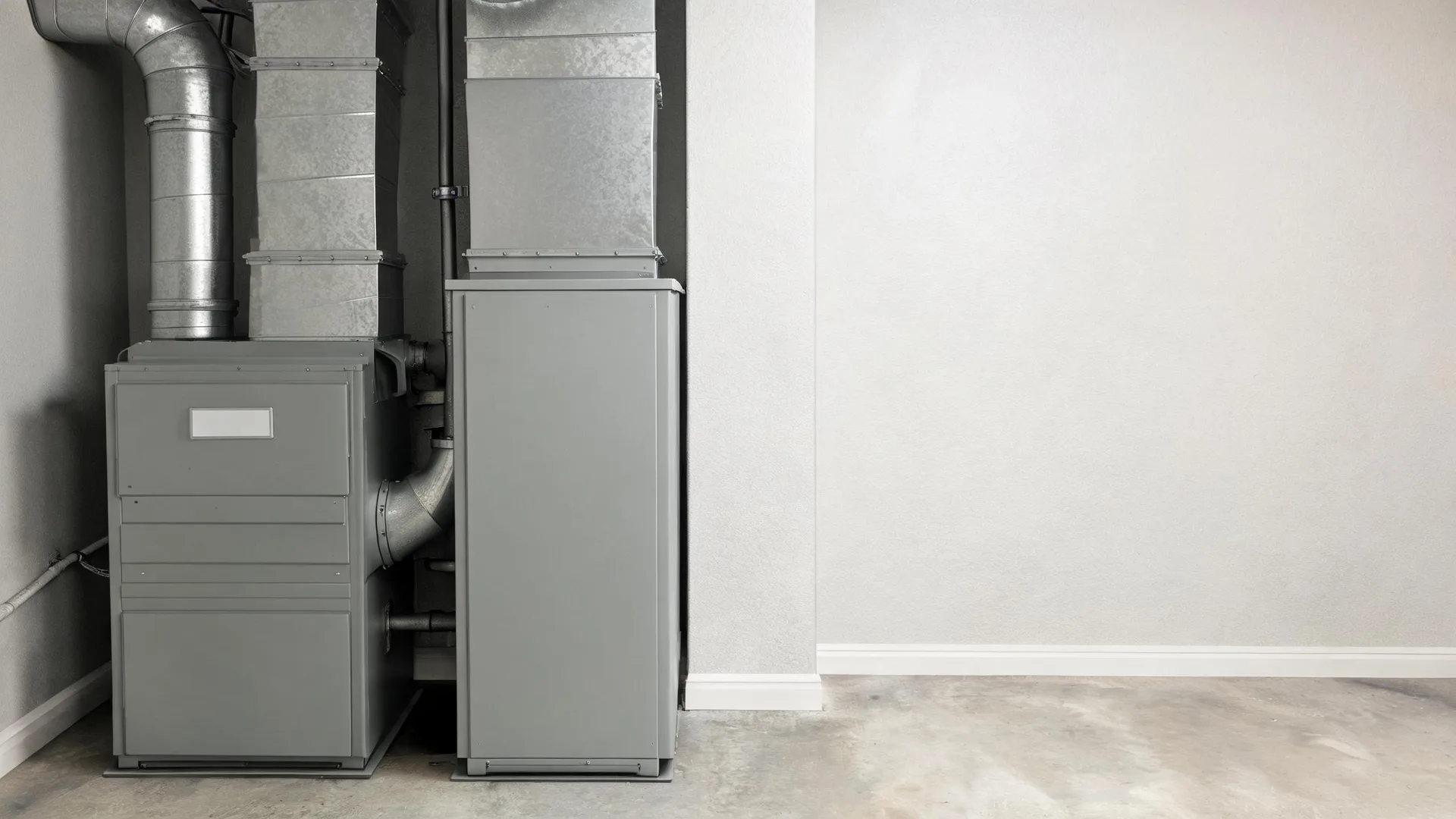
The furnace itself isn't one price

Furnaces come in different efficiency tiers, and a single-stage furnace, a two-stage, and a variable-speed model are three different builds with three different part counts inside them. Variable-speed blower motors and multi-stage gas valves cost more because there's more to them and they do more. The cabinet size and the venting style matter too. A high-efficiency furnace vents differently than an older style, and that venting work is part of what's being paid for, not an add-on to it.

A gray forced-air furnace with sheet-metal ductwork stands in an unfinished basement with exposed wooden joists, concrete walls, and a hanging incandescent bulb.

A high-efficiency gas furnace would save about $100 a year to run in Black Hawk County compared with a gas furnace.

  • A high-efficiency gas furnace$470 a year
  • A gas furnace$570 a year

Estimates for a typical Black Hawk County home, from EIA household energy data, Iowa fuel prices and NOAA climate normals. Your home will differ.

Installation day starts with the old furnace coming out, along with the old venting if it's being replaced with a different type. The installer sets the new cabinet, connects the supply and return plenums, and runs the gas line to it. Electrical and the thermostat wire get hooked up, then the venting goes in, sized and routed for that specific model. Once it's all connected, the installer fires it up and checks the gas pressure, the temperature rise across the heat exchanger, and the airflow at the vents. A combustion analyzer gets used to check the flue gases, since that tells the installer the furnace is burning clean and venting correctly. Before they leave, they should walk the thermostat settings with whoever lives there and explain what the filter looks like and where it sits.