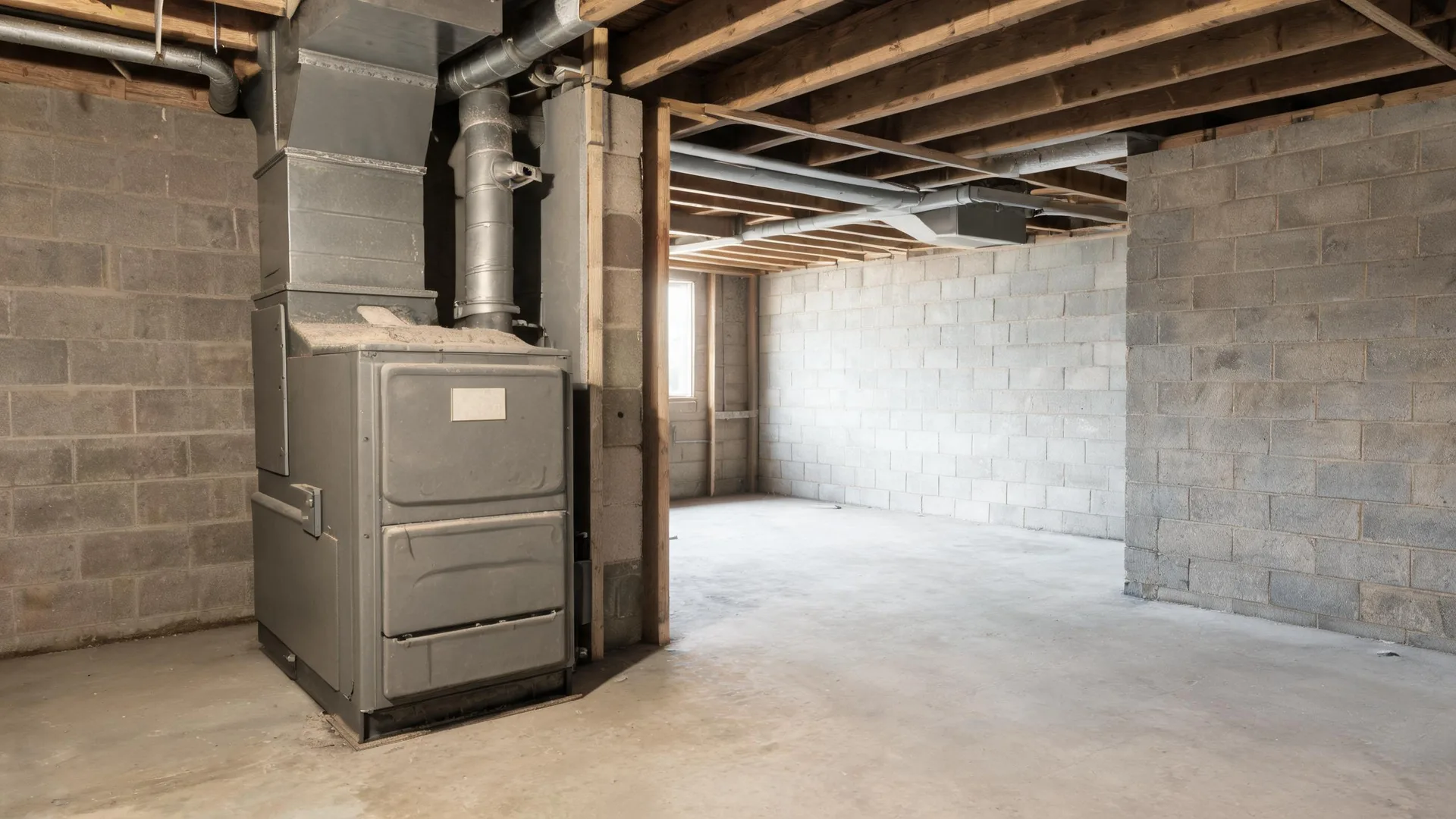
An unfinished basement interior showing a gray furnace unit beneath a bare incandescent bulb, surrounded by exposed joists, concrete walls, cardboard boxes, and utility pipes.

Furnace Installation in Mount Pleasant, IA

Tell us about the job

Takes about a minute. No obligation.

New system or replacementFurnace or heatingHenry County, IA
Step 1 of 2

What ZIP code is the job in?

Ask for a load calculation, not a guess based on the old furnace

The right furnace size comes from a room by room look at the house, the windows, the insulation, and how the ductwork is laid out. A contractor who just matches the new unit to whatever was there before is skipping a step that decides whether the house heats evenly or has cold rooms.

Ask what happens to the ductwork, not just the furnace

A new furnace moves a different amount of air than the old one did. If the ducts are too small or leaky for that airflow, the house won't feel the difference a new furnace is supposed to make. Someone should look at the duct sizing before the install, not after.

8 months
October through May, your furnace is on duty
18°F
the average winter night it heats against
53%
of homes here heat with gas, so most furnaces here burn gas
80% AFUE
the federal minimum any new unit must meet
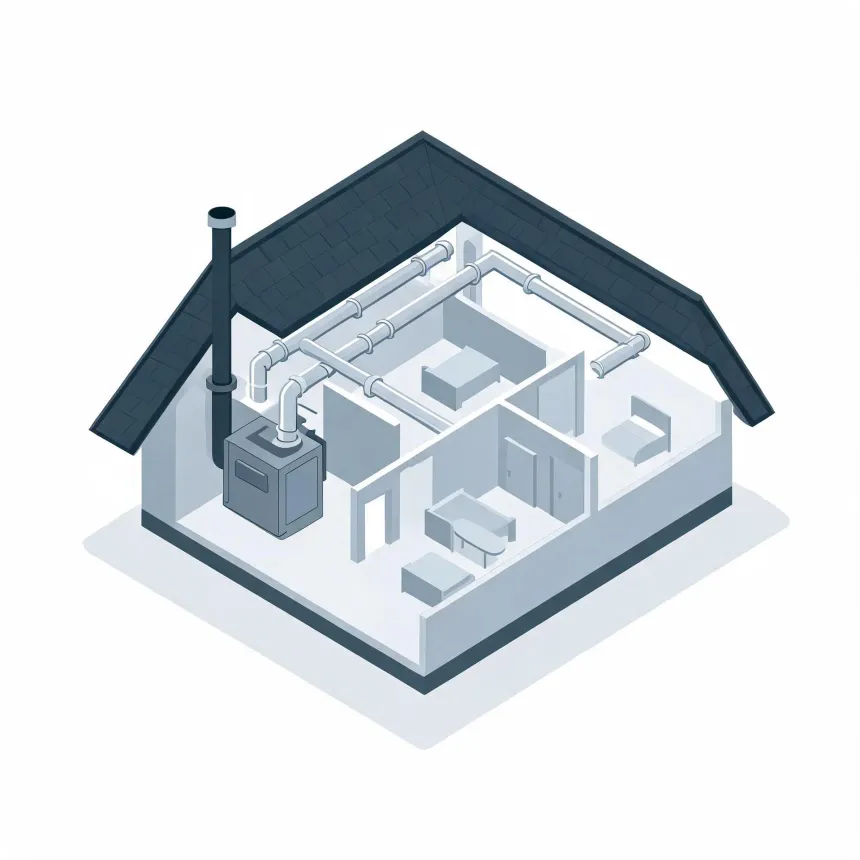
Isometric illustration of a cutaway house showing a dark furnace unit with a flue pipe and branching ductwork running through rooms with simple furniture under a dark gabled roof.
Your furnace works hardest from November through March.

NOAA nClimDiv, 1991–2020 normals

Furnaces in Henry County run from October through May, about eight months of the year.

Eight months of heating a year means the size has to be right from day one, not a guess carried over from the old unit.

Gas is cheap here, so the right fit matters more than the efficiency rating

Heat runs October through May
Winter nights average 18°F
Climate zone 5A
Get it done before OctoberHeat season runs October through May here. September is the month to replace it, not the month you're stuck without one.

Get the sizing wrong and this is the climate that finds it out. Overnight lows average 18°F through December, January and February, and the furnace has to answer for that night after night, not once in a while. A unit that's too small runs flat out and still can't keep up on the coldest stretches. One that's too big short cycles, switching on and off instead of running steady, which wears the igniter and the blower motor sooner than it should. Either way the mistake shows up as a repair call down the road, not on install day when you'd catch it.

Most homes here heat with gas, and that makes the choice simple

Gas heats 52.5% of homes in Henry County, more than electric and propane combined. If that's what's already running to the house, a gas furnace is the straightforward replacement. No new fuel line, no argument about which way to go. Just the sizing and the ductwork left to get right.

Find a contractor
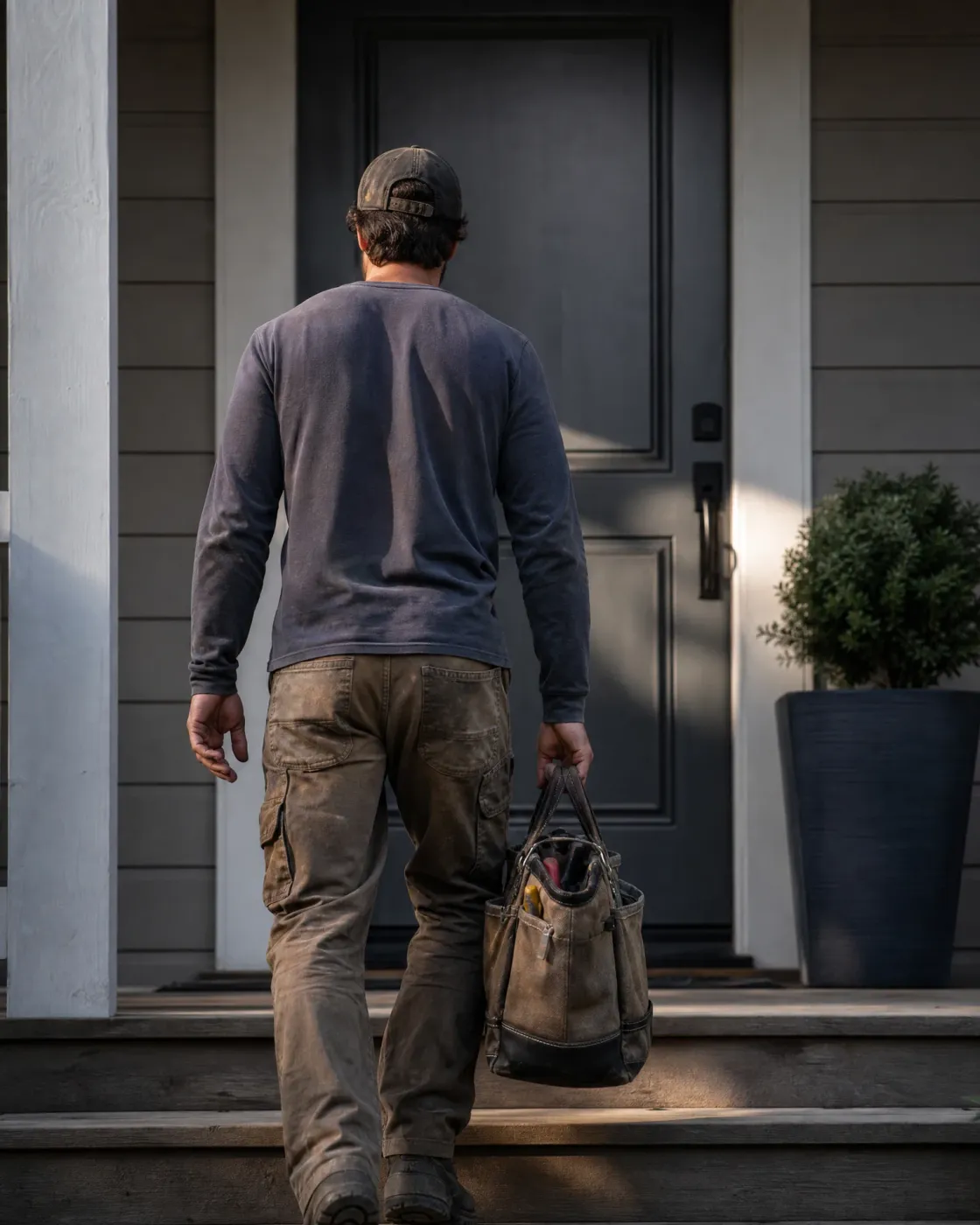
A man in a cap, dark long-sleeve shirt and dirty work pants walks up wooden steps toward a dark gray front door, carrying a canvas tool bag in his right hand, with a potted shrub beside the entry.
A gray high-efficiency gas furnace installed in an unfinished basement, surrounded by gas lines, a condensate drain, and sheet-metal ductwork.

This furnace has an old house to answer for

Half the homes in Henry County were built in 1968 or earlier. A house that old was built for a furnace sized and installed under rules nobody follows anymore, and whatever is running now may not match what the house actually needs. Replacing it is the chance to fix that, with a load calculation done fresh rather than carried over from one unit to the next.

The furnace itself is only part of the bill

Cabinet size, the stage of the burner, and whether the blower is a fixed speed or a variable one all move the price. A single stage furnace is the plainest version of the machine. A modulating one holds a steadier temperature and runs quieter, but it costs more and asks more of whoever services it later.

What the installer has to change around it costs more than people expect

A furnace doesn't sit by itself. The vent pipe, the gas line, the return air, the plenum, sometimes the electrical, all have to match the new unit, not the old one. If any of those need resizing or moving, that work shows up in the price same as the furnace does.

A gray forced-air furnace with ductwork stands in an unfinished concrete basement surrounded by storage items and clutter.

A high-efficiency gas furnace would save about $90 a year to run in Henry County compared with a gas furnace.

  • A high-efficiency gas furnace$400 a year
  • A gas furnace$490 a year

Estimates for a typical Henry County home, from EIA household energy data, Iowa fuel prices and NOAA climate normals. Your home will differ.

Install day starts with taking the old furnace out, not setting the new one in. The gas line, the vent pipe, and the electrical all get disconnected before anything new goes in. Once the old unit is out, the vent pipe or the gas line is often cut in fresh to match the new furnace rather than the one that just left. The new furnace gets set, leveled, and connected up. Then it has to be checked while it's running. That means reading the gas pressure, checking the rise in temperature across the heat exchanger, and watching how it cycles once it's actually firing. A furnace that's bolted in and hooked up isn't the same as one that's been checked under fire. Skipping that last part is how a install looks finished but isn't.