

Heat pump vs furnace in Henry County, Iowa

Find a Local Installer

Get a price before you decide

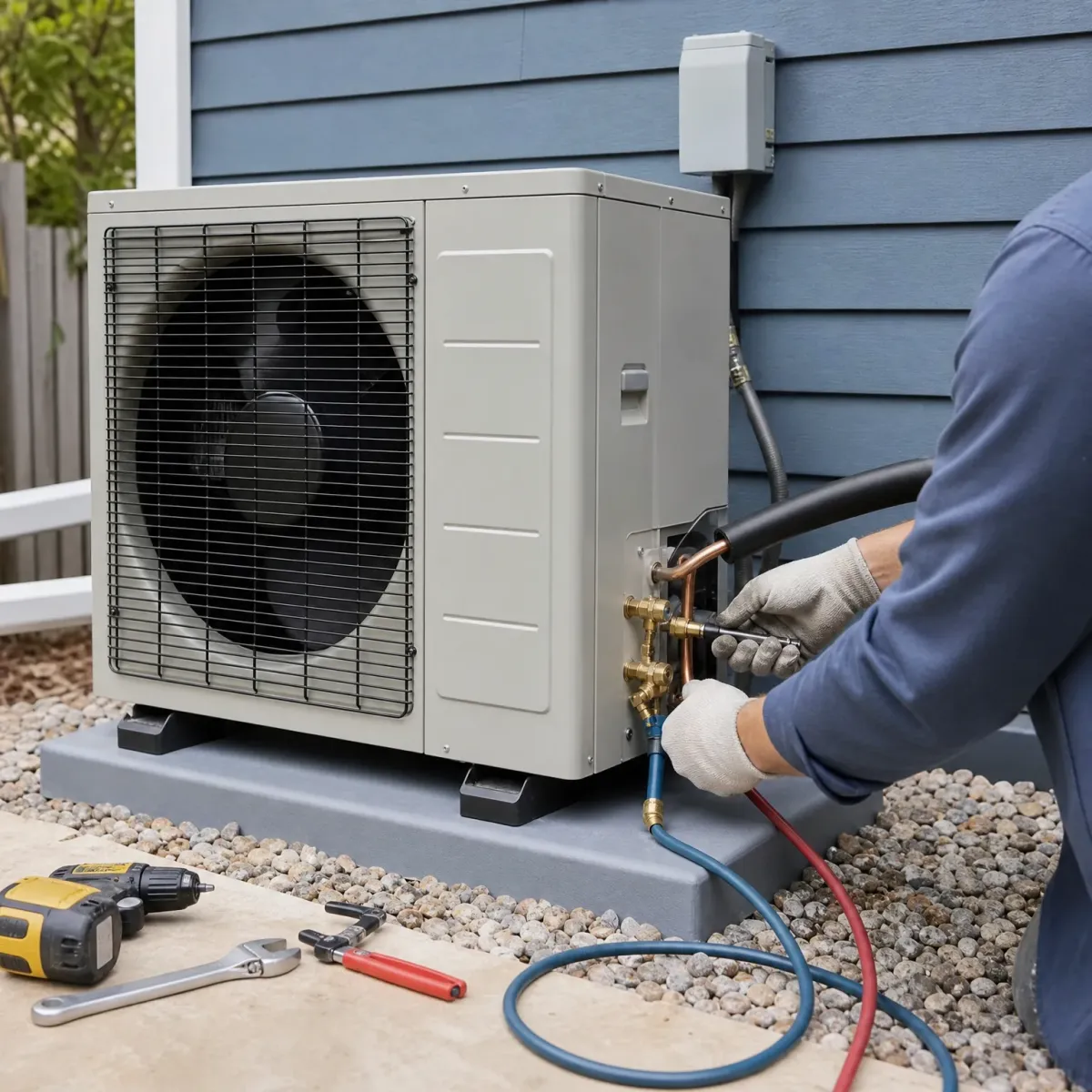
A person in a blue long-sleeved shirt and white gloves works on copper refrigerant lines with blue and red gauge hoses at an outdoor condenser unit on a gray pad beside a blue-sided house, with a drill and wrenches on the concrete in the foreground.

Tell us about the job

Takes about a minute. No obligation.

New system or replacementHenry County, IA
Step 1 of 3

What kind of equipment?

Which costs less to run in Henry County?

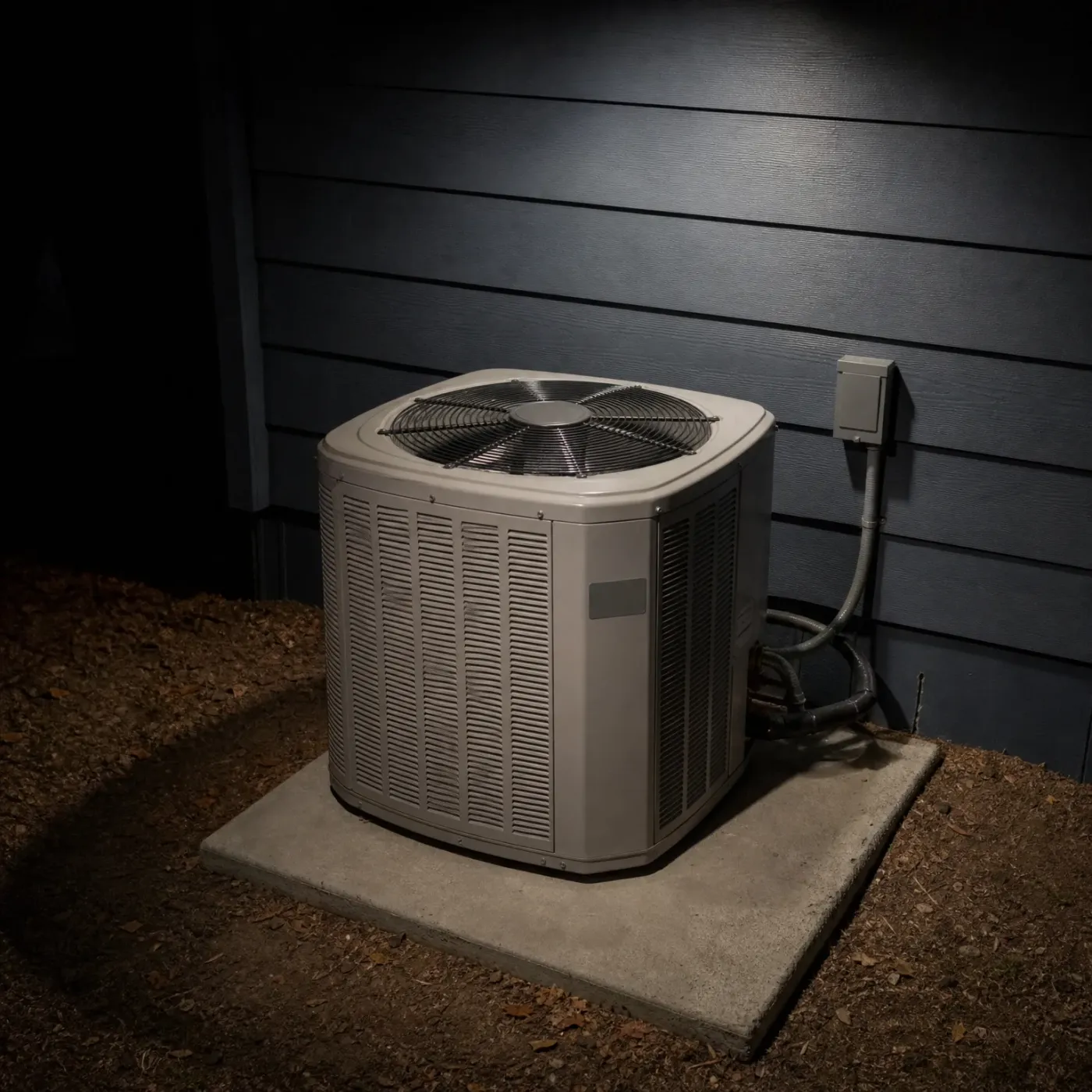
An outdoor condenser unit on a concrete pad beside a dark blue horizontal lap-sided wall at night, with a wall-mounted disconnect box and refrigerant lines entering the wall, surrounded by bare soil and mulch.

Heat pump

To heat your home here$1.79per 100,000 Btu

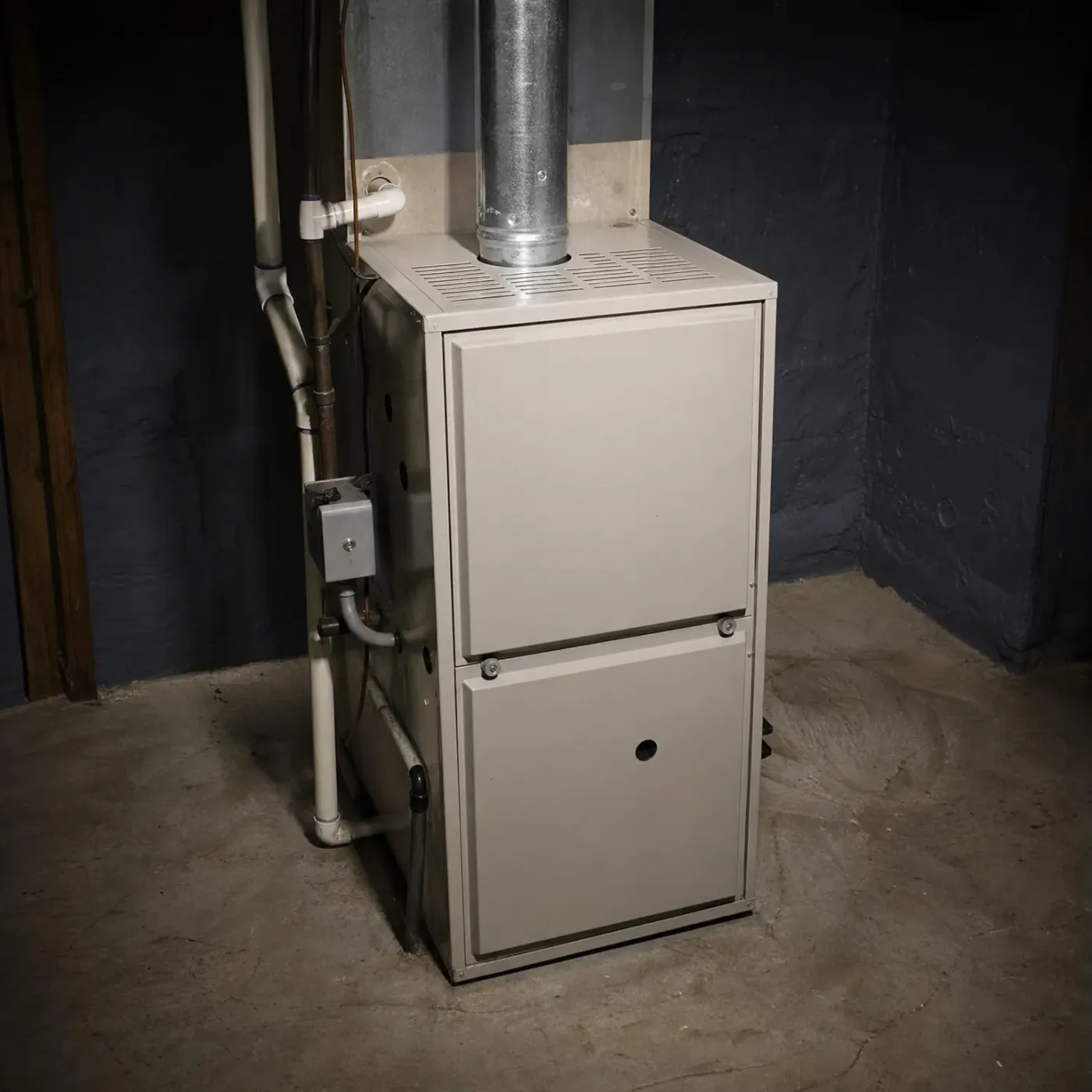
A beige gas furnace with two access panels stands on a concrete basement floor beside a dark painted wall, with a metal flue pipe rising from its top and pipes and an electrical box along its left side.

Furnace

To heat your home here$1.21per 100,000 Btu

At Iowa's gas and electricity prices, a gas furnace makes the same heat as a heat pump for at least 32% less.

Btu stands for British thermal unit, the standard measure of heat energy.

Where does a heat pump shine?

  • No gas line, nothing burning in the house

    A heat pump runs on electricity alone. Nothing burns inside the house.

    A kitchen island with a white marbled countertop holding a black induction cooktop and a stainless steel whistling kettle, with dark blue-gray cabinetry, a stainless steel refrigerator, a potted green plant, and a wooden shelf with utensils and cutting boards in the background.
  • Heats and cools in one system

    Winter and summer are covered by the same outdoor unit. That's one machine to service instead of two.

    A living room with a beige sofa with blue and patterned cushions and a gray fringed throw, set before a large white-framed window looking onto green trees and a flowering garden, flanked by dark gray built-in bookshelves, with a wooden coffee table holding flowers and books on a woven rug.
  • Steady, even comfort

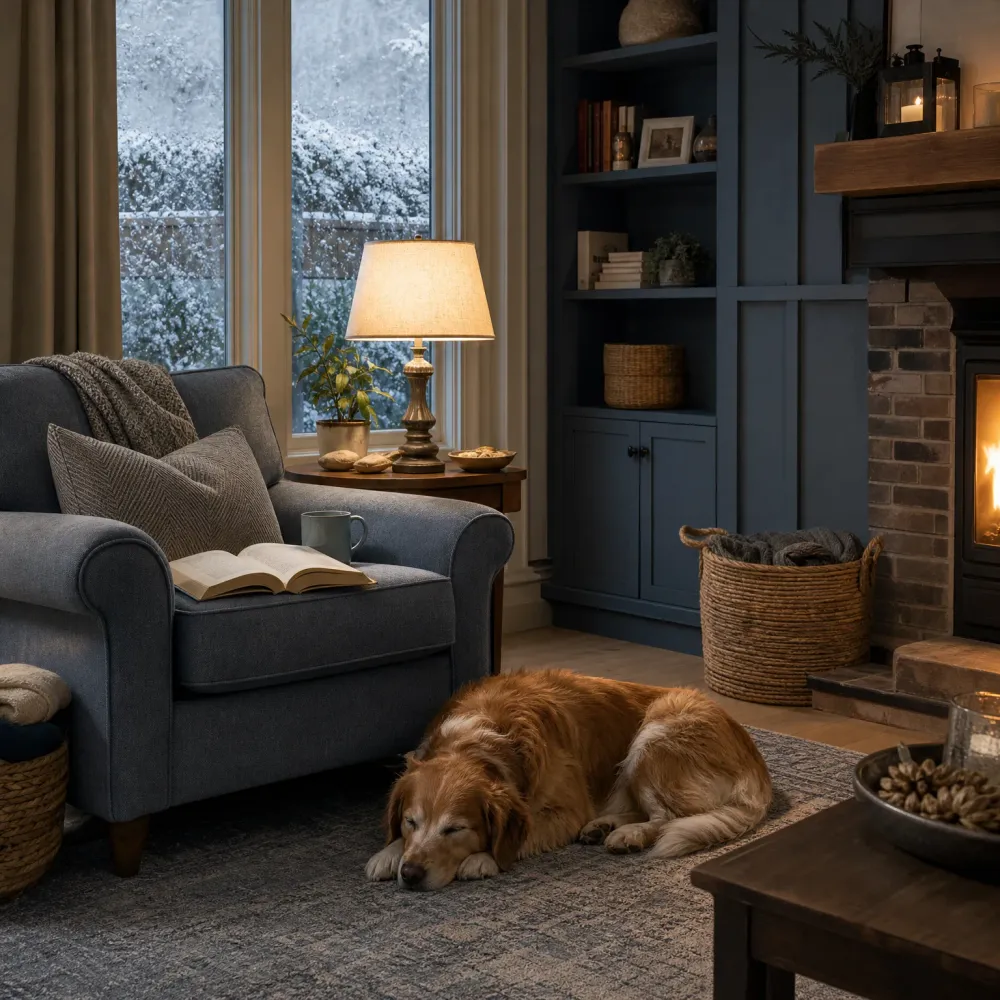
    A heat pump runs long and low instead of blasting on and off. Rooms hold an even temperature all day.

    A dimly lit living room with a gray armchair holding an open book and mug, a lit table lamp by a window showing snow outside, built-in navy shelving, a fireplace with visible flames, and a golden-colored dog sleeping on a gray rug.

Where does a furnace shine?

  • Proven, simple, easy to get serviced

    Gas furnaces have heated homes for generations. Almost every HVAC tech knows them inside and out.

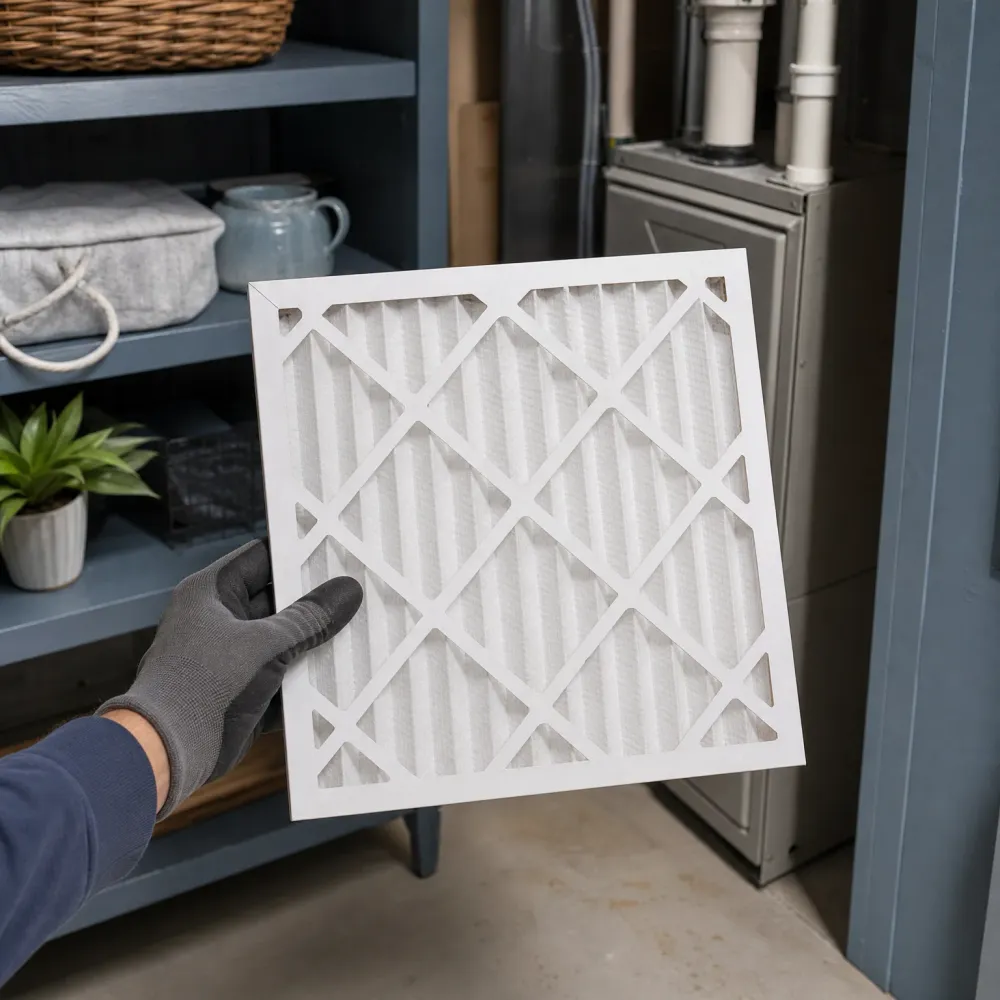
    A gloved hand holds a white pleated air filter in front of a blue shelving unit and a gray furnace with venting pipes.
  • Runs on the gas most homes here already use

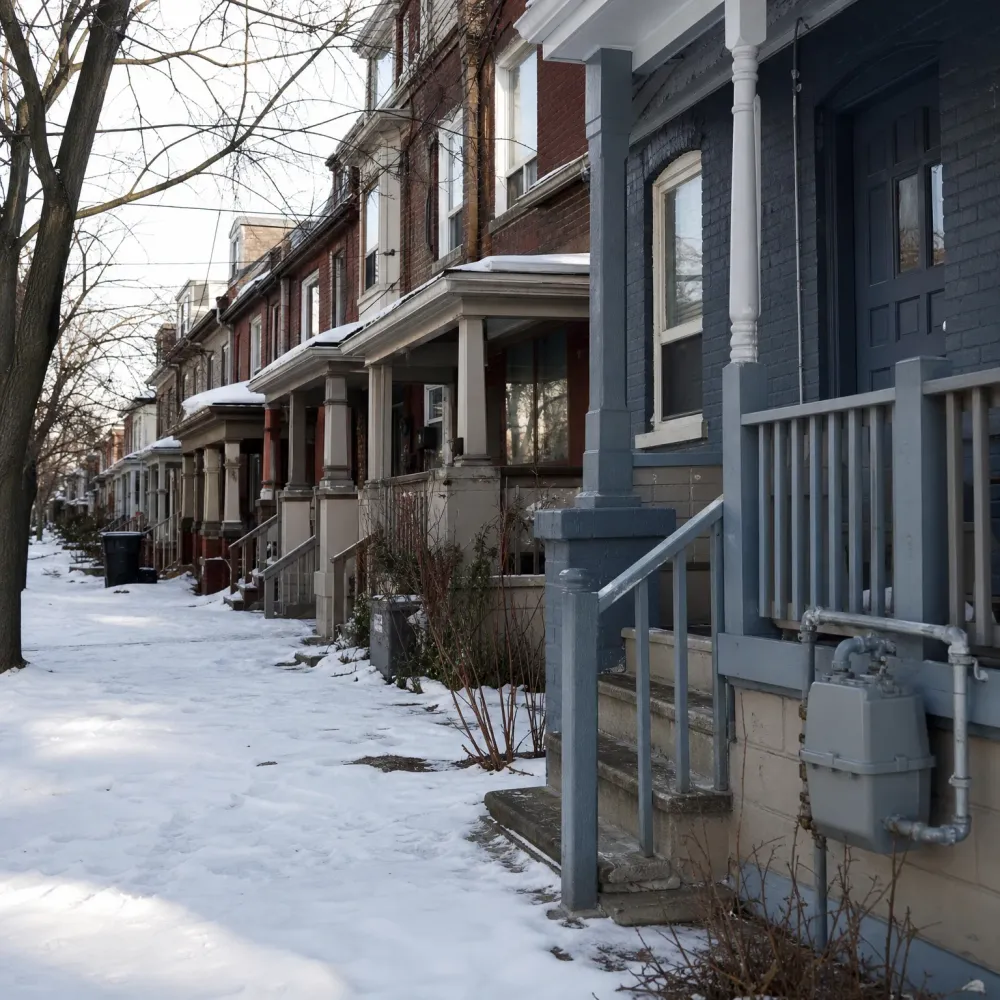
    More than half the homes in Henry County already heat with gas, so the line running to your house is likely already there. A furnace just uses what's already hooked up.

    A row of attached two-story houses with covered porches and painted railings lines a snow-covered sidewalk, with bare trees at left and an exterior gas meter on the nearest wall.
  • Pairs with any central AC

    The ductwork that delivers heat in winter delivers cool air in summer once an AC coil is added.

    Sunlit wood plank floor with a metal floor air vent, a woven rug at lower left, a gray-painted open door at left, and a sheer white curtain at upper right.

What a heat pump runs into here

Winters here are the kind that test a heat pump. The overnight low averages 18°F across December, January and February, and that's already below the two marks that matter. A standard heat pump starts falling short of its rated heat output once it's below 40°F outside, and it often needs backup heat once it's below about 35°F. Here, every one of the roughly 130 nights a year at or below freezing falls below both marks.

That doesn't mean the heat pump sits idle. Even on the coldest nights, a cold-climate model keeps working, and field testing on prototype cold-climate heat pumps found backup heat supplied only a small share of the total between 0°F and 35°F, and running on backup alone was rare above 0°F. The nights that reach 0°F or below are about 11 a year here, a small part of the 130 freezing nights. But to get that performance, you need a unit built for it. The federal minimum heat pump is not the same machine as one holding the ENERGY STAR Cold Climate mark, which has to prove it still makes 1.75 units of heat per unit of electricity at 5°F and keeps 70 percent of its 47°F capacity at that temperature.

Cost follows from this. At Iowa's prices, a furnace built to federal minimum makes the same heat for $1.21 per 100,000 Btu against $1.79 for a heat pump at federal minimum, with nothing added for the backup heat it leans on here. That's the furnace running about a third cheaper before you even count the electric backup. A heat pump can still be the right call here. It just has to be the right heat pump, not the minimum one.
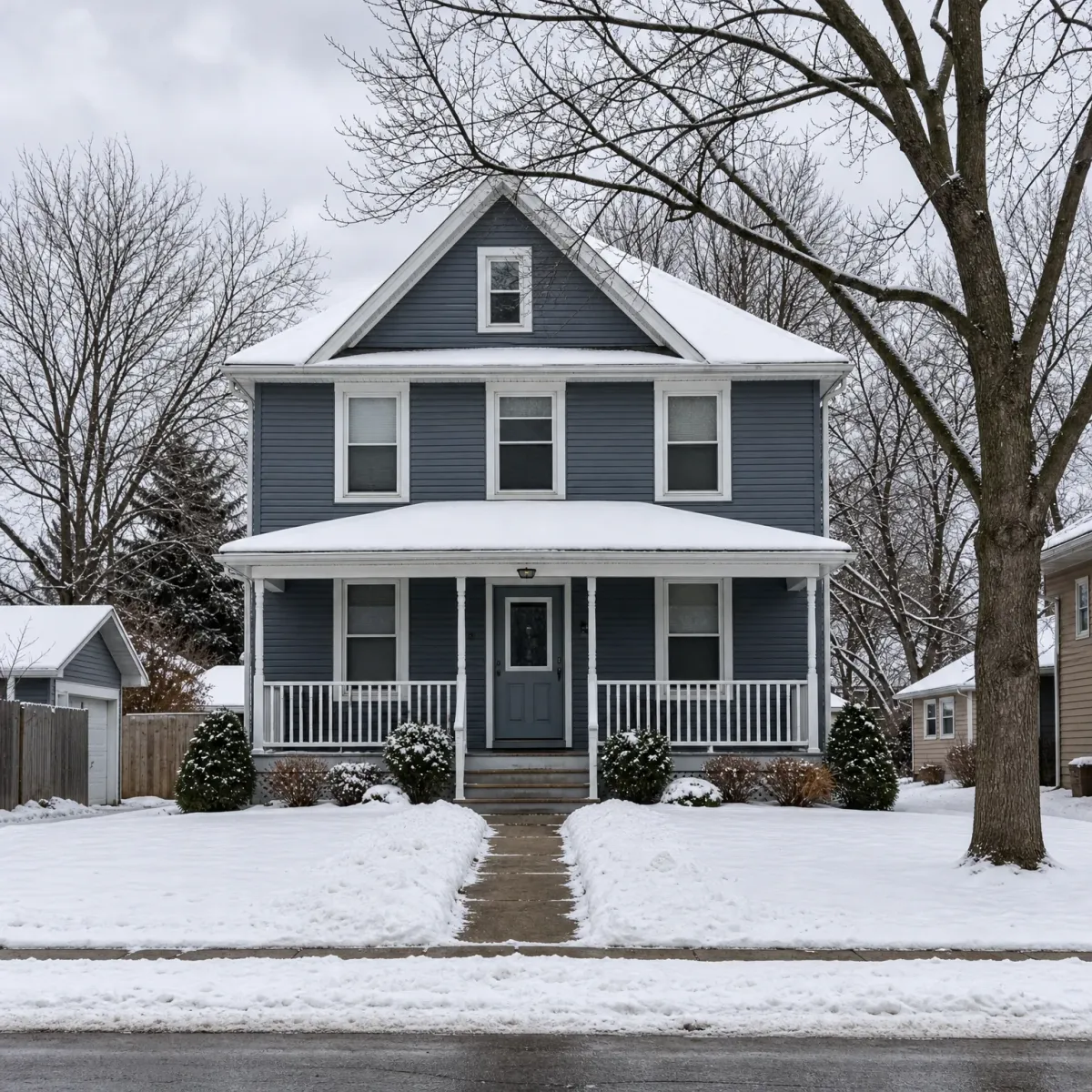
A two-story dark blue clapboard house with white trim, a small gabled front porch and a brick chimney, with snow covering the roof and front yard and a cleared walkway leading to the street.

What the furnace is actually up against

Heat runs eight months a year here, October through May, against three months of cooling. That split works in the furnace's favor and against it at the same time. A furnace only heats, so for the four months outside that eight month stretch it has nothing to do, and you need a separate air conditioner for summer. A heat pump heats and cools from the same outdoor unit, which matters more in a place where the cooling season is real, even if it's the shorter of the two here.

Just over half the homes in Henry County already heat with utility gas, 52.5 percent, with another 22.1 percent on propane and 19.9 percent on electricity. If your house already has a gas line sized for a furnace, that pulls the cost and the install toward the furnace side. If it doesn't, bringing in gas service is its own job, separate from the heating equipment itself.

Where this leaves you depends on what you have and what you're willing to spend upfront. A furnace alone is the cheaper machine to run and the simpler one to service, in a county that needs real heat eight months of the year. A heat pump earns its keep by also cooling your house all summer, but only if it's a cold-climate model built to hold its output down near 18°F, not the minimum-efficiency unit the running-cost figures above are based on. Check which one you're actually being quoted before you compare prices.

Sources: NOAA nClimDiv · NOAA 1991–2020 seasonal normals · EIA SEDS 2024 · 10 CFR 430.32 · PNNL Building America guide · PNNL-37127 field study · ENERGY STAR product criteria · Census ACS 2020–2024

A two-story dark gray house with white trim, a covered front porch and gabled dormer, fronted by a snow-covered lawn with a cleared walkway and bare trees.

Common questions about heat pumps and furnaces

  • Can a heat pump heat a house through an Iowa winter?

    It can, but a standard heat pump loses capacity as it gets colder, and the overnight low here averages 18°F across December, January and February. Below 40°F it puts out less than its rated heat, and below about 35°F it often leans on backup heat, so a lot of winter nights here fall into that range.

  • Do I need backup heat with a heat pump here?

    Most likely, yes. A standard heat pump often needs backup heat once it drops below about 35°F outside, and that covers more than half the nights here, about 130 out of the roughly 245 nights the heat runs each year. An ENERGY STAR Cold Climate model holds up better in the cold, but check what you're buying against that 35°F mark.

  • Can I keep my furnace and add a heat pump?

    Yes, and here that often means the furnace keeps working while the heat pump does less and less as it gets colder. A standard heat pump's output falls short of its rating below 40°F and it often needs backup heat below about 35°F, so the furnace can take over on the roughly 130 nights a year here that hit freezing or below.

  • Is a heat pump cheaper to run than a furnace in Henry County?

    No, the furnace costs less to run here. Heating with gas runs $1.21 per 100,000 Btu against $1.79 for a heat pump, using Iowa's average fuel prices. That gap doesn't include what a heat pump would spend on backup heat on the colder nights here, so the real difference likely runs wider.