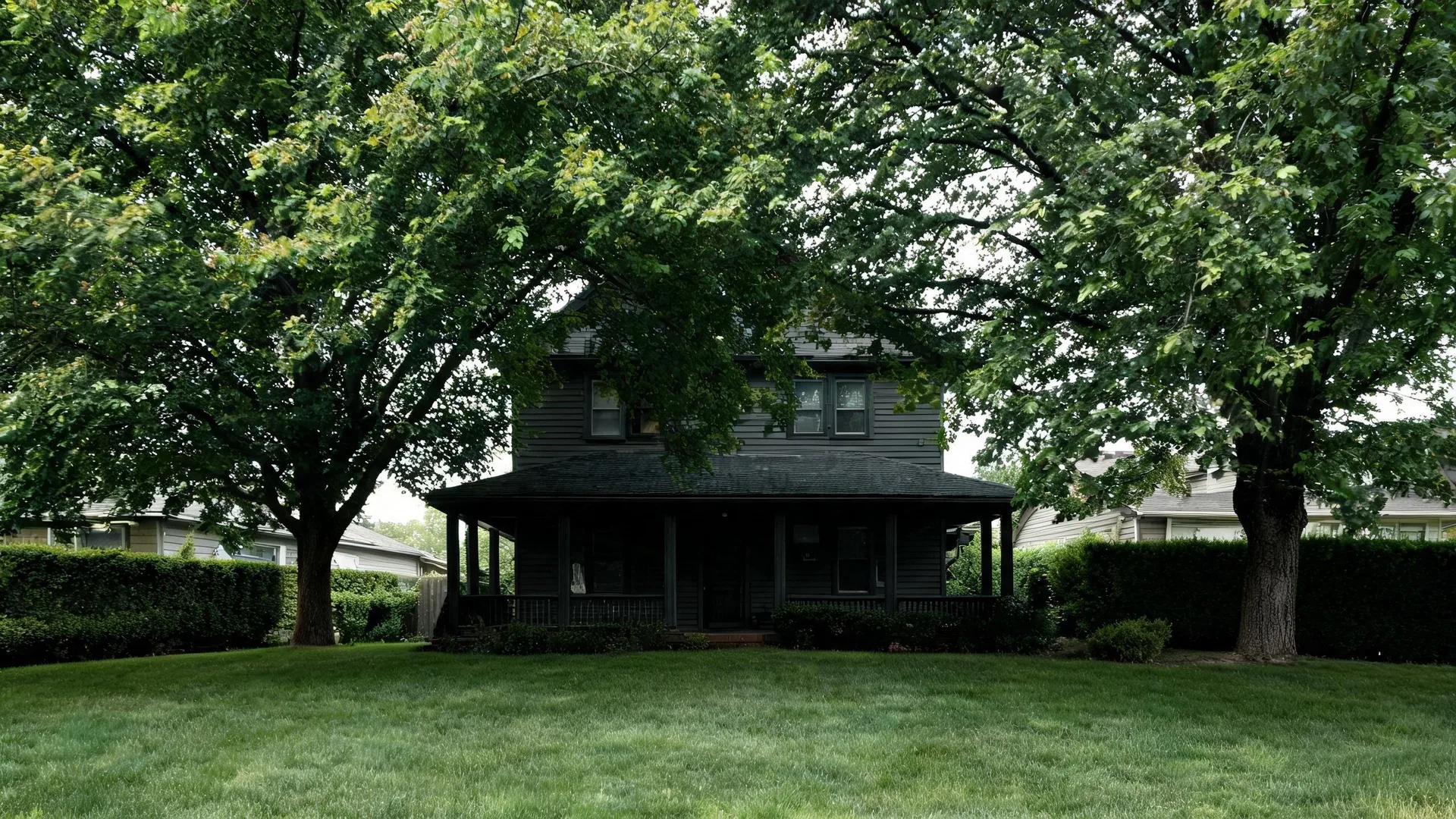
A dark two-story house with a wraparound covered porch sits behind a trimmed hedge and a mown lawn, framed by two large leafy trees.

Furnace Installation in Oelwein, IA

Tell us about the job

Takes about a minute. No obligation.

New system or replacementFurnace or heatingFayette County, IA
Step 1 of 2

What ZIP code is the job in?

Eight months of heat a year

A furnace in Fayette County runs from October through May. That is most of the year asking it to cycle on, warm the house, and shut off, over and over. A furnace somewhere with a shorter winter just doesn't see that kind of use.

What that means for installation

A new furnace here needs to be sized for the load it will actually carry, not just swapped in to match the old one. The unit going in should match this house, because it will be working through most of the year, not sitting idle half the time.

8 months
October through May, your furnace is on duty
12°F
the average winter night it heats against
80% AFUE
the federal minimum any new unit must meet
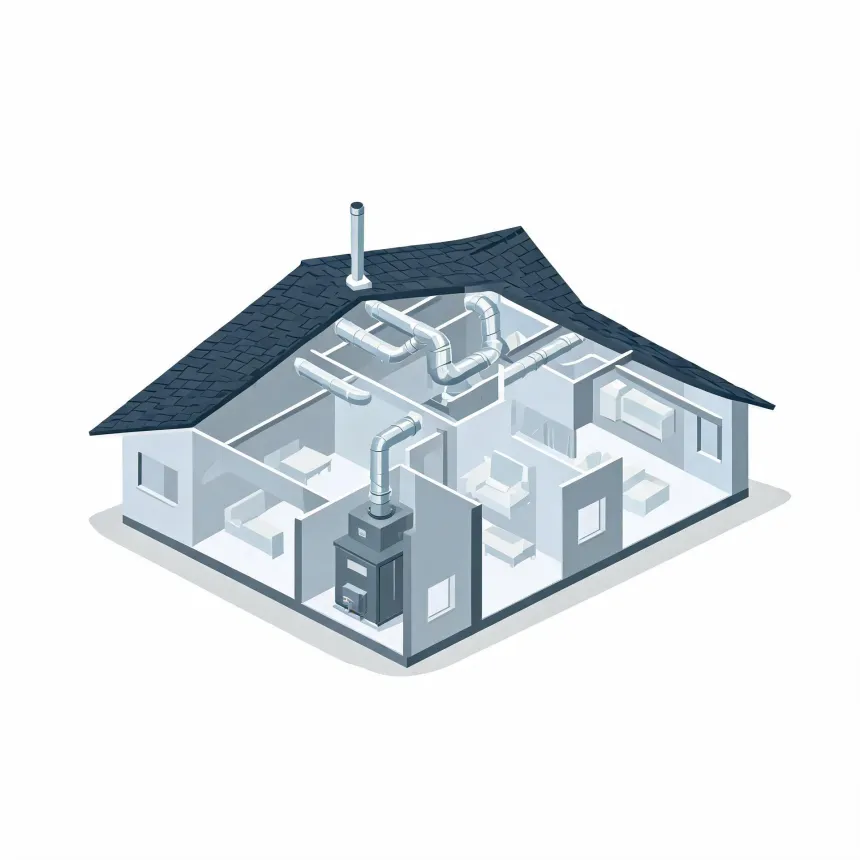
Isometric cutaway illustration of a single-story house showing interior rooms with furniture, a metal ductwork network, and a furnace unit connected to a vertical flue through the dark shingled roof.
Your furnace works hardest from November through March.

NOAA nClimDiv, 1991–2020 normals

Half the homes in Fayette County were built in 1954 or earlier.

A furnace going into a house that old has to be sized for that house, not just swapped in to match the one coming out.

Eight months of heat a year means no good month to be without one

Heat runs October through May
Climate zone 5A
Winter nights average 12°F

Gas heats 49.9% of occupied homes in Fayette County, more than any other fuel. Another 29.4% run on bottled or LP gas. Add those together and most houses in the county already have a gas line and venting in place. Electricity heats just 14.2%, a much smaller share. If your house already has gas service, putting in another gas furnace is the straightforward path. The new unit can use the same fuel line and venting the old one did, sized for your house rather than matched to whatever was in there before.

Get the sizing right before you need the heat

Eight months of heat a year doesn't leave much room for a furnace that's sized wrong or on its way out. Get it installed before the cold settles in, and get it sized for this house.

Find a contractor
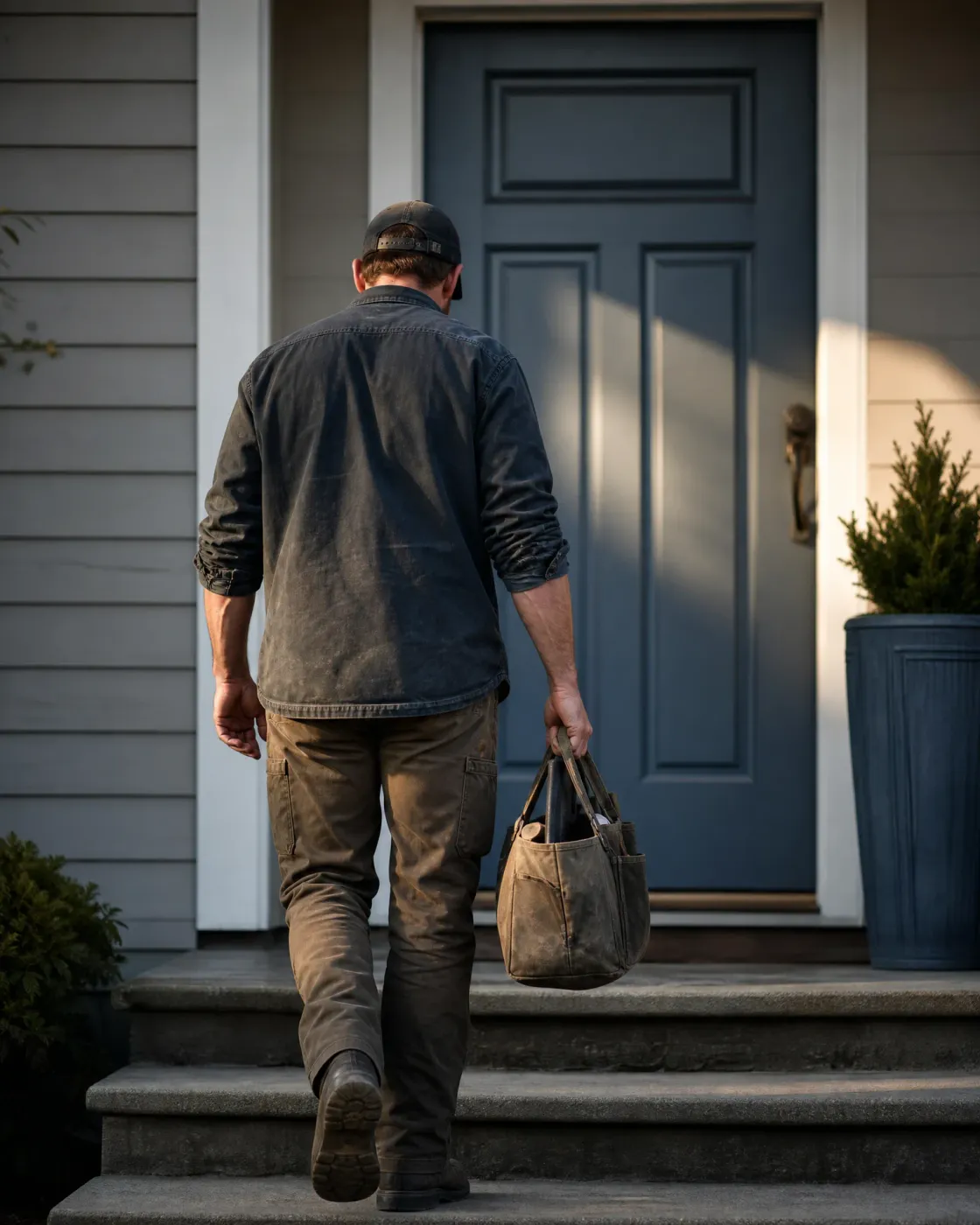
A man in a cap, dark work shirt and brown cargo pants walks up concrete steps toward a blue-gray front door, carrying a worn canvas tool bag in his right hand, with a potted shrub beside the entry.
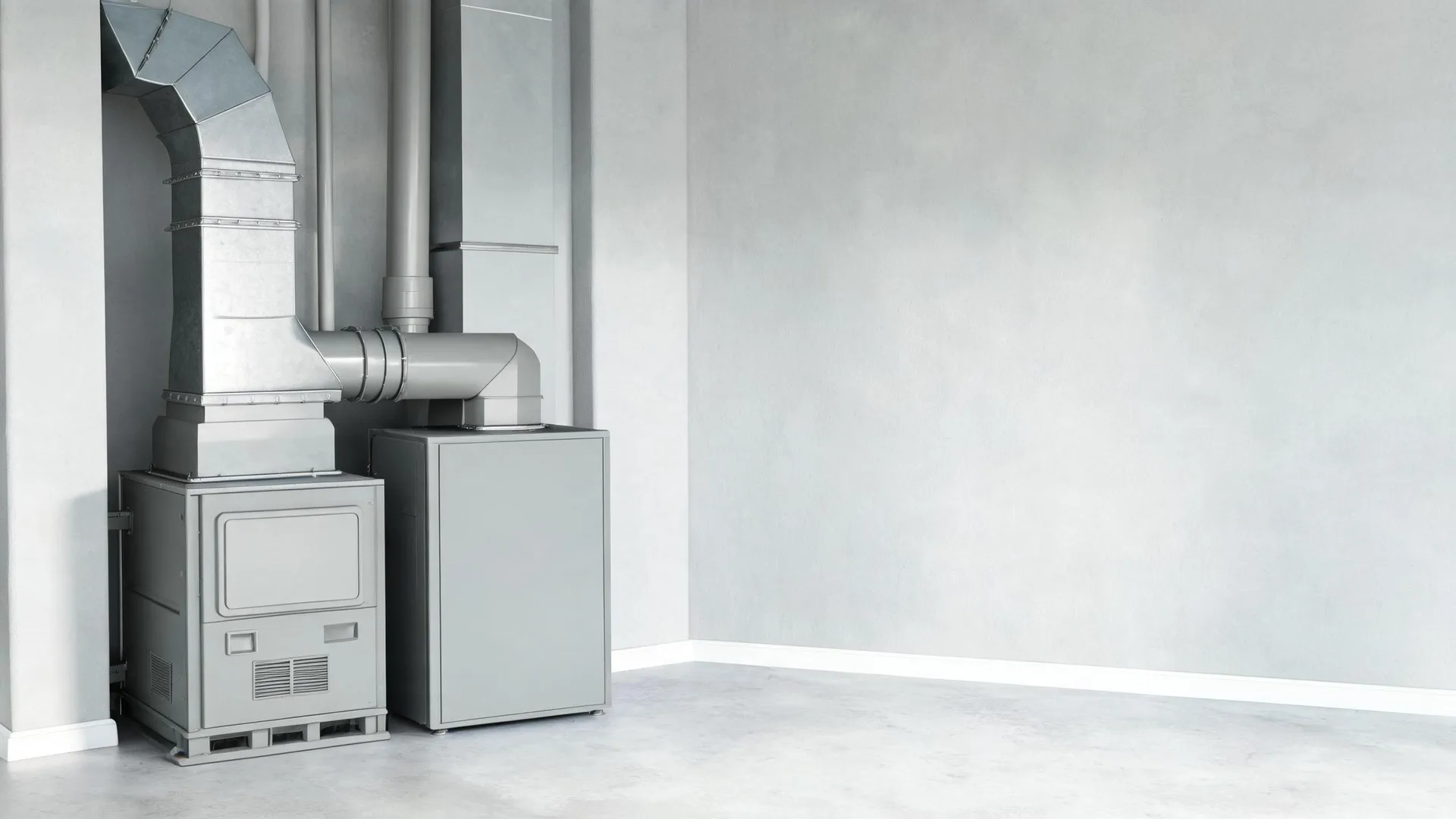
A gray high-efficiency gas furnace installed in an unfinished basement, surrounded by gas lines, a condensate drain, and sheet-metal ductwork.

The same hour, year after year

An old furnace gets swapped for a new one in the same hour, same closet, same ductwork. Sizing gets skipped because matching the nameplate feels like the safe move. In a house from 1954 or earlier, that's the step worth slowing down for. A load calculation looks at the square footage, the windows, the insulation that's actually there now, not what was there when the furnace was first installed. Get that done before the install, not after the first cold snap shows the new unit isn't keeping up.

What the rating actually measures

The efficiency rating on a furnace tells you how much of the fuel it burns turns into heat in the house, versus how much goes out the flue. It says nothing about how big a furnace is or how much heat it can put out. A high-efficiency unit and a standard one can heat the exact same size house. The rating is about how much fuel it takes to do that job, not whether it can do it.

Why it affects the install, not just the bill

A higher-rated furnace pulls more heat out of the exhaust before letting it go, which means that exhaust comes out cool instead of hot. Cool exhaust can't vent up a old metal flue the way a standard furnace's hot exhaust does, so it needs its own plastic venting run to the outside. That changes where the furnace can go and what the install involves. The rating on the label isn't just a number to compare. It decides what kind of venting gets installed alongside it.

An unfinished concrete basement containing a gas furnace with sheet-metal ductwork, utility shelving, and exposed overhead joists.

A high-efficiency gas furnace would save about $110 a year to run in Fayette County compared with a gas furnace.

  • A high-efficiency gas furnace$490 a year
  • A gas furnace$600 a year

Estimates for a typical Fayette County home, from EIA household energy data, Iowa fuel prices and NOAA climate normals. Your home will differ.

Installation starts with the old furnace coming out, along with whatever venting and ductwork connections won't carry over to the new unit. The installer checks the duct trunk and the return before setting the new furnace in place, because a furnace sized right still needs air moving through it both ways. Gas line, venting, and the electrical connection all get hooked up and tested for leaks before anything is fired up. Once it's running, the installer checks the temperature rise across the furnace against what the manufacturer specifies for that model, which is how they confirm it's burning and heating the way it should, not just that it turns on. The system runs through a full cycle while they check for even airflow at the registers. A thermostat that's being replaced along with the furnace gets wired and set up last, once the furnace itself is confirmed to be working.