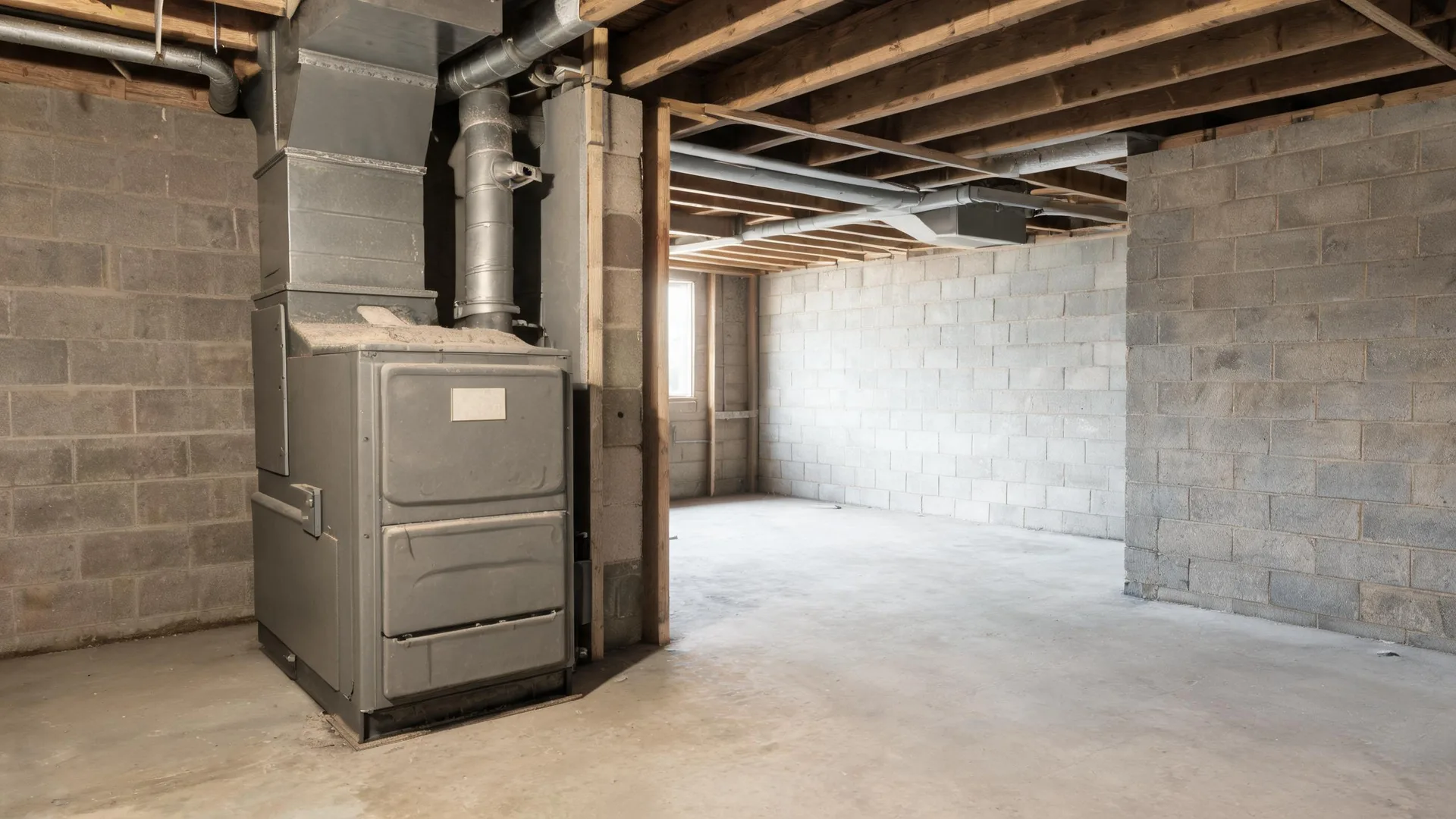
Eight months of heat
Furnaces in Wapello County run from October through May. Overnight lows average 18°F through December, January and February. That is most of the year with the burner and blower working.
Takes about a minute. No obligation.
Furnaces in Wapello County run from October through May. Overnight lows average 18°F through December, January and February. That is most of the year with the burner and blower working.
A furnace sized for an easier climate will run longer and harder here just to keep up. Get the sizing right for this place before anything else.
NOAA nClimDiv, 1991–2020 normals
Half the homes in Wapello County were built in 1958 or earlier.
Your new furnace has to work with the ductwork and venting that came with a house that old, not around it.



Gas heats 63.5% of occupied homes in Wapello County. If your house already has a gas line and gas venting, putting in another gas furnace means the contractor is working with a setup they've matched many times before, not something unusual. That matters once the new furnace is in and running through this county's winters. Gas is not the only option. But replacing gas with gas is the path most homes here have already proven out.
A new system here will work harder than most, every year. Size it right and don't buy on price alone.
Find a contractor
Ask what's being compared before you ask what it costs. Furnaces with the same output on paper can run very differently once installed. Ask how each one modulates. A single-stage furnace is either on at full fire or off. A modulating furnace can hold a lower flame and run longer, steadier cycles, which keeps temperatures more even and puts less strain on the heat exchanger. Ask about the blower motor too. A variable-speed motor adjusts airflow to match the call for heat instead of pushing full blast every time it starts. Ask what venting the new unit needs. A high-efficiency furnace vents through PVC pipe, not the old metal flue, and that changes what the installer has to run and where it goes. If you're told it can just tie into the existing vent, ask why. Ask about the warranty on the heat exchanger specifically, since that's the part that costs the most to replace if it fails. And ask who is doing the load calculation. A furnace sized by square footage alone, without accounting for insulation, windows and duct layout, is a guess. A proper calculation is not.
The efficiency rating tells you how much of the fuel burned turns into heat in the house versus how much goes out the vent. It says nothing about the size of the furnace or how well it will hold a temperature. Furnaces with the same rating can still behave very differently room to room depending on the ductwork and how the job is installed.
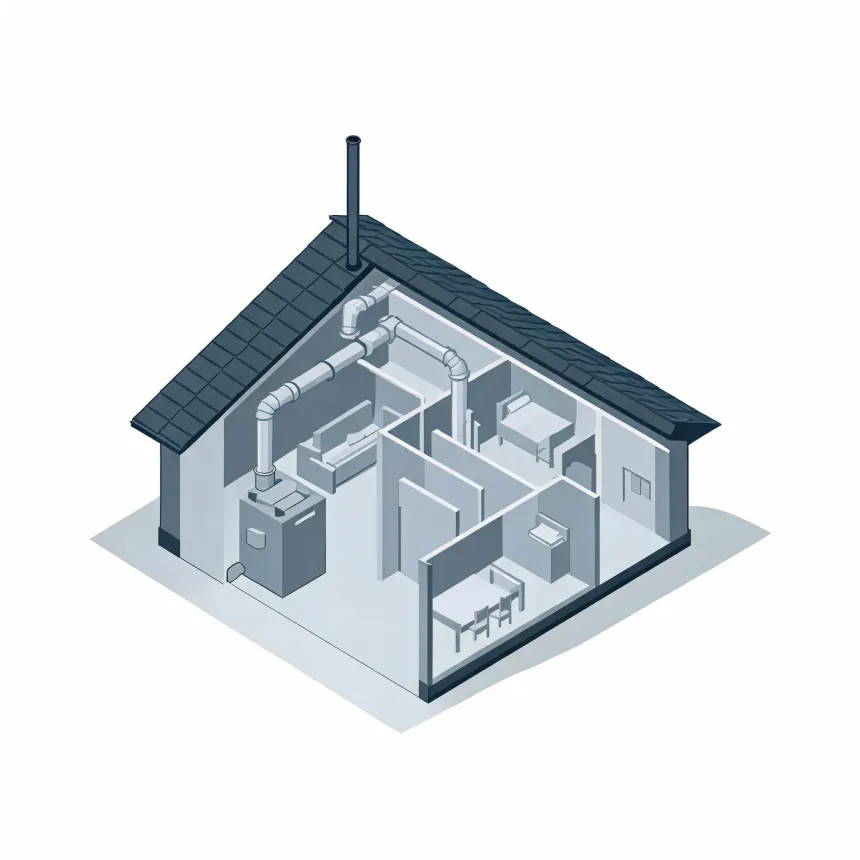
A furnace that pulls more heat out of the exhaust sends that exhaust out cooler and wet instead of hot and dry. That changes what the vent pipe is made of and where it can run. It is not just a different furnace bolted into the same setup. The venting side of the job changes with it.
Estimates for a typical Wapello County home, from EIA household energy data, Iowa fuel prices and NOAA climate normals. Your home will differ.
The furnace itself is only part of what you're paying for. Venting is labor, not just a part. A high-efficiency furnace needs new PVC pipe run to the outside, and where that pipe can go depends on windows, walkways and how far it is from the unit to an outside wall. A longer run or a harder path through the house costs more than a short straight one. Ductwork is the other piece. If the existing ducts are undersized or poorly laid out for the furnace going in, a contractor may need to modify them, and that work varies a lot from one house to the next. The furnace swap is predictable. What's already in the walls is not.