

Winters here are the whole question
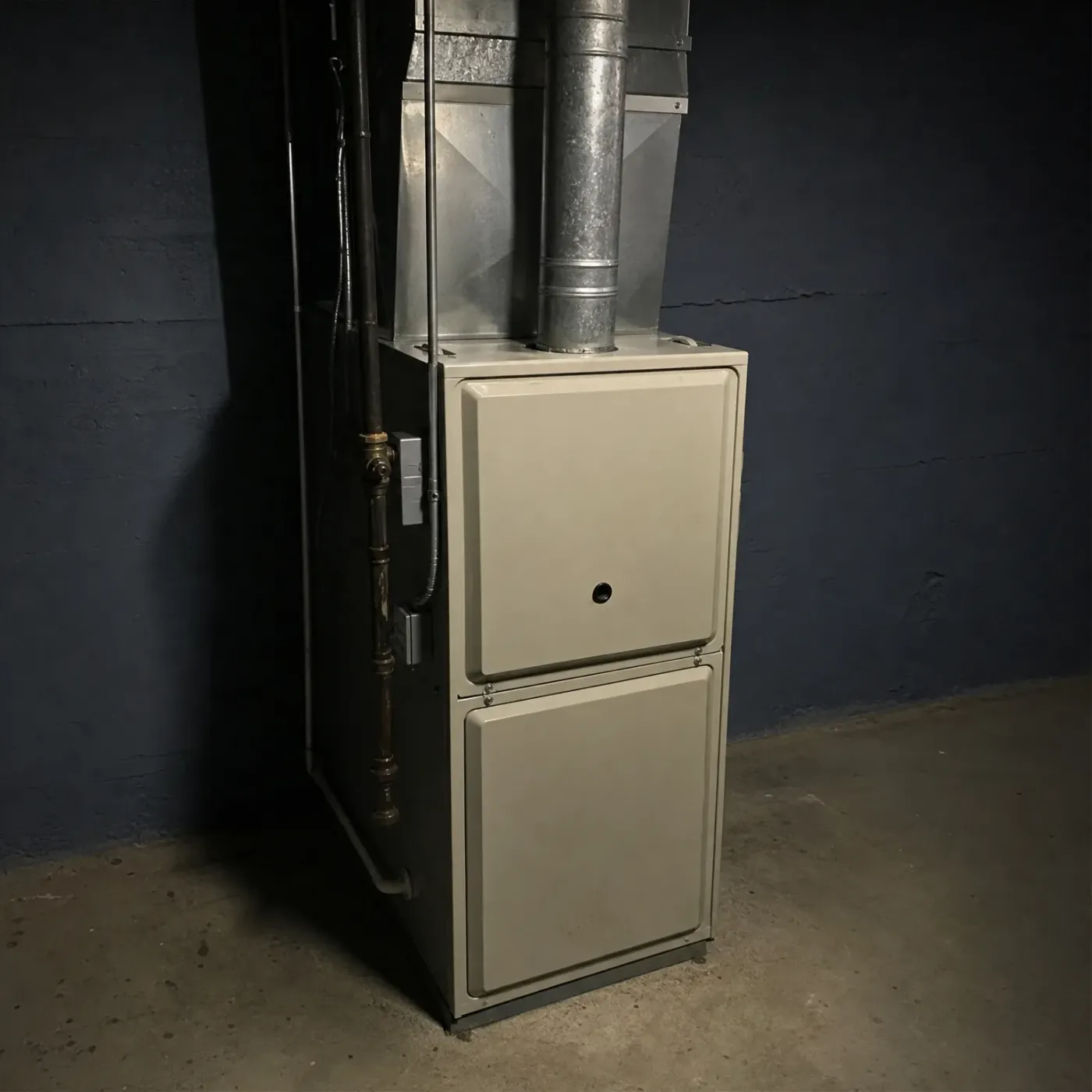
Winters in Wapello County decide this. The overnight low averages 18°F across December, January and February, and a standard heat pump starts falling short of its rated heat below 40°F. By the time it's 18°F out, that same heat pump is putting out a fraction of what it would at milder temperatures, right when the house needs the most heat it can get. A gas furnace doesn't work that way. It burns gas to make heat, and the cold outside doesn't change how much it makes.
That gap is why a standard heat pump leans on backup heat once it drops below about 35°F. About 130 nights a year here fall at or below freezing, more than half the nights across the eight months the heat runs. Every one of those nights sits below both the 40°F and 35°F marks. So a heat pump in an average Wapello County home isn't running at full strength once in a while on a rare cold snap. It's running under strength most nights, all winter.
There's a real exception to this, and it matters. A heat pump that carries the ENERGY STAR Cold Climate label is built to keep most of its heating capacity down to 5°F, not just 40°F. Field testing on these backs it up: in occupied homes over two winters, backup heat covered only a small share of the heating between 0°F and 35°F, and the unit running on backup alone was rare even above 0°F. Wapello County only sees about 12 nights a year at 0°F or below. A cold climate heat pump is built for a county like this. A standard one is not.