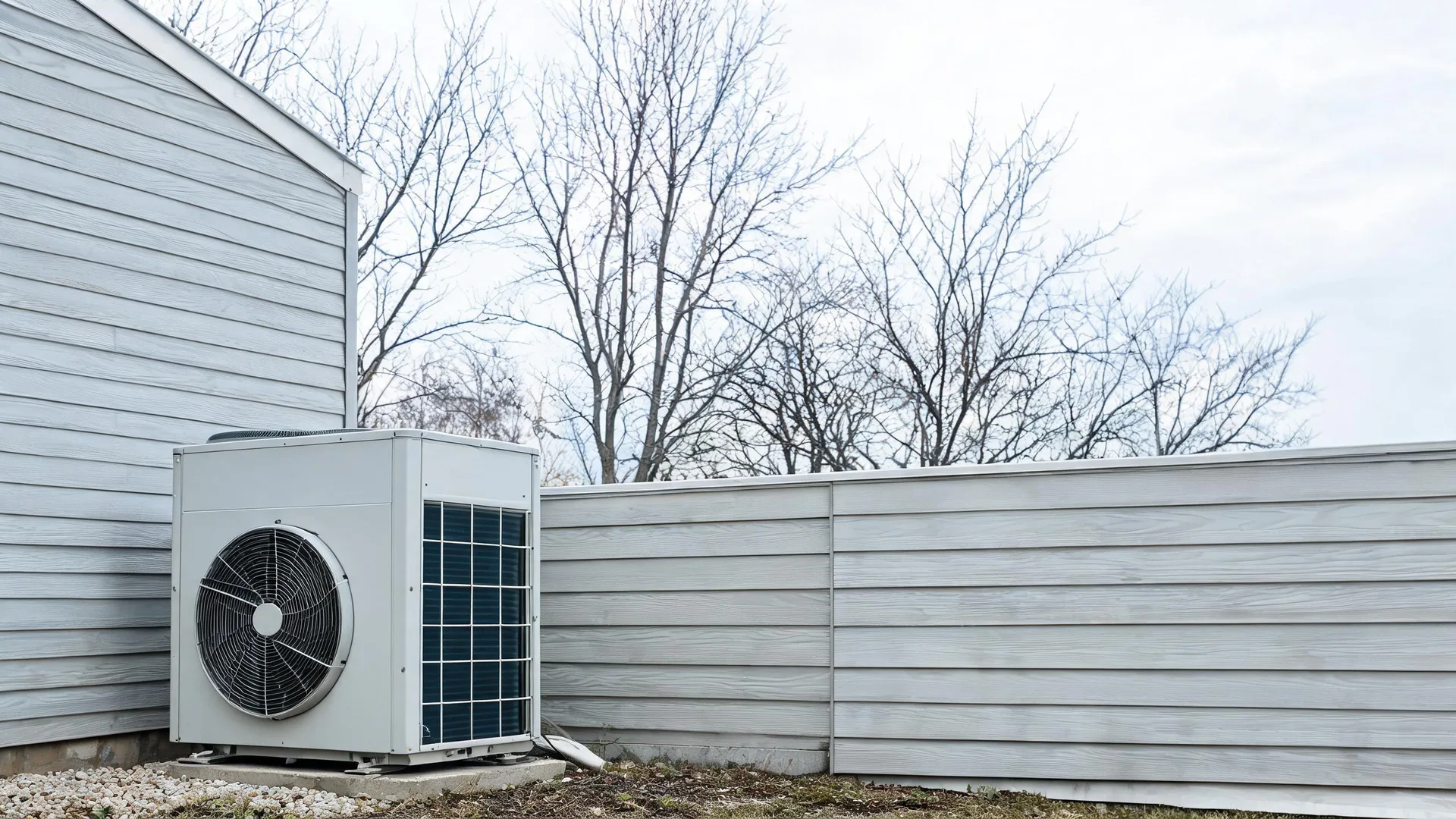
Gas heats most homes here
Utility gas heats 63.5% of homes in Wapello County, more than electricity and propane combined. A furnace is still the usual setup, which is why a heat pump here often gets paired with one rather than replacing it outright.
Takes about a minute. No obligation.
Utility gas heats 63.5% of homes in Wapello County, more than electricity and propane combined. A furnace is still the usual setup, which is why a heat pump here often gets paired with one rather than replacing it outright.
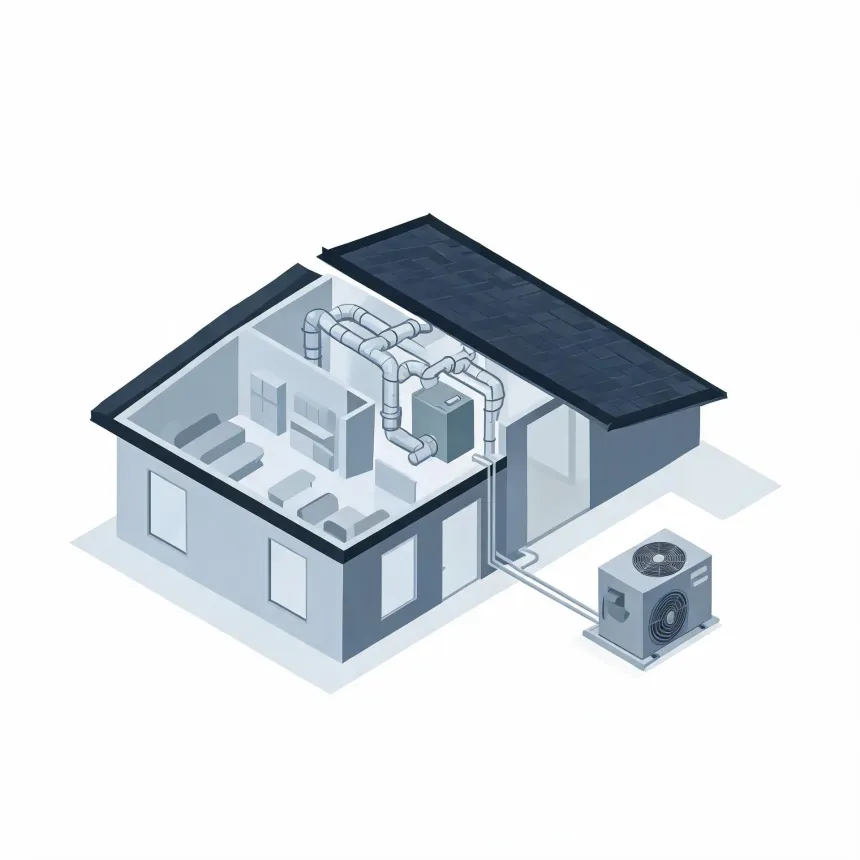
A dual fuel setup lets the heat pump handle milder days and hands off to the gas furnace when it gets cold. The contractor sizing the job will look at your existing ductwork and gas line to see what that pairing takes.
NOAA nClimDiv, 1991–2020 normals
Iowa homes paid 13.40 cents per kilowatthour in 2024.
A heat pump sized for this house, not oversized, is what keeps that rate from adding up.



Half the homes in Wapello County were built in 1958 or earlier. A house that age usually wasn't built with the ductwork a heat pump needs to run well, even if a furnace was added later. The ducts may be sized for the furnace's hotter air, not the steadier, cooler air a heat pump puts out. Before anything gets installed, a contractor should go through the house and check whether the existing ducts can move the air a heat pump needs, or whether changes have to happen first. Skipping that step is how a new system ends up working harder than it should in a house it was never actually fitted to.
Any heat pump installed here has to meet federal minimums of 14.3 SEER2 and 7.5 HSPF2, which rules out the lower-efficiency equipment some markets still allow. That's the floor, not the full picture, since Wapello County's cool, humid climate and the gas furnace already in most homes shape what size and setup actually make sense. A contractor who knows zone 5A can walk you through what qualifies and what fits your house.
Find a contractor
Heat runs here from October through May, eight months out of the year. Cooling only runs June through August. A heat pump installed here spends most of its working life heating, not cooling, so the install should happen before it has to prove itself in October. September is the month to get it done. Wait until the first cold snap and you're choosing equipment under pressure, with whatever's in stock rather than what's sized right for the house.
A contractor works out heat pump size by going through the house room by room, adding up window area, wall area, and what's above and below each room, then weighing that against what the house loses on the coldest days and gains on the hottest. Swapping in a unit that matches the old furnace's output skips that math. A furnace and a heat pump don't move heat the same way, so sizing one off the other usually gets it wrong.
A heat pump that's too big cools the house fast, shuts off, and starts again a few minutes later. Short cycling like that means the system never runs long enough to pull moisture out of the air, so the house ends up cold and damp. It also puts more wear on the compressor from all that starting and stopping. A unit sized correctly runs longer, steadier cycles and holds the temperature without the swings.
SEER2 and HSPF2 are both ratios, how much heating or cooling you get out for the energy you put in, not a measure of how big a system is or how fast it'll heat the house. A higher number means less electricity to move the same amount of heat, which matters most during the months the system runs longest. SEER2 rates cooling, HSPF2 rates heating, and a heat pump carries both because it does both jobs. The rating is measured under set conditions in a lab, so it tells you how the equipment performs, not how it'll perform in your house. A unit with a strong rating still runs up the bill if it's the wrong size for the rooms it's heating, or if the ducts moving that air were never fitted to it. The label is a starting point for comparing equipment, not a promise about what you'll pay.
Installation day starts with the outdoor unit and the indoor coil or air handler, and both have to go in before anyone talks about turning the system on. The outdoor unit gets set on a pad, leveled, and connected to refrigerant lines that run to the indoor side. Those line sets get brazed, not just fitted together, and then the whole system gets pressure tested to make sure there are no leaks before any refrigerant goes in. Once it holds pressure, the system gets evacuated to pull out moisture and air, because either one left behind will damage the compressor over time. Only after that does the refrigerant charge go in, weighed to the amount the equipment calls for. Electrical work happens alongside this, running power to the outdoor unit and making sure the thermostat or control board talks to both the heat pump and whatever it's paired with. The last part is airflow, checking that what moves through the ducts matches what the equipment was sized to push.