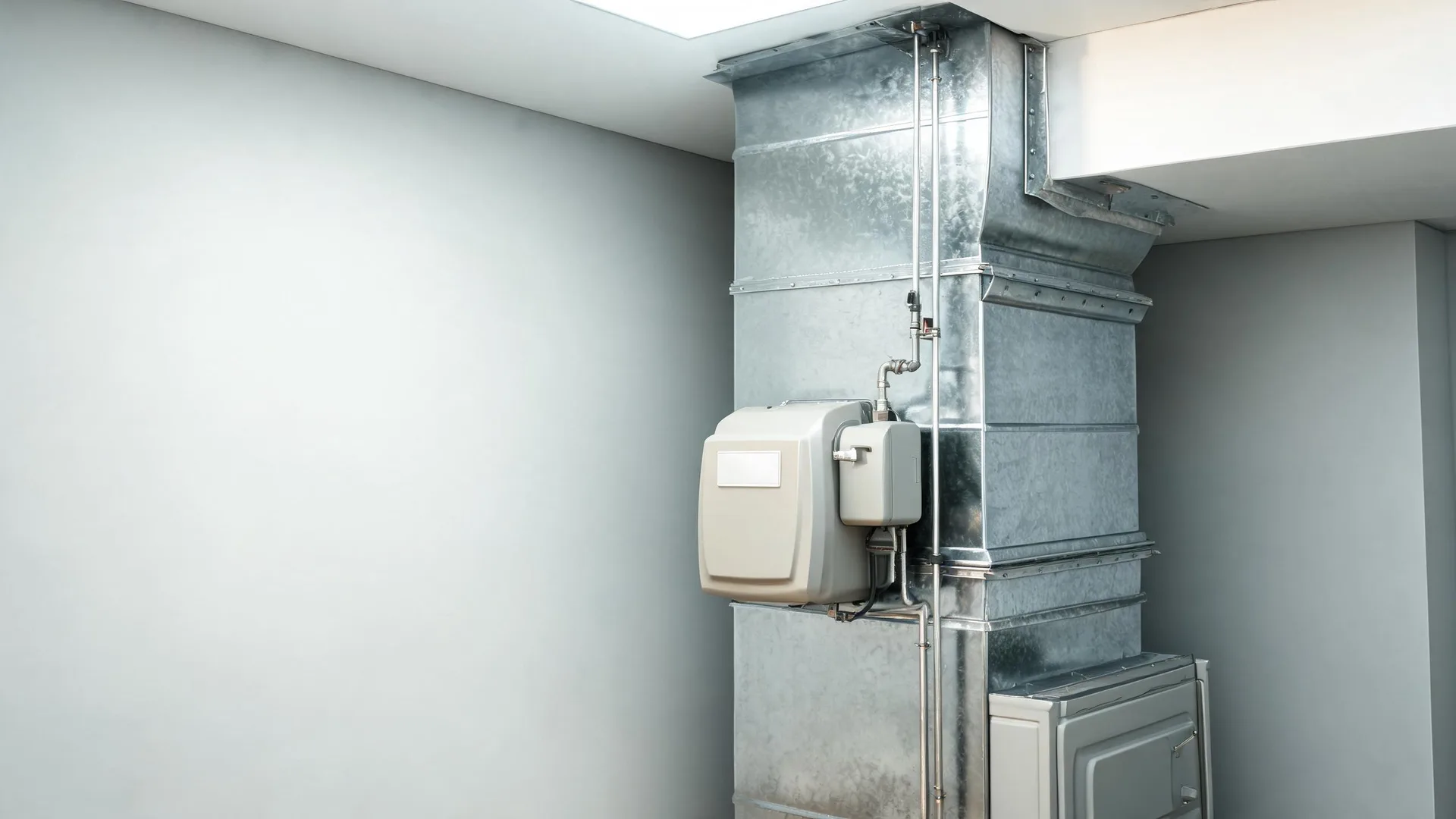
Eight months of work a year
A furnace in Cedar County runs from October through May. That's most of the year asking the heat exchanger and blower to cycle on and off, day after day.
Takes about a minute. No obligation.
A furnace in Cedar County runs from October through May. That's most of the year asking the heat exchanger and blower to cycle on and off, day after day.
Cedar County saw 28 winter storms between 2015 and 2024, counting heavy snow, ice and blizzards. A new furnace has to be sized to keep up when the temperature drops hard and stays there, not just on an average day.
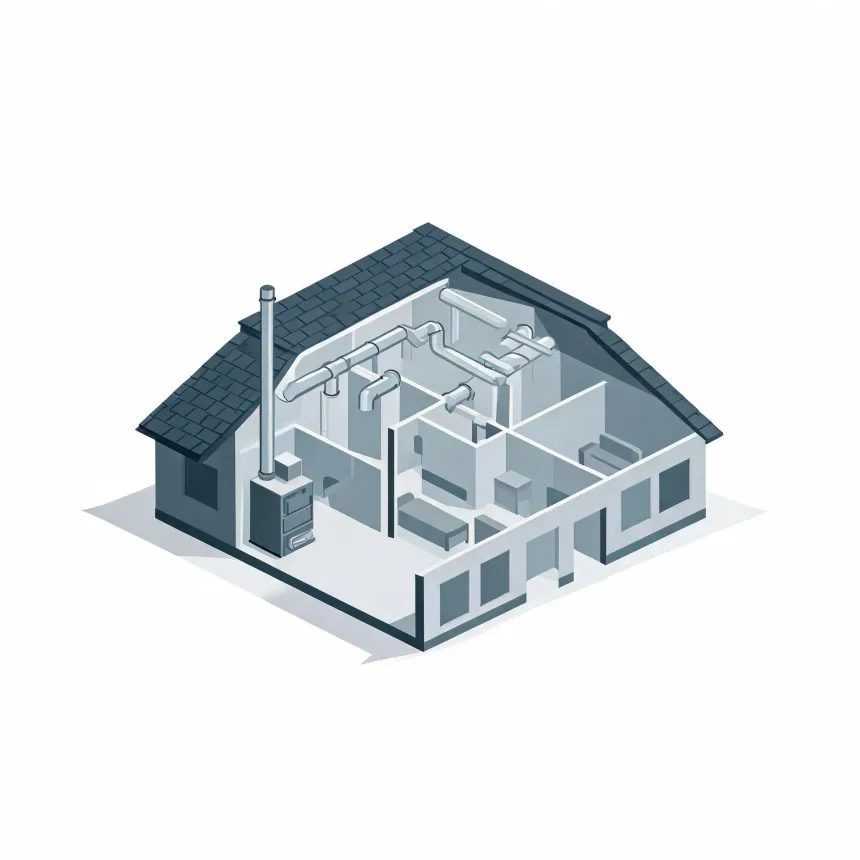
NOAA nClimDiv, 1991–2020 normals
Half the homes in Cedar County were built in 1965 or earlier.
A furnace going into a house that old has to match a different structure than one going into new construction.




Gas heats 52.7 percent of homes in Cedar County, more than electric and propane combined. That's the installed base a contractor is working from when something needs replacing here. Most of the furnaces going into this county are gas furnaces, sized to run on the lines already in the house. If your home already has a gas line to the furnace, swapping in a new gas furnace is usually the straightforward path, no new fuel hookup to run. Propane still heats almost a third of homes here, mostly where gas service doesn't reach, and that calls for a furnace built for propane from the start.
Get the size right the first time. A furnace here runs eight months of the year and has to hold up through whatever a Cedar County winter throws at it. That's not the job for a unit picked on price alone.
Find a contractor
That older furnace was likely sized for the house as it was built. If rooms were added, windows replaced, or insulation upgraded since, the load on the house has changed even if the ductwork hasn't. A contractor sizing the new furnace should be doing that math fresh, not matching the number stamped on the old unit. Ask what a load calculation for your house actually showed, not just what size is going back in.
A bigger furnace costs more up front, in the unit itself and in the gas line and venting sized to feed it. But bigger isn't always right. A furnace too big for the house cycles on and off fast, wearing the ignition system harder, while one too small runs long stretches without catching up. The right size comes from a load calculation on the house, not a guess, and getting that number right before anything is bought keeps you from paying for capacity the house doesn't need.
If the existing ductwork matches what the new furnace needs, installation is mostly swapping the unit and reconnecting what's there. If the trunk lines or return ducts are undersized for the new furnace's airflow, the job grows to include duct modification, and that's where the price moves. Venting matters too. A furnace with a different efficiency rating than the old one may need a different vent material or a new flue run altogether, and that work has to happen before the furnace is hooked up at all.
Estimates for a typical Cedar County home, from EIA household energy data, Iowa fuel prices and NOAA climate normals. Your home will differ.
The old furnace gets disconnected first, gas line, vent pipe and duct collar all come off before the new one goes in. Whatever is replacing it then gets set, leveled, and connected to the same three things: gas, vent and ductwork. The gas line gets pressure tested once it's hooked up, because a joint that looks tight isn't always tight. The vent run gets checked for the right pitch and clearances, since a flue that doesn't slope correctly can let combustion gases linger instead of clearing the house. Once it's wired to the thermostat and the gas is live, the contractor runs it through a full cycle, checking the flame, the temperature rise across the heat exchanger, and the blower speed against what the ductwork needs. A combustion analyzer gets used to check the exhaust itself, confirming the furnace is burning clean before anyone calls the job finished.