

Heat pump vs furnace in Cedar County, Iowa

Get Quotes on Both

Match with a pro in Cedar County

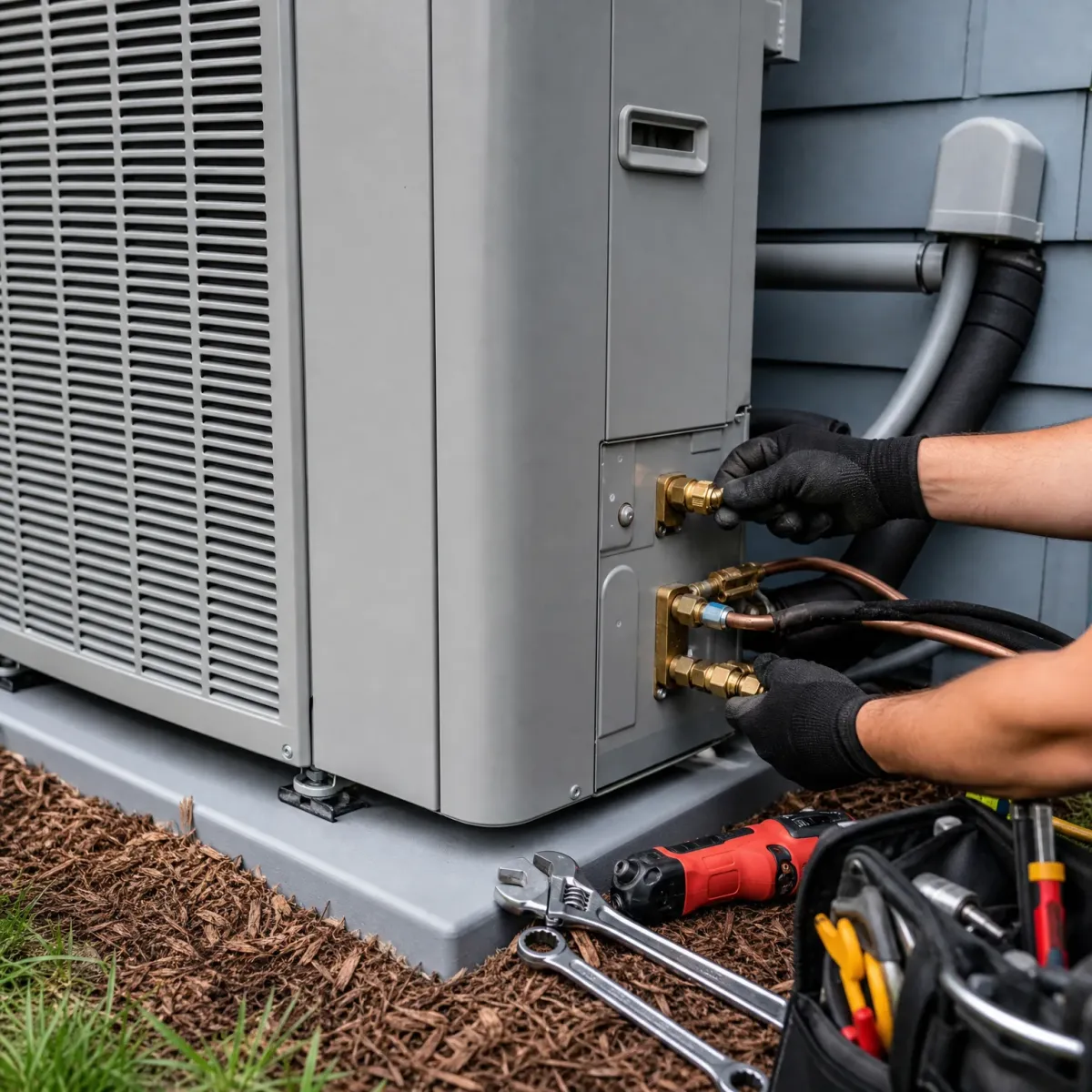
A person wearing black gloves connects copper refrigerant lines to brass service valves on the side of a gray outdoor condenser unit, with a wrench, a power tool and a tool bag on the mulch bed in the foreground.

Tell us about the job

Takes about a minute. No obligation.

New system or replacementCedar County, IA
Step 1 of 3

What kind of equipment?

Which costs less to run in Cedar County?

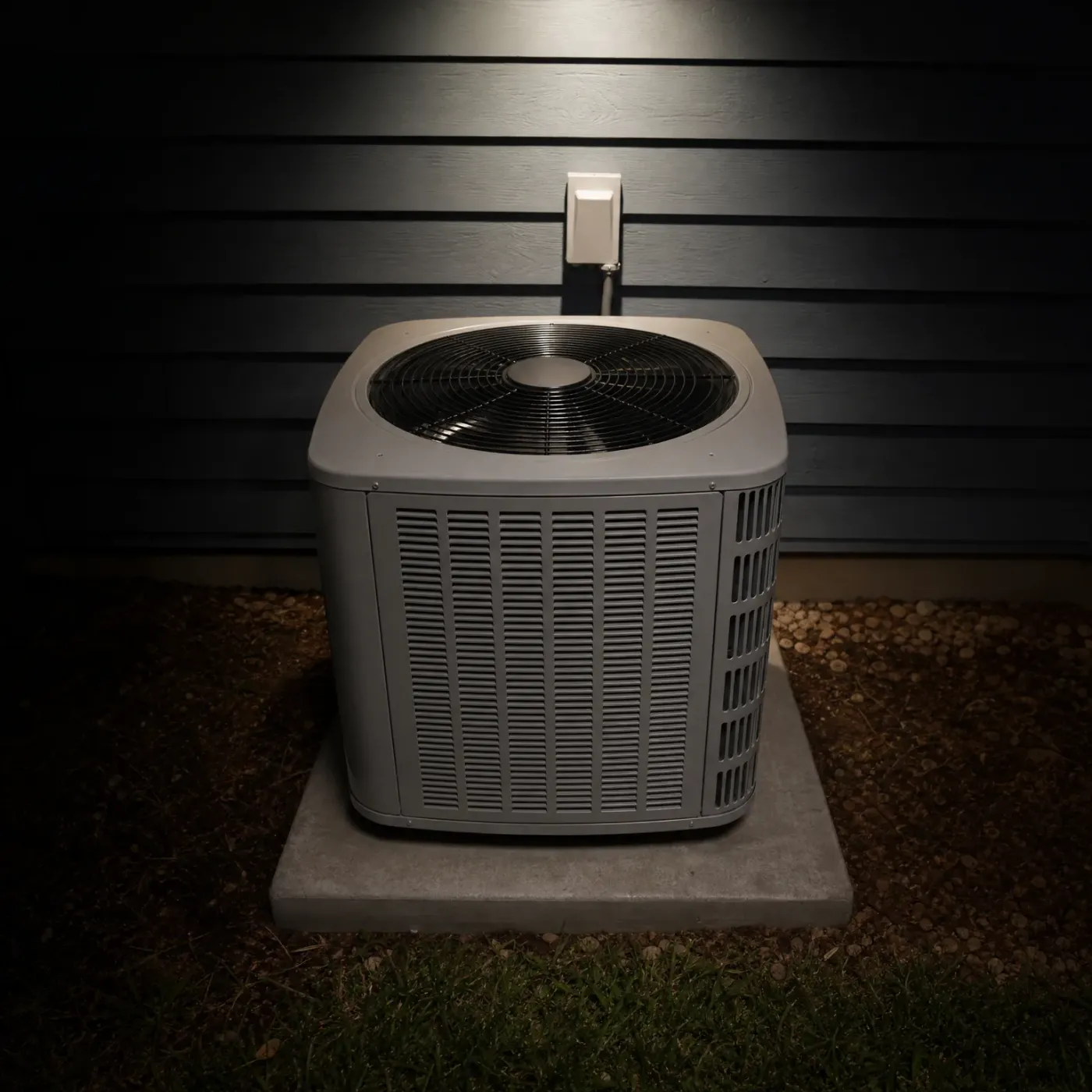
An outdoor air conditioner condenser unit on a concrete pad beside a dark horizontal-lap sided wall at night, with a wall-mounted disconnect box above it and gravel and grass around the pad.

Heat pump

To heat your home here$1.79per 100,000 Btu

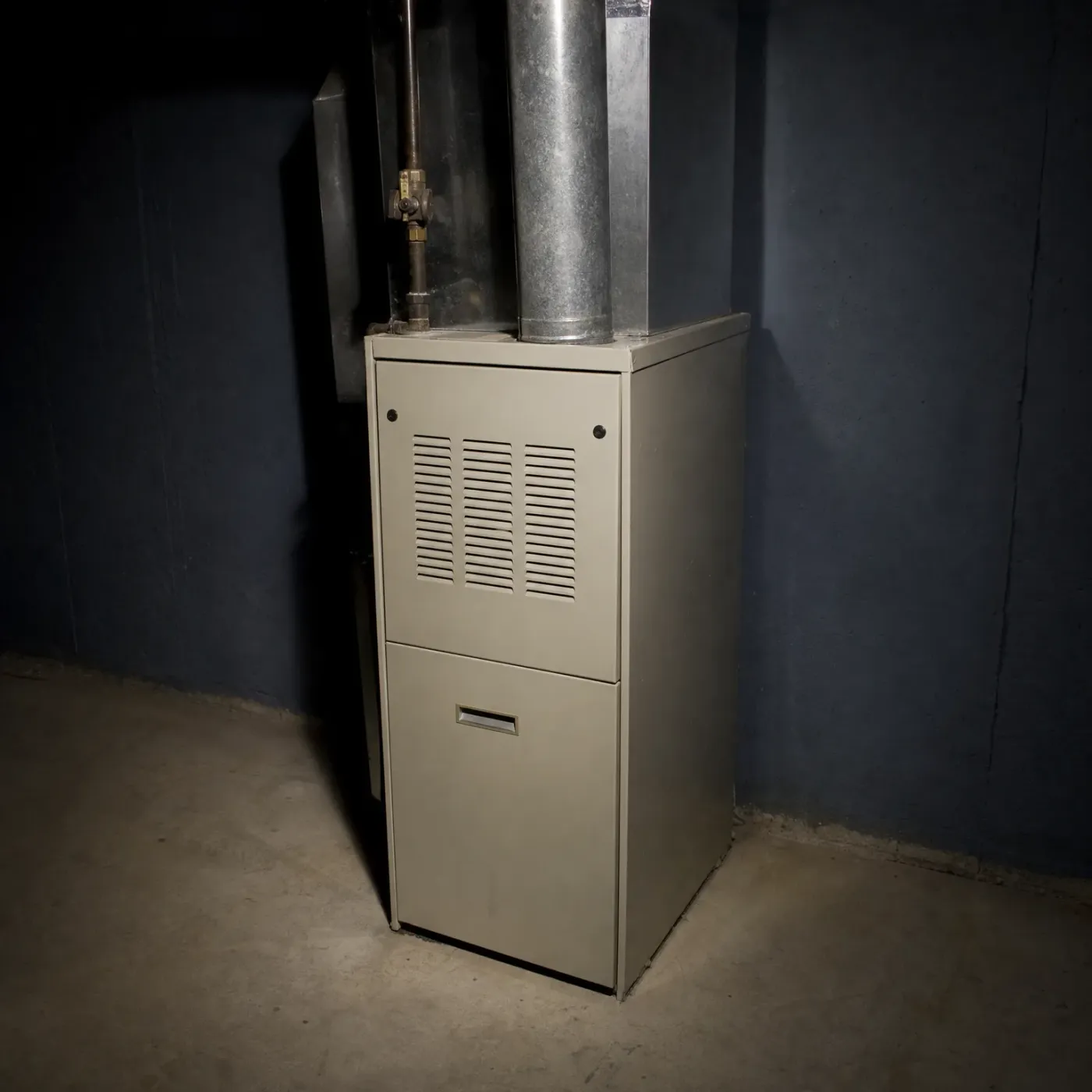
A beige sheet-metal furnace with a louvered upper panel stands against a dark gray basement wall, with galvanized flue ducting and a gas pipe with a valve rising from its top onto a concrete floor.

Furnace

To heat your home here$1.21per 100,000 Btu

At Iowa's gas and electricity prices, a gas furnace makes the same heat as a heat pump for at least 32% less.

Btu stands for British thermal unit, the standard measure of heat energy.

Where does a heat pump shine?

  • Heats and cools in one system

    One machine handles the heat in winter and the cooling in summer. There's no second system to buy or keep up.

    A living room with dark blue panelled walls, a grey sofa with cushions and a knitted throw, a wooden coffee table holding a mug and a glass vase of white hydrangeas, a side table with a lamp and small plant, and a large white-framed window overlooking a green garden.
  • Steady, even comfort

    It eases up and down with the weather. There are fewer swings between too warm and too cool.

    A living room with a gray upholstered armchair holding an open book and a throw blanket, a lit lamp and mug on a side table, a golden-colored dog sleeping in a round gray bed beside a stone fireplace, and a snowy view through the window.
  • No gas line, nothing burning in the house

    A heat pump runs on electricity alone. Nothing burns inside the house.

    A kitchen island with a white stone countertop holding a black cooktop and a stainless steel kettle, with navy cabinets, a white farmhouse sink with a brass faucet, a bowl of lemons, potted greenery, and gray upholstered stools in the foreground.

Where does a furnace shine?

  • Strong, steady heat in hard cold

    Nights here average 16°F in December, January and February. A furnace burns gas to make heat, so it doesn't lose output when it's that cold outside, the air coming out of your vents stays just as hot at midnight as it does at noon.

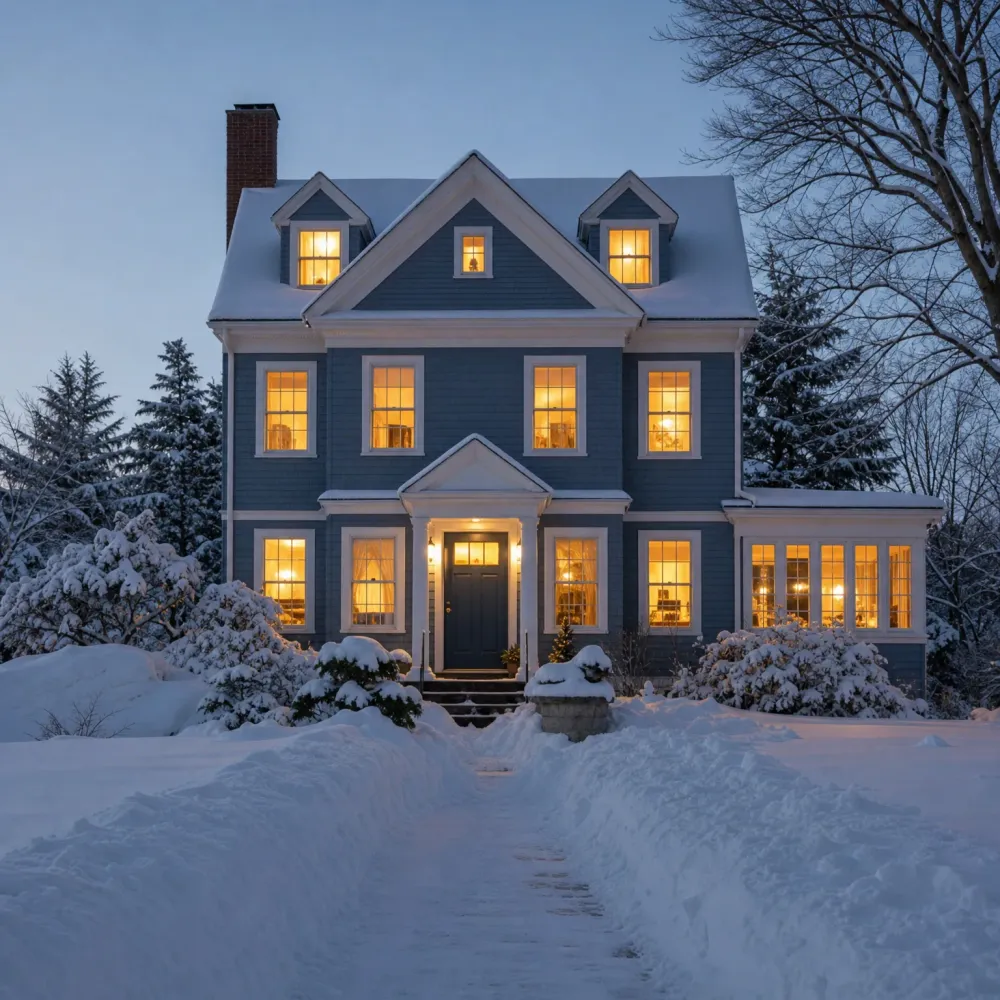
    A two-story blue shingled house with white trim, dormer windows and a brick chimney, its windows glowing warm yellow at dusk, surrounded by deep snow with a shoveled path leading to the front steps and snow-covered shrubs and evergreens on either side.
  • Runs on the gas most homes here already use

    Most homes in Cedar County already heat with gas. If yours is one of them, the line is already run to the house, so a gas furnace just uses what's there.

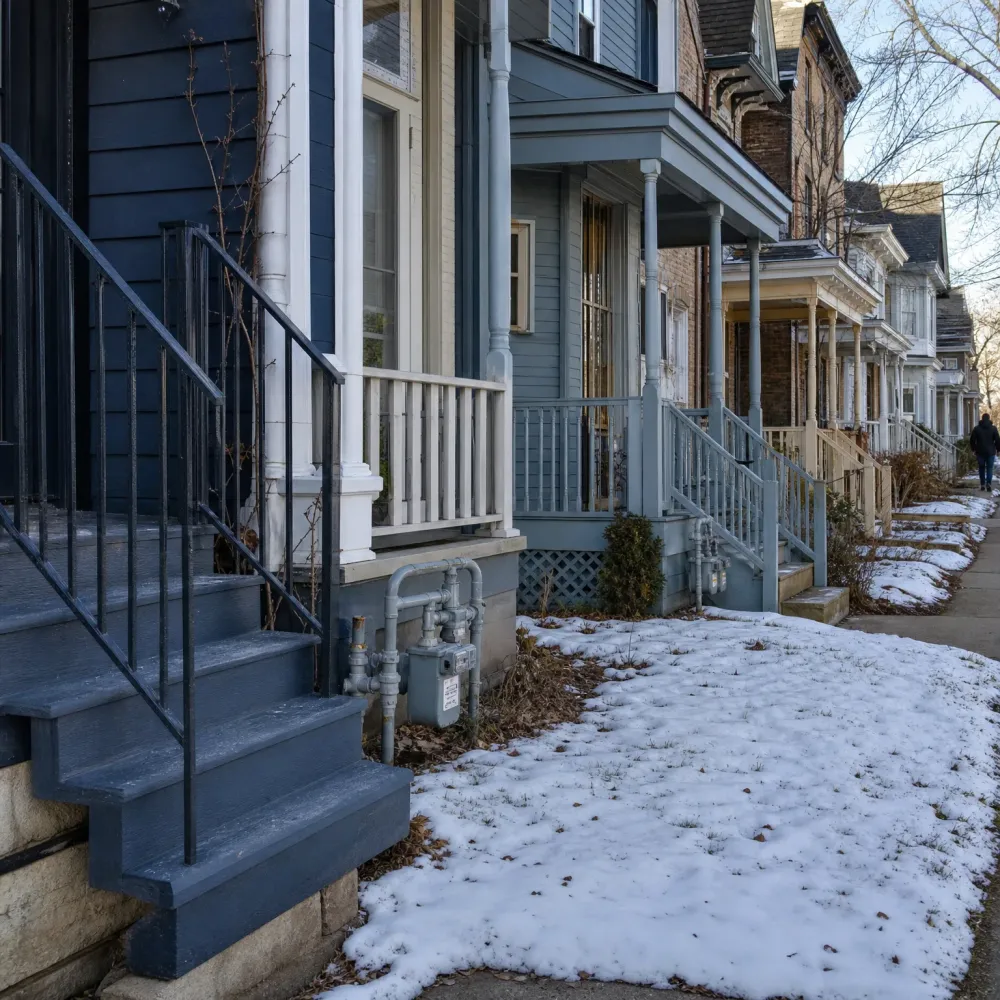
    A row of two-storey houses with covered porches and painted wood siding along a sidewalk, with patchy snow on the front yards, exterior gas meters and piping, bare trees, and a distant person walking.
  • Proven, simple, easy to get serviced

    Parts are easy to find and most repairs are routine. Getting one fixed rarely means waiting on a specialist.

    A gloved hand holds a clean pleated air filter in front of a gray shelving unit with baskets, folded textiles, a mug and a potted plant, with a furnace and ductwork at right.

What the cold here does to a heat pump

Winter is the long season in Cedar County, eight months of heat against three of cooling, so whatever you pick has to earn its keep from October through May. The overnight low here averages 16°F across December, January and February, and that number sits below both of the marks that matter for a heat pump. Below 40°F a standard heat pump stops putting out its full rated heat. Below about 35°F it typically needs backup heat to make up the difference. At 16°F you are under both marks on an average night, not just the cold ones.

Of the roughly 245 nights the heat runs here, about 145 drop to freezing or below. That is better than half the heating season spent under the 35°F mark. About 16 nights a year reach 0°F, and a standard heat pump is making only a fraction of its rated heat at that point. A furnace does not have this problem. It is built to put out the same heat regardless of what it is doing outside, so the coldest night of the year asks nothing different of it than a mild one in October.

There is a real answer for the cold, and it is not the standard heat pump. A unit built to the ENERGY STAR Cold Climate spec has to produce at least 1.75 units of heat per unit of electricity at 5°F and hold on to 70 percent of its warm-weather capacity at that temperature, checked by outside testing. Field tests of these cold climate units in real homes found backup heat carrying only a small share of the load between 0°F and 35°F, and running on backup alone was rare even above 0°F. If a heat pump is on the table here, it should be one with that rating. A standard model is not built for a Cedar County winter.
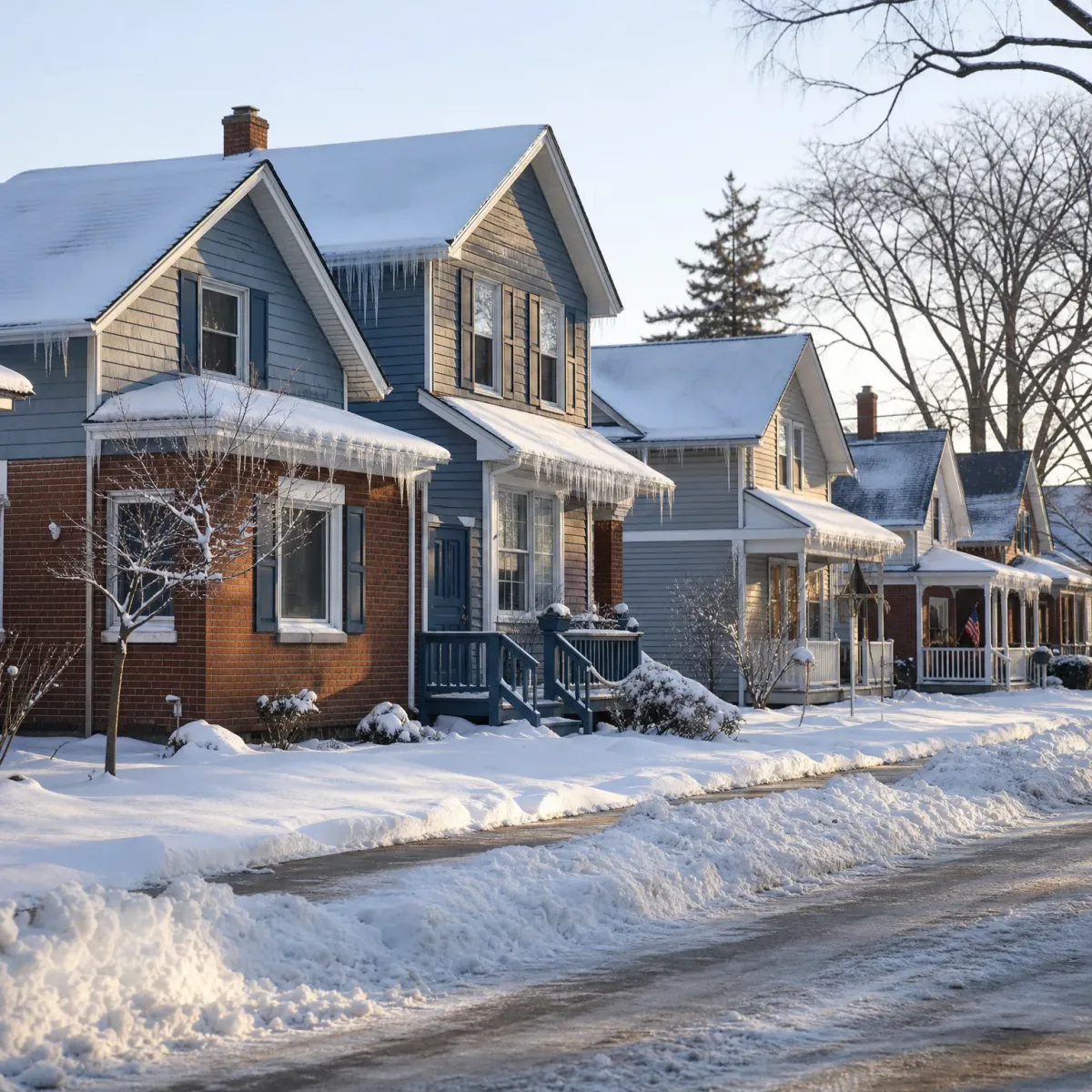
A row of two-story houses with gray siding and brick lower walls along a snow-covered residential street, with icicles hanging from the eaves and bare trees and a conifer in the background under a clear sky.

What it costs to run, and what to weigh against that

Run the two side by side at Iowa's own fuel prices and the furnace wins on cost. A gas furnace at the federal minimum efficiency makes the same 100,000 Btu of heat for $1.21. A heat pump at its federal minimum makes it for $1.79, and that figure does not add anything for the backup heat it would lean on during Cedar County's cold stretches. A furnace running on propane instead of utility gas costs more, $16.67 per million Btu against $9.69, but it is still built to deliver full heat regardless of the temperature outside.

This lines up with how the county already heats. A little over half of homes here run on utility gas, and another three in ten run on propane. Electric heat, the category a standard heat pump falls into, covers about one home in ten. That is not proof a furnace is right for your house, but it tells you gas heat is the established choice here, with the infrastructure and the service trade built up around it.

A heat pump still has something a furnace does not: it is also your air conditioner. Cedar County runs cooling three months a year, June through August, the shorter of the two seasons, but it is one less system to own and service if you go that way. A furnace only heats. For the four months outside its eight-month heating season, it does nothing, and you would still need a separate air conditioner to cover summer. Whichever way this goes, it is a choice between a furnace paired with its own AC, or a cold-climate heat pump carrying both jobs through a winter that does not let up until May.

Sources: NOAA nClimDiv · NOAA 1991–2020 seasonal normals · EIA SEDS 2024 · 10 CFR 430.32 · PNNL Building America guide · PNNL-37127 field study · ENERGY STAR product criteria · Census ACS 2020–2024

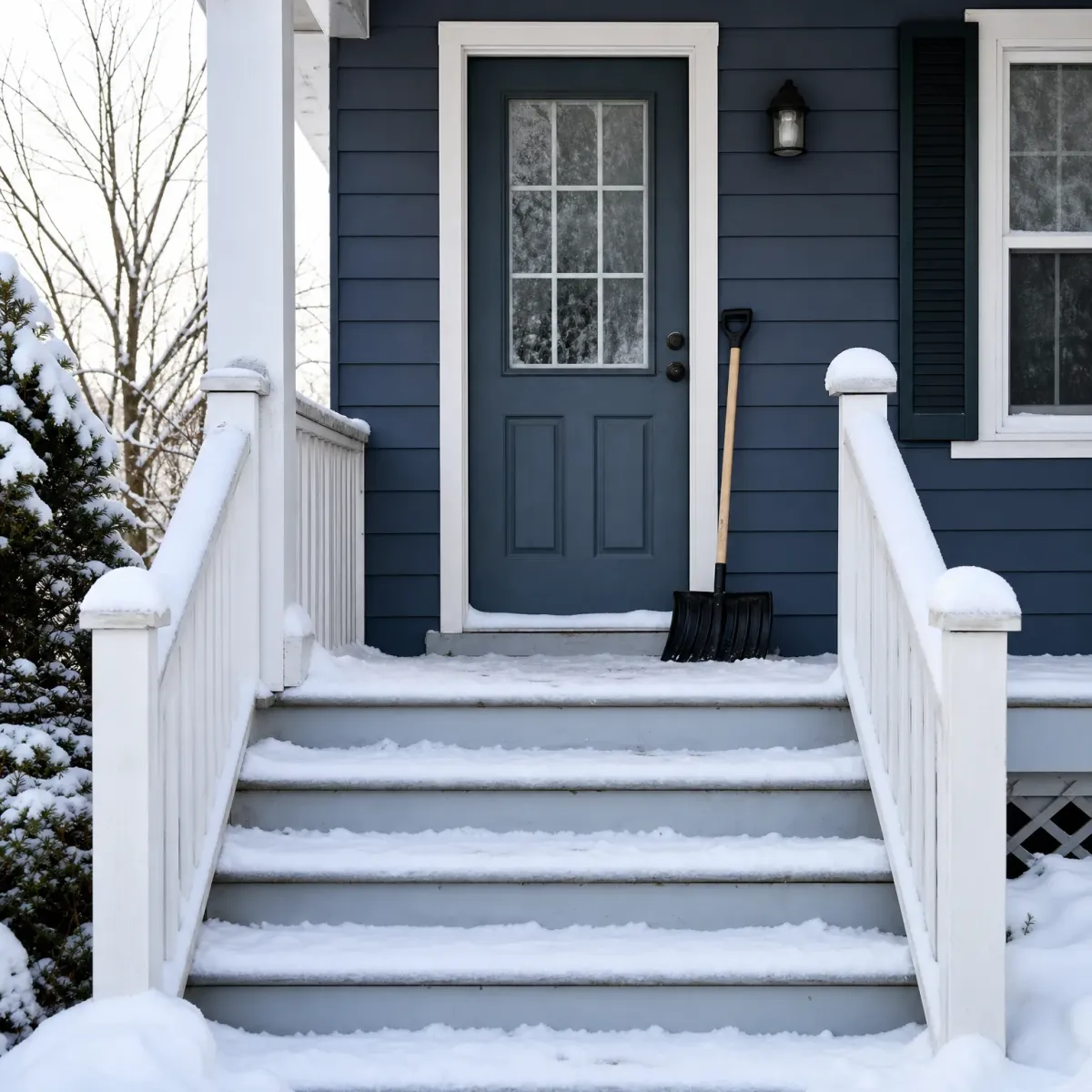
Snow-covered front steps with white railings leading to a blue house with a paneled door, a snow shovel leaning beside the entry, and a snowy evergreen shrub at left.

Common questions about heat pumps and furnaces

  • Can a heat pump heat a house through an Iowa winter?

    It can, but a standard one struggles on the coldest nights here. Below 40°F a conventional heat pump puts out less than its rated capacity, and Cedar County sees about 16 nights a year at 0°F or below where that shortfall is steepest. An ENERGY STAR Cold Climate model is built to hold most of its capacity and efficiency down to 5°F, which matters on a night like that.

  • Do I need backup heat with a heat pump here?

    Most houses with a standard heat pump need it here. Below about 35°F a standard heat pump's heating efficiency drops, and the overnight low in Cedar County averages 16°F across December, January and February, well under that mark. A furnace, a heat strip, or a cold-climate model built to hold its output at low temperatures covers the gap.

  • Can I keep my furnace and add a heat pump?

    Yes, and this is a common setup. The heat pump handles the milder nights and the furnace takes over once it gets cold enough that the heat pump's output falls short, which for a standard heat pump starts below 40°F. That covers most of the heating season here, since the overnight low averages 16°F across December, January and February. The furnace still matters on the coldest nights, the roughly 16 a year that reach 0°F or below, when a heat pump alone would be leaning hardest on backup.

  • What if my house heats with oil or propane?

    Switching off propane is where a heat pump often makes the most sense. Propane runs $16.67 per million Btu in Iowa, well above the $9.69 for natural gas, so if propane is what's heating your house now, a heat pump at $1.79 per 100,000 Btu is competitive with it even though gas furnaces still beat both on cost. Almost a third of homes in Cedar County heat with propane, so this is a common situation here.